

Wines with the least calories: your 2026 guide
TL;DR:
- Dry, low-ABV wines like Brut Champagne, Sauvignon Blanc, and Pinot Grigio contain the fewest calories, typically around 110 to 125 per 5 oz glass. The main factors influencing calorie content are alcohol by volume and residual sugar, with alcohol being the dominant driver. Choosing dry, lower-ABV wines and controlling pour sizes are effective strategies to enjoy wine with minimal calorie intake.
Dry, low-ABV sparkling and white wines are the wines with the least calories, with Brut Champagne, Sauvignon Blanc, and Pinot Grigio all clocking in at 110 to 125 calories per standard 5 oz (148 mL) glass. The two main calorie drivers in any wine are alcohol by volume (ABV) and residual sugar. Alcohol delivers roughly 7 calories per gram, making it the dominant factor. Residual sugar in dry wines sits at just 2 to 5 g/L, contributing fewer than 3 calories per glass, so the sweetness level matters far less than most people assume. If you want to drink well without the calorie guilt, the formula is simple: go dry, go lower ABV, and know your label terms.
1. The lowest calorie white wines and why they work
Dry white wines are the gold standard for calorie-conscious drinkers, and two varietals lead the pack. Pinot Grigio and Sauvignon Blanc typically land between 110 and 125 calories per 5 oz glass, thanks to their low residual sugar and moderate ABV of 11 to 13%.

Pinot Grigio from northern Italy (think Alto Adige or Friuli) is bone dry, crisp, and usually sits around 110 to 122 kcal. Sauvignon Blanc, particularly from Marlborough in New Zealand, runs slightly higher at 115 to 125 kcal but delivers a punchy flavour profile that feels like a lot more wine than it is. Dry Riesling is another smart pick, though its calorie count varies more widely depending on sweetness level. A German Kabinett Riesling at 8% ABV can be one of the lightest wines available, while a Spätlese tips into off-dry territory and adds calories fast.
The reason these whites stay lean comes down to cool-climate viticulture. Cooler growing regions produce grapes with lower natural sugar, which means less potential alcohol and less residual sweetness after fermentation.
- Pinot Grigio (Alto Adige, Friuli): 110 to 122 kcal per 5 oz
- Sauvignon Blanc (Marlborough, Loire Valley): 115 to 125 kcal per 5 oz
- Dry Riesling (Mosel Kabinett): as low as 80 to 100 kcal at 8% ABV
- Albariño (Rías Baixas): typically 110 to 120 kcal, crisp and saline
Pro Tip: Reach for Marlborough Sauvignon Blanc or a Mosel Kabinett Riesling when you want maximum flavour with minimum calories. Both are cool-climate wines that naturally ferment drier and lighter.
2. Low-calorie sparkling wines: brut and extra brut are your best bet
Sparkling wine is genuinely one of the smartest choices for calorie watchers, and most people don’t realise it. Brut and Extra Brut Champagne sit at 110 to 120 calories per 5 oz glass, putting them on par with the lightest still whites.
The sparkling wine sugar scale works like this:
- Brut Nature / Zero Dosage: 0 to 3 g/L residual sugar, often under 110 kcal per glass
- Extra Brut: 0 to 6 g/L residual sugar, around 110 to 115 kcal
- Brut: up to 12 g/L residual sugar, around 115 to 120 kcal
- Extra Dry: 12 to 17 g/L, confusingly named and noticeably sweeter, closer to 130 kcal
- Demi-Sec and Doux: 32 to 50+ g/L, dessert territory, 150 kcal and beyond
Prosecco DOC Brut is a solid, affordable option in the 110 to 118 kcal range. Cava Brut from Spain competes at a similar level. The key is to avoid anything labelled “Extra Dry” or above on the sweetness scale, despite what the name implies.
There is also a practical benefit to bubbles. Carbonation slows your drinking pace, which means you naturally consume less over an evening. That is a real-world calorie reduction that has nothing to do with what is in the bottle.
“Choosing a Brut Nature Champagne over a Demi-Sec can save you 40 to 60 calories per glass. Over a three-glass evening, that is a meaningful difference without sacrificing a single moment of enjoyment.”
Pro Tip: Make a wine spritzer with half Brut Prosecco and half sparkling water. You cut the calories roughly in half, the bubbles stay lively, and the flavour holds up better than you’d expect.
3. Low-calorie red and rosé wines: options and what to watch for
Red wine has a reputation for being heavier in calories, but that reputation is only partly deserved. Calorie content depends on dryness and ABV, not wine colour. A dry, moderate-ABV red can easily beat a sweet, high-ABV white on the calorie count.
Pinot Noir is the clear winner among reds. Pinot Noir typically delivers 120 to 130 kcal per 5 oz glass, with most examples sitting at 12.5 to 13.5% ABV. Burgundy, Central Otago, and Willamette Valley Pinot Noirs are reliably dry and elegant without the alcohol punch of a Barossa Shiraz or Napa Cabernet Sauvignon, which can push past 150 kcal per glass at 15% ABV.
Rosé is more variable. A dry Provence rosé at 12 to 13% ABV lands at 110 to 120 kcal per glass, making it one of the lightest wines available in any category. The problem is that many rosés sold in Australia are off-dry or semi-sweet, which adds 20 to 40 extra calories per glass without any obvious label warning.
- Pinot Noir (Burgundy, Central Otago): 120 to 130 kcal per 5 oz
- Gamay / Beaujolais: 115 to 125 kcal, light-bodied and low tannin
- Dry Provence rosé: 110 to 120 kcal, the lightest rosé option
- Grenache-based rosé: watch the ABV; can climb to 14% and 135+ kcal
Pro Tip: Check the label for the words “dry” or “bone dry” before buying a rosé. If the label says “crisp and refreshing” without specifying dryness, ask the retailer or check the producer’s technical sheet.
4. How to read labels and choose wines with fewer calories
Residual sugar figures almost never appear on wine labels. That is the inconvenient truth of low-calorie wine shopping. You are working with proxies, and the two most reliable ones are ABV and descriptive terms.
Wines under 13% ABV deliver 10 to 30% fewer calories per serving compared to wines at 14 to 15% ABV. That single number on the label is the fastest filter you have. Pair it with dryness language and you have a solid system.
| Label term | What it means | Calorie implication |
|---|---|---|
| Brut / Extra Brut | Very low residual sugar (0 to 12 g/L) | 110 to 120 kcal per 5 oz |
| Dry / Bone Dry | Minimal residual sugar | 110 to 125 kcal per 5 oz |
| Off-Dry / Semi-Sweet | Noticeable sweetness | 130 to 145 kcal per 5 oz |
| Sweet / Doux | High residual sugar | 150 to 200+ kcal per 5 oz |
| Fortified (Port, Sherry) | Added spirit, high sugar | 180 to 250+ kcal per 5 oz |
Brands like FitVine and Skinnygirl publish calorie counts directly on their labels, which removes all the guesswork. They are not always the most exciting bottles on the shelf, but they are transparent in a way the traditional wine industry rarely is.
Serving size is also a lever you control. Reducing your pour from 5 oz to 4 oz cuts calorie intake by roughly 20% per glass. That is not deprivation. That is just pouring with intention.
Pro Tip: Use a kitchen scale or a measured pour spout at home. Most people pour 6 to 7 oz without realising it, which adds 30 to 50 calories per glass before they’ve even sat down.
5. Practical ways to enjoy wine without excess calories
Enjoying wine and watching your calorie intake are not mutually exclusive. A few simple habits make a genuine difference without turning every glass into a maths problem.
The wine spritzer is the most underrated tool in the low-calorie drinker’s kit. Half Brut Prosecco, half sparkling water, served over ice with a slice of lemon. You halve the calories, keep the bubbles, and the drink still feels celebratory. It is not a compromise. It is a different drink that happens to be lighter.
Alternating each glass of wine with a full glass of water slows your pace and reduces total intake without requiring willpower. It also helps with hydration, which is a bonus. Dealcoholised wines from producers like Ariel and Fre are worth keeping in rotation for nights when you want the ritual of wine without the alcohol calories, often coming in under 50 kcal per 5 oz glass.
- Serve wine in smaller glasses to naturally reduce pour size
- Pre-measure a 4 oz pour at home before you sit down
- Avoid dessert wines, Port, and Sherry for everyday drinking; save them for genuine special occasions
- Choose sparkling over still when you want to slow your pace naturally
- Explore quality wines without markups so you can afford to be selective without blowing your budget
Pro Tip: If you enjoy a glass most evenings, switching from a 14.5% Shiraz to a 12% Pinot Grigio saves you roughly 25 to 35 calories per glass. Over a week, that is the equivalent of skipping a biscuit every single day.
Key takeaways
The wines with the least calories are dry, low-ABV styles like Brut Champagne, Pinot Grigio, and Sauvignon Blanc, all sitting at 110 to 125 kcal per 5 oz glass when chosen correctly.
| Point | Details |
|---|---|
| Lowest calorie wine types | Brut Champagne, Pinot Grigio, and Sauvignon Blanc all land at 110 to 125 kcal per 5 oz. |
| ABV is the main lever | Wines under 13% ABV deliver 10 to 30% fewer calories than those at 14 to 15% ABV. |
| Label terms are your guide | “Dry,” “bone dry,” and “brut” reliably signal low residual sugar and fewer calories. |
| Serving size matters | Reducing your pour from 5 oz to 4 oz cuts calorie intake by roughly 20% per glass. |
| Colour is not the issue | Dryness and ABV drive calorie differences far more than whether a wine is red or white. |
Damien’s take: stop blaming red wine
People come to me all the time convinced that red wine is the calorie villain and white wine is the virtuous choice. It is one of the most persistent myths in wine. I have tasted Chardonnays from warm Australian regions pushing 14.5% ABV that clock in at 145 kcal a glass, while a good Burgundy Pinot Noir at 12.5% sits comfortably at 120 kcal. The colour is irrelevant. The ABV and the dryness are everything.
What I have found after years of tasting and recommending wines is that the most satisfying low-calorie choices are the ones where you genuinely love the flavour. A Marlborough Sauvignon Blanc or a well-made Cava Brut Nature gives you brightness, complexity, and that satisfying sense of occasion. You are not settling. You are just choosing smarter.
The other thing most articles won’t tell you: your pour size is doing more damage than your varietal choice. I have seen people switch to “light” wine and then pour themselves a 250 mL glass and wonder why nothing changes. Measure your pour at least once. It is genuinely eye-opening. Pair that with a smart buying approach and you will drink better, lighter, and for less money.
— Damien
Drink lighter without drinking less well
FU Wine was built for exactly this kind of drinker. You want quality. You want to know what you’re putting in your glass. And you are not interested in paying inflated prices for the privilege of being health-conscious.
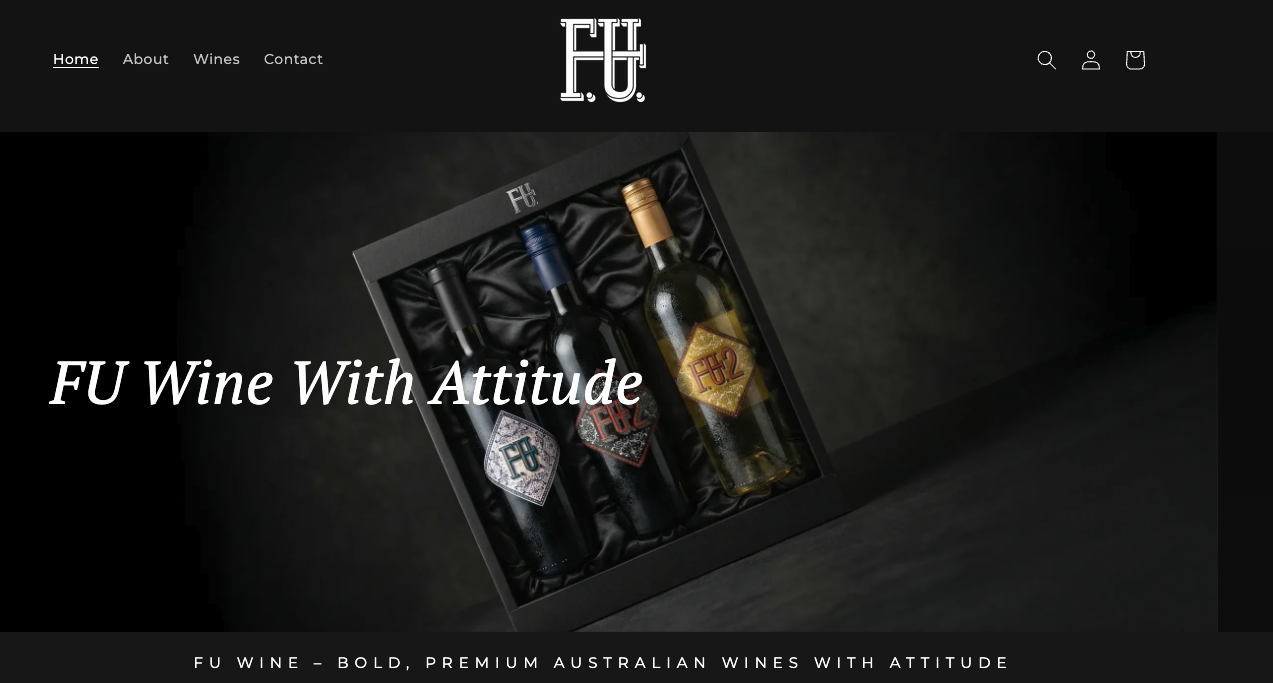
FU Wine’s rotating selection includes dry, low-ABV whites, elegant Pinot Noirs, and Brut sparkling wines sourced directly from boutique producers and cellar clearances, often at 30 to 70% below what you’d pay at a traditional retailer. No pretension. No middlemen. Just genuinely good wine at prices that don’t require an apology. Browse the current FU Wine selection and find your next lighter pour before the deal disappears.
FAQ
Which wine has the least calories per glass?
Brut Nature and Extra Brut sparkling wines are typically the lowest, often under 110 kcal per 5 oz glass. Dry Mosel Riesling at 8% ABV can go even lower, sometimes reaching 80 to 90 kcal.
Does red wine always have more calories than white wine?
No. Calorie content depends on ABV and residual sugar, not colour. A dry Pinot Noir at 12.5% ABV has fewer calories than a full-bodied oaked Chardonnay at 14.5% ABV.
What does “brut” mean on a wine label?
Brut indicates very low residual sugar, typically under 12 g/L for sparkling wines. It is one of the most reliable label signals that a wine will be low in calories.
How much does serving size affect wine calories?
Significantly. Dropping from a 5 oz to a 4 oz pour reduces calorie intake by roughly 20% per glass. Most home pours are actually 6 to 7 oz, which adds 30 to 50 extra calories before you realise it.
Are dealcoholised wines worth trying for calorie reduction?
Yes, if you want a dramatic reduction. Brands like Ariel and Fre produce dealcoholised wines that often come in under 50 kcal per 5 oz, since alcohol is the primary calorie source in wine. Verify residual sugar levels, as some dealcoholised wines compensate with added sweetness.