

Wines every collector should try for value and rarity
TL;DR:
- Serious collectors prioritize wines with aging potential, authentic quality, and genuine scarcity over hype and labels. Regions like Chianti Classico, Barolo, Loire Chenin Blanc, and Rioja Gran Reserva offer remarkable value with long-term cellaring benefits and authentic terroir expression. Building a smart collection involves focusing on proven producers and undervalued regions, avoiding inflated prices driven by fame and marketing strategies.
Chasing the perfect bottle shouldn’t feel like a high-stakes auction where only the wealthiest bidders win. The smartest collectors today know that rarity and genuine ageing potential don’t live exclusively behind four-figure price tags. This guide cuts through the noise and gets real about which wines belong in your cellar right now, covering proven classics and under-the-radar finds that deliver serious quality, authentic scarcity and long-term satisfaction. No inflated hype. No gatekeeper nonsense. Just the bottles worth your attention.
Table of Contents
- What makes a wine essential for collectors?
- Chianti Classico: elegance and longevity without markup
- Barolo 2020 and Trediberri: the savvy collector’s Nebbiolo
- Loire Chenin Blanc: Domaine Huet’s white wine for the ages
- Rioja Gran Reserva and Bodegas Muga: value-aged icons
- Comparing the must-try collector wines
- Why truly essential collector wines don’t need to break the bank
- Explore and build your own standout collection
- Frequently asked questions
Key Takeaways
| Point | Details |
|---|---|
| Focus on proven value | Favour wines from respected producers and regions offering long-term ageing at reasonable prices. |
| Diversify beyond red icons | Include age-worthy whites like Loire Chenin Blanc in your collection for balance and interest. |
| Under-the-radar delivers | Boutique and less-hyped labels often rival blue-chip names in both rarity and cellar potential. |
| Use expert-backed picks | Rely on recommendations from industry buyers to avoid hype and select bottles with real pedigree. |
| Comparison is key | Evaluate ageability, value, and accessibility side-by-side for smarter portfolio building. |
What makes a wine essential for collectors?
Not every expensive bottle deserves a spot on your rack. And not every affordable one should be overlooked. The truth is, the criteria that matter most to serious collectors are pretty consistent regardless of price point.
Here’s what actually separates a genuinely essential wine from the noise:
- Ageing potential and structure: Tannins, acidity and overall architecture need to carry a wine forward over years or decades.
- Producer reputation without hype: A maker’s track record and philosophy matter far more than their marketing budget.
- Value for the quality: Understanding vintage wine value explained helps you separate genuine pricing from inflated prestige.
- Rarity and scarcity: Limited production runs, single-vineyard releases and boutique estates create the kind of supply constraints that make cellaring worthwhile.
- Personal enjoyment: A collection that you never drink from is just a very expensive storage project.
Experts recommend focusing on under-the-radar producers like Trediberri in Barolo or Badia a Coltibuono in Chianti for rarity and quality without hype-driven markups.
“The best cellar isn’t filled with the most recognised labels. It’s filled with the most intelligent choices.”
Pro Tip: When evaluating a new producer, check whether their wine has been reviewed independently over multiple vintages. Consistency across different years tells you far more than a single high score ever could. Also look at how their wines have evolved in bottle. Understanding wine vintages explained gives you that crucial edge when deciding what to buy and when to open it.
Chianti Classico: elegance and longevity without markup
Chianti Classico gets unfairly lumped in with its cheaper, mass-produced relatives. But the real thing, made from Sangiovese within the historical Classico zone between Florence and Siena, is a genuinely age-worthy wine that punches well above its price point.
Here’s what makes it a collector essential:
- A cellaring window of 10 to 15 years for quality Riserva releases, often much longer for top estates.
- Elegant structure with firm tannins, vibrant acidity and complex aromatics of cherry, leather and dried herbs.
- Approachable entry pricing compared to Barolo or top Burgundy, making it easy to buy in depth.
- Producers like Badia a Coltibuono who have been farming organically for decades and bring real authenticity to every bottle.
The Badia a Coltibuono Chianti Classico Riserva 2020 is specifically recommended for collectors due to its ageing potential of 10 to 15 years, elegance, structure and approachable price point without traditional markup.
What’s even more compelling is how Chianti Classico stacks up against its more famous peers. Chianti Classico rewards patient cellaring at prices on par with Piedmont and Burgundy in terms of quality, but without the premium that those regions command by name alone.
Think about that. You’re getting genuine complexity, real longevity and a respected producer, all for a fraction of the cost you’d pay to chase a famous Burgundy label. And if you want to explore rare wine varieties that will impress your fellow collectors without draining your account, Chianti Classico belongs right at the top of your list.
Pro Tip: Look for bottles labelled Gran Selezione, which sits above Riserva in the Chianti Classico hierarchy. These single-vineyard expressions are made in tiny quantities and represent some of the best cellaring opportunities in all of Italian wine.
Barolo 2020 and Trediberri: the savvy collector’s Nebbiolo
Barolo has a legendary reputation. It also carries a legendary price tag, particularly from the most famous producers. But here’s the thing: the vintage and the producer matter far more than the name on everyone’s lips at the next dinner party.
The 2020 vintage is a case in point. Barolo 2020 is a benchmark vintage with profound structure and layered aromatics rewarding decades of ageing, making it accessible for collectors who are willing to wait. This is not a wine to crack open next Saturday. Buy it now, store it properly and let it reward your patience somewhere between 2030 and 2045.
For those balancing tradition with value, Trediberri is the name you need to know. Trediberri Berri Barolo provides remarkable freshness, silky tannins and bright acidity, and it represents the best value in the Barolo appellation for long-term ageing. That is not a minor claim. Barolo is a fiercely competitive appellation and calling any single producer the best value signals something genuinely special.
“Every bottle of great Nebbiolo is a small rebellion against the idea that you need a famous name on the label to cellar something extraordinary.”
Here’s a quick look at how these two Nebbiolo options compare:
| Feature | Barolo 2020 (Classic Producers) | Trediberri Berri Barolo |
|---|---|---|
| Ageing potential | 20 to 40 years | 10 to 20 years |
| Style | Bold, structured, tannic | Fresh, silky, vibrant |
| Value for money | Moderate to high cost | Outstanding value |
| Best suited for | Long-term investment cellaring | Drinking now or ageing medium term |
| Accessibility | Widely allocated | Boutique, limited production |
If you’re serious about building a wine portfolio that balances investment potential with genuine drinking pleasure, having both styles in your cellar is the smart play. And understanding the wine investment benefits of focusing on under-recognised producers, rather than chasing auction-house darlings, is how serious collectors consistently outperform.
Loire Chenin Blanc: Domaine Huet’s white wine for the ages
Most collectors focus heavily on reds. That’s understandable. But overlooking age-worthy whites means missing some of the most rewarding long-term bottles available, especially at their price points.
Loire Valley Chenin Blanc, particularly from the Vouvray appellation, is one of the wine world’s best kept secrets. It ages beautifully, evolves in fascinating ways and comes from producers who have been doing this seriously for generations.
Domaine Huet is the gold standard. Domaine Huet Clos de Bourg Vouvray Sec Chenin Blanc offers a laser-focused bouquet that evolves over a decade, all at a price accessible compared to four-figure wines. You’re getting genuine world-class complexity for a fraction of what you’d pay for a top Burgundy white.
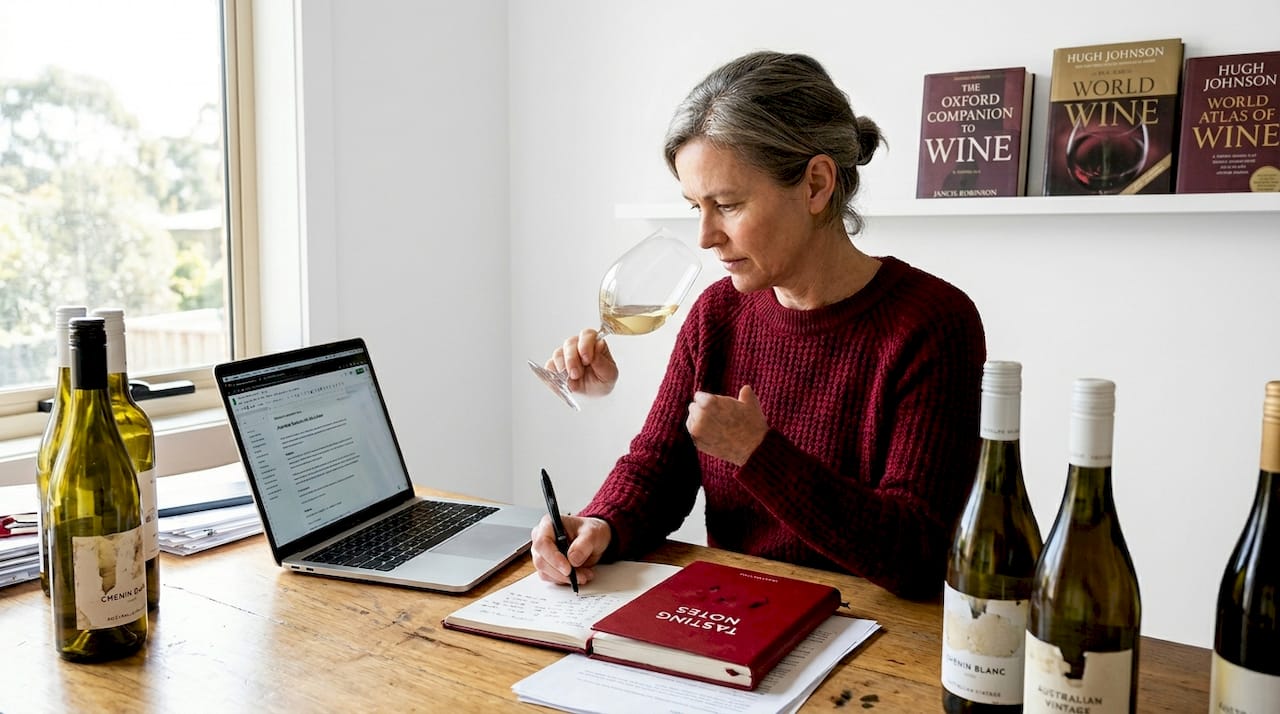
The longevity is what really makes it sing. Chenin Blanc from Loire like Domaine Huet provides exceptional ageing over decades and complexity at prices far below Burgundy whites. We’re talking about wines that are still vibrant and evolving at 20, 30 or even 40 years old.
Here’s what makes Domaine Huet essential:
- Multiple styles: Sec (dry), Demi-Sec (off-dry) and Moelleux (sweet), all with serious ageing pedigree.
- Biodynamic farming since 1990, adding an extra layer of authenticity and terroir expression.
- Brilliant acid structure that acts as a natural preservative, keeping the wine alive and evolving for decades.
- Versatility at the table: These wines pair with everything from fresh seafood to aged cheeses to roasted poultry.
“If Burgundy whites are the blue-chip stocks of the white wine world, Domaine Huet is the smart growth option that the insiders have been quietly loading up on for years.”
Pro Tip: Buy a mixed case of Domaine Huet across different styles. Taste one bottle every three to four years to track the evolution. You’ll understand, in a very personal and delicious way, exactly why serious collectors seek out premium wine selections that go well beyond the obvious choices.
Rioja Gran Reserva and Bodegas Muga: value-aged icons
Spain doesn’t always get the respect it deserves in serious collecting circles. That’s a mistake, and the collectors who’ve figured that out are quietly filling their cellars with some of the best value in the aged wine world.
Rioja Gran Reserva is a category built on extended maturation. By regulation, Gran Reserva reds spend a minimum of two years in oak and three years in bottle before release. That means by the time the wine reaches you, it has already started its evolution. You’re buying depth and integration that would cost you a premium elsewhere.
Rioja Gran Reserva 2015 to 2017 releases offer age-worthy quality at value pricing without excessive markup. These are the vintages smart collectors are stocking right now.
Then there’s Bodegas Muga. This is not some obscure producer hoping for discovery. Bodegas Muga Rioja Reserva 2021 was named Wine Spectator’s 2025 Wine Value of the Year, highlighting premium quality at an accessible price for collectors. That’s as mainstream a stamp of approval as you can get, yet the pricing remains refreshingly reasonable.
Here’s how Rioja stacks up against other established collecting regions:
| Region | Typical entry price | Ageing potential | Value rating | Hype factor |
|---|---|---|---|---|
| Rioja Gran Reserva | Low to moderate | 15 to 25 years | Excellent | Low to moderate |
| Barolo | Moderate to high | 20 to 40 years | Good | High |
| Bordeaux Grand Cru | High | 20 to 30 years | Variable | Very high |
| Burgundy Premier Cru | Very high | 10 to 20 years | Poor at scale | Extreme |
| Chianti Classico Riserva | Low to moderate | 10 to 15 years | Excellent | Low |
This comparison makes the value case for Rioja and Tuscany almost impossible to ignore. To find out more about sourcing wines like these at the right price, check out our guide to rare wines and how smart buyers approach the market.
Pro Tip: When buying Rioja Gran Reserva, focus on estates that own their own vineyards rather than relying on purchased fruit. Family-owned producers with consistent house styles tend to offer the most reliable cellaring outcomes.
Comparing the must-try collector wines
Let’s put all the essentials side by side for a clean, practical overview.
| Wine | Region | Ageing potential | Style | Value for collectors | Accessibility |
|---|---|---|---|---|---|
| Badia a Coltibuono Riserva | Chianti Classico, Tuscany | 10 to 15 years | Elegant, structured | Excellent | Good availability |
| Barolo 2020 | Piedmont, Italy | 20 to 40 years | Bold, tannic, complex | Moderate to high | Allocated releases |
| Trediberri Berri Barolo | Piedmont, Italy | 10 to 20 years | Fresh, silky, vibrant | Outstanding | Limited, boutique |
| Domaine Huet Vouvray | Loire Valley, France | 20 to 40 years | Precise, evolving | Excellent | Moderate availability |
| Bodegas Muga Reserva | Rioja, Spain | 15 to 25 years | Rich, integrated | Outstanding | Widely available |
| Rioja Gran Reserva 2015 to 2017 | Rioja, Spain | 15 to 25 years | Deep, evolved | Excellent | Good availability |
Value regions like Rioja offer premium, age-worthy wines with traditional methodologies ensuring quality and rarity through extended ageing, contrasting sharply with high-markup Napa icons. Meanwhile, benchmark vintages like Barolo 2020 emphasise structure for long cellaring, ideal for enthusiasts balancing quality and accessibility.
Understanding how wine value is determined is what separates a growing collection from a genuinely outstanding one.
Why truly essential collector wines don’t need to break the bank
Here’s the contrarian view worth sitting with: the most prestigious bottles in the world are not necessarily the most rewarding to collect. Prestige and quality are not the same thing, and the wine industry has done an extraordinary job of conflating the two for decades.
The evidence actually points in a different direction. Experts consistently recommend under-the-radar producers like Trediberri in Barolo or Badia a Coltibuono in Chianti for rarity and quality without hype-driven markups. These are not consolation prizes. These are genuinely superior choices for collectors who know what they’re doing.
The most memorable collections we’ve seen don’t tell the story of someone who bought every famous Burgundy they could afford. They tell the story of someone who understood that Domaine Huet was doing something extraordinary in Vouvray while everyone else was queuing for Meursault. Someone who recognised the potential in Barolo 2020 before the narrative around that vintage became fully mainstream.
Understanding wine distribution for collectors reveals another uncomfortable truth: a significant portion of what you pay for famous labels goes directly into marketing, distribution margins and the simple premium of familiarity. The wine inside the bottle didn’t get more expensive. The story around it did.
The practical implication is clear. Put your money into producers with track records and into regions with the right conditions for long-term ageing, and resist the pull of the auction house halo. For real inspiration, explore some of the best cellar-aged wine examples that prove exactly what patient, intelligent collecting looks like in practice. The results speak for themselves, in the glass and in the collection’s long-term value.
Explore and build your own standout collection
You now know what to look for. You know which regions and producers deliver genuine rarity, real ageing potential and outstanding value. The only thing left is to actually get your hands on the bottles.
At FU Wine, we’ve built our whole operation around one idea: premium wine shouldn’t require a premium banker’s salary. We source exceptional wines including boutique Italian reds, Loire whites and Rioja icons directly from producers and through opportunistic buying, which means you get access to the kind of quality described in this guide at prices that make real sense. No middlemen inflating the margin. No pretentious gatekeeping. Just outstanding wine at prices that make sense. Start building your collection the smart way today.
Frequently asked questions
How can I spot value in a collectible wine beyond big-name regions?
Look for acclaimed producers in traditional regions like Chianti or Barolo who prioritise quality over hype, backed by expert recommendations from industry buyers who know the market inside out.
Why is Barolo 2020 recommended for cellar ageing?
Barolo 2020 is a benchmark vintage with profound structure and layered aromatics built for decades of rewarding ageing, making it one of the most compelling buys for serious collectors right now.
What white wine offers long cellaring at a fair price?
Loire Chenin Blanc, especially Domaine Huet, is celebrated for decades of evolution and exceptional complexity at a fraction of Burgundy prices, making it one of the smartest white wine investments available.
Are value regions like Rioja suitable for serious collectors?
Absolutely. Gran Reserva wines from Rioja offer premium ageing, traditional quality and genuine rarity through extended ageing, all without the excessive markup that follows more fashionable regions.
Which wine styles offer both collectibility and personal drinking pleasure?
Balanced reds like Chianti Classico and expressive whites like Vouvray deliver on both fronts, rewarding patience in the cellar while also being genuinely satisfying to drink when you finally pull the cork.
Recommended
- Top rare wine varieties that impress without the price tag – FU Wine
- Unlock rare wine: expert guide to selection and savings – FU Wine
- Vintage wine: quality, rarity and value explained – FU Wine
- How wine value is determined: a collector’s guide to fair pricing – FU Wine
- What makes a wine collectible? A guide for investors