

Collectors' Five Point Checklist for Winemaker Collaboration Wines
A winemaker collaboration wine is a limited, co-produced release in which two or more winemakers, growers, or estates pool fruit, skill, and reputation into a single bottling. Collectors chase these because scarcity and named provenance drive resale demand harder than almost anything else in the category. If a release ticks the boxes on production size, credited winemaking, and paperwork, it’s worth a serious look. The checklist below tells you exactly how to run that test.
TL;DR:
- Genuine winemaker collaboration wines clearly label involved producers, provide production numbers, and include technical and blending notes that confirm provenance.
- Collab releases are often limited to small quantities, with tight allocation processes like invitations, lotteries, or auctions, indicating higher scarcity and resale value potential.
- Authentic products display serial numbers, certificates, and transparent documentation, avoiding mass-market or licensed collaborations that rely solely on branding.
- Building direct relationships with producers and sourcing through official allocations or auction houses helps secure rare collaborations and verify provenance.
- Proper cellaring and documentation are essential to preserve a collaboration’s value, with stable storage and thorough record-keeping protecting paper trails and resale potential.
Table of Contents
- What are winemaker collaboration wines, exactly?
- Checklist: how to judge a collaborative release’s collectible potential
- Where collectors find collaboration releases and how sales work
- Buying, authentication, and cellaring best practice
- Why collaboration releases feel like a genuine hunt
- Get first access to rare collaboration releases
- Sources
What are winemaker collaboration wines, exactly?
Strip away the marketing and a winemaker collaboration wine is simple: two or more producers, or a producer and a guest winemaker, combine fruit, barrels, or blending skill to make one wine under one label. Nobody just slaps two names on a bottle and calls it a day, though plenty try. The genuine article leaves a paper trail.
Four structures dominate the market right now.
- Regional or association projects pull parcels from multiple member wineries within one appellation to build a single tête de cuvée, usually released once a year by allocation.
- Guest winemaker projects bring in an outside talent to shape a house’s existing fruit, often for one vintage only.
- Cross-hemisphere blends pair two established houses from opposite ends of the globe, splitting fruit or blending finished wine 50:50.
- Branded or licensed releases attach a non-wine brand (a car maker, a fashion house) to a bottle made under contract by a hired winemaking team.
The label and tech sheet are where you separate the real thing from the marketing exercise. Genuine collaborations name the winemakers involved, state a co-producer credit, and publish a production number. Look for serial numbers on the bottle or capsule, a stated barrel or case count, and a technical note that reads like it was written by someone who actually made the wine, not a copywriter. Stags Leap District’s annual collaborative Cabernet is a textbook example. Member wineries contribute parcels, the blend is credited to named winemakers, and the release comes with an allocation process rather than open retail.
The documents worth hunting down include technical and blending notes, any allocation or offer letter sent to buyers, and a certificate of authenticity where one exists. Blending notes and winemaker statements are a far stronger provenance signal than a logo on a capsule.
Licensed or badge collaborations sit in a different category entirely. These usually rely on contract winemaking, where the brand supplies the name and the packaging while a hired team makes the wine. That’s not automatically a bad thing, but it changes what you’re buying. According to analysis of luxury-brand wine partnerships, collectors should prioritise the named production partner over the brand badge when judging whether a bottle holds value long term.
Checklist: how to judge a collaborative release’s collectible potential
Run any release through this five-point check before you commit money.
- Production transparency. Does the producer state an exact bottle count? A three-barrel, 900-bottle run tells you far more than a vague “limited edition” sticker.
- Named technical leadership. Who actually made this wine? A master winemaker with a track record and prior awards adds real weight; an anonymous “winemaking team” adds none.
- Allocation mechanism. Was this sold by invitation, lottery, or auction, or did it sit on a retail shelf? Tighter allocation generally signals tighter supply.
- Provenance documentation. Serial numbers, certificates, and producer contact details all matter here. If none of these exist, ask why.
- Supporting evidence. Critic scores and tasting notes help, but treat them as secondary. Documented provenance and edition size do more to drive resale interest than a single high score ever will.
Pro Tip: Ask the seller for the winemaker’s technical note before you buy, not after. If they can’t produce one, that tells you almost as much as the wine itself would.
Weigh these five factors together rather than fixating on any one of them. A high critic score on a wine with no stated production number is a red flag, not a selling point. Conversely, a modest score on a genuinely tiny, well-documented allocation can still be a smart long-term hold, particularly from a producer with a consistent collaboration history. The Grange La Chapelle releases show this pattern well: a balanced cross-hemisphere blend that is released in small volumes through direct and invitation channels, where the story and the paperwork carry as much weight as the score.
Where collectors find collaboration releases and how sales work
Forget browsing the shelf at your local bottle shop. Collaboration releases move through channels that reward patience and a bit of legwork.
- Producer direct allocation is the cleanest route. Sign up to mailing lists for producers known to run collaboration projects and you’ll get first crack at future releases.
- Regional association releases, like the Stags Leap District’s annual Cabernet, distribute bottles by allocation request rather than open sale.
- Invite-only releases go to existing customers or trade contacts first, which is why building a direct producer relationship pays off for the smallest, most sought-after allocations.
- Chef-led and club-driven projects often sell through restaurant lists and club allocations before a bottle ever reaches secondary markets, as seen with multi-winemaker portfolios commissioned by hospitality groups.
- Charity and auction series add another layer, often at a premium tied to the cause.
- Specialist resellers and curators source what’s left once direct channels are exhausted, and a good wine curator will tell you exactly where a bottle came from.
If you end up at auction, factor in the buyer’s premium before you bid, and never assume provenance is settled just because a lot appears in a reputable house’s catalogue. Ask for the paper trail regardless of where you’re buying, and treat reseller-sourced allocations with the same scrutiny you’d apply to a direct producer purchase.
Buying, authentication, and cellaring best practice
Before you hand over money, run through a short pre-purchase check. Confirm the seller can point to a genuine producer allocation, ask for the serial number or certificate, and compare the technical notes against what the producer has published elsewhere. Mismatches are where things go wrong.
Watch for these authentication red flags:
- Inconsistent capsule or label fonts compared to the producer’s other releases.
- Missing regulatory information that should appear on every bottle by law.
- Production numbers that don’t match what the producer or association has publicly stated.
- No traceable provenance record or certificate at all.
Capsule quality and label font consistency are two of the fastest checks you can run before buying, and they cost nothing but a close look at the photos.
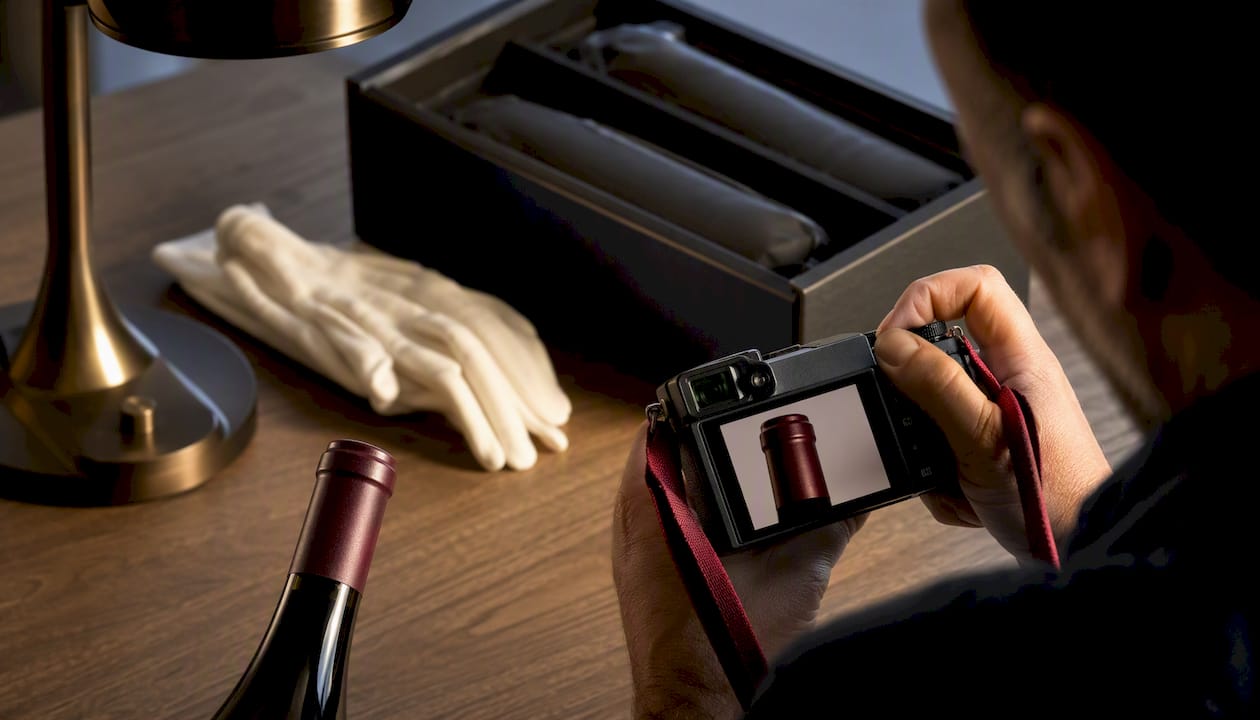
Once you’ve bought, do three things immediately: record the provenance chain in writing, photograph the packaging and capsule from multiple angles, and register the bottle with the producer if a registration scheme exists.
Cellaring matters just as much as buying well. A stable cellar sitting around 12 to 14 degrees, away from light and vibration, protects the wine and the paperwork that proves what it is. Serious collections are worth insuring separately from standard home contents policies, since a standard policy rarely covers full replacement value on rare bottles.
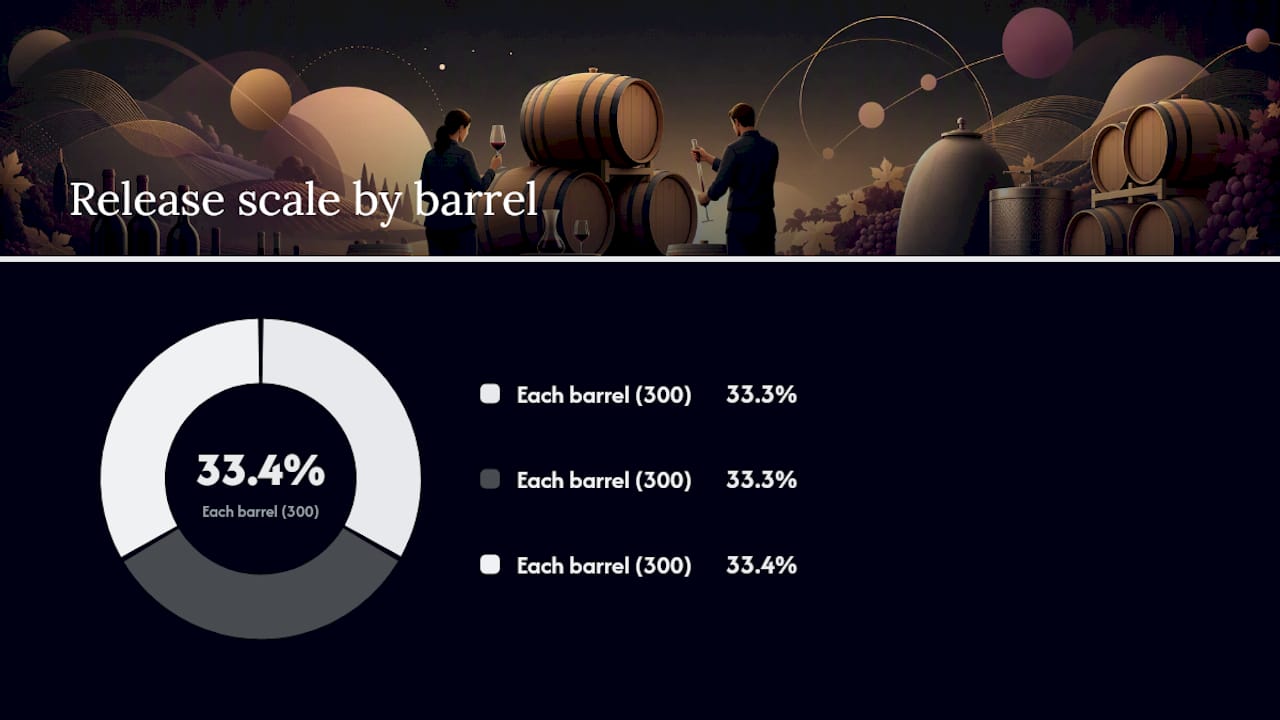
Statistic to remember: Stags Leap District’s third collaborative Cabernet release came from just three barrels, producing 900 bottles total. At that scale, every single bottle’s provenance record matters.
Why collaboration releases feel like a genuine hunt
There’s something almost primal about tracking down a wine that only exists because two winemakers decided to try something together. You’re not just buying a bottle. You’re buying a moment where two egos, two vineyards, and two philosophies agreed to share a barrel.
That’s why the paperwork matters so much to me. A collaboration without a named winemaker credit is just a marketing stunt wearing a cork. FU Wine’s whole sourcing model runs on the same instinct that drives serious collectors: go find the rare stuff before everyone else notices it’s rare, and skip the markup that usually comes bolted onto that scarcity.
My practical tip: if a seller can’t answer a direct question about who made the wine and how many bottles exist, walk away. The good ones always can.
— Damien
Get first access to rare collaboration releases
Chasing allocation lists and auction catalogues is one way to land a collaborative bottle. Com takes a more direct route. We source premium and hard-to-find wines, including limited releases, cellar-aged bottles, boutique producer runs, and high-scoring vintages, and pass them on at 30 to 70% below traditional retail.
Our catalogue rotates constantly, with flash deals surfacing on standout stock the moment we secure it. No membership fees, no waitlists dragging on for years, no pretending you need an insider connection to drink well. We built this business specifically to reject the idea that rare wine has to come with an inflated price tag or a velvet rope, and that philosophy applies just as much to a limited collaborative release as it does to a single boutique vintage.
Sign up for alerts, keep an eye on our rotating stock, and when a release you want shows up, move fast. It won’t be there long, and that’s precisely the point. Browse what’s currently available and see for yourself what a fair price on a rare bottle actually looks like.
Sources
- Stags Leap District Winegrowers — Cabernet collaboration
- PR Newswire — Sans précédent: two legends explore one of the world’s most respected varietals
- The ReadingTub — Lamborghini wine analysis
- PRWeb — Stags Leap District collaborative bottle announcement