

Wine pricing myths debunked: Smart buying for collectors
TL;DR:
- Wine price does not always correlate with quality, as influenced by branding, marketing, and distribution.
- Markups at each supply chain stage inflate prices beyond tariffs, often by 30% or more.
- Scores and prices jump sharply at specific thresholds like 90 points, driven by psychological and market factors.
You’ve stood in a bottle shop or scrolled an online retailer, stared at two very similar wines, and wondered why one costs three times the other. Most wine lovers have been there. The answer is almost never as simple as “that one’s better.” Wine pricing is wrapped in layers of mythology, markup logic, and psychological triggers that the industry rarely rushes to explain. This guide cuts through that noise. We’re breaking down the most stubborn pricing myths with real research and hard-won insight, so you can buy smarter, drink better, and stop paying for stories that don’t hold up.
Table of Contents
- Popular myths that distort wine pricing
- Myth 1: Higher price always means higher quality
- Myth 2: All markups are transparent and fair
- Myth 3: Wine scores and price move together linearly
- How to use myth-busting for smart wine buying
- Most experts get wine pricing myths backwards — here’s what actually matters
- Find trustworthy guidance for your next bottle
- Frequently asked questions
Key Takeaways
| Point | Details |
|---|---|
| Price isn’t quality | Expensive wines aren’t always better—other factors like hype and rarity influence price. |
| Markups matter more than cost | Distributor and retailer markups can push prices well above the wine’s initial cost or tariff. |
| Wine scores aren’t linear | A one-point difference can mean a huge price jump at cut-off scores like 90 points. |
| Smart buying beats myths | Understanding real pricing dynamics helps collectors find value and avoid hidden traps. |
Popular myths that distort wine pricing
Wine pricing can feel like a riddle wrapped in a label. And that confusion isn’t accidental. The industry has long relied on a handful of persistent myths to justify eye-watering price tags and keep buyers reaching for their wallets without asking too many questions.
Here are the big ones you need to know:
-
Higher price always means higher quality. Nope. Pricing reflects brand positioning, distribution costs, and market perception just as much as what’s actually in the bottle.
-
Tariffs and taxes are passed directly to you, the buyer. Research tells a different story. Downstream markups in the wine supply chain can raise final consumer prices well above the original tariff cost, defying simple pass-through logic.
-
Expert scores set prices in a predictable, linear way. A wine rated 91 points doesn’t simply cost more than a wine rated 90. The relationship between scores and prices is far more complicated, and far more exploitable.
-
Rare automatically means expensive. Scarcity does push prices up, but not always proportionally. Understanding wine scarcity and real market pricing helps you separate genuine rarity from manufactured exclusivity.
-
Markups are transparent and fair. They’re not. Distributor margins, retailer margins, and freight costs stack up in ways that are deliberately opaque to consumers.
“The relationship between production costs, tariffs, and what consumers actually pay is distorted by layers of downstream markup behaviour that defy simple arithmetic.” Research into European wine imports confirmed that consumer price increases routinely exceeded the actual tariff burden placed on producers.
These myths persist because they benefit the people selling wine. Understanding wine value determinations gives you the framework to see through the noise and make decisions based on evidence rather than industry spin.
Myth 1: Higher price always means higher quality
With the myths outlined, let’s pull apart the biggest one. The idea that price tracks quality is seductive. It’s simple, it feels logical, and it lets buyers outsource their decision-making to a number on a shelf ticket. But the evidence simply doesn’t support it.
Wine pricing is shaped by a complex web of factors that have nothing to do with what’s in the glass. Consider these:
- Brand reputation. A label with decades of prestige commands a premium regardless of vintage performance.
- Critical rating cut-offs. Wines that hit or just miss certain numerical thresholds experience non-linear price effects, meaning scores influence price in complex, sometimes disproportionate ways.
- Distribution markups. A wine travelling through three layers of distribution before it reaches a bottle shop has accumulated margin at every step, none of which adds flavour.
- Scarcity, real or perceived. Limited releases drive prices up whether the wine inside is outstanding or merely decent.
- Marketing spend. A winery pouring money into advertising passes those costs onto you in the retail price.
The uncomfortable reality is that blind tasting studies have repeatedly shown consumers can’t reliably distinguish expensive wines from cheaper alternatives when labels are removed. Quality exists on a spectrum, and price is often a terrible proxy for where a wine sits on that spectrum.
Pro Tip: Look for wines scoring between 87 and 89 points from reputable critics. These sit just below the magic 90-point threshold that triggers a pricing jump, yet often deliver exceptional quality. That’s where spotting genuine wine value becomes your competitive advantage as a buyer.
The savvy collector learns to separate price signals from quality signals. They’re not the same thing. Treating them as synonymous is how you end up spending $150 on a bottle that a $45 alternative would have matched.

Myth 2: All markups are transparent and fair
If price isn’t a reliable quality signal, what is it actually telling you? More often than not, it’s telling you about the layers of margin stacked between the winemaker and your glass. And those layers are neither transparent nor proportional.
Here’s a breakdown of how markups compound across the supply chain, using the European wine tariff case as a real-world example:
| Stage | Theoretical cost increase | Actual consumer price increase |
|---|---|---|
| Producer (tariff applied) | +10% | +10% |
| Importer margin | +0% (direct pass-through assumed) | +5 to 8% additional |
| Distributor markup | +0% (direct pass-through assumed) | +8 to 12% additional |
| Retailer markup | +0% (direct pass-through assumed) | +10 to 15% additional |
| Total consumer impact | +10% | +33 to 45% |
The numbers tell the story. Research into European wine imports found that consumer prices exceeded the raw tariff burden significantly because each link in the chain added its own margin on top. A 10% tariff didn’t become a 10% price rise for consumers. It became a 30 to 45% price rise by the time markups at every level were applied.
This is the myth in action. People assume that if a tariff goes up by a certain amount, their wine costs that much more. In reality, every intermediary in the chain uses the tariff as cover to quietly widen their own margin.
Pro Tip: Seek out direct-to-consumer purchasing wherever possible. When you buy direct from a producer, importer, or a platform that cuts out middlemen, you’re removing those compounding markup layers. Understanding how wine deals work helps you identify when you’re genuinely getting a fair price versus when you’re paying for a very long distribution chain.
The takeaway here is that the price on a bottle reflects business relationships and margin expectations as much as the actual cost of producing the wine. Knowing that changes how you shop.
Myth 3: Wine scores and price move together linearly
Beyond markups, expert scores add another layer of pricing complexity. And here’s where things get genuinely surprising. Most buyers assume scores and prices move in a smooth, predictable line. A 95 costs more than a 92 costs more than an 88. Clean and simple. But that’s not how it actually works.
| Score range | Typical price behaviour |
|---|---|
| Below 85 points | Price remains relatively flat and low |
| 85 to 89 points | Gradual, modest price increases |
| 90 points | Significant price jump, often disproportionate |
| 91 to 94 points | Steady but measured increases |
| 95 points and above | Premium tier, exponential price escalation |
The jump from 89 to 90 points is where the magic and the mythology collides. Research into pricing step-changes at score boundaries confirms there’s a mental quantum leap for collectors and buyers at thresholds like 90 points. The actual quality difference between an 89 and a 90 is often marginal. The price difference can be 30 to 50%.
Why does this happen?
- Psychological anchoring. Round numbers feel significant. Ninety points sounds like a meaningful achievement in a way that 89 simply doesn’t.
- Retailer and auction house pricing strategies. These businesses know buyers respond to threshold scores and price accordingly.
- Collector demand signals. When a wine crosses 90, it enters different catalogues, different recommendation lists, and different buying conversations.
- Critical review coverage. Wines above 90 receive more editorial attention, which drives demand and prices upward.
Understanding how scores affect pricing gives you real power as a buyer. And wine scoring explained breaks down exactly what those numbers mean in practice. The short version: a one-point difference in a score can mean a very large difference in what you pay, even when the wines themselves are nearly indistinguishable in the glass.
How to use myth-busting for smart wine buying
Armed with a clearer view of the facts, here’s how you can sidestep myth-influenced mistakes the next time you shop or collect.
-
Stop using price as your primary quality filter. Research your target wines using multiple critic scores across different publications, not just one number from one source. Context matters enormously. As empirical research cautions, one-number rules-of-thumb simply don’t work when markups, psychological factors, and market forces all influence the final price.
-
Understand the markup chain before you buy. Ask yourself how many hands this bottle has passed through. A wine bought direct from a small producer or a transparent sourcing platform will almost always represent better value than the same bottle bought at a traditional retail shop with three layers of margin baked in.
-
Hunt in the 87 to 89 point range with intent. This is the sweet spot where quality is consistently high but prices haven’t been inflated by the 90-point premium. You’ll drink exceptionally well for significantly less money.
-
Look for unlocking wine discounts through flash deals, cellar clearances, and distressed inventory releases. These represent genuine value opportunities, not leftover stock nobody wanted.
-
Use transparent sourcing platforms that explain their pricing. If a platform can’t tell you why a wine is priced the way it is, that’s a red flag. Platforms offering quality wines without premium markups make the pricing logic visible, which is the foundation of smart buying.
The goal is to make decisions based on evidence, not inherited assumptions. Every myth you discard is money back in your pocket and a better bottle in your glass.
Most experts get wine pricing myths backwards — here’s what actually matters
Even with practical guidelines in hand, it’s worth challenging something the industry rarely wants you to think about. Most pricing advice, even from experts, still relies on shortcuts. Price thresholds. Score summaries. Prestige signals. These shortcuts feel reassuring, but they’re exactly the mechanism the supply chain exploits.
Here’s the uncomfortable truth. The moment you collapse your buying decision into a single criterion, whether that’s a score, a price point, or a producer’s reputation, you’ve handed control to the people who set those numbers. They know how collectors respond to 90 points. They know how buyers interpret a high price as a quality signal. And they price accordingly.
Research into supply chain pricing for wine makes this point sharply:
“As soon as a pricing story becomes ‘one-number,’ markups and rating effects disrupt the rule-of-thumb.” The evidence is clear: simplified pricing narratives consistently fail consumers because they ignore how markups and psychological triggers interact across the chain.
The collectors who genuinely drink well without overpaying are the ones who treat wine buying like research. They cross-reference scores across multiple critics. They understand that a Barossa Shiraz from a lesser-known producer at $38 might be structurally identical to a prestige label at $120. They look for cellar releases, distressed inventory, and direct-sourcing opportunities instead of relying on bottle shop shelf logic.
We’d argue that the most dangerous myth of all isn’t about price or scores. It’s the belief that expert consensus equals objective truth. Critics are human. They have preferences, blind spots, and relationships with producers. Scores are useful data points, not divine verdicts. And fair wine pricing insights consistently show that the best-value wines are found by those willing to go beyond the headline number.
Question the simplifications. Every one of them is costing you money.
Find trustworthy guidance for your next bottle
The research is clear and the myths are busted. But knowing the theory is only half the job. The other half is finding a place to actually shop without wading through the same inflated pricing, gatekeeping, and prestige theatre you’ve been trying to escape.
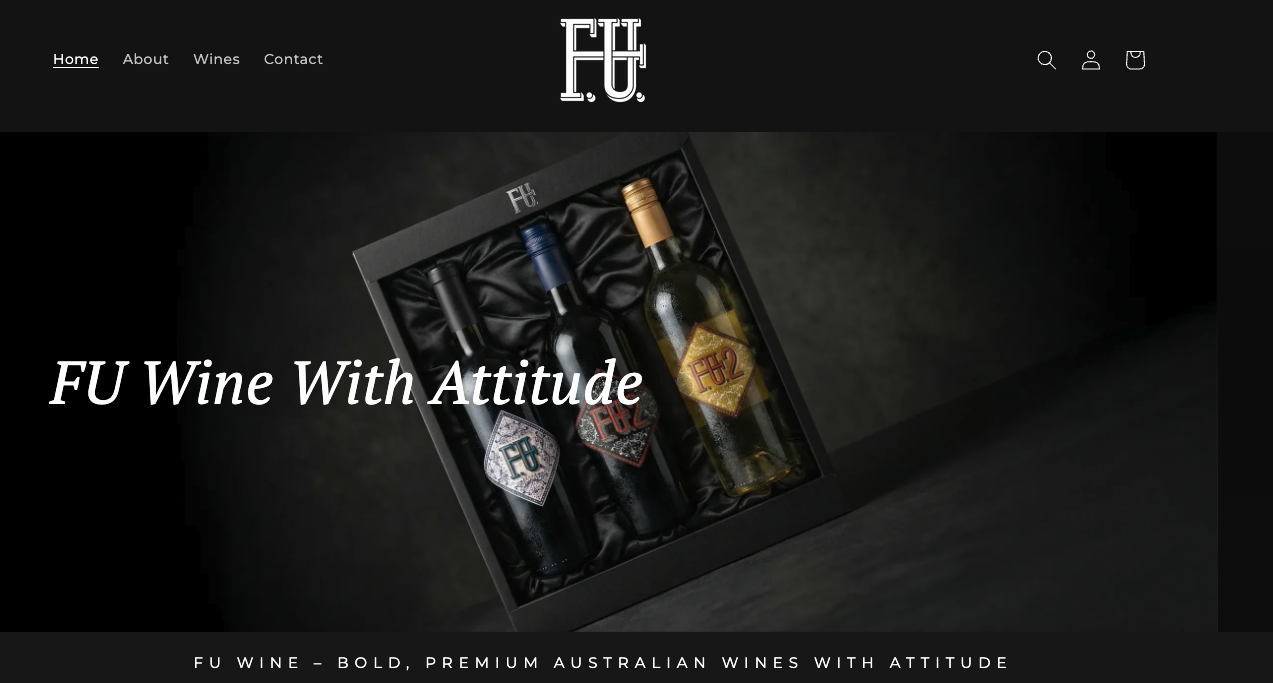
FU Wine exists precisely for this moment. We source premium, rare, and high-scoring wines through direct relationships, cellar clearances, and allocation access, then pass those savings straight to you. No fluff. No mystery markups. No performance of exclusivity. Just genuinely great bottles at prices that make sense. Explore FU Wine’s expert resources to browse current deals, read transparent pricing explainers, and find your next outstanding bottle without paying for someone else’s margin stack. Every bottle here is a small rebellion against the industry’s favourite myths.
Frequently asked questions
Do tariffs or taxes directly determine the price I pay for wine?
No, research shows that distributor and retailer markups can make wine significantly more expensive than the tariff cost alone would suggest, often doubling or tripling the original price impact.
Why do wines that score 90 points cost so much more than ones that score 89?
Prices often jump sharply at rating thresholds like 90 points because of a psychological leap for collectors and buyers. Research confirms that pricing step-changes occur at certain expert score boundaries, even when the actual quality difference is minimal.
Is it better to always buy the most expensive wine to guarantee quality?
No. Non-linear pricing effects mean price is a poor indicator of quality, and many well-researched value wines outperform bottles costing three or four times as much.
How can I avoid overpaying for wine due to markups?
Compare direct-to-consumer deals, hunt in the 87 to 89 point score range, look for under-the-radar producers, and use expert-reviewed guides that make their pricing logic transparent to spot genuine value before you buy.