

Wine investment benefits for collectors and investors
Alternative investments appeal to collectors and investors seeking diversification beyond traditional stocks and bonds. Fine wine offers accessible entry points for premium investment, combining tangible assets with potential financial returns. This article explores the top benefits of wine investment to inform your portfolio decisions, covering diversification advantages, historical performance data, practical investment mechanics, and tax considerations that make fine wine an attractive option for mature investors.
Table of Contents
- Key takeaways
- 1. Portfolio diversification with fine wine
- 2. Strong historical returns and long-term growth
- 3. Understanding investment mechanics and risks
- 4. Tax benefits and accessible entry for collectors over 30
- Explore premium wines for your investment portfolio
- FAQ
Key Takeaways
| Point | Details |
|---|---|
| Diversification benefit | Wine exhibits low correlation with traditional assets, helping to reduce portfolio risk during market turbulence. |
| Historical performance | Historical annualised returns average 8 to 10 percent per year, offering a middle ground between conservative assets and equities. |
| Practical requirements | Investing in wine requires patience, proper storage, and an understanding of market dynamics to manage risk. |
| Accessible platforms | Online platforms and blue chip producers reduce barriers to premium wine investment. |
| Inflation hedge | Wine can help preserve purchasing power when currencies weaken due to finite vintages and tangible value. |
1. Portfolio diversification with fine wine
Understanding correlation between wine and equities helps reduce portfolio risk. Fine wine exhibits low correlation with traditional assets like equities, providing genuine diversification benefits that protect your wealth during market turbulence. When stock markets experience volatility, fine wine typically maintains stable valuations or even appreciates, acting as a portfolio stabiliser.
South African fine wine improves Sharpe ratio in portfolios, demonstrating that wine’s risk-adjusted returns enhance overall portfolio performance. This means you can potentially achieve better returns for the same level of risk, or maintain returns while reducing overall portfolio volatility.
Diverse regional wines enhance your diversification strategy:
- Burgundy offers scarcity-driven appreciation with limited production volumes
- Bordeaux provides established market liquidity and historical performance data
- Champagne delivers consistent demand across economic cycles
- Italian Super Tuscans combine quality with emerging market recognition
Fine wine can serve as an inflation hedge given its stable or appreciating value over time. Physical assets like wine tend to maintain purchasing power when currencies weaken, unlike cash holdings that erode during inflationary periods. The tangible nature of wine, combined with finite supply from specific vintages, creates natural scarcity that supports value preservation.
“Wine investment works best as a satellite holding within a diversified portfolio, providing uncorrelated returns that smooth overall performance during market stress.”
Investors should allocate a small portfolio portion, typically 3-5%, to wine for optimal effect. This allocation provides meaningful diversification benefits without overexposing your wealth to the unique risks of wine investment, including illiquidity and storage requirements. The portfolio diversification advantages become apparent when you balance wine alongside equities, bonds, and property.
Pro Tip: Start with blue-chip producers from established regions like Bordeaux or Burgundy to minimise selection risk while learning market dynamics.
2. Strong historical returns and long-term growth
Historical annualised returns for fine wine investments average 8-10%, outperforming some alternatives like gold but underperforming equities long-term. This positions wine as a compelling middle ground between conservative assets and aggressive growth investments, offering reasonable returns with lower volatility than pure equity exposure.
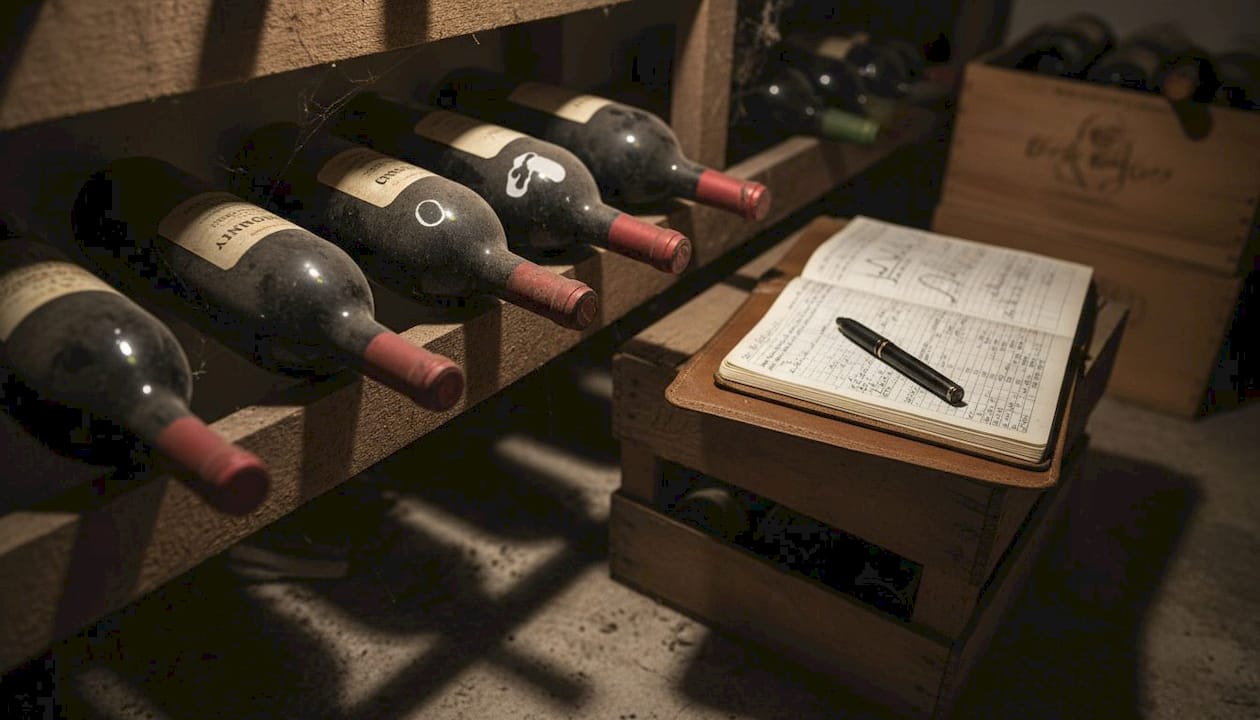
Knight Frank reported 146% total return over 10 years ending 2023, translating to approximately 8.8% annualised growth. These figures demonstrate that fine wine delivers competitive performance against traditional alternatives while maintaining distinct market characteristics that enhance portfolio resilience.
| Asset class | 10-year annualised return | Volatility |
|---|---|---|
| Fine wine | 8.8% | Low to moderate |
| Gold | 4.5% | Moderate |
| Equities | 12.5% | High |
| Property | 7.2% | Low |
Wine outperforms gold and some alternative assets but lags behind equities long term, making it suitable for investors seeking balanced growth rather than maximum returns. The key advantage lies in wine’s behaviour during equity market downturns, when it often maintains value or appreciates while stocks decline.
Longer holding periods significantly improve return prospects. Wines held for 10-15+ years typically deliver superior performance compared to shorter holding periods of 3-5 years. This reflects the time required for wines to mature, develop secondary market recognition, and benefit from vintage scarcity as bottles are consumed over time.
Returns vary by wine region and producer, with Burgundy showing exceptional growth due to limited production and global demand. Domaine de la Romanée-Conti, for example, has delivered returns exceeding 15% annually over extended periods, though such performance requires significant capital and expertise to access.
Market cyclicality means timing and patience matter. Wine markets experience periods of rapid appreciation followed by consolidation, influenced by economic conditions, collector preferences, and critical scores. Understanding these cycles helps you buy during quieter periods and hold through appreciation phases.
The premium wine growth trends show consistent appreciation for top producers across multiple decades, providing confidence in wine’s long-term investment potential.
Pro Tip: Focus on blue-chip wines with proven track records and diversify regions to maximise returns while managing vintage-specific risks.
3. Understanding investment mechanics and risks
Investment mechanics involve buying blue-chip wines, storing in bonded warehouses, holding 5-15+ years, and selling via auctions or platforms. This process requires careful attention to each step to maximise returns and protect your investment.
Follow this step-by-step process:
- Select blue-chip wines from established producers with consistent critical acclaim
- Purchase complete cases to maintain provenance and maximise resale value
- Arrange bonded storage in temperature-controlled facilities with insurance
- Hold long-term through market cycles to capture appreciation
- Sell strategically via specialist auctions or trading platforms when valuations peak
Storage typically costs 1-2% annually, essential for maintaining provenance and insurance coverage. This ongoing expense reduces net returns but protects your investment from damage, theft, and authentication concerns. Bonded storage also provides tax advantages in certain jurisdictions by deferring import duties until wines are withdrawn for consumption.
Key risks include illiquidity, storage/insurance costs, fraud/provenance issues, and market cycles. Understanding these risks helps you make informed decisions about allocation and management.
Illiquidity means selling can take months. Unlike stocks that trade instantly, wine requires finding buyers through auctions or specialist platforms. This process involves authentication, valuation, and matching with interested collectors, creating timing uncertainty that affects exit planning.
Fraud and provenance are risks mitigated by reputable platforms and bonded storage. Counterfeit wines exist in the market, particularly for highly sought producers. Using established platforms and maintaining unbroken storage records protects against authentication concerns.
| Investment method | Minimum investment | Annual costs | Liquidity | Control |
|---|---|---|---|---|
| Direct ownership | $5,000-$10,000 | 1-2% storage | Low | High |
| Wine funds | $10,000-$50,000 | 2-3% management | Medium | Low |
| Online platforms | $1,000-$5,000 | 1.5-2.5% total | Medium | Medium |
The wine investment platform features demonstrate how modern services simplify the investment process while maintaining quality and provenance standards.
Pro Tip: Avoid en primeur pitfalls by focusing on established vintages with reliable track records rather than speculative future releases.
4. Tax benefits and accessible entry for collectors over 30
Tax benefits include CGT exemption in UK if wine has less than 50 years life expectancy and bonded storage defers duties. These advantages significantly enhance net returns for wine investors who structure their holdings appropriately.
Certain jurisdictions treat fine wine as wasting assets, offering tax advantages to investors. This classification recognises that wine has limited lifespan, eventually becoming undrinkable, which exempts it from capital gains taxation in some regions. Australian investors should consult tax professionals about applicable treatments in their jurisdiction.
Use of bonded warehouses can defer import duties and VAT, digitising compliance and reducing upfront costs. Wines stored in bond remain duty-free until withdrawn, allowing investors to sell without ever paying import taxes if buyers keep wines in bonded storage. This creates significant cost advantages for international wine trading.
Key tax and accessibility benefits include:
- Potential capital gains exemptions in certain jurisdictions
- Duty deferral through bonded warehouse storage
- Lower entry minimums via fractional ownership platforms
- Simplified compliance through platform-managed storage
Platforms enable accessible entry to premium wines with low minimum investments, around $1,000 in some cases. This democratisation of wine investment allows mature collectors over 30 to participate without requiring substantial capital or industry connections.
Investment platforms lower minimums and simplify acquiring premium bottles for those over 30 seeking portfolio diversification. Modern services handle authentication, storage, insurance, and eventual resale, removing traditional barriers that limited wine investment to wealthy collectors with industry expertise.
Ideal allocation for wine as a satellite asset ranges 3-5% of total portfolio. This sizing provides meaningful diversification benefits without overexposure to wine’s unique risks and illiquidity. For a $500,000 portfolio, this translates to $15,000-$25,000 in wine holdings, sufficient to acquire quality cases from multiple producers.
“Wine investment platforms have transformed accessibility, allowing everyday investors to build diversified fine wine portfolios with professional storage and authentication.”
The accessible premium wine options available today make it easier than ever for collectors to enter the market with confidence and appropriate capital allocation.
Pro Tip: Use trusted platforms that handle provenance, storage, and compliance to maximise tax and accessibility benefits while minimising operational complexity.
Explore premium wines for your investment portfolio
Now that you understand wine investment benefits, it’s time to explore quality options that align with your goals. FU Wine offers a curated selection of premium wines suitable for investment and collection, cutting through traditional markups to deliver exceptional value.

Accessible pricing allows you to enter the fine wine market confidently without the inflated costs typical of traditional retailers. We source rare and limited releases directly, passing savings to collectors who appreciate quality without pretension. Our commitment to quality and provenance supports your long-term investment goals, whether you’re building a cellar or diversifying your portfolio.
Explore premium wines from established regions and emerging producers. Consider aged releases like our Barossa Valley Cabernet Sauvignon 2010 for immediate appreciation potential, or current vintages such as Barossa Valley Pinot Noir 2024 for long-term holding. Explore varied regional wines and vintages to diversify your holdings across different terroirs and styles.
FAQ
Is investing in fine wine profitable?
Fine wine can be profitable with patience and expertise, averaging 8-10% annual returns over time. Returns depend on wine selection, holding period, and market conditions, with blue-chip producers from Bordeaux and Burgundy showing the most consistent appreciation. Longer holding periods of 10-15+ years typically deliver superior results compared to shorter timeframes.
What are the main risks of wine investment?
Illiquidity means it can take months to sell fine wine increments, requiring patient exit planning. Storage and insurance fees reduce net returns annually by 1-2% of wine value. Fraud is a concern but can be minimised through bonded warehouses and trusted platforms that maintain provenance records. Market cycles also affect valuations, making timing important for maximising returns.
How can I start investing in premium wines with limited capital?
Platforms like Vinovest allow entry from around $1,000, making wine investment accessible to collectors with modest capital. Choose platforms that handle storage, provenance, and insurance to simplify the investment process. Consider a diversified portfolio across multiple producers and regions to minimise risks associated with individual vintages or appellations. Starting wine investments with limited capital becomes straightforward when you leverage modern platforms that democratise access to premium bottles.