

Save Up to 40% on Cellar Aged Wine: Wine Futures for Collectors
Here’s the deal on “wine futures” in this guide: we’re talking about discounted, ready-to-ship rare and cellar-aged bottles sold direct to you, not barrel allocations you wait years for. The upside is real access to mature or limited-release wine at prices well below retail. The catch? You only pull the trigger once provenance, storage history and a proper condition report check out.
TL;DR:
- The biggest discounts on cellar-aged bottles come from direct purchases or estate clearances, often bypassing multiple middlemen and retail markups.
- Verified provenance, fill level, capsule, label condition, and storage history are essential factors to confirm before buying aged wine.
- Shipping damage remains a risk despite fast delivery, making climate-controlled freight and proper inspection upon arrival crucial.
- Auction premiums and fees can erode discounts, so calculating the total landed cost, including shipping and import duties, is vital for fair comparison.
- Scarcity, vintage reputation, and documented condition are the primary drivers of price in the secondary aged wine market.
Table of Contents
- How discounted, ready-to-ship cellar-aged bottles reach the market
- What to check before buying a cellar-aged bottle
- What does a discounted bottle actually cost you?
- Can shipping damage an already-aged bottle?
- What does “wine futures” mean in the traditional sense?
- How does buying ready-to-ship discounted wine actually work?
- What are the real advantages and risks here?
- What key terms come up when buying cellar-aged and rare wine?
- Which regions and estates show up most in discounted listings?
- What actually moves the price on these bottles?
- Where FU Wine fits into all of this
- A quick note from Damien on buying cellar-aged bottles
- Sources
How discounted, ready-to-ship cellar-aged bottles reach the market
Deep discounts on serious wine aren’t a magic trick. They come from specific supply routes, and understanding them is how you separate a genuine bargain from a bottle that’s been sitting in someone’s garage since 2019.
Cellar clearances are the big one. A private collector downsizes, a restaurant closes, an estate gets settled, and suddenly a properly stored parcel of mature wine needs a new home fast. Private-collection acquisitions work similarly, buying entire lots rather than single bottles. Then there’s allocation re-sale, where limited-release wine that would normally require insider access gets picked up and passed on. Opportunistic merchant buying rounds it out: distressed inventory, closeouts, and producers wanting cash flow rather than a slow trickle of retail sales.
The pricing mechanics matter just as much as where the wine comes from. A bottle typically passes through a producer, an importer, a distributor and a retailer before it reaches you, and each link in that chain adds its own margin. Buying direct from a winery or cellar door often sidesteps several of those markups entirely, and cellar-door prices can beat standard retail by 20 to 40% on a per-bottle basis. The same logic applies to a direct-to-consumer seller working through cellar clearances: cut out enough middlemen and the discount is structural, not a gimmick.
Auctions run on a different model entirely. You’re not just paying the hammer price. Buyer’s premiums commonly add around 20% on top of whatever you bid, which is worth remembering when you’re comparing an auction “win” against a direct-seller listing that already has the margin baked into one clean price.
What to check before buying a cellar-aged bottle
A mature bottle can’t tell you its life story, but it leaves clues. Reading them properly is the single biggest skill in buying aged wine with confidence.
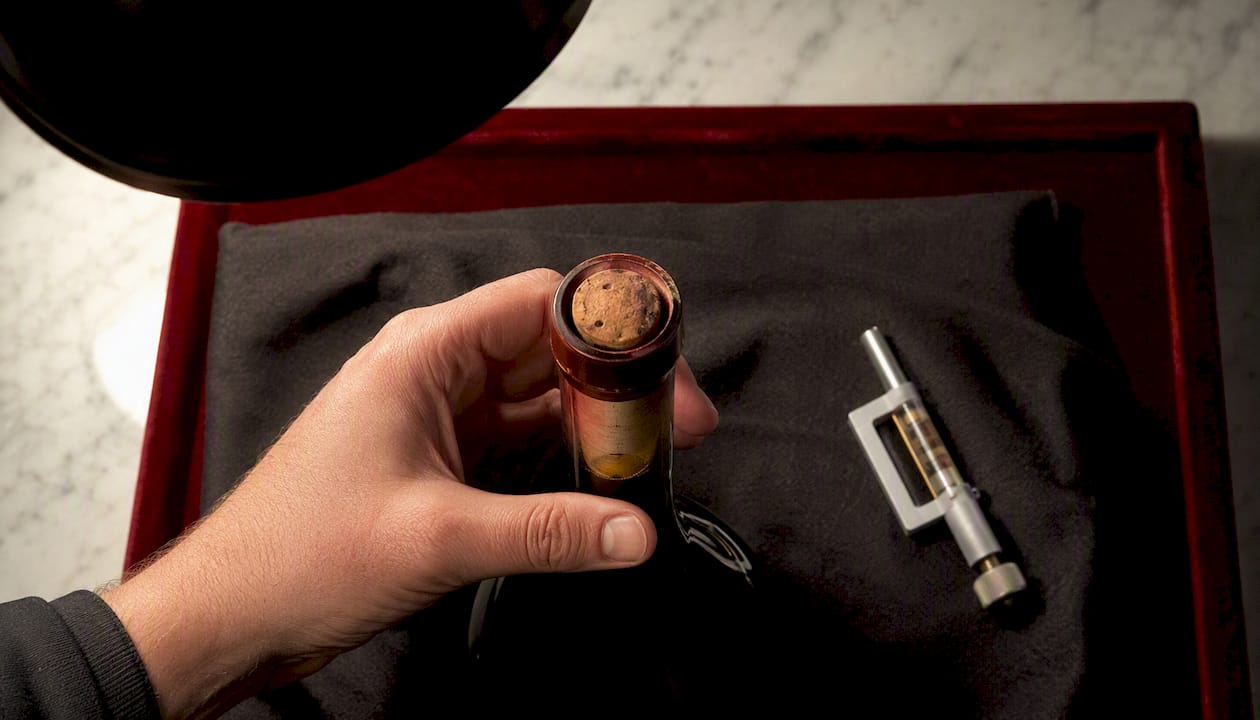
Start with provenance and tasting notes. Good provenance looks like an actual paper trail: purchase invoices, storage logs, and a chain of custody that shows where the bottle has lived since it left the winery. Without that, you’re trusting a label and hoping. Retailers and specialist merchants who sell already-cellared wine are often the most convenient and sometimes the cheapest way to drink mature bottles without ageing them yourself, but that convenience only pays off if someone has actually checked the wine before it’s listed.
Run through this before you buy:
- Fill level — has it dropped to high shoulder or lower? That’s a practical line many professional buyers won’t cross.
- Capsule — any bulging, staining, or a pushed-up look, which often signals a heat event.
- Label — condition, foxing, and whether it matches the vintage and producer claimed.
- Cork — check the position; a cork that’s crept upward has usually been under pressure from heat or age.
- Seepage — any sign of wine having pushed past the cork and dried on the neck or capsule.
Storage history matters just as much as the bottle’s current state. Ideal cellar conditions sit around 13 degrees Celsius with controlled humidity, away from light and vibration. A seller who can document that consistently is telling you something real about the wine’s condition. Seller transparency rounds out the checklist: per-bottle photos, individual inspection notes, and a clear return or claims policy if the bottle arrives compromised.
Pro Tip: If a listing has no fill-level detail, no cork note and no storage claim, treat the silence itself as the red flag. A seller with nothing to hide usually shows you everything.
What does a discounted bottle actually cost you?
The sticker price is never the full story. To judge a discount honestly, add up every cost that lands between the listing and your glass.
That last one catches people out constantly, because an auction “steal” can end up costing more than a direct listing once the premium and shipping are factored in.
Run the numbers like this:
- Bottle price + shipping + insurance = landed cost.
- Add GST or import duties where they apply to your purchase.
- Add any buyer’s premium or commission if bought at auction.
- Divide by the number of bottles to get a true cost-per-bottle figure.
Even a wine discounted 40% at the listing stage can lose most of that saving to freight and fees on a single-bottle order. That’s not a reason to avoid direct sellers. It’s a reason to always calculate the landed cost before comparing it against retail. Cross-checking recent auction results and price aggregators before you buy gives you a real market comp, not just a seller’s claimed “was” price. For a deeper look at what actually moves prices, this guide to factors affecting wine prices is worth a read before your next purchase.
Can shipping damage an already-aged bottle?
Yes, and speed alone doesn’t protect you. Fast delivery isn’t automatically safe delivery when it comes to mature wine. A bottle can sit in a hot delivery van or a sun-baked loading dock for a few hours and take real heat damage, even if it reaches your door within a day or two of dispatch.
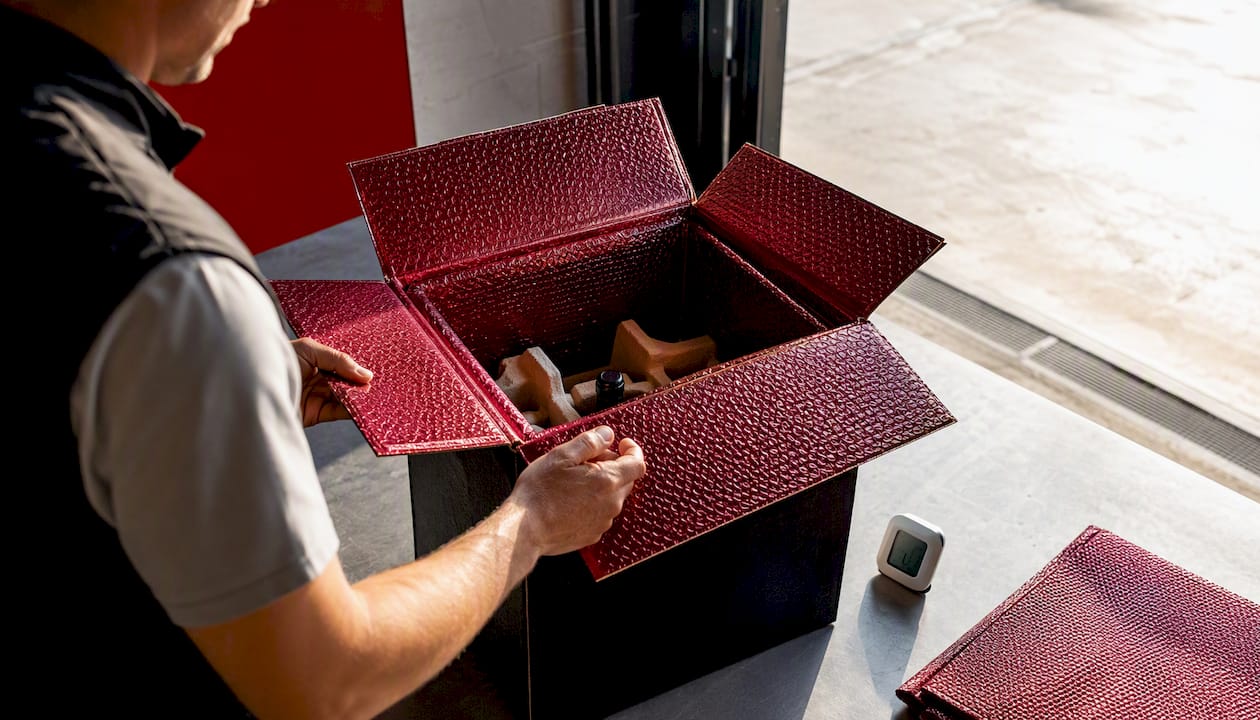
Reputable sellers mitigate this with climate-controlled freight, ship-to-hold arrangements where the wine waits in temperature-managed storage until conditions are safe to send, and seasonal shipping windows that avoid the worst of summer transit heat. Local pickup from a climate-aware facility is another sound option if it’s offered.
When your order arrives, run through this quickly:
- Inspect the outer packaging for signs of crushing, moisture, or heat exposure before opening it.
- Photograph the bottle and packaging immediately, from multiple angles.
- Check the capsule and cork position against the seller’s condition report.
- Note anything unusual and contact the seller the same day, not weeks later.
Pro Tip: Ask the seller directly how they pack aged bottles and whether they track shipment temperature. A seller who can answer specifically, rather than vaguely, is one who’s actually thought about it.
What does “wine futures” mean in the traditional sense?
Outside this guide’s focus on ready-to-ship discounted bottles, “wine futures” is also used in the wine trade to describe en primeur: a practice where buyers commit to purchase a wine while it’s still ageing in barrel, months or years before bottling and release. It began in Bordeaux and remains most closely associated with that region.
The idea behind traditional wine futures is straightforward on paper. A producer needs cash flow before the wine is ready to sell, so they offer it to buyers at a set price ahead of bottling, with delivery happening much later once the wine has been finished and shipped. Buyers are betting that the finished product, once released and rated, will be worth more than what they paid upfront.
It’s a completely different transaction to what this article is built around. You’re not buying a finished, inspectable bottle with a documented storage history. You’re buying a promise, based on early barrel samples and critic scores that can shift before the wine ever reaches a glass. If your priority is a rare or mature bottle you can verify, inspect and drink (or confidently cellar) now, ready-to-ship discounted stock solves that job far more directly than a futures contract on wine that doesn’t exist yet in finished form.
How does buying ready-to-ship discounted wine actually work?
The process is far shorter and more transparent than a traditional futures purchase, which is a big part of the appeal.
It starts with sourcing: a seller identifies a parcel through cellar clearance, private acquisition, or an allocation opportunity. Next comes inspection, where each bottle or lot gets checked for fill level, capsule condition, label integrity and any signs of heat or storage damage. Listings go live with that condition information attached, along with provenance notes and pricing that reflects the discount earned from cutting out the usual retail chain.
From there, it’s a standard purchase timeline. You select the bottle, pay, and the seller arranges climate-aware shipping (or a ship-to-hold option if the weather’s against you). Delivery typically follows within days to a couple of weeks, not the years-long wait of a traditional futures contract. You inspect the bottle on arrival against the seller’s own condition report and raise anything unusual immediately under the return or claims policy.
That short, verifiable loop, buy, inspect, drink or hold, is the whole advantage over waiting years for an allocation to arrive in unknown condition. Buyers get the collectible or rare-bottle thrill without the multi-year uncertainty gap.
What are the real advantages and risks here?
The advantages are concrete. You get access to bottles that would otherwise require industry connections or years of patient cellaring, at prices that reflect genuine discounts rather than inflated “was” pricing. You skip the multi-year wait of traditional futures, and you can inspect condition before committing rather than trusting a future promise.
The risks sit almost entirely in verification. A bottle with no documented storage history is a gamble regardless of the discount attached to it. Buyers who treat online wine purchases like an asset transaction, documenting the purchase, photographing condition, and planning proper storage from the day it arrives, tend to avoid the worst outcomes. The other risk is shipping damage that undoes years of careful cellaring in a single hot afternoon in transit, which is why the packing and delivery questions from earlier in this guide matter as much as the bottle’s history.
There’s also a decision-quality risk worth naming: buying wine you don’t actually intend to drink or hold with purpose. Matching the purchase to its real use, whether that’s drink-now, medium-term hold, or gifting, should shape how deep your due diligence goes before you buy.
What key terms come up when buying cellar-aged and rare wine?
Listings for aged and limited-release wine come with their own vocabulary, and knowing it helps you read a condition report properly rather than skimming past the parts that matter most.
Provenance refers to a bottle’s documented ownership and storage history, essentially its paper trail from cellar to your door. Fill level describes how much wine remains in the bottle relative to the cork, usually measured against reference points like high shoulder or mid shoulder, with lower fills generally signalling more risk. Ullage is the older trade term for that same air gap, still used by some auction houses and specialist merchants.
A condition report is the seller’s formal write-up covering fill level, capsule, label and cork observations for a specific bottle. Ex-cellar describes wine sold directly from a producer’s or collector’s storage rather than through retail. Buyer’s premium, as covered earlier, is the percentage added on top of an auction hammer price. Cellar clearance refers to a bulk sale triggered by a collection changing hands or being wound down. If any of these terms show up in a listing and you’re unsure what they mean in context, this glossary of collector terminology is a useful reference to keep handy.
Which regions and estates show up most in discounted listings?
Bordeaux and Burgundy dominate the mature and collectible end of the market, simply because they’ve historically produced the wines with the strongest track record of ageing well and holding demand decades after release. Barolo and Barbaresco from Piedmont show up regularly too, prized for the same long-ageing structure. Rioja’s reserva and gran reserva categories are practically built for this kind of purchase, since producers age them for years before release anyway.
Champagne appears more than most people expect, particularly prestige cuvées and older disgorgement dates, where storage history genuinely determines whether the wine is still vibrant or past its best. Closer to home, rare Australian bottles from established regions add another layer of scarcity-driven demand, especially older vintages from producers with a strong track record.
What ties these regions together isn’t prestige alone. It’s a history of wines that reward proper storage and punish neglect, which is exactly why the provenance and condition checks matter more here than almost anywhere else in the wine world. A cellar-aged Barolo with a rock-solid paper trail is a genuinely different proposition to the same wine with an unknown past, even at an identical price.
What actually moves the price on these bottles?
Scarcity is the biggest lever. A limited production run, a sought-after vintage, or a producer who’s stopped making a particular wine altogether all push prices up regardless of how the bottle is sourced. Critic scores and vintage reputation matter almost as much. A vintage widely regarded as exceptional carries a premium that a mediocre year from the same producer simply won’t command, and that gap tends to widen as the wine ages and the good vintages prove themselves right.
Condition and provenance swing price too, sometimes dramatically. Two bottles of the identical wine and vintage can sell for meaningfully different amounts if one has documented cold storage and a pristine fill level while the other has an unknown history and a dropped cork. Market demand cycles play a role as well: interest in a specific region or producer can spike after a good review cycle or a producer’s retirement, then settle again.
For discounted, ready-to-ship stock specifically, the supply event itself is often the biggest single price factor. A cellar clearance or distressed-inventory buy lets a seller price well below what the same bottle would fetch at auction or retail, simply because they acquired it below standard market rate. Understanding how wine value gets determined helps you tell a genuine opportunistic discount apart from a bottle that’s merely been marked down because something’s wrong with it.
Where FU Wine fits into all of this
Everything in this checklist, provenance paperwork, condition reporting, temperature-controlled storage, honest shipping, is exactly what we’ve built FU Wine around. We’re not interested in selling you a mystery bottle with a nice label and a vague story. We hunt down cellar clearances, allocation surplus, and opportunistic buys, then back every listing with the kind of detail a serious collector actually wants to see.
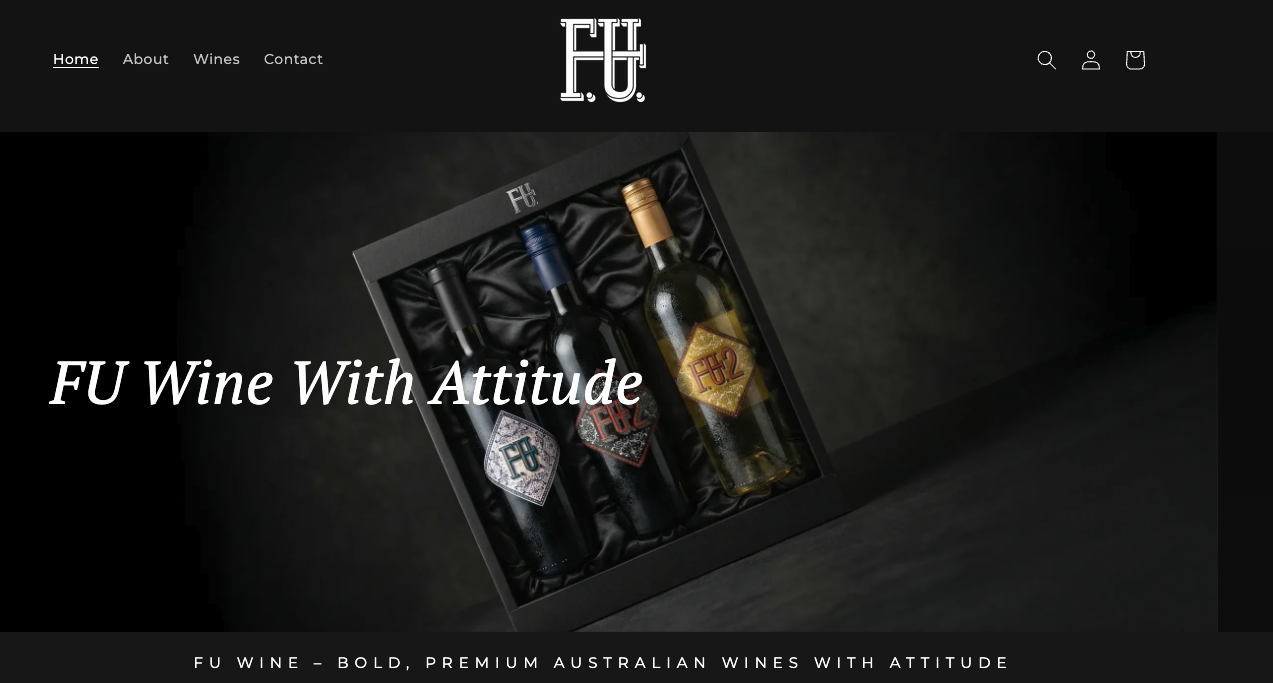
No pretending a wine is special because of who sells it. Just rare, high-quality bottles at prices that make sense.
Run the checklist from this guide against our current wines collection and see how it stacks up. Check the fill levels, read the condition notes, ask us about storage if it’s not already spelled out. Then grab the bottle before someone else does, because the good ones don’t sit around long.
A quick note from Damien on buying cellar-aged bottles
My checklist never changes: provenance first, fill level second, cork position third. If a bottle’s history is fuzzy, I pass, no matter how good the discount looks on paper. A low fill or a bulging capsule isn’t a quirk, it’s the bottle telling you what happened to it in transit or storage.
Buy for a reason, whether that’s drinking this weekend or holding for five years, and let that reason set how hard you dig before paying.
— Damien
Sources
- 8 things to consider when purchasing wine or spirits online | Chubb
- How to (Confidently) Buy Aged Wines | VinePair
- How to buy wine direct from winery | Wine Travel Guides