

Wine consumption by country: 2026 global guide
TL;DR:
- Portugal leads the world in per capita wine consumption, reflecting its deep cultural integration of wine.
- The United States dominates the total volume of wine consumed globally, despite declining consumption trends.
Wine consumption by country is measured in two distinct ways: per capita litres consumed per person annually, and total volume in millions of hectolitres. Portugal leads the world in per capita consumption, while the United States dominates by total volume. These two metrics tell very different stories about wine culture, market size, and drinking habits. Understanding both is the only way to get a true picture of how the world drinks. The Organisation Internationale de la Vigne et du Vin (OIV) is the primary body tracking this data, and their 2025 estimates paint a fascinating, sometimes surprising portrait of global wine culture.
1. Which countries drink the most wine per capita?
Per capita consumption is the most honest measure of wine culture. It strips away population size and asks a simple question: how much does the average person actually drink?

Portugal sits at the top of the per capita rankings, and it’s no accident. Wine is woven into daily Portuguese life in a way that few other countries can match. A glass at lunch, another with dinner, a bottle shared between friends on a Tuesday. France and Italy follow closely, with Switzerland and Austria rounding out the top five. In each of these countries, wine is not a special occasion drink. It’s a staple, like bread or olive oil.
Cultural tradition is the dominant driver here. In France and Italy, wine has been part of the table for centuries. Affordability reinforces that habit. Local production keeps prices low, which means wine stays accessible to everyday drinkers rather than becoming a luxury reserved for weekends. Switzerland is an interesting outlier because it’s one of the most expensive countries in the world, yet per capita consumption remains high. That reflects genuine cultural preference rather than price-driven behaviour.
Pro Tip: Per capita rankings are the best indicator of how deeply wine is embedded in a country’s food culture. If you want to understand where wine truly lives, look at per capita data first, not total volume.
2. Top countries by total wine volume consumed
Total volume rankings are dominated by population size and market maturity. The United States consumed 31.9 million hectolitres in 2025, making it the world’s largest wine market by volume despite a 4.3% year-on-year decline. That decline is significant. It signals structural change in the world’s biggest market, not just a bad year.
France ranked second at 22.0 million hectolitres, with Italy third at 20.2 million hectolitres. Germany and the United Kingdom round out the top five. These five countries collectively account for a substantial share of all wine consumed globally. The concentration of demand in these mature markets sustains their dominance even as overall consumption falls.
What makes the US number so striking is the gap between volume and per capita. Americans drink a lot of wine in total, but spread across 340 million people, the per capita figure looks far more modest than Portugal’s or France’s. Large population plus established retail infrastructure equals massive total volume. That’s the formula. It doesn’t necessarily mean Americans are passionate wine drinkers in the cultural sense. It means the market is big and well-supplied.
3. How global wine consumption trends have shifted since 2018
The headline number is stark. Global wine consumption in 2025 is estimated at 208 million hectolitres, down 2.7% from 2024 and representing roughly a 14% decline from 2018. That’s not a blip. That’s a structural shift.
Nine of the world’s top 10 wine markets recorded lower consumption volumes in 2025. The drivers are well-documented: younger generations are drinking less alcohol overall, economic pressures have made consumers more price-sensitive, and the post-pandemic normalisation of social behaviour has reduced some of the at-home drinking that spiked during lockdowns.
| Market | 2025 trend | Key driver |
|---|---|---|
| USA | Down 4.3% | Price sensitivity, demographic shift |
| France | Declining | Younger consumers drinking less |
| Italy | Declining | Structural market maturity |
| Portugal | Up 5.6% | Cultural resilience, record growth |
| Brazil | Up significantly | Emerging market expansion |
Portugal is the standout exception. Portugal’s consumption rose to a record 5.6 million hectolitres in 2025, up 5.6% from the previous year. That kind of growth, against a backdrop of near-universal decline, tells you something important about the depth of wine culture there.
Pro Tip: When reading global consumption data, always check whether a market is growing or declining before drawing conclusions about wine culture. A country can rank in the top 10 by volume while its drinking habits are actually contracting fast.
4. Per capita versus total volume: why the difference matters
These two metrics measure fundamentally different things, and confusing them leads to bad conclusions. Per capita consumption reflects cultural habits far more accurately than total volume. Total volume reflects market size.
Portugal is ninth in the world by total volume but first by per capita. The USA is first by total volume but nowhere near the top per capita. That gap tells you everything. Portugal has a small population with a deep, daily relationship with wine. The USA has a massive population where wine is one of many beverage choices competing for wallet share.
Here’s a side-by-side comparison of how the metrics diverge across key markets:
| Country | Per capita rank | Total volume rank |
|---|---|---|
| Portugal | 1st | 9th |
| France | 2nd | 2nd |
| Italy | 3rd | 3rd |
| Switzerland | 4th | Outside top 10 |
| USA | Outside top 5 | 1st |
| Germany | Outside top 5 | 4th |
| China | Outside top 5 | Top 10 |
For wine lovers exploring world wine cultures, per capita data is the more useful lens. It tells you where wine is genuinely part of life rather than simply a large-market commodity. For market analysts and producers, total volume is what drives commercial decisions. Both matter. Neither tells the whole story alone. Understanding wine distribution dynamics in large markets helps explain why volume rankings look the way they do.
5. Emerging markets reshaping global wine demand
Not every story in global wine consumption is one of decline. Brazil is the most dramatic example of growth. Brazil’s recorded wine consumption increased 41.9% in 2025 according to OIV data, though national retail figures suggest the actual rise was more moderate. The OIV uses a balance-style accounting method (production plus imports minus exports) which can amplify apparent consumption shifts when trade flows change. The real growth is genuine, but the exact figure deserves some scepticism.
Japan is another market showing steady growth, driven by an ageing population with disposable income and a strong cultural affinity for quality food and drink. These two markets represent the clearest evidence that emerging markets can reshape global demand dynamics in ways that offset declines in mature Western markets.
China is a more complex case. It was one of the fastest-growing wine markets in the world through the 2010s, but consumption has softened in recent years due to economic headwinds and shifting preferences toward domestic spirits like baijiu. The China story is a reminder that emerging market growth is not linear. Understanding premium wine trends helps explain why some emerging markets gravitate toward high-end imports while others pull back.
6. External factors driving consumption differences across countries
Wine consumption does not exist in a vacuum. Climate change and geopolitical factors impact production and trade flows, which in turn influence what’s available to drink and at what price. Vineyard area reductions in key producing regions create supply constraints that ripple through to retail shelves and consumer behaviour.
Trade tariffs are a live issue in 2026. When tariffs increase the cost of imported wine, consumers in affected markets either pay more, trade down to domestic alternatives, or drink less. The OIV has flagged tariffs as a significant headwind for global wine trade, and that pressure feeds directly into consumption numbers. Price sensitivity is already high in mature markets. Add tariff-driven price increases and you accelerate the decline.
Health trends are reshaping demand patterns too, particularly in English-speaking markets. The low-alcohol and no-alcohol wine category is growing fast in Australia, the UK, and the US. This doesn’t always show up as a reduction in wine consumption per se, but it does change the nature of what people are buying. Younger consumers in these markets are not abandoning wine entirely. They’re redefining what wine means to them, and the industry is adapting.
Key takeaways
Wine consumption by country is best understood through both per capita and total volume data together, because neither metric alone captures the full picture of culture, market size, and trend direction.
| Point | Details |
|---|---|
| Portugal leads per capita | Portugal ranks first globally in per capita consumption, reflecting deep daily wine culture. |
| USA dominates total volume | The US consumed 31.9 million hectolitres in 2025, the largest market by volume. |
| Global consumption is declining | Total global consumption fell to 208 million hectolitres in 2025, down 14% since 2018. |
| Brazil and Japan are growing | These emerging markets are offsetting declines in mature Western wine markets. |
| Metrics tell different stories | Per capita reflects culture; total volume reflects market size and population. |
Wine data is more interesting than the headlines suggest
There’s a tendency to read the global decline numbers and conclude that wine is dying. I don’t buy that. What’s actually happening is more nuanced, and honestly more interesting.
The markets that are shrinking are mostly the ones where wine was never truly embedded in daily culture. The US, the UK, Germany. These are markets where wine competed with beer, spirits, and now a growing range of non-alcoholic options. When economic pressure hits or a generation decides to drink differently, wine loses ground. That’s not a crisis for wine culture. That’s a market correction.
The markets that are holding or growing, Portugal, France, Italy at the cultural core, Brazil and Japan at the emerging edge, tell a different story. Where wine is genuinely part of how people eat and live, it proves remarkably resilient. Portugal posting record consumption in 2025 while nine of the top ten markets declined is not a coincidence. It’s a data point about what real wine culture looks like.
My honest take for wine lovers: stop reading total volume rankings as a measure of passion. Look at per capita. Look at whether a market is growing or contracting. And pay attention to the outliers, because that’s where the most interesting things are happening. The wine scarcity dynamics in high-demand markets are worth watching closely in 2026.
— Damien
Explore wines from the world’s great wine cultures
You’ve just read about the countries that drink the most wine and why. Now comes the fun part.
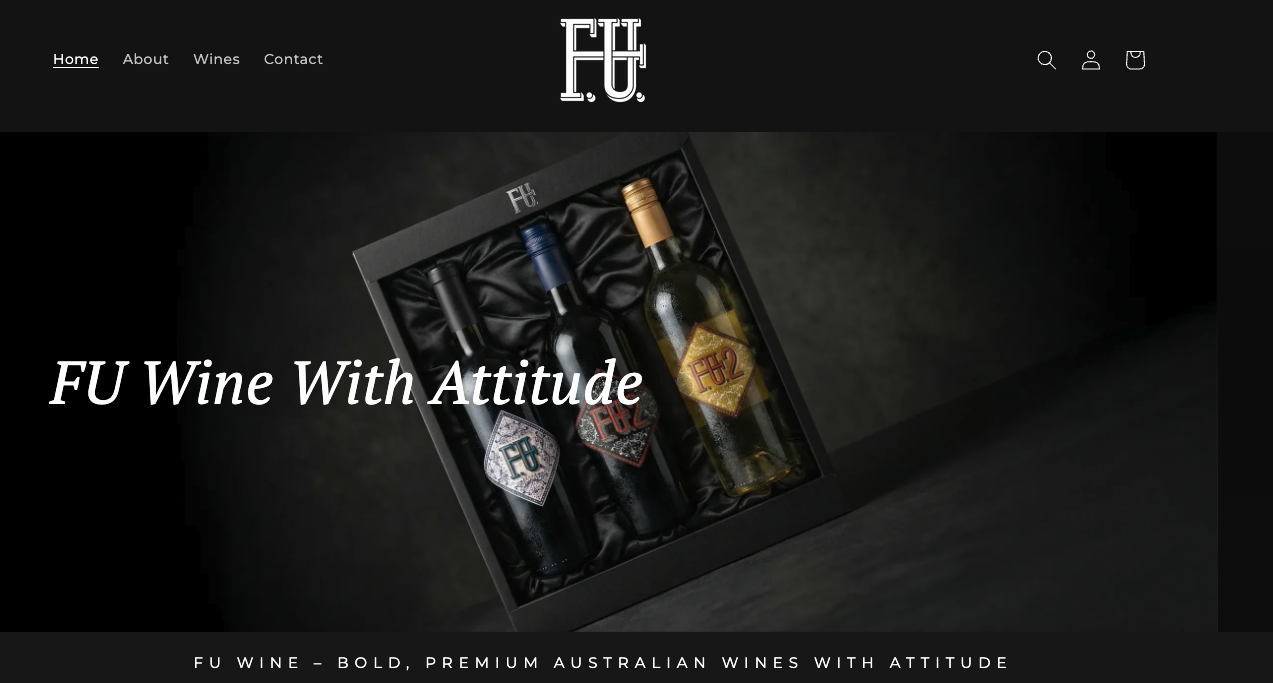
FU Wine sources premium bottles from the world’s leading wine cultures, including the regions that top both per capita and total volume rankings. Think bold French reds, structured Italian classics, and standout bottles from emerging markets, all at prices that don’t require a second mortgage. FU Wine cuts out the middlemen and the markups so you can explore the world’s best wines without paying the inflated retail price that usually comes with them. Life’s too short for ordinary wine. Browse the collection and find your next favourite bottle.
FAQ
Which country drinks the most wine per capita?
Portugal leads the world in per capita wine consumption, with consumption rising to a record 5.6 million hectolitres in 2025. This reflects wine’s deep role in daily Portuguese food culture.
Which country consumes the most wine by total volume?
The United States is the largest wine-consuming country by total volume, recording 31.9 million hectolitres in 2025 despite a 4.3% year-on-year decline.
Is global wine consumption increasing or decreasing?
Global wine consumption is declining. The OIV estimates total consumption at 208 million hectolitres in 2025, down approximately 14% from 2018 levels, driven by demographic shifts and price sensitivity.
Why does per capita consumption differ so much from total volume rankings?
Per capita consumption reflects how deeply wine is embedded in a country’s culture, while total volume is driven by population size and market infrastructure. Portugal ranks first per capita but ninth by total volume; the USA is the reverse.
Which emerging markets are growing their wine consumption?
Brazil and Japan are the clearest growth stories in global wine consumption trends. Brazil’s OIV-recorded consumption rose sharply in 2025, while Japan shows steady growth driven by an affluent, quality-focused consumer base.