

Wine clubs vs flash sales: which one suits you?
If you want the short answer: flash sales win on one-off bargains, wine clubs win on steady discovery and allocation access. Your goal decides everything.
Cost minimiser? Flash sales and bulk retail purchases are your lane. Curious about what you’re drinking and why? A well-chosen wine subscription service will teach you more in six months than a decade of random bottle-shop grabs. Collector chasing limited releases or cellar stock? Winery-direct clubs get you first access to allocations, and deal-driven drops like FU Wine put rare bottles in front of you at prices that don’t require a second mortgage.
Choice’s analysis of wine clubs makes the point plainly: the real value of a club is access and education, not guaranteed savings. Australian Consumer Law gives you baseline protections on cancellation and misrepresentation, but it won’t save you from a membership that quietly doubles in price after the intro offer expires. Know what you’re buying before you buy it.
- Save money above all else: flash sales or bulk retail
- Discover new regions and producers: a curated wine club
- Build a cellar with verified provenance: winery-direct clubs or limited deal drops with provenance guarantees
- Occasional treat, no commitment: a single flash-sale purchase, no strings attached
Key takeaways
Wine clubs deliver real value when the ongoing all-in cost is competitive with local retail AND you genuinely want curation, discovery, and allocation access; otherwise, a deal-driven model wins on flexibility and price.
| Point | Details |
|---|---|
| Flash sales suit bargain hunters | One-off purchases with no commitment; best when provenance is verified and the discount is independently confirmed. |
| Clubs suit regular discoverers | Ongoing curation and allocation access justify the cost when the per-bottle price matches your retail benchmark. |
| Ongoing cost is the key number | Always calculate the second-shipment all-in price, including shipping to your postcode, before joining any club. |
| Regional shipping changes everything | Metro and regional buyers face different economics; run the numbers for your actual postcode before committing. |
| FU Wine offers a third way | Rotating deal drops with provenance guarantees and no membership lock-in, for buyers who want premium bottles without the subscription trap. |
Table of Contents
- How wine clubs and flash sales compare at a glance
- What a wine club actually is, and how they work in Australia
- What flash-sale and deal-driven wine models are
- How to compare the true cost: membership fees, shipping and the all-in price
- Detailed pros and cons of wine clubs and flash sales
- Which buyer are you? Matching your habits to the right model
- How wineries actually feel about flash sales and clubs
- Ten questions to ask before you join a club or buy from a flash sale
- When clubs outperform flash sales, and when they don’t
- Why we run deal-driven drops and how we protect provenance
- FU Wine: premium drops without the pretension
- Sources
How wine clubs and flash sales compare at a glance
| Dimension | Wine club (winery-run or national subscription) | Flash-sale / deal drop |
|---|---|---|
| Cost structure | Membership fee or per-bottle price, often with intro vs ongoing gap | One-off purchase price plus shipping |
| Convenience / frequency | Regular shipments (monthly, quarterly) — set and forget | Irregular; you act when a drop lands |
| Selection / exclusives | Curated packs, allocation access, member-only releases | Rotating stock; rare bottles possible but not guaranteed |
| Flexibility | Varies widely — some allow skips, some lock you in | High — buy once, walk away |
| Best audience | Regular drinker, curious learner, collector | Bargain hunter, occasional buyer, opportunistic collector |
| Brand / provenance risk | Low — producer relationship is transparent | Moderate — verify provenance independently |
| Pricing transparency | Intro vs ongoing price gap is the main trap | Claimed discount vs true RRP needs checking |
The single biggest trade-off is this: a wine club gives you certainty of supply and curation at the cost of ongoing commitment; for tips on carefully evaluating such memberships, see top invitation-only luxury travel clubs and the best alternative. A flash sale gives you freedom and potential savings at the cost of consistency.
- Clubs suit people who want wine to arrive without thinking about it.
- Flash sales suit people who enjoy the hunt and don’t mind waiting for the right deal.
- Shipping costs in regional Australia can flip the maths on either model — always factor them in.
- Intro pricing on clubs is almost never the price you’ll pay long-term.
- Provenance transparency matters more on flash sales, where the sourcing story is less obvious.
What a wine club actually is, and how they work in Australia
A wine club is a recurring subscription where a producer or third-party service sends you wine on a set schedule, typically monthly or quarterly. Two main models operate in Australia.
Winery-direct clubs are run by the producer themselves. You sign up with a specific winery, receive their releases, and often get first access to limited batches before they hit retail. Think cellar-door relationships, but delivered to your door. These clubs frequently include tasting notes, food pairing suggestions, and invitations to member events.
National subscription services curate wines from multiple producers and ship mixed cases. The curation is the product: a sommelier or buying team selects bottles across regions and styles, often with educational content attached. Choice notes that these clubs can provide access to small-batch or producer-exclusive releases that rarely appear in standard bottle shops, but the total cost including delivery is what determines real value.
Before you join any club in Australia, check every one of these:
- Cancellation method: can you cancel online, or do you have to phone? Phone-only cancellation is a red flag.
- Intro vs ongoing price: what does the second shipment actually cost? This is the number that matters.
- Shipping zones and charges: metro delivery is usually flat-rate; regional and remote areas often attract surcharges or are excluded entirely.
- Minimum commitment: some clubs require two or three shipments before you can cancel.
- Returns and refunds policy: what happens if a bottle arrives damaged or you genuinely dislike a wine?
State-based liquor licensing also affects some clubs’ ability to ship to certain postcodes, particularly in Queensland and Western Australia. Check before you commit.
What flash-sale and deal-driven wine models are
Flash sales are limited-time offers on specific bottles or cases, usually at steep discounts, with no recurring commitment. You buy when a deal drops, you get the wine, and the transaction is done. No membership, no next shipment, no calendar reminder to cancel.

The mechanics are deliberately designed to create urgency. A curated drop lands in your inbox or on a site, a countdown timer or limited-allocation notice signals scarcity, and the price is significantly below what you’d pay at retail. Analysis of flash-sale formats shows typical discount ranges of around 30–35% for genuine flash-sale offers, though the sourcing behind those discounts varies: clearance stock, cellar liquidations, private-allocation releases, and distressed inventory all feed these models differently.
FU Wine operates exactly this way in Australia. Rotating, limited-time drops of premium and rare bottles, sourced through direct relationships with producers and cellar clearances, with provenance checks and satisfaction guarantees on every offer. The focus is quality and scarcity, not bulk filler. Every drop is a specific opportunity, not a standing order.
How to read a flash-sale offer:
- What’s the source of the discount? Clearance, allocation, or cellar stock each carries different quality signals.
- Is the claimed RRP independently verifiable? Check auction records or independent retail listings.
- Does the offer include provenance documentation or a satisfaction guarantee?
- What are the shipping terms for your postcode?
Pro Tip: Before buying more than a case from any flash-sale offer, check the vintage against an independent review source (Wine Spectator, James Halliday, or recent auction hammer prices). A deep discount on a well-reviewed vintage from a known producer is a genuine opportunity. A deep discount on an obscure label with no independent trail is a different proposition entirely. Learn more about how wine deals work before you commit to volume.
How to compare the true cost: membership fees, shipping and the all-in price
The number that matters is the ongoing per-bottle cost, all-in. Not the intro price. Not the claimed discount. The actual dollars per bottle once you add membership fees and shipping, calculated on the second or third shipment.
Worked example (AUD):
A national subscription club offers an intro deal of $60 for six bottles including shipping. Sounds reasonable. But the ongoing rate is $120 for six bottles plus $15 shipping to a metro address. That’s $22.50 per bottle all-in.
A flash-sale drop offers a case of 12 bottles at $180 plus $18 shipping to the same metro address. That’s $16.50 per bottle all-in. No membership, no commitment, no second shipment.
Investopedia cautions that many clubs advertise roughly 15–20% discounts on suggested retail price, but shipping and ongoing pricing often reduce the apparent savings considerably.
Costs to check on any club or flash-sale offer:
- Intro price vs ongoing price (the gap is often significant)
- Flat shipping vs regional surcharge for your postcode
- Compulsory add-ons (insurance, packaging fees)
- Returns and restocking costs if you reject a shipment
- Cancellation fees or minimum-shipment requirements
Cuvée’s pricing analysis found that most clubs’ ongoing per-bottle costs sit in mid-range retail territory, which means the primary value is discovery and access to wines you can’t otherwise buy, not systematic price savings. That’s a legitimate value proposition, but only if discovery is what you’re actually after.
Pro Tip: Set a calendar reminder for two weeks before your second club shipment is due. That’s your window to cancel, skip, or renegotiate. Introductory offers are acquisition tactics; the ongoing rate is the real product. Knowing your strategies for unlocking wine discounts before you sign up puts you in control.
Detailed pros and cons of wine clubs and flash sales
Wine clubs — the honest list:
Pros:
- Regular discovery of producers and regions you’d never find yourself
- Allocation access to limited releases before they hit retail
- Educational content (tasting notes, food pairings, producer stories) that builds genuine knowledge
- Convenience: wine arrives without you having to think about it
- Member perks: cellar-door events, early access, tasting invitations
Cons:
- Ongoing cost commitment, even when your fridge is already full
- Intro-to-ongoing price jumps that can be steep
- Selection is chosen for you — you may receive styles you don’t enjoy
- Cancellation friction on some services (phone-only, minimum shipments)
- Private-label bottles on some clubs are harder to verify independently — understanding second-label wines helps you spot the difference
Flash sales — the honest list:
Pros:
- No ongoing commitment; buy once and you’re done
- Potential for genuine deep discounts on premium stock
- Access to rare or cellar-stock bottles that don’t appear in retail
- Full control over what you buy and when
- Easy to compare against independent price benchmarks before committing
Cons:
- Irregular supply; you can’t plan your cellar around it
- Provenance verification is your responsibility
- Scarcity pressure can drive impulse buys on bottles that don’t suit your palate
- Shipping costs on single purchases can erode savings
- Quality is inconsistent across different drop sources
Red flags to watch for on either model:
- Inflated RRP claims with no independent verification
- Phone-only cancellation or vague cancellation terms
- Large intro-to-ongoing price differential buried in fine print
- No returns or satisfaction guarantee on damaged or corked bottles
- Opaque sourcing with no producer or vintage information
Which buyer are you? Matching your habits to the right model
The regular drinker who values curation: a wine club is your natural home. You want bottles to arrive, you want to learn something from each one, and you’re happy paying a fair ongoing price for that service. A national subscription service or a winery-direct club both work here, depending on whether you prefer variety or depth with one producer.
The occasional buyer who wants cheap bottles: flash sales are the better fit. You don’t want a standing order, you don’t need education, and your primary metric is price-per-bottle. Buy when a deal suits you, skip when it doesn’t.
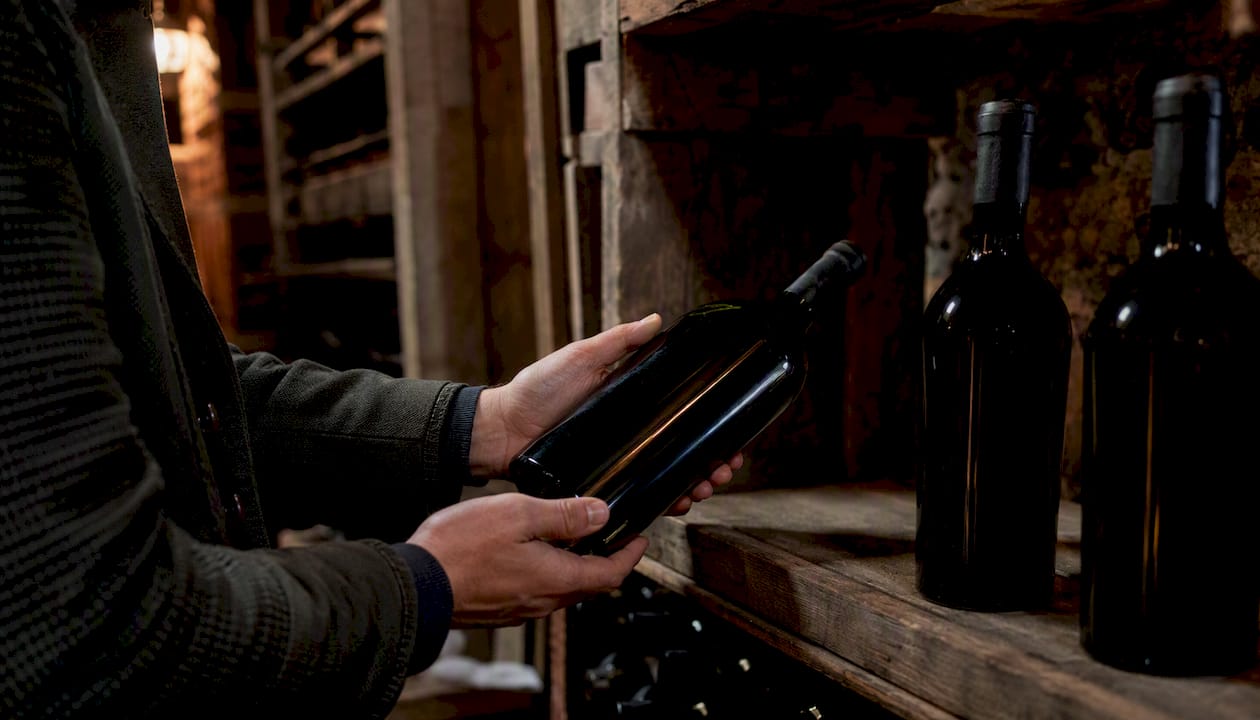
The collector building a cellar: this is where it gets interesting. Winery-direct clubs give you allocation priority, which matters enormously for limited releases. But deal-driven drops with verified provenance, like those at FU Wine, can add rare bottles to your cellar at prices that winery-direct clubs rarely match. Insider access to exclusive wines explains how allocation timing works in practice.
The bargain hunter: flash sales, full stop. But do your homework on provenance before buying volume.
Australia-specific note: if you’re in regional Victoria, rural Queensland, or Tasmania, shipping costs can add $20–$40 per case compared to metro Sydney or Melbourne. That changes the maths on both models. A club with free metro shipping might charge significantly more to your postcode, and a flash-sale deal that looks sharp can lose its edge once freight is added. Cool-climate drops from Tasmania are a good example of where regional sourcing can offset shipping costs if you’re buying locally.
The mixed strategy: plenty of serious wine drinkers use both. A subscription for regular discovery and education, plus occasional flash-sale purchases for cellar additions or special bottles. There’s no rule that says you have to pick one. The key is knowing which model you’re using for which purpose, so you’re not paying club prices for bottles you could have bought cheaper on a deal, or missing allocation access because you only ever buy opportunistically.
How wineries actually feel about flash sales and clubs
Wineries are not neutral on this question. Most producers view their own clubs as relationship channels: the goal is lifetime customer value, not a single transaction. Club members get first access to allocations, invitations to cellar-door events, and the kind of producer relationship that shapes long-term loyalty. From a winery’s perspective, a club member is worth far more than a one-time buyer.
Flash sales are a different calculation. Industry reporting from Wine Business Analytics shows that wineries view flash sales with mixed feelings: they can reach new, price-sensitive customers and clear inventory, but risk devaluing the brand if deep discounts become the public’s price expectation.
That brand-erosion risk is why many premium producers use flash sales selectively, if at all. When you do see a high-quality bottle on a deal-driven platform, it’s often because the producer has surplus stock, a specific vintage they want to move, or a deliberate acquisition strategy to reach new buyers. None of those scenarios mean the wine is inferior. They mean the producer made a commercial decision.
For collectors, the practical implication is clear: allocation access flows through clubs first. If a winery produces 200 cases of a single-vineyard Shiraz, club members typically get first offer. What’s left, if anything, goes to retail or deal channels. How to access limited wines walks through the allocation process in detail.
Ten questions to ask before you join a club or buy from a flash sale
- What is the ongoing per-bottle cost including shipping — not the intro price?
- How do I cancel, and can I do it online without calling anyone?
- Is there a minimum number of shipments before I can cancel?
- Are the wines independently verifiable (vintage, producer, independent reviews)?
- What is the returns and refund policy for damaged or corked bottles?
- Does the service ship to my postcode, and at what cost?
- Is the claimed RRP independently verifiable, or is it the seller’s own figure?
- For flash sales: what is the source of the stock (clearance, allocation, cellar liquidation)?
- For clubs: does the selection include private-label bottles, and how are they disclosed?
- Is there a satisfaction guarantee, and what does it actually cover?
Red flags that should make you pause:
- No online cancellation option
- Intro price more than 40% below the stated ongoing rate
- RRP claims with no independent retail reference
- No provenance information on rare or cellar-stock bottles
- Vague or absent returns policy
One-minute price check: before committing to any club or flash-sale purchase, search the wine’s name and vintage on an independent retail site or auction platform. If the claimed RRP is consistent with what independent retailers charge, the discount is real. If the “RRP” is higher than anything you can find elsewhere, treat it as a marketing figure, not a genuine benchmark. This single check, done in sixty seconds, will save you from most pricing traps.
When clubs outperform flash sales, and when they don’t
The answer depends on two variables: your ongoing all-in cost versus your retail benchmark, and whether discovery genuinely matters to you.
Metro scenario: a Sydney-based buyer joins a national subscription service at an ongoing rate of $19 per bottle including flat-rate metro shipping. Their local bottle shop sells comparable wines at $22–$28. The club is competitive on price and adds curation value. This is a case where the club wins on both dimensions.
Regional scenario: the same club charges $28 per bottle to a regional Queensland address once the freight surcharge is added. The local bottle shop sells comparable wines at $24. The club now costs more and offers no price advantage. The only remaining argument for the club is discovery, and that’s a personal call.
Choice’s analysis reinforces this: clubs provide genuine value for people who prioritise expert curation and regular discovery. If your only goal is lowest cost-per-glass, volume purchases from large retailers are usually cheaper. Cuvée’s research confirms that most clubs’ ongoing per-bottle costs align with mid-range retail, meaning the value proposition is discovery and access, not systematic savings.
The decision rule: choose a club if your ongoing all-in cost (including shipping to your postcode) is at or below your local retail benchmark AND you genuinely value the curation and discovery. If the ongoing cost exceeds your retail benchmark, or if you only want the cheapest bottle possible, a deal-driven model or bulk retail purchase will serve you better. Value wine regions for Australian drinkers can help you identify where the best price-to-quality ratios sit in the first place.
Bullet summary of when each model wins:
- Club wins: ongoing cost is competitive, you value discovery, you want allocation access
- Flash sale wins: you want a specific bottle at a sharp price, no commitment, full flexibility
- Neither wins outright: regional shipping costs make both models expensive; bulk retail or local cellar-door purchase may be the better option
- Mixed model wins: use a club for discovery and a deal platform for cellar additions
Why we run deal-driven drops and how we protect provenance
FU Wine exists because premium wine has been gatekept for too long. The model is simple: source rare, high-quality bottles through direct producer relationships, cellar clearances, and allocation releases, then offer them at prices that don’t require a wine industry salary to justify.
Every drop goes through provenance verification before it’s offered. That means checking the wine’s sourcing trail, confirming storage conditions where possible, and standing behind the bottle with a satisfaction guarantee. The wines FU Wine offers are not clearance filler or mystery stock. They are specific, desirable bottles with a clear story, offered for a limited time at a price that reflects opportunistic sourcing rather than inflated retail margins.
The deal-driven model also means you’re never locked in. No membership, no minimum commitment, no phone call required to stop buying. Every transaction is a choice, not a subscription trap.
FU Wine: premium drops without the pretension
FU Wine is the alternative to paying full retail for wines that deserve to be drunk, not just admired on a shelf. Every drop is a rotating, limited-time offer on premium, rare, or cellar-stock bottles sourced through direct producer relationships and opportunistic buying. Provenance checks and satisfaction guarantees come standard.
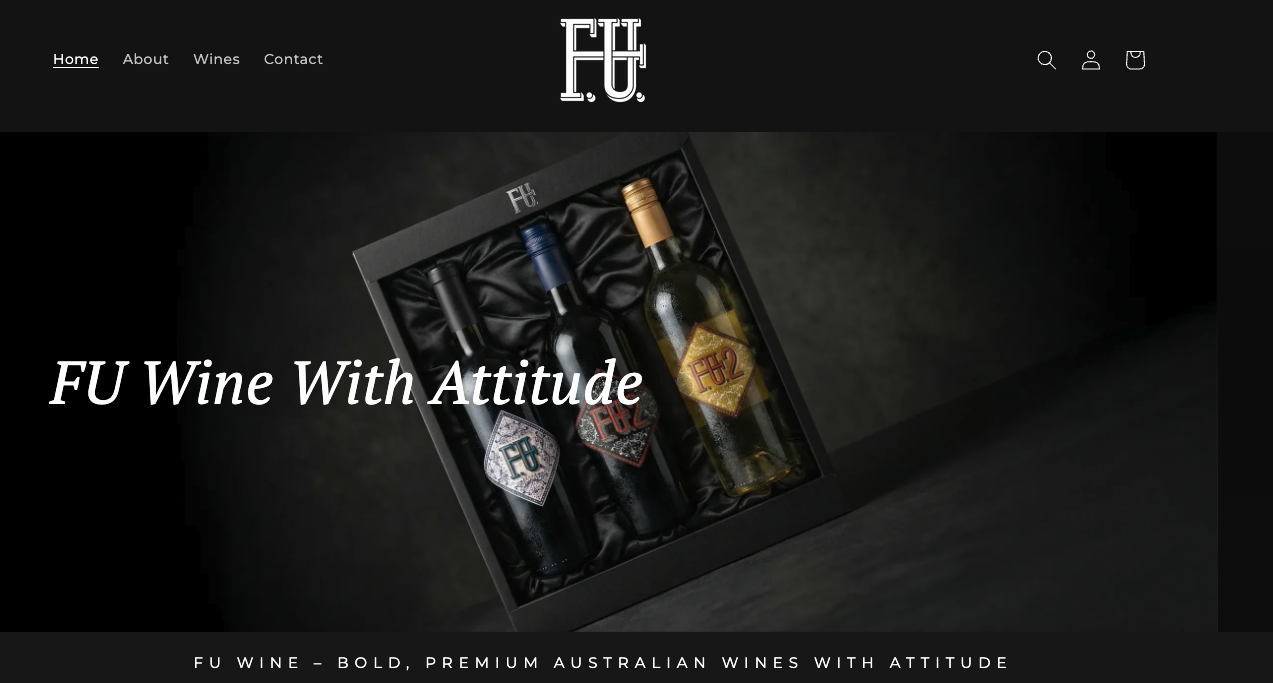
What you get with FU Wine: deep one-off discounts on bottles that would cost significantly more through traditional retail, curated selection focused on quality and scarcity, clear provenance on every offer, and occasional allocation-only drops that don’t appear anywhere else. Delivery covers metro and most regional Australian addresses, with shipping terms disclosed upfront on every offer.
No membership fee. No second shipment you didn’t ask for. Just good wine at a price that makes sense. Browse the current drops at FU Wine and see what’s available now.
Sources
- Are wine clubs worth it? We pore over the pros and cons | Choice
- Are wine clubs worth it? | Investopedia
- Wines & Vines - How wineries view flash sales
- Are Wine Clubs Worth It? We Did the Math | Cuvée
Note: membership terms, shipping zones, and state-based liquor licensing rules vary across Australia. Always verify current terms directly with the club or retailer before committing.