

Why corporate buyers choose premium wine in 2026
TL;DR:
- Premium wine is a valuable business asset that fosters stronger client relationships and cost-effective retention. Executives prefer culturally rich, authentic wines like grower Champagnes and boutique labels, which communicate sophistication and care. Wine experiences promote genuine connection and emotional loyalty, making them a smarter choice than passive gifts or traditional entertainment.
Premium wine is a strategic business asset, not a luxury indulgence. Corporate buyers who understand this are winning client relationships that generic gifts and passive entertainment simply cannot build. The reason why corporate buyers choose premium wine comes down to one hard truth: retaining a client costs five to twenty-five times less than acquiring a new one, and a well-chosen bottle does more relationship work than a branded pen ever will. In 2026, executive preferences have shifted toward understated sophistication, with labels like Vega Sicilia, Sassicaia, and grower Champagnes replacing the flashy status symbols of a decade ago. The smart money is on wine that tells a story.
Why corporate buyers choose premium wine over other gifts
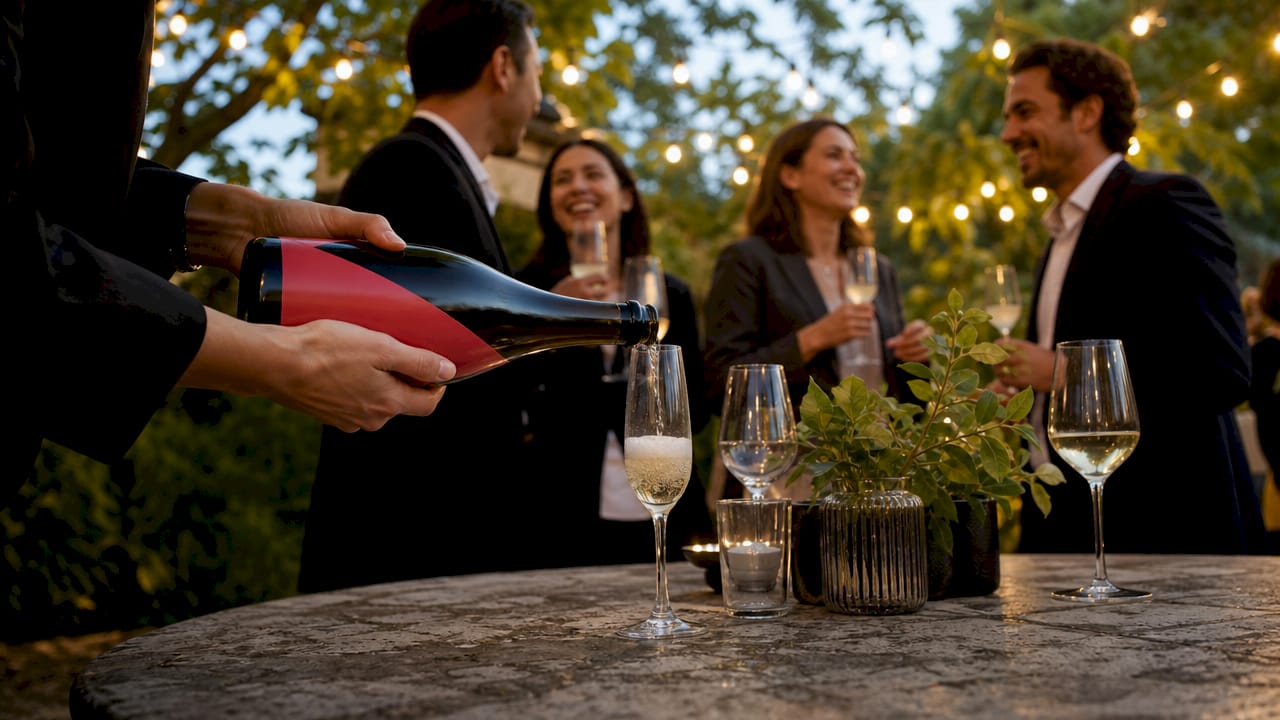
The business case for premium wine is grounded in retention economics and emotional psychology. When you invest in a wine tasting or a carefully selected bottle, you are not spending on a gift. You are investing in a memory.
Acquiring new clients costs five to twenty-five times more than keeping existing ones. That single statistic reframes every conversation about corporate entertainment budgets. A premium wine experience is not an expense line. It is a retention strategy with a measurable return.
The benefits of premium wine for businesses go well beyond the glass. Consider what a wine tasting delivers that a golf day or a product presentation cannot:
- A shared sensory experience that creates genuine conversation without an agenda
- A memory anchor that associates your brand with pleasure, discovery, and refinement
- An inclusive format that works for clients regardless of their fitness, technical knowledge, or cultural background
- A natural pacing that slows the interaction and allows real connection to form
High-quality premium gifts trigger stronger emotional reactions and are remembered far longer than generic corporate presents. That emotional residue is what drives referrals, repeat business, and the kind of loyalty that no discount can manufacture.
Pro Tip: When selecting wine for a client event, choose a bottle with a compelling provenance story. The narrative gives your guests something to talk about, and that conversation becomes associated with you.
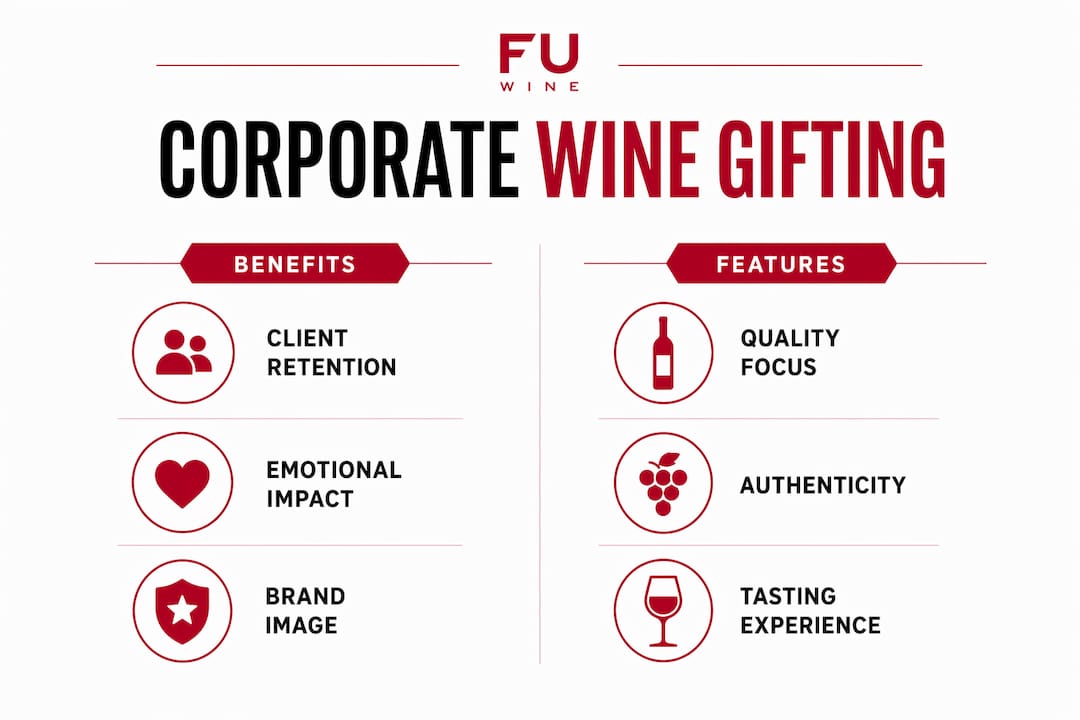
How have corporate wine preferences evolved in 2026?
The shift in executive wine preferences over the past few years is not subtle. The era of dropping a famous Bordeaux château name to signal status is over. Today’s corporate buyer understands that luxury is defined more by memorable stories and exclusive experiences than by the money spent.
In 2026, the wines CEOs are ordering at business dinners reflect a more culturally informed palate. Executives favour grower Champagnes, high-scoring boutique releases, and prestige labels like Vega Sicilia and Sassicaia. These choices signal something specific: that the buyer knows wine, not just wine prices.
The categories gaining traction in corporate settings right now include:
- Grower Champagnes from producers like Egly-Ouriet and Pierre Péters, which signal insider knowledge over brand recognition
- Boutique high-scoring releases from regions like the Barossa Valley, Priorat, and Burgundy that reward curiosity
- Aged Rieslings from the Clare Valley or Mosel, which demonstrate patience and a refined understanding of how wine develops
- Iconic collector wines with genuine scarcity, where limited availability in markets like Australia amplifies their prestige
The importance of quality wine for corporate events now extends to what the choice communicates about the host. Serving a wine that surprises and educates your guests says more about your company’s values than any branded merchandise ever could. It says you pay attention. It says you care about the experience, not just the optics.
Premium wine versus other corporate gifting options
Let’s be direct about what you are comparing when you weigh up premium wine against other corporate gifts or entertainment formats.
| Option | Perceived value | Conversation starter | Inclusive | Memorable |
|---|---|---|---|---|
| Premium wine gift or tasting | High | Yes, naturally | Yes | Very high |
| Branded merchandise | Low to medium | Rarely | Yes | Low |
| Golf day | Medium | Situational | No (skill-based) | Medium |
| Corporate dinner (passive) | Medium | Depends on format | Yes | Medium |
| Concert or sporting event | Medium to high | Situational | Partially | High |
Wine-focused experiences slow down interactions, promote human connection, and create tangible memories that passive events simply cannot match. A golf day excludes non-golfers. A concert puts everyone facing the same direction. A wine tasting puts everyone in a circle, glass in hand, talking to each other. That is the structural advantage of wine as a corporate tool.
Emotionally connected customers buy more, visit more often, care less about price, and recommend the brand. Wine experiences are one of the most reliable ways to build that emotional connection because they engage multiple senses simultaneously and require genuine presence. You cannot scroll your phone while you are swirling a glass and discussing what you smell.
The advantages of luxury wine for brands also extend to private event settings where catered sensory experiences deepen the emotional impact of the interaction. Pairing premium wine with thoughtful food creates a multi-layered memory that a branded tote bag will never replicate.
Pro Tip: Skip the high-production corporate party and redirect that budget into a curated wine tasting for twenty key clients. The intimacy and focus will generate more goodwill per dollar than any large-scale event.
How to find premium wine within a corporate budget
Finding premium wine under a corporate budget is entirely achievable when you understand what actually defines premium. Price is not the primary indicator. Craftsmanship, provenance, scarcity, and story are.
Here is a practical framework for sourcing quality bottles without paying inflated retail markups:
- Define your quality criteria before your price ceiling. A boutique Clare Valley Riesling with a compelling story and a 93-point score delivers more impact than a famous label bought purely for name recognition.
- Prioritise boutique producers over commercial giants. Smaller producers often offer superior quality at lower prices because they lack the marketing budgets that inflate retail costs. Look for authentic, refined selections that reflect genuine craftsmanship.
- Access allocation releases and cellar clearances. Some of the best value in premium wine comes from distressed inventory, cellar door clearances, and allocation releases that never hit mainstream retail. These are the bottles that insiders drink.
- Consider sustainable and ethical sourcing. Corporate buyers increasingly factor environmental credentials into procurement decisions. Wines from certified sustainable producers or biodynamic estates reinforce brand values around responsibility and long-term thinking.
- Work with suppliers who buy opportunistically. The best access to premium wines without excessive markups comes from buyers who have direct relationships with producers and move quickly on limited stock.
The factors influencing corporate wine choices in 2026 are shifting away from label prestige and toward authenticity, story, and provenance. A bottle with a genuine narrative, sourced from a small producer in a respected region, will resonate more with a discerning executive than a famous name bought off a supermarket shelf.
How premium wine enhances business relationships and brand image
Premium wine enhances corporate image in ways that compound over time. Every bottle you send, every tasting you host, and every glass you pour at a client dinner is a data point in how your brand is perceived.
Luxury is increasingly about exclusive stories and access rather than mere price tags. When you gift a client a wine they cannot find at their local bottle shop, you are giving them access. That access signals that you operate at a level above the ordinary.
The practical applications of premium wine for client gifting and brand building include:
- Client retention gifts that arrive with tasting notes and a personal message, turning a bottle into a conversation that extends beyond the delivery
- Deal-closing dinners where the wine selection signals your attention to detail and your respect for the relationship
- Annual gifting programmes that build anticipation and reinforce your brand’s association with quality and discovery
- Corporate event experiences where wine tastings create genuine client discussion and memory anchors that make your business more memorable than any competitor
How premium wine enhances corporate image is ultimately about consistency. One great bottle is a nice gesture. A pattern of thoughtful, quality wine choices tells a story about who you are as a business. It says you invest in relationships, you understand nuance, and you do not cut corners on things that matter.
Key takeaways
Corporate buyers who invest in premium wine build stronger client relationships, generate higher retention returns, and signal a level of cultural sophistication that generic gifts cannot replicate.
| Point | Details |
|---|---|
| Retention over acquisition | Keeping clients costs far less than finding new ones; premium wine experiences deliver measurable retention value. |
| Authenticity beats price | In 2026, executives prefer wines with genuine stories and provenance over famous labels bought for status. |
| Wine outperforms passive events | Tastings create inclusive, conversation-driven environments that build deeper emotional connections than golf days or concerts. |
| Budget-smart sourcing exists | Boutique producers, allocation releases, and opportunistic buying deliver premium quality without inflated retail markups. |
| Consistency builds brand image | A pattern of thoughtful wine choices communicates company values more powerfully than any single branded gift. |
The quiet power of a well-chosen bottle
I have watched corporate buyers spend tens of thousands on elaborate events that clients forget within a fortnight. And I have seen a single, perfectly chosen bottle of aged Clare Valley Riesling turn a transactional relationship into a genuine partnership. The difference is not the budget. It is the intention behind the choice.
The shift I keep observing among executives is a move away from spectacle and toward substance. They are not trying to impress anymore. They are trying to connect. And wine, more than almost any other medium, creates the conditions for that connection. It slows people down. It gives them something to discover together. It removes the performance pressure that comes with skill-based activities or high-production events.
The emotional engagement strategies that actually work in corporate settings are the ones that feel human rather than produced. A curated wine experience, built around bottles with real stories and genuine quality, does exactly that.
My practical advice: stop thinking about wine as a line item in your entertainment budget. Start thinking about it as a relationship investment. Choose wines that reflect your company’s values. Source them from producers whose stories you can tell. And do not overpay for a label when the same quality, or better, is available from a boutique producer at a fraction of the price. The clients who matter will notice the difference.
— Damien
Access premium wine for your corporate programme
You should not have to pay inflated retail prices to impress your best clients. Com sources rare, high-scoring, and boutique premium wines at prices that make the business case easy. Whether you are building a corporate wine gifting programme or stocking up for a series of client events, the selection is built for buyers who know quality matters and refuse to overpay for it.
Explore the full range of premium wines for corporate buyers and find bottles that tell the right story at the right price. No gatekeeping. No inflated markups. Just genuinely great wine, sourced with intent.
FAQ
Why do corporate buyers choose premium wine over other gifts?
Premium wine creates stronger emotional connections and longer-lasting memories than generic corporate gifts. High-quality gifts trigger measurably stronger emotional reactions, which translates directly into client loyalty and referral behaviour.
What types of premium wine do executives prefer in 2026?
Executives favour grower Champagnes, boutique high-scoring releases, aged Rieslings, and prestige labels like Vega Sicilia and Sassicaia. These choices signal cultural knowledge and refined taste rather than simple price-based status.
How can corporate buyers find premium wine within budget?
Sourcing from boutique producers, accessing allocation releases, and working with suppliers who buy opportunistically delivers premium quality without retail markups. Authenticity and provenance matter more than famous labels when it comes to impressing discerning clients.
How does premium wine improve client retention?
Shared wine experiences build emotional connections that drive repeat business, increased spending, and referrals. Given that acquiring a new client costs up to twenty-five times more than retaining one, premium wine events represent a high-return investment in existing relationships.
Is premium wine suitable for all corporate events?
Wine tastings are one of the most inclusive corporate formats available because they require no prior skill or knowledge. Unlike golf days or competitive activities, wine tastings facilitate genuine conversation across diverse groups, making them effective for client appreciation events, deal-closing dinners, and team engagement alike.