

Why bypass wine middlemen: the collector's advantage
TL;DR:
- Bypassing wine middlemen reduces costs, providing access to rare, high-quality bottles at lower prices. It also enhances provenance and quality control while allowing direct access to limited releases and vintage collections. However, buyers must consider shipping, legal restrictions, and potential challenges from distributor policies.
Bypassing wine middlemen is the most direct way to access rare, high-quality bottles at prices the traditional distribution system simply cannot match. The standard wholesale and retail supply chain adds layer upon layer of margin before a bottle reaches your glass. For collectors and enthusiasts who know what they want, those layers represent money spent on logistics and paperwork rather than wine. This article breaks down how the distribution system inflates prices, why direct buying improves quality and access, and how you can start sourcing wine the way insiders do.
Why bypass wine middlemen? The cost the system hides from you
The traditional wine supply chain runs through three distinct tiers: producer, distributor, and retailer. Each tier adds its own margin. Retail markups typically sit at 30–50% above wholesale, while importer margins add another 15–25% on top. That compounding effect means a bottle that leaves a Barossa Valley winery at $20 can easily sit on a Sydney bottle shop shelf at $45 or more.
The three-tier system has a history worth understanding. It was originally designed to prevent tied-house abuses and ensure tax collection after Prohibition in the United States. That context no longer applies in most markets, yet the structure persists. The result is unnecessary price inflation, reduced market diversity, and a system that rewards volume over quality.
There is a structural bias baked into how large wholesalers operate. Pay-for-performance compensation at major distributors causes sales representatives to prioritise mass-market, high-budget brands. Smaller producers with limited marketing budgets simply cannot compete for shelf space or sales rep attention. That structurally hides genuinely excellent but lower-profile wines from the people who would love them most.
Pro Tip: When a wine rep pushes a well-known label hard, ask yourself who is paying for that enthusiasm. Large wholesalers reward reps for moving volume brands, not for finding you the best bottle in the portfolio.
The table below shows how markups compound across a typical distribution chain.
| Distribution stage | Typical margin added | Effect on a $20 ex-winery bottle |
|---|---|---|
| Importer | 15–25% | $23–$25 |
| Wholesaler/distributor | 20–30% | $28–$33 |
| Retailer | 30–50% | $36–$50 |
| Consumer pays | Compounded total | Up to 2.5x original price |
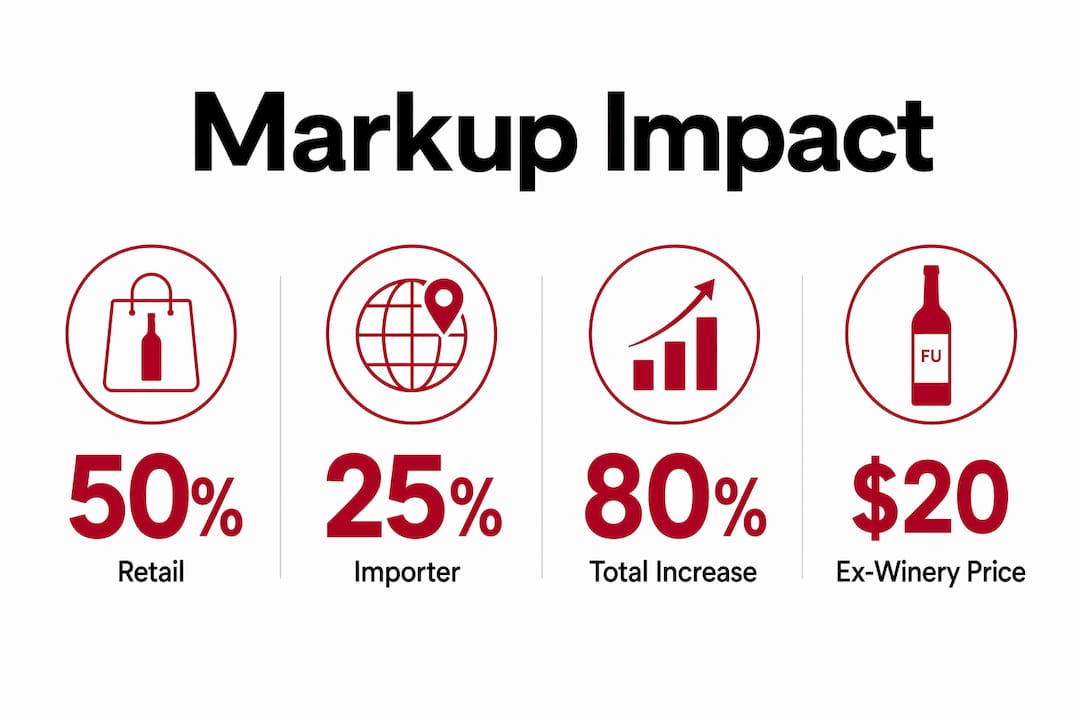
For collectibles, the numbers are even starker. Savings from bypassing wine distributors can reach $30–$80 per bottle on premium and aged wines. That is not a rounding error. That is a case of wine you did not have to pay for.
What quality and provenance advantages come from buying direct?
Price is only part of the story. Direct wine purchasing delivers a quality advantage that no retailer can replicate. Buying directly from wineries reduces the risk of improper storage and preserves wine condition, particularly for aged or delicate bottles. Every additional transit point is another opportunity for temperature abuse, vibration damage, or poor handling.

When you buy direct, you also get certainty of provenance. You know exactly where the bottle has been since it left the cellar. For collectors building a serious cellar, that paper trail matters. A bottle with a clean, direct provenance commands more confidence at auction and more pleasure at the table.
The access advantages are just as compelling. Direct-to-consumer channels give collectors entry to:
- Library releases and back vintages that never reach the wholesale market
- Limited production runs from boutique producers with allocations of a few hundred cases
- Large-format bottles and special packaging unavailable through distributors
- Pre-release offers and futures pricing on upcoming vintages
- Winemaker notes and context that add genuine depth to the drinking experience
Direct-to-consumer sales also give wineries greater brand control and stronger customer relationships. That means producers invest more care in what they send you, because you are their customer directly, not an anonymous case in a warehouse.
Pro Tip: Before placing a large direct order, ask the winery about their storage and dispatch conditions. Reputable producers will tell you the temperature their warehouse runs at and how they pack for transit. If they cannot answer, that tells you something.
How can collectors practically source wine directly?
Sourcing wine directly is more accessible than most collectors realise. The process does require some groundwork, but the payoff in access and savings is real.
-
Verify the winery’s direct sales programme. Most established wineries in regions like the Barossa Valley, Yarra Valley, Margaret River, Napa Valley, and Burgundy operate direct mailing lists or online shops. Check the winery website for a cellar door sales or wine club section.
-
Understand the shipping rules for your state or country. 47 out of 50 U.S. states allow some form of direct-to-consumer wine shipping, though volume caps and licensing requirements vary. Australian interstate shipping rules differ by state. Know your limits before you order.
-
Bundle your orders into cases. Buying in 6 or 12-bottle cases drastically reduces per-bottle shipping costs because administrative and transport overheads spread across more units. Volume bundling is the single most effective way to keep your shipping-to-liquid cost ratio in check.
-
Ask about preferred freight partners. Wineries that ship regularly often have relationships with specialist freight companies. Using their preferred freight partners avoids costly customs clearance surprises and ensures proper temperature-controlled handling.
-
Join wine clubs and allocation lists. Many top producers release their best wines exclusively to club members or mailing list subscribers. Getting on these lists early is how serious collectors secure bottles that never appear on the open market.
-
Use specialist merchants who operate on a direct sourcing model. Some merchants build direct relationships with producers and pass the savings on. These are not standard bottle shops. They operate closer to a boutique wine buying model that cuts out the layers traditional retail cannot avoid.
What are the challenges of bypassing wine middlemen?
Direct sourcing is not without its complications. Knowing the pitfalls upfront means you avoid the mistakes that turn a good deal into an expensive lesson.
Shipping and customs costs are the most common trap. Hidden freight and customs fees can negate bottle price savings if you are not careful. A $40 bottle with $25 in freight and customs charges is not the bargain it appeared. The fix is volume bundling and using freight partners the winery already trusts.
Wineries often sell at the full suggested retail price through their direct channels. The real value of direct buying is not always a lower sticker price. The genuine advantage lies in access to limited vintages, ultra-limited production runs, and formats that wholesale channels simply never see. If you are buying direct purely to save money on everyday wines, you may be disappointed. If you are buying direct for access and quality assurance, you will not be.
Legal and licensing constraints vary widely. Some Australian states restrict interstate wine delivery volumes. Some countries impose import duties that make direct overseas buying uneconomical for small orders. Research your local rules before committing to a large purchase from an overseas producer.
| Factor | Advantage of buying direct | Potential challenge |
|---|---|---|
| Price | Removes 30–50% retail markup | Wineries may sell at full RRP |
| Access | Rare vintages, library releases, limited formats | Allocation lists can have long wait times |
| Quality/provenance | Fewer transit points, clear chain of custody | Requires due diligence on winery storage |
| Shipping | Can bundle for lower per-bottle cost | Hidden freight and customs fees if not managed |
| Legal | Growing DTC access in most markets | State and country restrictions vary significantly |
The pay-for-performance structure in traditional distribution also means that consumer discovery of niche wine regions has been severely limited. Going direct is partly how you reclaim that discovery for yourself.
Key takeaways
Bypassing wine middlemen removes compounding markups of up to 2.5 times the original producer price, while unlocking rare vintages and quality assurances that traditional retail cannot provide.
| Point | Details |
|---|---|
| Markups compound fast | Retail and importer margins stack to make consumers pay up to 2.5x the ex-winery price. |
| Access beats price alone | The real prize of buying direct is rare vintages and limited formats unavailable through distributors. |
| Volume bundling saves money | Ordering in 6 or 12-bottle cases cuts per-bottle shipping costs significantly. |
| Provenance protects quality | Fewer transit points mean less risk of storage damage and a cleaner chain of custody. |
| Know your shipping rules | State and country restrictions on direct-to-consumer wine vary and must be checked before ordering. |
Damien’s take: the system was never built for you
The three-tier distribution model was built for control, not for collectors. I have spent years watching genuinely brilliant small producers get sidelined because they could not afford to pay for a sales rep’s attention at a major wholesaler. The wines existed. The quality was there. The system just made sure you never found them.
What changed things for me was getting on a few winery mailing lists directly. The first time I received an allocation offer for a wine that had never appeared in any retail channel, at a price that reflected what the winemaker actually needed rather than what three layers of margin demanded, it felt like being let in on something the industry had been keeping quiet.
The honest truth about direct buying is this: it is not always cheaper on the sticker. But it is almost always better value. You get the wine in better condition, with a provenance you can trace, and often a bottle that simply does not exist anywhere else. For a serious collector, that is the whole game.
The insider wine access that direct buying provides is not a loophole. It is just what happens when you stop letting the system decide what you are allowed to drink.
— Damien
How Com connects collectors to premium wine without the markup
Com was built on exactly this principle. The traditional wine distribution system inflates prices and restricts access. Com cuts through that by sourcing premium and hard-to-find wines directly, including limited releases, cellar-aged bottles, boutique producer runs, and high-scoring vintages, and making them available at prices that reflect reality rather than retail theatre.
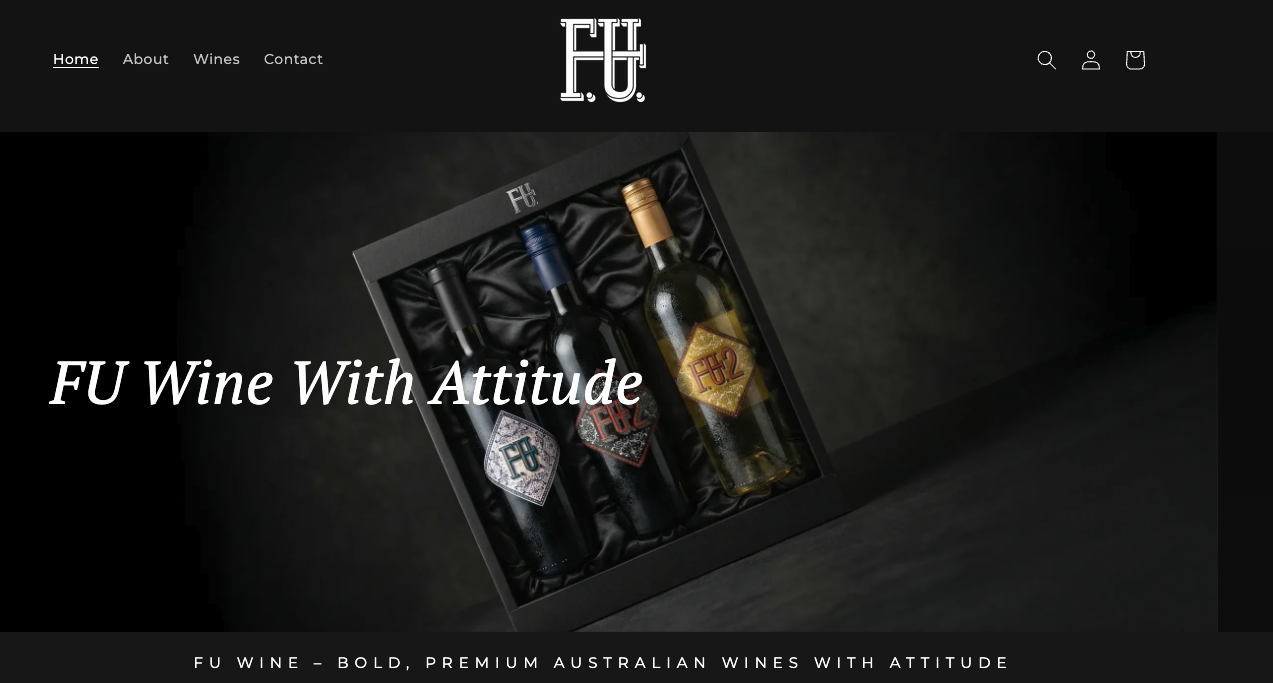
Every deal on Com is a small rebellion against the idea that great wine has to cost a fortune. Flash deals, rotating stock, and insider-level access mean you are not browsing a static catalogue. You are hunting. If you are ready to drink better for less, explore what’s available at Com right now. The bottles move fast, and that is the point.
FAQ
Why do wine prices inflate so much through traditional retail?
Retail markups of 30–50% stack on top of importer margins of 15–25%, compounding quickly. A bottle that leaves a winery at $20 can reach the consumer at $45 or more.
Does buying direct from a winery always mean a lower price?
Not always. Direct-to-consumer channels often sell at full suggested retail price, but the real value is access to limited vintages and formats that never reach wholesale channels.
How do I reduce shipping costs when buying wine directly?
Order in 6 or 12-bottle cases to spread freight and administrative costs across more units. Ask the winery for their preferred freight partner to avoid unexpected customs fees.
Is direct-to-consumer wine shipping legal in Australia?
Interstate wine shipping is legal in most Australian states, but volume caps and licensing requirements apply. Rules differ by state, so check local regulations before placing a large order.
Why do large distributors overlook smaller, high-quality producers?
Pay-for-performance compensation at major wholesalers incentivises sales reps to push mass-market brands with large marketing budgets, structurally sidelining smaller producers regardless of quality.