

What is direct to consumer wine? Your complete guide
TL;DR:
- Direct-to-consumer wine sales allow wineries to sell and ship bottles directly to buyers, bypassing traditional distribution layers. This model offers exclusive access to limited bottles, maintains price integrity, and provides authentic education from winemakers. Legal regulations vary by state and country, requiring wineries to obtain permits and adhere to shipping laws for DTC transactions.
Direct-to-consumer wine is the practice of wineries selling and shipping their products straight to buyers without using wholesalers or retailers as go-betweens. In the industry, this is known as DTC wine sales, and it is reshaping how premium bottles reach your glass. The traditional three-tier system, built after Prohibition, forces wine through producers, distributors, and retailers before it reaches you. DTC cuts that chain short. The result is better margins for wineries, more exclusive access for buyers, and a buying experience that feels nothing like grabbing a bottle off a supermarket shelf.
What is direct-to-consumer wine and how does it work?
Direct-to-consumer wine is defined as any sale where a winery transacts with the end buyer directly, skipping the wholesale and retail layers entirely. The post-Prohibition three-tier system made this the exception rather than the rule for most of the 20th century. That system required wine to pass through a licensed distributor before reaching a retailer, adding cost and distance at every step.

DTC flips that model. A winery produces a bottle, takes your order through its own channel, and ships it to your door or pours it for you in its tasting room. No middleman takes a cut. No retailer decides which wines get shelf space. The winery controls the price, the story, and the relationship.
DTC wine is the fastest growing segment of the global alcohol market, projected to grow at a 5.4% compound annual growth rate compared to just 1.9% for the offline wine market. That gap tells you something important: buyers are actively choosing to go around traditional retail when they can.
What are the main channels for buying wine direct?
Wineries reach buyers through six primary DTC channels, and each one delivers a different kind of experience.
- Tasting rooms are the original DTC channel. You visit the winery, taste the range, and buy bottles on the spot. The experience builds loyalty that no retail shelf can replicate.
- Wine clubs operate on a subscription model. You sign up, and the winery ships curated selections on a regular schedule, often with early access to limited releases.
- E-commerce websites let wineries sell nationally or internationally, subject to shipping laws. This is the fastest-growing channel for reaching buyers who have never visited the property.
- Phone sales remain relevant for high-value allocations, particularly for collectors chasing rare vintages.
- Virtual tastings grew sharply in popularity and now sit permanently in the DTC toolkit. A winemaker walks you through a flight over video call, and you buy what you love.
- Events and festivals create short-term, high-engagement selling moments that drive both immediate sales and long-term club sign-ups.
Each channel carries its own compliance demands, shipping costs, and customer engagement profile. A tasting room sale requires no shipping permit. An e-commerce sale to a buyer in another state requires a direct shipper permit for that specific state.
Pro Tip: If you want access to a winery’s rarest bottles, join their wine club before a new vintage release. Wineries routinely offer allocation priority to club members weeks before anything goes public.
What are the advantages of buying wine direct to consumer?
The biggest advantage of buying direct is access. Wineries reserve their most limited, high-scoring, and cellar-aged bottles for DTC channels. These are wines that never appear on a retail shelf because there simply are not enough of them to supply a distributor. DTC enables wineries to offer exclusive, niche products and experiences that traditional retail cannot match.
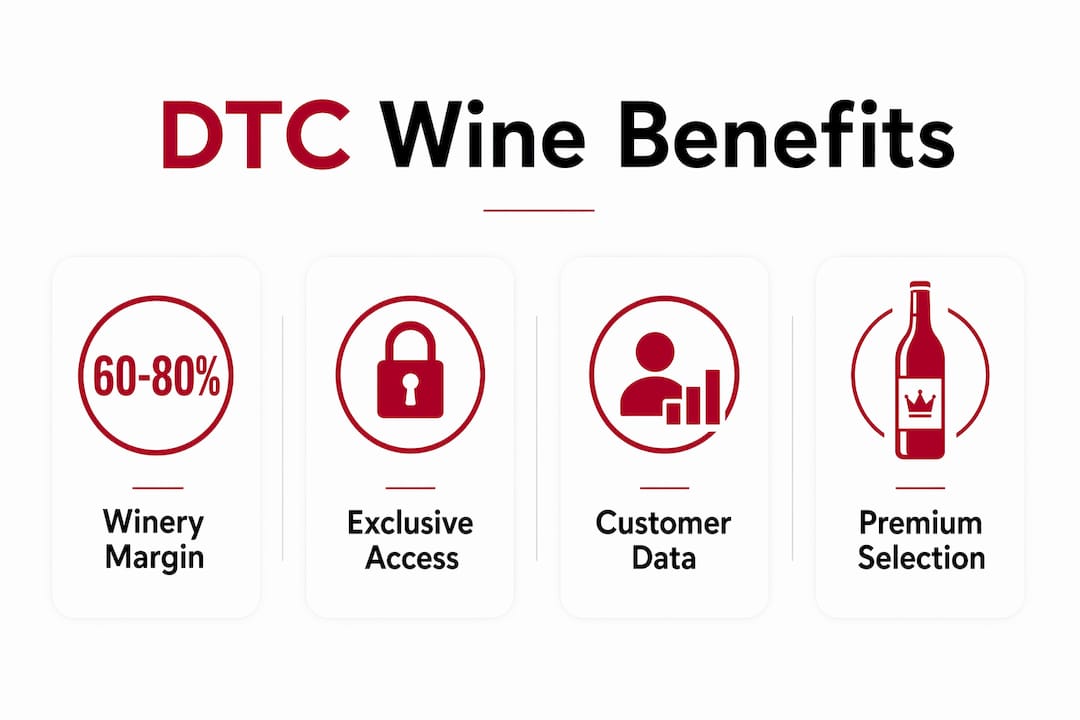
Pricing is the second major advantage, though it works differently than most buyers expect. Wineries do not always sell cheaper through DTC. What they do is maintain price integrity. A bottle priced at $80 direct stays at $80. The same bottle through a retailer might be discounted to $60 during a clearance sale, which signals to the market that the wine is worth less than it is. Buying direct means you get the wine at its true value, not a distressed retail price.
The third advantage is the experience itself. For buyers, DTC offers an unmediated wine buying experience, direct education from the people who made the wine, and access to limited offerings unavailable in traditional retail. You are not reading a back label written by a marketing team. You are talking to the winemaker.
“The best DTC wine deals often come via limited-production allocations designed to maintain pricing control, not just to offer lower prices.” This is the insider logic that most retail buyers never see.
- Access to limited releases and rare vintages before they sell out
- Price integrity on premium bottles, free from retail discounting pressure
- Direct education and storytelling from the producer
- Personalised experiences through virtual tastings and winery events
- Early allocation rights through wine club membership
How does DTC wine impact wineries financially?
The margin difference between DTC and wholesale is significant. Wineries retain 60–80% of the retail bottle price via DTC compared with 60–40% through wholesale distribution. That gap funds better viticulture, smaller batch production, and the kind of quality that ends up in your glass.
For smaller producers, DTC is not just a channel. It is the business. 73% of typical vineyard revenue comes from DTC, and for wineries producing under 50,000 cases, DTC accounts for 60% of sales. A small Barossa producer making 3,000 cases a year cannot get meaningful shelf space at a national retailer. DTC gives them a direct line to buyers who care about what they make.
Beyond margin, DTC gives wineries something wholesale never can: customer data. Every direct sale captures a buyer’s preferences, purchase history, and contact details. Wineries use this to personalise future offers, time allocation releases, and build the kind of loyalty that keeps buyers coming back for years.
| Sales channel | Winery margin | Customer data access | Exclusivity potential |
|---|---|---|---|
| DTC (direct) | 60–80% of retail price | Full access | High |
| Wholesale/retail | 60–40% of retail price | None | Low |
| Hybrid model | Mixed | Partial | Medium |
Most successful wineries use a hybrid model, combining DTC for margin and data with wholesale for scale and broader retail presence. DTC handles the premium, exclusive end. Wholesale handles volume and visibility.
Pro Tip: When buying from a small producer’s website, look for a “join the list” or “allocation waitlist” option. This is how wineries quietly manage demand for their best bottles before they announce a release publicly.
What legal factors affect direct-to-consumer wine shipping?
The legal environment for DTC wine is genuinely complex, and it affects what you can buy and where it can be shipped. The post-Prohibition three-tier system created a patchwork of state and territory laws that still governs wine sales today.
The landmark legal moment for DTC was Granholm v. Heald in 2005. The Supreme Court ruling in Granholm v. Heald prohibits US states from discriminating between in-state and out-of-state wineries in their shipping laws. Before this ruling, many states allowed local wineries to ship direct while blocking out-of-state producers from doing the same. Granholm ended that discrimination and opened the door to the modern DTC shipping market.
The practical reality since Granholm is still complicated. Here is how the compliance landscape works:
- Direct shipper permits are required in each state a winery ships to. These are state-specific licences, and a winery must apply for and maintain one per state.
- Volume limits cap how much wine a single winery can ship to a buyer in a given state per year. These limits vary widely.
- Tax collection obligations require wineries to collect and remit state excise and sales taxes on each shipment.
- Dry or restricted states still exist. Some US states prohibit DTC wine shipments entirely, meaning buyers in those states cannot legally receive wine shipped direct from a winery.
- Compliance monitoring is ongoing. Wineries must maintain direct shipper permits specific to each buyer’s state, with varying volume and tax rules affecting whether a shipment is even feasible.
The legal patchwork means that where you live determines what you can access. A buyer in California has far more DTC options than a buyer in a restricted state. Knowing your state’s rules before you order saves a lot of frustration.
For Australian buyers, the regulatory environment differs but the principle is the same: producers must hold the appropriate licences to sell and ship direct, and buyers should confirm a seller’s compliance before purchasing.
How can you make the most of DTC wine opportunities?
Getting the most from direct wine buying comes down to being proactive rather than reactive. The best bottles go to buyers who are already in the system when a release drops.
- Join wine clubs selectively. Wine clubs under the DTC model operate as subscription-style engagements that offer early access but require active management. Read the terms before you sign up. Know how to pause, swap, or cancel shipments.
- Follow winery mailing lists. Most allocation releases go to email subscribers first, often days before any public announcement.
- Use winery websites directly. Buying through a winery’s own site, rather than a third-party retailer, puts you in their customer database and qualifies you for future priority access.
- Book virtual tastings. These are not just marketing events. They are genuine access points to winemakers who will tell you which bottles are worth chasing and why.
- Act fast on limited releases. Read up on how to access limited wines before a release date so you know exactly what steps to take when the window opens.
Pro Tip: Set a calendar reminder for wineries whose releases you follow. Most producers announce release dates weeks in advance. Being ready on the day is the difference between securing a case and missing out entirely.
For buyers who want exclusive wine access without the legwork of managing multiple winery relationships, platforms that aggregate premium DTC deals do the sourcing for you.
Key takeaways
Direct-to-consumer wine gives buyers access to rare, premium bottles at fair prices by cutting out the wholesale and retail layers that inflate cost and reduce choice.
| Point | Details |
|---|---|
| DTC definition | Wineries sell and ship directly to buyers, bypassing wholesalers and retailers entirely. |
| Financial advantage | Wineries retain 60–80% of retail price via DTC versus 60–40% through wholesale. |
| Consumer benefit | DTC delivers exclusive access to limited releases and personalised buying experiences. |
| Legal complexity | Shipping laws vary by state; wineries need direct shipper permits per destination. |
| Best strategy | Join mailing lists and wine clubs early to secure allocation priority on premium bottles. |
Why DTC wine is the most honest way to buy
I have spent years watching the traditional wine trade operate on a simple principle: the more hands a bottle passes through, the more everyone charges for the privilege of touching it. By the time a premium bottle reaches a retail shelf, the winery has already surrendered most of its margin and all of its relationship with the buyer.
What strikes me most about the DTC model is not the pricing. It is the honesty. When you buy direct, you know exactly what you are paying for and who made it. There is no retailer deciding which wines deserve shelf space based on distributor deals. There is no wholesaler marking up a case because they can. The winery sets the price, tells the story, and ships the bottle. That is a cleaner transaction.
The legal complexity is real and it frustrates buyers, particularly in markets where shipping laws are inconsistent. But the trajectory is clear. The fastest growing segment of the global alcohol market is DTC, and that growth is being driven by buyers who have figured out that the traditional system was never designed with them in mind.
My honest advice: treat DTC wine buying like a skill. Learn which wineries do it well. Understand the club terms before you commit. And if you find a producer whose bottles genuinely excite you, get on their list and stay there. The best bottles in any vintage go to the people who showed up early.
— Damien
Premium wine without the pretension, at Com
Com was built for exactly this moment. The traditional wine trade has had its run, and you deserve better than paying inflated retail prices for bottles that passed through three sets of hands before reaching yours.
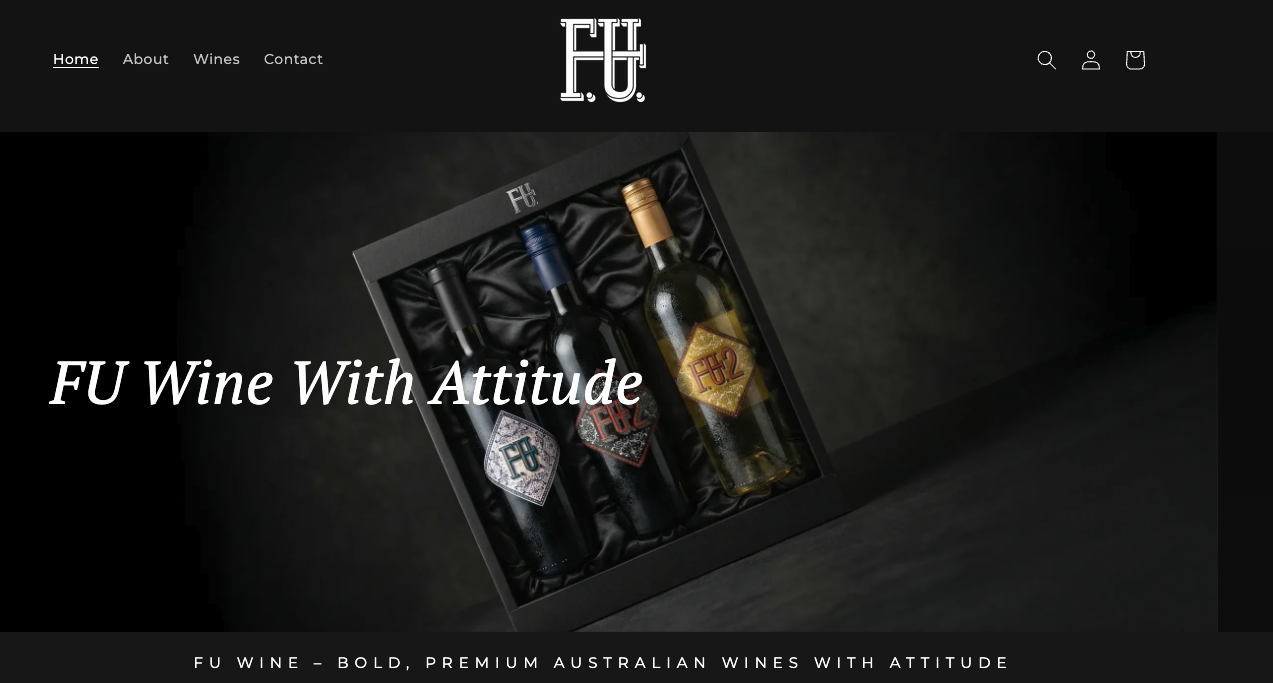
At Com, the model is simple: source rare, premium, and hard-to-find wines directly, then pass the savings to you. Think limited releases, cellar-aged bottles, and high-scoring vintages at prices that would make a traditional retailer uncomfortable. No markups for the sake of it. No gatekeeping. Just great wine at a fair price. If you are ready to buy wine direct and skip the system that was never built for you, Com is where you start.
FAQ
What does direct-to-consumer wine mean?
Direct-to-consumer wine means a winery sells and ships its products straight to the buyer, cutting out wholesalers and retailers entirely. The buyer deals directly with the producer.
Is DTC wine cheaper than buying from a retailer?
Not always. DTC wine maintains price integrity rather than offering discounts. The real value is access to exclusive, limited bottles that never reach retail shelves.
What is a wine club in the DTC model?
A wine club is a subscription-style arrangement where a winery ships curated selections to members on a regular schedule, often with priority access to limited releases and member-only pricing.
Can wineries ship wine directly to my home in Australia?
Yes, subject to the producer holding the appropriate liquor licence for direct sales in your state or territory. Confirm compliance with the seller before ordering.
Why do small wineries rely so heavily on DTC sales?
Small wineries producing under 50,000 cases generate 60% of their sales through DTC because they lack the volume to attract major distributors. DTC gives them a direct, profitable route to buyers who value what they make.