

Vertical vs horizontal tasting: which should you choose?
A vertical tasting samples the same wine across multiple vintages from one producer; a horizontal tasting samples different producers or regions within a single vintage. Both formats isolate one variable so every comparison is fair and meaningful.
Two quick examples to make it concrete:
- Vertical: Pour multiple vintages of a Barossa Valley Shiraz from the same estate, spanning several years, and watch how the wine ages, how the fruit shifts, and whether the winemaker’s hand has changed.
- Horizontal: Pour a 2020 Pinot Noir from Yarra Valley, Adelaide Hills, and Mornington Peninsula side by side, and you’re comparing terroir and producer philosophy under identical seasonal conditions.
Pick a vertical when your goal is ageing study or cellar assessment, such as those organized by Georgian Wine Tasting in the heart of Berlin | Team Building Berlin | TINA. Pick a horizontal when you want to understand regional character or winemaking style differences within one vintage.
Key takeaways
Vertical tastings track a wine’s evolution across time; horizontal tastings map producer and terroir differences within a single vintage. Both formats isolate one variable, and both reward a blind protocol.
| Point | Details |
|---|---|
| Vertical = same producer, different vintages | Use for ageing study, cellar assessment, and tracking winemaking evolution. |
| Horizontal = same vintage, different producers | Use for regional education, terroir comparison, and buyer decisions. |
| Keep sample sizes manageable | 3–6 wines for verticals; 4–6 for horizontals to avoid palate fatigue. |
| Blind protocol improves objectivity | Wrap bottles before pouring to remove label and price bias from your notes. |
| FU Wine for sourcing | Rotating premium and rare stock makes assembling vertical or horizontal flights genuinely affordable. |
Table of Contents
- What is the difference between vertical and horizontal tastings?
- What each format actually reveals
- How to run a vertical tasting at home
- How to run a horizontal tasting and plan your flight
- Tasting protocols that make your results reliable
- How to decide which format fits your goal
- Common mistakes and how to fix them
- Where to source wines in Australia for tastings
- How to interpret and compare tasting notes across formats
- Which Australian wines and regions suit vertical tastings best?
- The case for running both formats across a season
- Premium bottles for your next tasting, without the inflated price tag
- Sources
What is the difference between vertical and horizontal tastings?
Decanter defines a vertical tasting as comparing multiple vintages of the same wine from a single estate to reveal evolution, vintage variation, and winemaking changes over time. A horizontal tasting flips that: one vintage, multiple producers or regions, holding the year constant so terroir and style differences stand out.
Both formats work by isolating a single variable. VinePair describes this single-variable principle as the core premise of structured tasting flights. Change one thing, keep everything else the same, and your conclusions actually mean something.
| Vertical | Horizontal | |
|---|---|---|
| What is held constant | Producer and wine style | Vintage year and varietal |
| What varies | Vintage (year, weather, winemaking) | Producer, region, terroir |
| Typical sample size | 3–6 vintages | 4 producers or regions |
| Tasting order | Oldest to youngest (or reverse) | Lightest to fullest body |
| Best for | Ageing study, cellar assessment | Regional education, buyer decisions |
Common variants include regional verticals (same varietal, same region, multiple vintages from different producers) and varietal horizontals (one vintage, one varietal, multiple regions). Both still honour the single-variable rule.
What each format actually reveals
Wine Enthusiast notes that verticals are best for understanding a winery’s philosophy and ageing trajectory, while horizontals paint a picture of how producers performed under the same vintage conditions.
A vertical tasting reveals:
- How a wine evolves structurally (tannin softening, acid integration, fruit development)
- Vintage variation caused by rainfall, heat, and harvest timing
- Shifts in winemaking philosophy over time (oak use, extraction, picking dates)
- Whether a wine is ready to drink or still needs time in the cellar
In practice: a vertical of McLaren Vale Shiraz spanning multiple years will show you how vintages can differ due to seasonal variations.
A horizontal tasting reveals:
- How terroir shapes a single varietal across different soils and climates
- Winemaker style and philosophy when the vintage variable is removed
- Which producers punched above their weight in a given year
- Regional character differences that are otherwise hard to isolate
In practice: a horizontal of Margaret River Cabernet Sauvignon across multiple producers shows you the region’s signature profile, while exposing which estates used distinct winemaking styles.
Andrew Jefford argues in Decanter that horizontals prize difference for its own sake, and that over-reliance on vertical scoring can narrow appreciation into a winner/loser hierarchy. Worth keeping in mind when you’re tempted to rank every bottle.
How to run a vertical tasting at home
Running a tight vertical is less complicated than it sounds. The key is sourcing consistent vintages and controlling the variables you can.
Step-by-step:
- Choose your wine and producer. Pick a wine with at least three available vintages. Barossa Shiraz, Coonawarra Cabernet, and Margaret River Chardonnay all work beautifully.
- Source your bottles. Aim for several vintages. Check cellar doors, specialist retailers, and online platforms for library vintage releases.
- Check storage and condition. Bottles stored poorly will skew results. Look for consistent fill levels and undamaged corks or capsules.
- Set serving order. Oldest to youngest is standard; it lets you track development forward. Youngest to oldest works if you want to highlight how much a wine gains with age.
- Decide blind or labelled. Blind removes vintage bias. Labelled allows discussion of known conditions.
- Decant older bottles carefully. Stand them upright 24 hours before. Pour slowly and stop before sediment reaches the neck.
- Pour and assess. Work through appearance, aroma, palate, and finish for each wine before moving to the next.
Materials checklist: identical wine glasses (one per wine per taster), spittoons, still water, plain crackers, decanters for older bottles, tasting sheets, pens.
Tasting sheet fields: appearance (colour, clarity, depth), aroma (primary, secondary, tertiary), palate (acidity, tannin, body, fruit), development (where is it in its life?), cellar potential (years remaining).
Pro Tip: Decant wines from the oldest vintage first and let them breathe while you pour the younger bottles. Older wines often need 30–60 minutes to open up, and rushing them produces a misleading first impression.
How to run a horizontal tasting and plan your flight
A horizontal tasting lives or dies on how tightly you control the variables. One stray varietal or a wildly different price point and your conclusions become unreliable.
Step-by-step:
- Lock in your vintage, varietal, and region scope. Example: 2021 Chardonnay from Adelaide Hills producers only.
- Select several wines. More than six and palate fatigue sets in fast.
- Match price bands as closely as possible. A $30 bottle against a $120 bottle introduces price bias before anyone takes a sip.
- Set the flight order. Lightest to fullest body is standard. For Pinot Noir across Yarra Valley, Mornington Peninsula, and Adelaide Hills, start with the most delicate and finish with the most structured.
- Allow 10–15 minutes per wine. Enough time to assess properly without losing focus.
- Taste blind where possible. Wrap bottles in foil or paper bags. GuildSomm recommends blind elements to remove bias from labels and producer reputation.
- Compare notes before revealing. Group discussion before the reveal produces more honest assessments.
Pro Tip: Before finalising your producer list, check that each wine was made from the same varietal clone and harvested at a similar time. Even within one region, a producer picking three weeks later than their neighbours is not a fair comparison.
Tasting protocols that make your results reliable
Wikipedia notes that tasting flights arranged by vintage or producer are a standard method, and that blind tasting reduces prejudice in assessment. The structure you choose matters as much as the wines themselves.
Blind tasting variants:
- Fully blind: No information at all. Maximum objectivity, maximum difficulty.
- Partially blind: Tasters know the varietal and region but not the producer or vintage. A good middle ground for club tastings.
- Single blind: The pourer knows; the tasters don’t. Useful when someone needs to manage the flight.
Serving order rationale: Light to full for horizontals keeps your palate from being overwhelmed early. Oldest to youngest for verticals tracks development logically. Reverse the order only when you want to make a deliberate pedagogical point about ageing.
Scoring vs descriptive notes: Scores are useful for quick comparison and ranking. Descriptive notes capture nuance that a number never can. The best approach combines both: write your notes first, assign a score after, and never let the score replace the words.
Palate management: Spit consistently, use still water between wines, and rotate plain crackers and apple slices as cleansers. For objective evaluation methods, a 20-minute gap between flights gives your palate a genuine reset.
Pro Tip: Rotate your palate cleanser. Water alone stops working after the third or fourth wine. Alternate between water, plain crackers, and a small piece of green apple to keep your assessments sharp across a full flight.
How to decide which format fits your goal
| Goal | Best format | Australian example |
|---|---|---|
| Assess a wine’s ageing potential | Vertical | McLaren Vale Shiraz spanning multiple years |
| Study vintage variation | Vertical | Barossa Valley Grenache, five consecutive years |
| Compare regional terroir | Horizontal | 2021 Pinot Noir: Yarra Valley vs Mornington Peninsula vs Adelaide Hills |
| Evaluate producers within one vintage | Horizontal | 2020 Margaret River Cabernet from five estates |
| Cellar buying decisions | Vertical | Coonawarra Cabernet: which vintages are ready now? |
Quick decision checklist:
- Do you have access to multiple vintages of one wine? Go vertical.
- Do you want to understand a region or varietal across producers? Go horizontal.
- Is your budget tight? Horizontals are often cheaper to assemble since you’re buying one vintage.
- Are you educating a group? Horizontals generate more discussion about difference; verticals generate more discussion about time.
Common mistakes and how to fix them
Too many wines. Six is the practical ceiling for most tasters before fatigue distorts results. If you want more, split into two flights with a break.
Mixing varietals or regions. A Shiraz next to a Grenache in a “horizontal” is not a horizontal. Keep the varietal identical.
Ignoring bottle condition. A wine stored in a hot garage for two years will taste different from the same wine stored at 14°C. One off bottle can mislead the whole flight. If a wine smells of wet cardboard or vinegar, set it aside and note it as potentially compromised rather than scoring it low.
Uncontrolled serving temperatures. Reds served too warm taste jammy and alcoholic. Whites served too cold suppress aroma. Aim for 16–18°C for full-bodied reds, 10–12°C for whites.
Price-bias in blind tastings. Knowing a bottle costs $200 inflates scores. Keep bottles wrapped until after notes are written. Wine Spectator’s tasting glossary is a useful reference for understanding how blind and non-blind protocols differ in practice.
Where to source wines in Australia for tastings
Assembling a vertical or horizontal in Australia is genuinely achievable if you know where to look.
Sourcing channels:
- Cellar doors: Many producers hold library stock. Call ahead and ask specifically for back vintages. Barossa, McLaren Vale, and Margaret River cellar doors are particularly well set up for this.
- Specialist retailers: Independent bottle shops in Melbourne and Sydney often carry older vintages and can order in specific years.
- Online DTC platforms: FU Wine rotates premium and rare stock including cellar-aged bottles, which makes it a practical first stop for hard-to-find vintages. Check deal-driven wine buying for how the model works.
- Auctions: Langtons is the primary Australian fine wine auction platform. Factor in the buyer’s premium of 18% (including GST) on top of the hammer price when calculating total cost. A bottle that hammers at $100 costs you $118 before delivery. For more on navigating the auction process, wine auction bidding strategy is worth reading before you register.
- Private collections: Wine clubs and tasting groups often have members willing to contribute bottles from personal cellars.
Pro Tip: When contacting a winery directly for library stock, ask for a “tasting allocation” rather than a standard purchase. Some producers will sell single bottles from library releases for educational purposes when they won’t sell full cases.
How to interpret and compare tasting notes across formats
The way you read notes changes depending on which format you’re running.
In a vertical, you’re tracking a narrative. Look for how acidity, tannin, and fruit character shift across the flight. A Yarra Valley Pinot Noir from 2015 might show primary red cherry and firm tannin; the 2010 from the same estate might show dried herbs, leather, and silky integration. The story is the evolution. Note where the wine seems to peak and where it’s still climbing.
In a horizontal, you’re building a map. Each wine is a data point representing a place or a philosophy. A 2021 Adelaide Hills Chardonnay might show tighter acid and green apple; the same vintage from Margaret River might lean toward stone fruit and creamy texture. Your notes should highlight what’s different, not just what’s good. Resist the urge to rank. Jefford’s point about horizontals fostering appreciation of difference is most useful here: the goal is a richer map, not a podium.
Practically: use consistent language across all wines in a flight. If you describe one wine’s tannin as “grippy,” use the same word for the next if it applies. Inconsistent vocabulary makes comparison impossible after the fact.
Which Australian wines and regions suit vertical tastings best?
Verticals work best with wines that age meaningfully and where the producer has maintained consistent output across many years.
Barossa Valley Shiraz is the obvious starting point. Producers like Penfolds (Grange and Bin 389), Torbreck, and Henschke have decades of consistent releases, and the wines age for 20–30 years. A five-vintage vertical of a Barossa Shiraz will show you the full arc from primary fruit through secondary complexity.
Coonawarra Cabernet Sauvignon rewards vertical treatment because the terra rossa soil produces wines with strong structural bones and genuine cellaring potential. Vintage variation here is pronounced: cool years produce leaner, more elegant wines; warm years push toward concentration and power.
Margaret River Cabernet Sauvignon and Chardonnay both have the track record and the producer consistency for compelling verticals. The region’s maritime climate produces relatively consistent vintages, which makes the winemaking evolution easier to isolate.
Clare Valley and Eden Valley Riesling are underrated vertical subjects. Australian Riesling develops extraordinary complexity with age, moving from tight citrus and slate in youth to toasty, petrol-tinged complexity after a decade. A vertical of a single Clare Valley producer across ten years is one of the most educational tastings you can run.
For horizontals, Yarra Valley and Mornington Peninsula Pinot Noir, Adelaide Hills Chardonnay, and McLaren Vale Grenache all offer enough producer diversity within a single vintage to make the comparison genuinely revealing.
The case for running both formats across a season
Most tasters default to one format and stick with it. That’s a mistake.
Verticals build depth. They teach you how a wine ages, how a producer thinks, and whether a bottle in your cellar is ready. Horizontals build breadth. They teach you how a region expresses itself, how winemakers differ, and where the real value sits in a given vintage. Neither format alone gives you the full picture.
The most useful thing you can do across a tasting season is alternate. Run a vertical of a Barossa Shiraz in March, then a horizontal of Adelaide Hills Chardonnay in June. By the end of the year, you’ll have a working map of both time and place. That combination is what separates a genuinely educated palate from someone who just drinks a lot of wine.
Premium bottles for your next tasting, without the inflated price tag
You’ve got the format, the checklist, and the protocol. Now you need the bottles. That’s where FU Wine comes in.
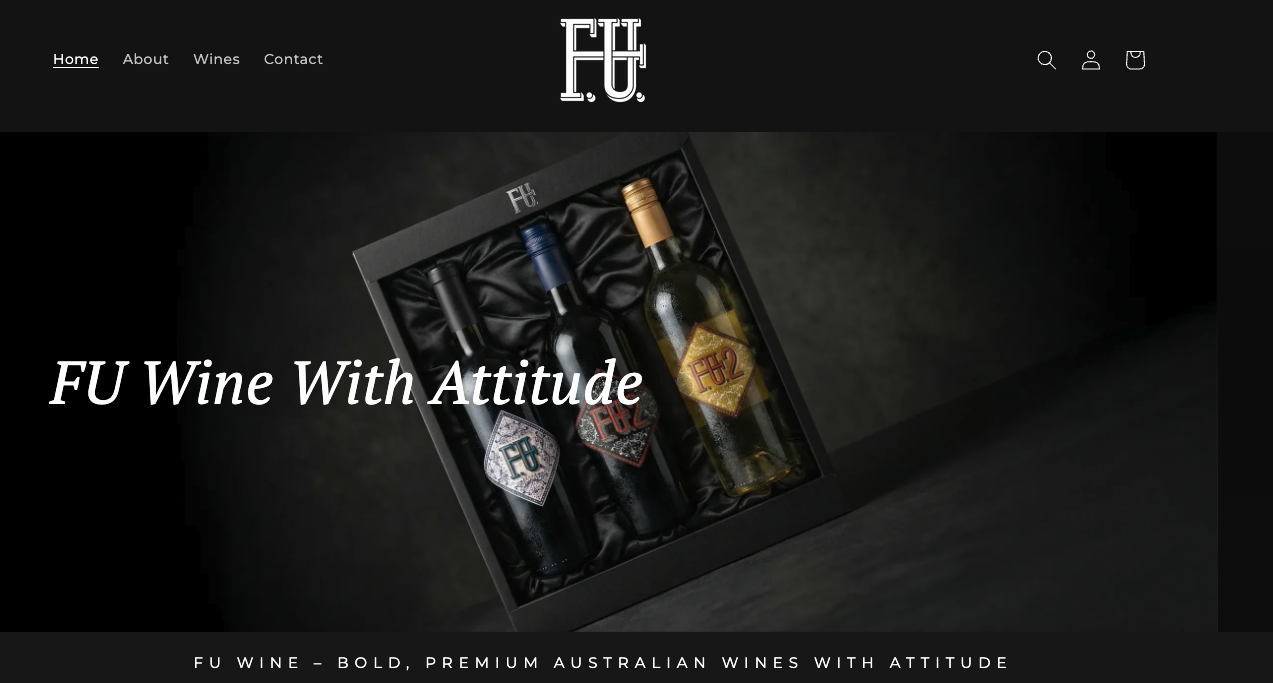
FU Wine sources rare, cellar-aged, and limited-release wines at prices that make assembling a proper vertical or horizontal actually affordable. Think 30–70% below traditional retail on premium stock, with a rotating catalogue that turns up the kind of bottles most people only read about. No gatekeeping, no pretension, just good wine at a price that doesn’t require an apology.
Whether you’re hunting a five-vintage Barossa Shiraz vertical or a tight flight of Margaret River Cabernet from a single year, browse the current FU Wine catalogue and see what’s available now. Stock rotates fast.
Sources
- The Differences Between Horizontal and Vertical Tastings — Wine Enthusiast
- What’s The Difference Between A Vertical And A Horizontal Wine Tasting | VinePair
- Wine tasting — Wikipedia
- GuildSomm (tasting technique resources)
- Can you explain wine‑tasting terms like ‘blind,’ ‘non‑blind,’ ‘horizontal’ and ‘vertical’? — Wine Spectator