

Unlock wine discounts: Top strategies for premium bottles
TL;DR:
- Genuine wine discounts require checking critic scores, provenance, storage conditions, and price history.
- Warehouse clubs and grocery discounters offer reliable savings for everyday bottles, often 20-50% off.
- Flash sales and auctions provide access to rare, high-quality wines at significant discounts but demand quick action.
You already know the drill. A bottle you’ve had your eye on suddenly shows up marked “30% off” at a big retailer. You click through, do a quick search, and realise the “original” price was inflated to begin with. Real discounts on genuinely premium wine are rarer than a perfectly cellared '82 Pétrus at a bottle shop. But they do exist, if you know exactly where to look and how to tell the difference. This guide breaks down the most effective strategies for consistently sourcing quality wine below retail, covering everything from warehouse clubs and flash sales to auctions and direct-to-consumer clubs. No fluff, no pretension. Just smart sourcing.
Table of Contents
- How to evaluate wine discounts: Criteria for real value
- Warehouse clubs and grocery discounters: Bulk buying brilliance
- Flash sales and direct-to-consumer wine clubs: Limited-time opportunities
- Wine auctions and secondary markets: Rare finds for savvy collectors
- Which wine discount strategy is best for you?
- Our take: The uncomfortable truth about wine discounts
- Find your next great bottle with FU Wine
- Frequently asked questions
Key Takeaways
| Point | Details |
|---|---|
| True value, not just discount | Judge wine deals by quality, provenance, and rating—not just price cuts. |
| Mix multiple strategies | Combine clubs, auctions, and discounters to access the best range of premium bottles below retail. |
| Perks and bundles matter | VIP access, event perks, and multi-bottle bundles often yield better long-term value than single-bottle discounts. |
| Watch for hidden costs | Consider buyer’s premiums, storage fees, and cancellation policies before committing. |
How to evaluate wine discounts: Criteria for real value
Not every discount is worth your time. A bottle marked down 50% means nothing if it scored 82 points, sat in a warm warehouse for two years, or was “discounted” from a price that was fictional to begin with. Before you get excited about any deal, you need a proper filter.
The key criteria for a genuine wine deal are provenance, critic ratings, storage and condition, and verified price history. Provenance tells you where the bottle has been and who handled it. Critic ratings, particularly 90 points or higher from respected reviewers, give you an objective quality benchmark. Storage and condition matter enormously for aged or delicate wines. And price history separates a real discount from a manufactured one.
The premiumisation trends in the wine world are worth understanding. Fewer, higher-value bottles are now the focus, with rising average prices across the premium segment. That makes genuine savings harder to find but far more rewarding when you do.
Bundled offers and multi-bottle deals often deliver the sharpest savings. A single bottle at 20% off is fine. Six bottles of the same quality drop at 35% off is genuinely exciting. Understanding how wine deals work helps you recognise which bundles are structured to deliver real value versus which ones just look that way.
Also keep an eye on boutique wine markups when comparing prices. Small-producer bottles can carry significant margin, and knowing the baseline helps you spot when a deal is legitimate.
- Check critic scores before committing. 90+ points is your minimum for investment-grade purchases.
- Verify the “original” price across at least two independent sources.
- Always ask about storage conditions for aged bottles.
- Bundles and multi-bottle offers usually outperform single-bottle discounts.
Pro Tip: Sign up for retailer newsletters and set price alerts. Genuine deals rarely advertise loudly — they move fast and quietly.
With a clear understanding of what makes a true deal, it’s time to compare the most effective strategies for sourcing premium wine at a discount.
Warehouse clubs and grocery discounters: Bulk buying brilliance
Warehouse clubs are one of the most underrated tools for wine collectors who want quality without the theatre. Costco, in particular, operates on notoriously low markups of around 10 to 15% on alcohol, which means the price you pay is genuinely close to what they paid. That’s a structural advantage most bottle shops simply can’t match.
Warehouse club savings can reach 20 to 40% below standard retail, and some categories perform even better. Sam’s Club averages around 3% lower on alcohol than competitors, but the real wins come from buying in volume across multiple bottles of the same high-quality drop.
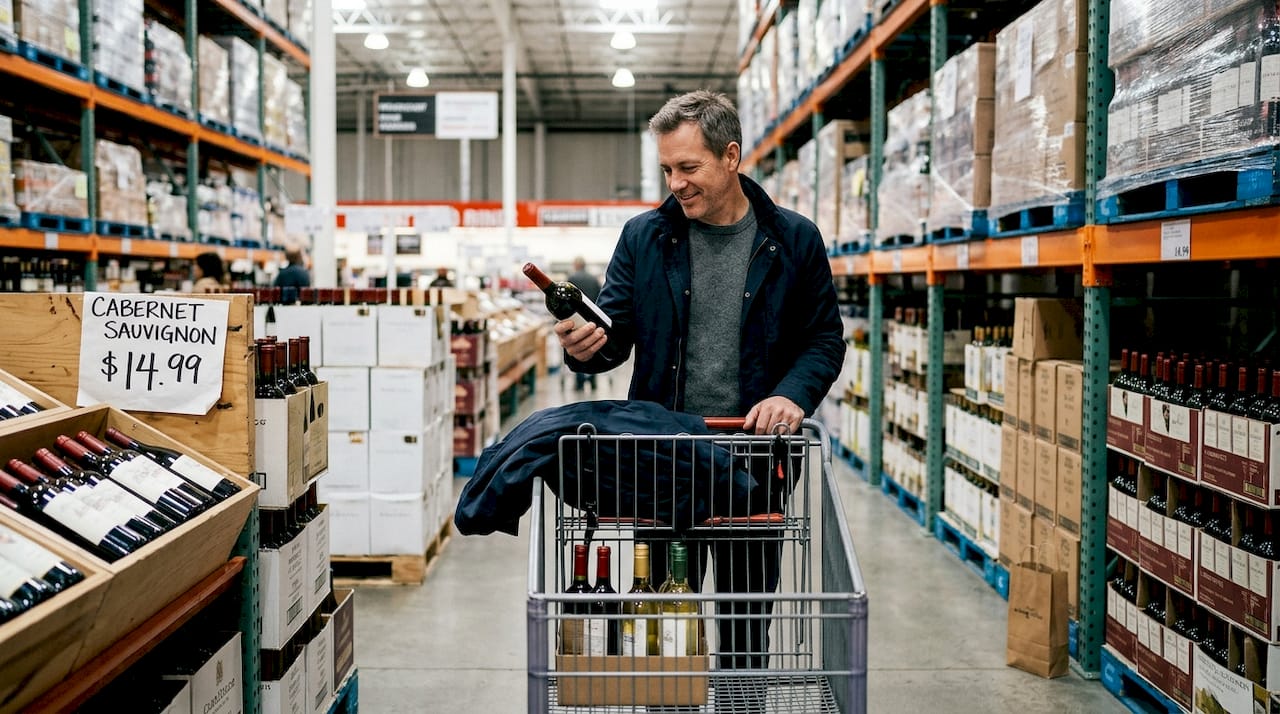
Private label wines deserve far more credit than they get. The Aldi approach is a good example: private label wines under $20 that genuinely compete with bottles twice the price, with some premium finds hitting 50% below retail equivalent. It sounds too good. It’s frequently not.
| Source | Typical discount | Best for | Key caveat |
|---|---|---|---|
| Costco | 20-35% off retail | Everyday premiums | Limited rotating selection |
| Sam’s Club | 15-30% off retail | Volume buying | Membership required |
| Aldi | 30-50%+ off retail | Budget premiums | Inconsistent availability |
| Supermarket multibuy | 25% off 6+ bottles | Mixed cellar building | Quality varies significantly |
For anyone chasing affordable luxury trends, warehouse and discounter buying is a smart base layer. It handles your everyday drinking and casual collecting without burning your budget. Just don’t expect to find a 2015 Barossa single-vineyard Shiraz at Costco every week. That’s what other strategies are for.
Pro Tip: For regular buyers, a warehouse club membership pays for itself after just a few wine purchases. The annual fee is irrelevant if you’re buying six or more cases a year.
Bulk discounts are just one angle. Many collectors also seek rarer finds and exclusive drops at steep discounts.
Flash sales and direct-to-consumer wine clubs: Limited-time opportunities
Flash sale sites are where the treasure hunt gets real. Platforms like WTSO and Last Bottle rotate genuinely high-quality wines at prices that regularly leave retail in the dust. We’re talking 50 to 70% off retail on bottles that have earned real critic recognition. The catch is you need to move fast. These deals don’t linger.
The key discipline with flash sites is having your benchmarks ready. Know your critic scores. Know your producers. When a 94-point Napa Cabernet shows up at $38, you don’t want to spend 20 minutes researching it while someone else grabs the last six bottles.
Direct-to-consumer wine clubs offer a different kind of value. Ongoing discounts of 20 to 30% are standard, but the real perks are often the non-price benefits: VIP pre-access to allocations, invitations to cellar door events, and first access to limited releases. These are the things money alone usually can’t buy at retail.
That said, DTC club retention data tells a cautionary tale. Clubs with three or more genuine perks show 22% higher member retention, but roughly 40% of members still cancel within their first year. The lesson? Choose a club that actually matches your palate, your storage capacity, and your collecting style. A club that sends you Pinot Noir every month when you’re a Shiraz collector is just an expensive subscription you’ll resent.
- Prioritise flash sites with verified critic scores attached to each offer.
- Read the cancellation terms before joining any club.
- Bundles and VIP pre-access tiers almost always outperform standard single-bottle pricing.
- Set notifications so you’re first in queue when new drops land.
Pro Tip: Many flash sale sites reward loyalty with early access or member pricing. Stick with one or two platforms and you’ll get better deals over time.
For collectors who want to elevate their cellars with unique bottles, auctions and secondary markets provide a strategic edge.
Wine auctions and secondary markets: Rare finds for savvy collectors
If you want bottles that simply don’t show up anywhere else, auctions are where serious collectors go. Houses like Sotheby’s and Hart Davis Hart regularly bring sought-after bottles to market, and competitive bidding can push final prices below what secondary retail would charge for the same wine.
The secondary market platform Liv-ex has changed how collectors source rare wine. Automated trading and a transparent pricing structure mean some buyers source over $100,000 worth of inventory per month with remarkably low risk of overpaying or receiving misrepresented stock.
But auctions come with traps for the uninitiated. Here’s what to watch:
- Buyer’s premiums. Most auction houses charge 20 to 25% on top of the hammer price. That changes your maths significantly.
- Storage and shipping fees. Remote lots may incur additional costs that erode your savings.
- Provenance documentation. Always request storage history for aged bottles. A poorly stored 2005 Burgundy is just an expensive disappointment.
- Capital gains implications. If you’re buying investment-grade wine with the intention to sell, understand your tax position first.
“The best auction finds aren’t always the famous names. Sometimes it’s the overlooked producer from a great vintage that nobody else bid on.”
For unlocking rare wines that don’t appear in any bottle shop, auctions remain the gold standard. Pairing this with guidance from wine curators for rare bottles can help you avoid the pitfalls and find the real gems. The wine investing guide from Napa Valley Wine Academy is also worth reading before you commit serious money.
With all these strategies laid out, it’s useful to see how they stack up side by side for different collector goals.
Which wine discount strategy is best for you?
No single approach wins across every scenario. The right strategy depends on what you’re actually trying to achieve. Are you building a serious cellar? Stocking up on quality everyday drinkers? Hunting that one unicorn bottle?
As a broad guide, warehouse clubs excel for drink-now savings, auctions deliver on rarity, and DTC clubs offer ongoing value for collectors who want a consistent pipeline.
| Strategy | Savings potential | Selection quality | Convenience | Risk level |
|---|---|---|---|---|
| Warehouse clubs | 20-40% | Good for premiums | High | Low |
| Grocery discounters | 25-50%+ | Mixed | Very high | Low |
| Flash sales | 50-70% | Excellent (top scores) | Medium | Low to medium |
| DTC wine clubs | 20-30% + perks | Curated | High | Medium |
| Auctions | Variable | Exceptional (rare) | Low | Medium to high |
| Secondary markets | Variable | Exceptional | Medium | Medium |
Here’s the quick version by collector type:
- Everyday drinker: Warehouse clubs and grocery discounters. Consistent, low-effort, genuinely good value.
- Casual collector: Flash sales paired with one well-chosen DTC club. You get quality and discovery.
- Serious collector: Auctions and secondary markets, ideally supported by a trusted curator relationship.
- Mixed strategy collector: Combine warehouse buying for volume with flash sales for standout bottles and occasional auction bids for the rare stuff.
There is no one-size-fits-all answer here. Match the method to what you actually want from your collection, not just the deepest headline discount.
Our take: The uncomfortable truth about wine discounts
Here’s something we’ve learned from working with collectors for years. Chasing the deepest discount as your primary strategy is often a losing game. You spend time refreshing flash sites, miss the deal by three minutes, and then overpay somewhere else to compensate. The time cost is real, and it adds up.
The collectors who consistently drink and collect the best wine at the best prices aren’t just deal hunters. They build relationships. A trusted boutique importer, a curator who knows your palate, a DTC club with genuine VIP access — these connections deliver access to limited wines that no flash sale will ever match. Exclusivity perks often outperform raw percentage savings when you account for what you’re actually getting in the bottle.
Storytelling and provenance matter to serious collectors too. A bottle with a documented cellar history and a great narrative is worth more, both on the palate and in the collection, than an anonymous discount find with no paper trail. Smart collectors blend strategies deliberately. They don’t just hunt discounts. They build access.
Find your next great bottle with FU Wine
Every strategy in this guide works. But the fastest shortcut to premium wine at genuinely unfair prices is knowing where the deals are already curated for you.
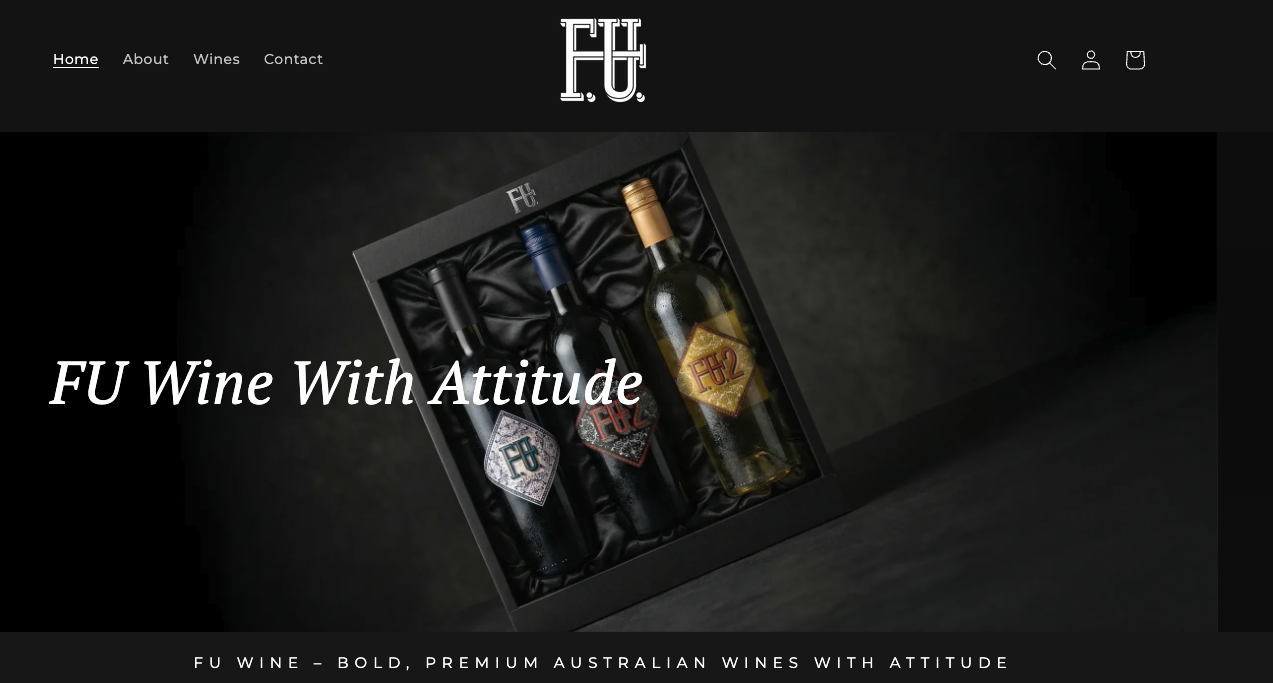
At FU Wine, we do the sourcing legwork so you don’t have to. High-scoring vintages, boutique producer runs, cellar clearances, and limited releases — all at prices that’ll make traditional retail look embarrassing. Browse our curated wines collection and put everything you’ve just learned to work. Sign up for alerts and you’ll be first to know when the next great drop lands. Life’s too short for ordinary wine and full retail prices.
Frequently asked questions
What’s the best wine discount strategy for rare bottles?
Auctions and secondary markets are most effective for finding rare bottles below retail. Competitive bidding and below-market auction prices on sought-after bottles make these channels the go-to for serious collectors.
Are wine clubs really worth it for collectors?
They can be, but only if the perks genuinely match your collecting style. Clubs with 3+ perks show higher retention and satisfaction, but high churn rates mean you should choose carefully before committing.
How do warehouse clubs compare to flash sales for discounts?
Warehouse clubs typically offer 20 to 40% off retail, making them ideal for everyday drinkers. Flash sales can reach 50 to 70% off on premium, top-rated bottles, but you need to act fast before stock disappears.
What’s the main risk when buying discounted wine online?
Provenance gaps and hidden fees are the biggest threats. Always check storage history, seller ratings, and read the fine print on buyer’s premiums. The wine investment guide covers these risks in useful detail.
How can I spot a truly good wine deal?
Cross-check critic scores, verify the original price across multiple sources, and look for bundle offers. Key criteria like provenance and authenticity guarantees separate real deals from manufactured ones.
Recommended
- Unlock exclusive wine access: rare bottles and savings – FU Wine
- How wine deals work: Snagging premium bottles smart – FU Wine
- Unlock rare wine: expert guide to selection and savings – FU Wine
- Wine allocation explained: Unlock premium bottles and real value – FU Wine
- Proven coupon strategies: save more on local deals