

Understanding wines: a no-BS beginner's guide
TL;DR:
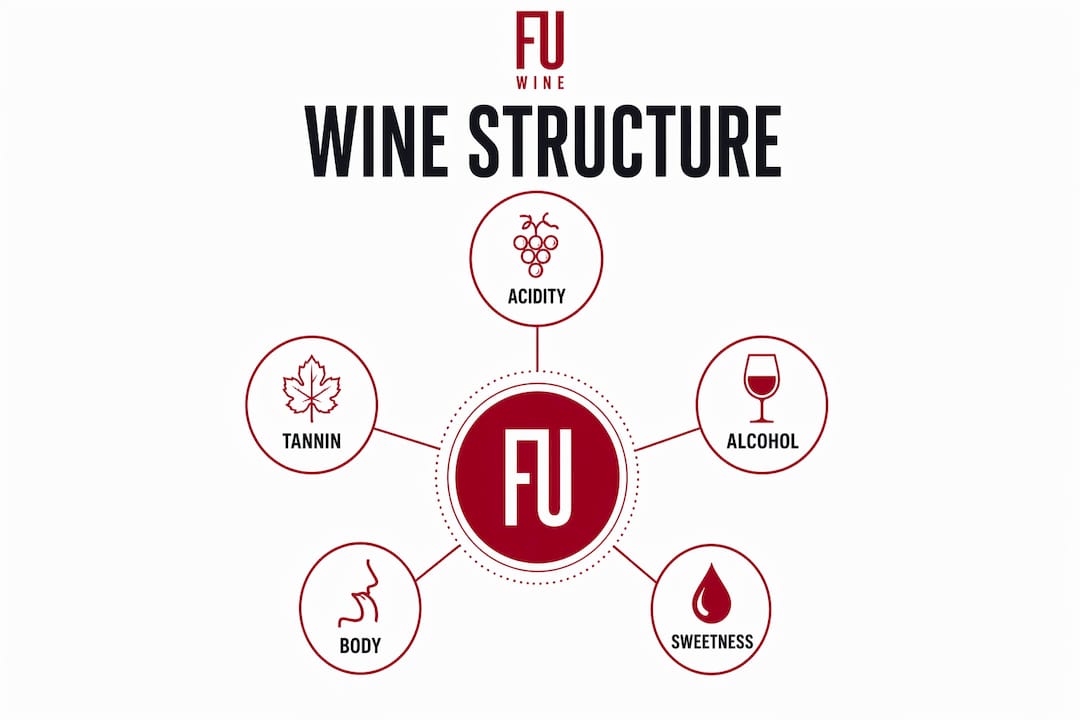
- Understanding wine relies on five structural elements: acidity, tannin, alcohol, body, and sweetness, which shape every wine’s taste.
- Tasting techniques like observing, swirling, smelling, sipping, and evaluating help identify a wine’s characteristics and quality.
Understanding wines means grasping five structural elements present in every bottle you open: acidity, tannin, alcohol, body, and sweetness. These five pillars, not the label price or the sommelier’s accent, determine what a wine tastes like and whether you’ll enjoy it. Beginners only need these five fundamentals to make sense of almost any wine they encounter. Once you know what you’re sensing in the glass, choosing, tasting, and pairing wine stops feeling like guesswork and starts feeling like fun.
What are the main types of wine explained?
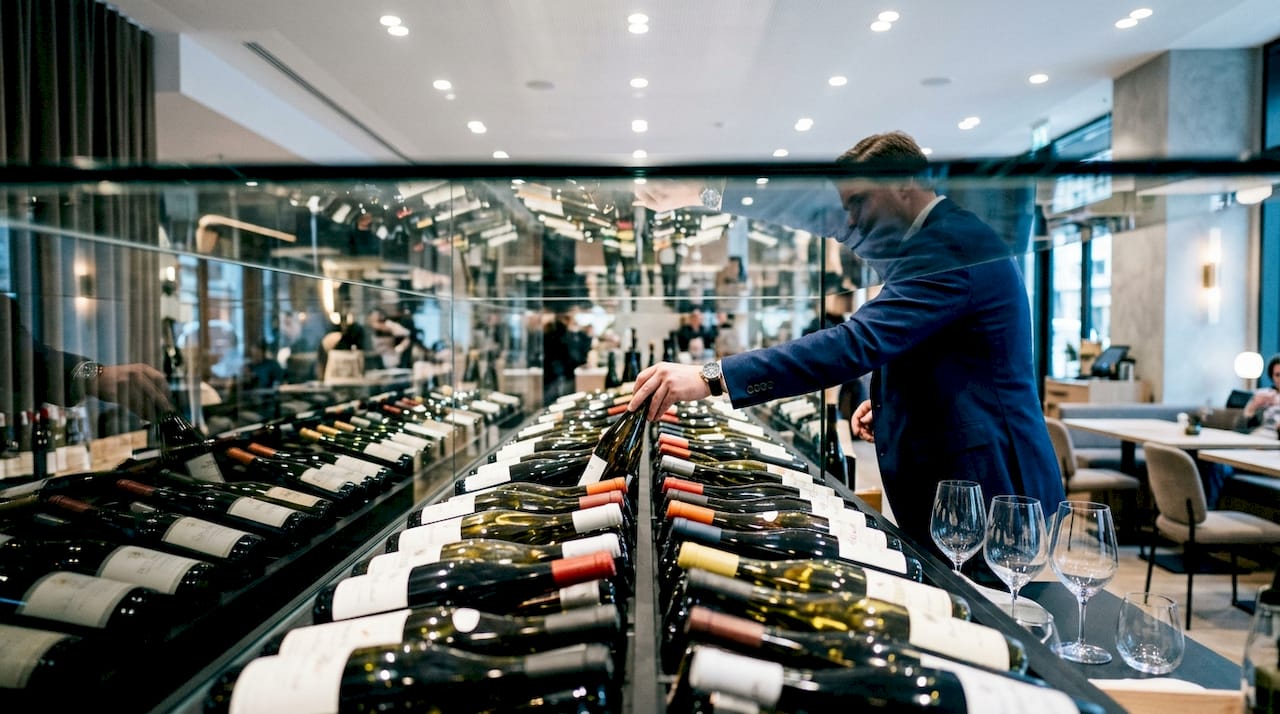
Wine falls into five broad categories: red, white, rosé, sparkling, and dessert. Each category is shaped by production decisions as much as by grape variety. Winemaking decisions often shape flavour more than the grape itself, which means two wines from different grapes can taste remarkably similar if made the same way.
Here is what separates each type:
- Red wine gets its colour and structure from extended skin contact during fermentation. Tannin is a physical sensation, not a taste. It binds saliva proteins and creates that drying, gripping feeling in your mouth. Longer maceration means more tannin, which is why a Barossa Shiraz grips harder than a Pinot Noir.
- White wine skips skin contact almost entirely. Acidity does the heavy lifting here, providing freshness and structure. Varieties like Riesling and Sauvignon Blanc sit at the high-acid end; oaked Chardonnay sits lower, with creamier texture instead.
- Rosé uses brief skin contact, picking up colour and a little tannin without the full structure of a red. It sits between red and white in body and weight.
- Sparkling wine adds carbonation through a secondary fermentation, either in the bottle (traditional method) or in a pressurised tank (Charmat method). The bubbles amplify acidity and make the wine feel lighter and more refreshing.
- Dessert wine retains high residual sugar, either by stopping fermentation early or by using grapes affected by noble rot. Dry wines can contain residual sugar as low as 0.1%, which shows just how wide the sweetness spectrum really is.
The category you reach for should match the occasion, the food, and honestly, your mood. No rules. Just context.
How to taste wine effectively: key techniques for beginners
Wine tasting basics come down to a repeatable five-step process. You do not need a formal setting or a special glass. You need attention and a bit of practice.
- Look. Hold the glass against a white background. Note the colour depth and clarity. A deep ruby suggests more skin contact or age. A pale straw in a white wine often signals high acidity and cool-climate origins.
- Swirl. Swirling releases volatile aromatic compounds. Give the glass three or four rotations. The “legs” that run down the side indicate alcohol and glycerol content, not quality.
- Smell. Put your nose in the glass and inhale slowly. Note fruit, earth, oak, or floral aromas. First impressions here are usually the most accurate.
- Sip. Take a small mouthful and let it coat your whole palate. Notice where sensations hit. Acidity causes salivation at the sides of the tongue, while alcohol produces warmth in the throat. These are two completely different sensations, and confusing them is one of the most common beginner mistakes.
- Evaluate. After swallowing, note the finish. A long, lingering finish generally signals a more complex wine. A short finish is not necessarily bad; it just tells you the wine is built for easy drinking.
Tannin levels reveal themselves through mouth roughness after sipping. High tannin dries your mouth like an emery board on nails. Low tannin leaves your mouth feeling smooth and clean.
Pro Tip: Drink a glass of water before tasting. Proper hydration improves acidity assessment because dehydration suppresses salivation, which is the very response you need to accurately read acid levels.
Keep a tasting notebook for your first dozen wines. Write down three words per wine: one for aroma, one for texture, one for finish. You will build a personal sensory vocabulary faster than any course can teach you.
How do you read and understand wine labels?
Understanding wine labels is the fastest shortcut to buying better wine with confidence. Labels look complicated, but most of the information is either decorative or legally mandated filler. Here is what actually matters.
The geographic origin is the most reliable signal on any label. Appellations imply grape variety and quality controls, which means a Coonawarra Cabernet Sauvignon tells you the grape, the region, and the production standards all at once. The producer name matters too, but only once you have tasted enough bottles to know which producers you trust.
Vintage tells you the year the grapes were harvested. Climate in that year directly affects acidity, ripeness, and structure. A cool vintage in Margaret River produces leaner, more acidic wines. A warm vintage produces riper, fuller wines. Labelling rules vary by country.
| Label element | US standard | EU standard | Australian standard |
|---|---|---|---|
| Vintage compliance | 95% of wine from stated year | 85% of wine from stated year | 85% of wine from stated year |
| Grape variety | 75% minimum | 85% minimum | 85% minimum |
| Geographic origin | Required if stated | Required if stated | Required if stated |
| Alcohol by volume | Required | Required | Required |
US vintage rules require 95% of the wine to come from the stated year, while the EU and Australia require 85%. That gap matters when you are buying a wine for its vintage character.
Pro Tip: Ignore terms like “reserve” and “premium” on Australian labels. They carry no legal definition here and are used freely by any producer. Focus on the appellation and the producer instead.
Alcohol by volume (ABV) is a useful proxy for style. Wines above 14.5% ABV tend to be full-bodied and warm. Wines below 12% ABV tend to be lighter, crisper, and often higher in acidity. You can use ABV to predict body before you even open the bottle. For a deeper look at decoding label terminology, FU Wine’s no-BS label guide breaks it down without the jargon.
Wine pairing tips: how to match wine with food
Wine pairing basics rest on one principle: match the weight of the wine to the intensity of the food. Heavy dishes need full-bodied wines; light dishes suit lighter wines. Get that balance right and both the food and the wine taste better.
Here are the pairing principles that actually work:
- Match body to richness. A slow-braised lamb shoulder needs a full-bodied red like a Shiraz or Cabernet Sauvignon. A grilled snapper needs a crisp white like a Vermentino or Pinot Grigio. Pairing a delicate wine with a heavy dish drowns the wine completely.
- Use acidity to cut through fat. High-acid whites like Riesling and Champagne work brilliantly with fried food, creamy sauces, and rich seafood. Acidity provides freshness that balances richness rather than competing with it.
- Use sweetness to balance heat and salt. A slightly sweet Riesling with Thai food or a Gewurztraminer with spicy Indian dishes works because sweetness softens the burn. Dry, high-tannin reds amplify spice and make hot food taste hotter.
- Mind the serving temperature. Light whites and sparkling wines serve best at 7–10°C, while structured reds perform at 15–18°C. Serving a red too warm makes the alcohol feel harsh. Serving a white too cold mutes its aroma entirely.
- Tannin and protein are friends. High-tannin reds pair well with red meat because the protein in the meat binds with tannin, softening the wine’s grip and making both taste smoother. This is why a big Barossa Shiraz with a ribeye steak is such a reliable combination.
For a deep dive into pairing wine with red meat, FU Wine’s complete guide covers the science and the shortcuts.
Key takeaways
Understanding wines comes down to five structural elements: acidity, tannin, alcohol, body, and sweetness shape every wine you will ever taste.
| Point | Details |
|---|---|
| Five structural elements | Acidity, tannin, alcohol, body, and sweetness define every wine’s character and style. |
| Tasting technique matters | Use the look, swirl, smell, sip, and evaluate method to identify what you are actually sensing. |
| Labels have a hierarchy | Geographic origin and vintage are the most reliable signals; ignore unregulated terms like “reserve.” |
| Pairing follows weight | Match wine body to food intensity; use acidity to cut fat and sweetness to balance heat. |
| Serving temperature is not optional | Reds at 15–18°C and whites at 7–10°C perform as intended; temperature changes the whole experience. |
Wine doesn’t need to be complicated. Here’s what I actually think.
The wine world has a talent for making people feel stupid. I have sat at tables where someone swirled a glass for thirty seconds and announced “hints of pencil shavings and wet gravel” with complete sincerity. And I have watched the person next to them quietly put down their glass and decide wine was not for them. That is a tragedy.
Here is what I have found after years of tasting: the people who enjoy wine most are not the ones who know the most. They are the ones who pay attention to what they actually like. The five structural elements are tools, not tests. Knowing that you prefer high-acid whites over oaky ones is genuinely useful information. Knowing the exact pH of a Chablis is not.
Beginners make one consistent mistake: they defer to authority instead of their own palate. If a wine smells like petrol and you hate it, it does not matter that it is a celebrated German Riesling. Your palate is the only one that matters in your glass.
My honest advice is to taste widely and take notes, even rough ones. Buy a bottle you would not normally choose once a month. Learn one new grape variety at a time. And stop apologising for liking what you like. Wine appreciation is not a destination. It is just a very enjoyable habit.
— Damien
Premium wine without the premium nonsense
FU Wine was built for exactly this kind of reader. You are curious, you want quality, and you are not interested in paying for someone else’s ego.
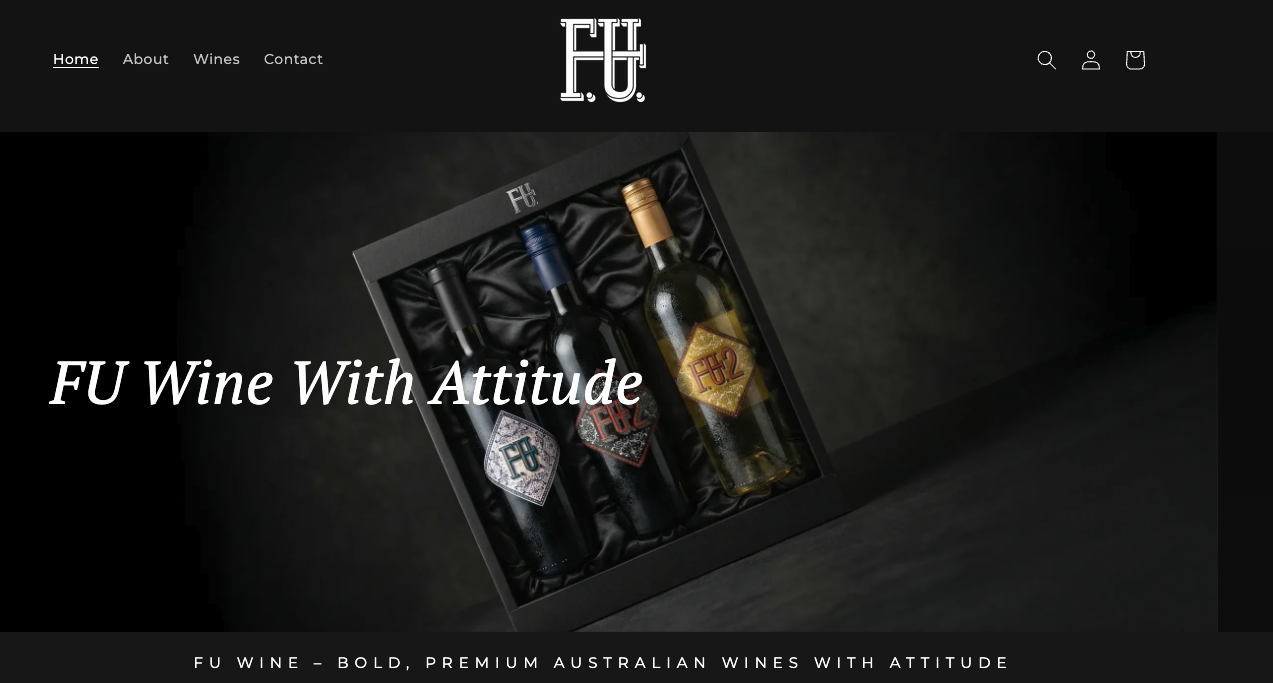
FU Wine sources rare, high-scoring, and hard-to-find bottles at prices that would make a traditional wine merchant wince. Think 30–70% below standard retail on premium stock. The selection rotates constantly, so there is always something worth grabbing. Whether you are building your palate or hunting a specific style, FU Wine’s curated wine selection gives you insider access without the insider attitude. The blog covers everything from wine tasting techniques to label reading, so you can keep learning while you drink well.
FAQ
What are the five key elements of wine structure?
The five structural elements of wine are acidity, tannin, alcohol, body, and sweetness. These components combine to define a wine’s style, texture, and flavour profile.
What is terroir in wine?
Terroir refers to the complete natural environment in which a grape is grown, including soil, climate, topography, and geography. It explains why the same grape variety tastes different when grown in different regions.
How do I choose wine without knowing much about it?
Start with the geographic origin on the label, as appellations carry implicit guarantees about grape variety and production standards. Match the wine’s body to the richness of the food you are eating.
Why does serving temperature matter for wine?
Serving temperature directly affects aroma, texture, and perceived acidity. Light whites and sparkling wines perform best at 7–10°C, while structured reds show their best at 15–18°C.
What does “dry” mean on a wine label?
A dry wine contains very low residual sugar, sometimes as little as 0.1%. It means the fermentation converted nearly all the grape sugar into alcohol, leaving no perceptible sweetness on the palate.