

Top examples of cellar-aged wines for enthusiasts
Choosing premium cellar-aged wines can feel overwhelming when you’re balancing rarity, quality, and price. Many collectors want wines that deliver complexity and prestige without the inflated retail markups that plague traditional channels. This article cuts through the noise by presenting curated examples of standout cellar-aged wines, complete with ageing insights and tasting criteria. You’ll discover how ageing methods shape flavour, which vintages offer exceptional value, and how to select bottles that elevate your collection without breaking the bank. Whether you’re hunting for a mature Barossa Cabernet or a rare amphora-aged gem, these examples will guide your next purchase with confidence.
Table of Contents
- Key takeaways
- How to evaluate quality and ageing criteria for cellar-aged wines
- Notable examples of premium cellar-aged wines
- Comparing ageing methods and their impact on flavour
- How to choose cellar-aged wines to suit your palate and collection
- Explore cellar-aged wines in our curated collection
- Frequently asked questions about cellar-aged wines
Key Takeaways
| Point | Details |
|---|---|
| Cellar aged complexity | Cellar aged wines offer complexity and rarity that reward collectors. |
| Medium toast balance | Medium toast oak balance introduces vanilla and smoky notes while preserving fruit character in Cabernet Sauvignon. |
| Amphora ageing benefits | Amphora ageing preserves bright fruit and floral notes with minimal wood influence. |
| Hidden Ridge 2004 exemplar | Hidden Ridge 2004 Sonoma Cabernet Sauvignon demonstrates how extended bottle age enhances complexity and delivers substantial value. |
How to evaluate quality and ageing criteria for cellar-aged wines
Understanding what makes a cellar-aged wine exceptional starts with recognising the factors that shape its evolution over time. Ageing duration directly influences flavour development, transforming harsh tannins into silky textures whilst building aromatic complexity. A wine aged for five years will taste fundamentally different from one cellared for twenty, with the latter offering deeper integration of fruit, oak, and earthy notes.
Oak barrel treatment plays a critical role in defining the final flavour profile. Medium-toast oak optimises aroma balance by introducing vanilla and smoky notes without overwhelming the fruit character in Cabernet Sauvignon. Toast level affects which compounds leach into the wine, with lighter toasts preserving delicate floral aromas and heavier toasts adding robust spice and char. The grain size of the oak also matters, as medium-grain barrels release tannins more gradually than coarse-grain alternatives, creating smoother mouthfeel.
Barrel size significantly impacts extraction rates and flavour intensity. Smaller barrels expose more wine surface area to wood, accelerating compound extraction and potentially overpowering delicate varietals. Larger barrels allow slower, gentler integration suited to wines requiring subtle oak influence. For high-alcohol Cabernets, heavy-contact medium-toast barrels stabilise colour whilst enhancing toasted and floral notes, making them ideal for bold reds destined for long cellaring.
Amphora ageing presents a compelling alternative for winemakers seeking minimal wood influence. These clay vessels preserve fruity and floral notes with remarkable purity, allowing the varietal’s inherent character to shine without woody dominance. Wines aged in amphorae often display brighter acidity and fresher aromatics compared to barrel-aged counterparts, appealing to collectors who favour elegance over power.
When evaluating limited old-vintage cellar-aged wines, consider these quality markers:
- Provenance and storage conditions throughout the wine’s life
- Producer reputation and vineyard pedigree
- Vintage quality and regional climate conditions
- Ageing vessel type and duration
- Tannin structure and acid balance at release
Pro Tip: Check the fill level on older bottles. Wine stored upright or in poor conditions may show excessive ullage, indicating potential oxidation that compromises flavour.
Notable examples of premium cellar-aged wines
Several standout cellar-aged wines demonstrate the qualities collectors should seek when building a premium collection. These examples showcase diverse ageing approaches, regional expressions, and value propositions that prove exceptional wine doesn’t require exorbitant pricing.
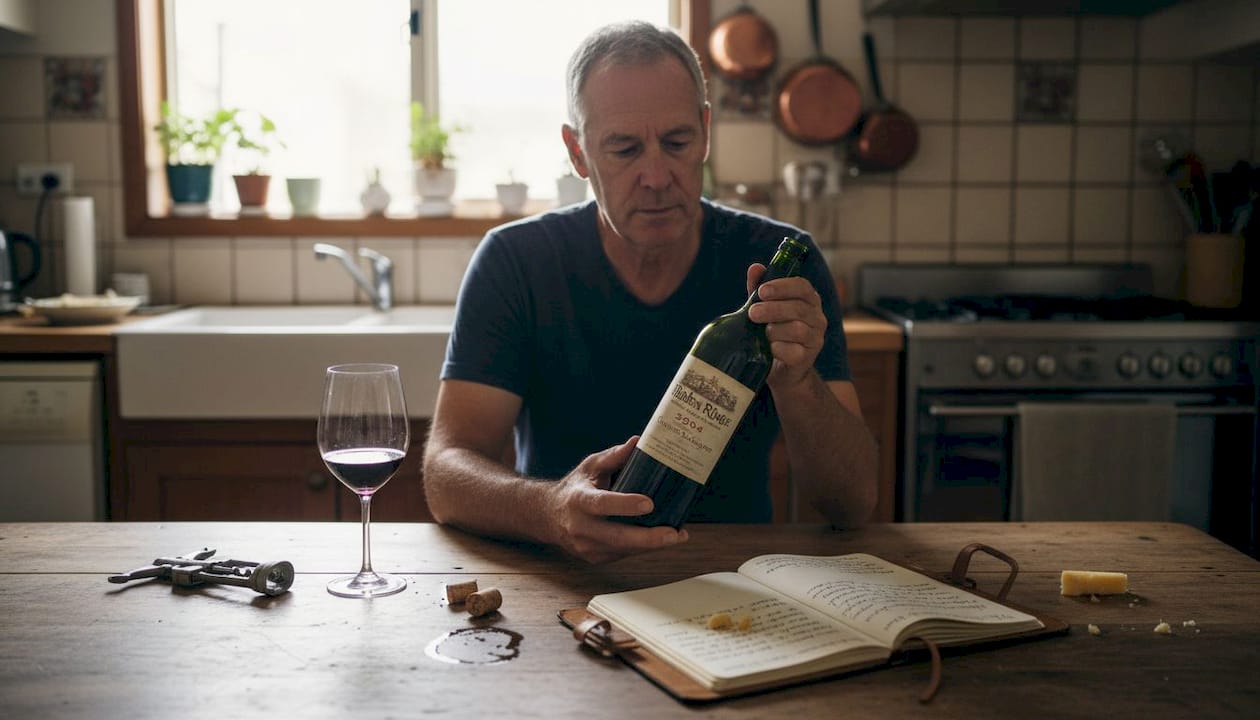
Hidden Ridge 2004 Sonoma Cabernet Sauvignon stands as a benchmark for mountain vineyard excellence. Aged over 20 years, this wine rivals pricier Napa offerings in quality whilst delivering rich complexity from extended cellaring. Mountain fruit brings concentrated flavours and firm tannin structure that benefit from decades of bottle age, transforming primary fruit into layered notes of leather, tobacco, and dried cherry. The wine’s evolution demonstrates how proper cellaring unlocks tertiary aromas that young wines simply cannot achieve.
F.U. Barossa Valley Cabernet Sauvignon 2010 represents mature Australian Cabernet at its finest. With over a decade of bottle age, this wine has developed the integration and complexity that define premium aged reds. Barossa Valley’s warm climate produces ripe, powerful Cabernets with generous fruit concentration that softens beautifully over time. The 2010 vintage benefits from ideal growing conditions, yielding wines with balanced acidity to support long-term cellaring without losing vibrancy.
Amphora-aged wines remain relatively rare but offer distinctive flavour profiles worth exploring. These wines preserve fruity and floral notes with exceptional clarity, showcasing varietal character without the vanilla, coconut, or smoky notes typical of oak ageing. For collectors seeking elegance and purity, amphora-aged examples provide a refreshing contrast to heavily wooded styles. The clay vessels allow micro-oxygenation similar to oak but without extracting wood compounds, resulting in wines that age gracefully whilst retaining freshness.
Medium-toast oak influences appear prominently in selected vintages designed for extended cellaring. These wines display balanced vanilla and smoky aromas that complement rather than dominate fruit character. The toast level creates complexity without overwhelming delicate nuances, making medium-toast barrels particularly suitable for premium Cabernets and Shiraz destined for collectors’ cellars.
Collectible cellar-aged wines blend several desirable attributes:
- Rarity from limited production or library releases
- Proven ageing potential from varietal and vintage quality
- Expert winemaking with appropriate oak treatment
- Optimal storage conditions preserving wine integrity
- Accessible pricing relative to comparable quality
These examples illustrate how ageing expertise, quality fruit, and thoughtful barrel selection combine to create wines worthy of serious collectors’ attention.
Comparing ageing methods and their impact on flavour
Different ageing vessels produce markedly distinct flavour profiles, making the choice of ageing method crucial to a wine’s final character. Understanding these differences helps collectors select wines matching their palate preferences and appreciation for specific aromatic profiles.
Oak barrel ageing introduces a range of flavour compounds depending on toast level, grain size, and barrel age. Vanillin creates classic vanilla notes, whilst lactones contribute coconut and woody aromas. Smoky characteristics emerge from toasting, with intensity varying based on how heavily the cooper chars the barrel interior. Medium-grain heavy-toast barrels prove ideal for high-alcohol Cabernets, enhancing floral and toasted notes whilst stabilising colour through tannin extraction.
Amphora ageing preserves fruity and floral notes better than barrel ageing by limiting wood compound extraction. The clay vessels allow gradual oxygen exposure similar to oak but without introducing vanilla, spice, or toast characteristics. Wines aged in amphorae often display brighter acidity, more pronounced fruit purity, and delicate floral aromatics that appeal to collectors favouring finesse over power.
| Ageing method | Flavour impact | Best varietals | Typical duration |
|---|---|---|---|
| Medium-toast oak | Vanilla, smoky, balanced fruit | Cabernet Sauvignon, Shiraz | 12-24 months |
| Heavy-toast oak | Robust spice, char, intense structure | High-alcohol reds, bold Shiraz | 18-36 months |
| Amphora | Pure fruit, floral, minimal wood | Delicate reds, aromatic whites | 6-18 months |
| Large oak casks | Subtle oak, fruit-forward, gentle tannin | Pinot Noir, elegant Cabernet | 12-18 months |
High-ethanol wines respond particularly well to heavier toast oak because the alcohol acts as a solvent, extracting flavour compounds more aggressively. Medium to heavy toast provides enough structure to balance the wine’s power whilst contributing complementary spice and char notes. Lighter toast levels risk producing thin, unbalanced wines when paired with high-alcohol fruit.
Barrel size affects extraction rates and flavour intensity in predictable ways. Smaller barrels like barriques expose more wine surface area to wood, accelerating tannin and flavour compound extraction. This works beautifully for robust varietals but can overwhelm delicate wines. Larger casks offer gentler integration, making them suitable for wines requiring subtle oak influence or extended ageing without excessive wood character.
Choosing the right ageing method depends on varietal profile and desired flavour evolution. Bold, tannic Cabernets benefit from medium-toast oak that softens structure whilst adding complexity. Elegant Pinots often shine with minimal oak intervention or amphora ageing that preserves delicate aromatics. FU Barossa Valley Shiraz 2019 demonstrates how appropriate oak treatment enhances rather than masks varietal character, creating wines that age gracefully.
Pro Tip: Look for wines aged in a mix of new and neutral oak. This approach balances fresh oak character with the subtle oxidation benefits of older barrels, creating more nuanced flavour profiles than exclusively new oak.
How to choose cellar-aged wines to suit your palate and collection
Selecting the right cellar-aged wines requires matching your flavour preferences with appropriate varietals and ageing methods. Following a structured approach ensures you build a collection that delivers both drinking pleasure and potential appreciation.
-
Identify your preferred flavour profile by tasting wines across the spectrum from fruity and fresh to woody and complex. Note whether you gravitate towards bright, vibrant wines or prefer developed, tertiary characteristics like leather and tobacco.
-
Match varietals to ageing method compatibility based on your flavour preferences. If you enjoy pronounced oak influence, seek Cabernets and Shiraz aged in medium-toast barrels. For fruit purity, explore amphora-aged wines or those treated with minimal oak.
-
Evaluate rarity and vintage quality as collection value factors. Limited old-vintage library releases like Hidden Ridge or Seppeltsfield offer both drinking pleasure and potential appreciation due to scarcity and proven ageing potential.
-
Budget strategically by seeking affordable gems among premium aged wines. Direct sourcing eliminates traditional retail markups, making exceptional bottles accessible at prices typically reserved for insiders. Compare similar vintages across producers to identify value opportunities.
-
Source wines directly from specialists who maintain proper storage conditions and offer transparent provenance. Poorly stored wines lose value and drinking quality regardless of initial excellence.
-
Consider your cellaring timeline and consumption plans. Some aged wines have reached their peak and require drinking soon, whilst others benefit from additional years. Understanding each wine’s evolution trajectory prevents disappointment from premature or delayed opening.
Fu2 Barossa Valley Cabernet Sauvignon 2021 exemplifies how recent vintages from quality producers offer excellent ageing potential at accessible entry points. Buying younger wines and cellaring them yourself often proves more economical than purchasing already-aged bottles, provided you have proper storage facilities.
Building a diverse collection across vintages, regions, and ageing methods ensures you always have appropriate wines for different occasions and evolving palate preferences. Balance immediate drinking pleasure with long-term cellaring candidates to maintain a dynamic, engaging collection.
Explore cellar-aged wines in our curated collection
Ready to discover premium cellar-aged wines without the traditional retail markups? Our curated wine collection brings together exceptional aged bottles sourced directly from producers, allocation releases, and carefully maintained cellars. You’ll find limited-edition wines that demonstrate the ageing criteria and flavour profiles discussed throughout this article.
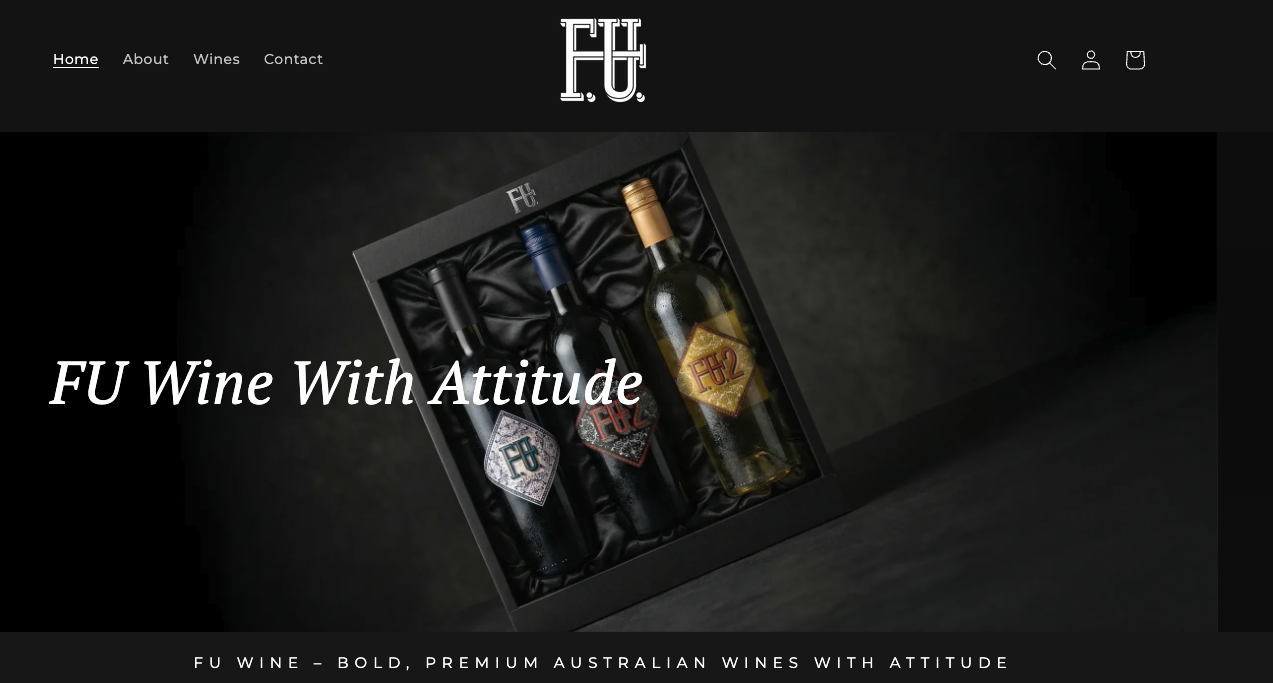
Explore standout examples like F.U. Barossa Valley Cabernet Sauvignon 2010, offering mature Australian Cabernet with over a decade of bottle age at prices that challenge industry conventions. For collectors seeking newer vintages with proven ageing potential, Fu2 Barossa Valley Cabernet Sauvignon 2021 delivers quality fruit and expert winemaking ready for your cellar. Every bottle represents the anti-establishment approach to wine buying, cutting through markups and gatekeeping to deliver genuine value.
Frequently asked questions about cellar-aged wines
What defines a wine as cellar-aged?
A cellar-aged wine has been stored under controlled conditions for an extended period, typically five years or more, allowing tannins to soften and complex tertiary aromas to develop. The term implies intentional ageing beyond typical commercial release timelines, transforming the wine’s character through bottle evolution.
How does oak barrel type affect ageing?
Oak barrel type influences flavour through toast level, grain size, and barrel age. Medium-toast barrels introduce balanced vanilla and smoky notes, whilst heavy-toast adds robust spice and char. Grain size affects tannin extraction rates, with medium grain providing gradual, smooth integration ideal for premium reds.
Are amphora-aged wines suitable for long term storage?
Amphora-aged wines can age beautifully when the varietal and vintage support extended cellaring. The clay vessels preserve fruit purity and acidity, which are essential for graceful ageing. However, they lack the tannin contribution of oak, so the wine must have sufficient inherent structure from the fruit itself.
What benefits come from medium-toast oak ageing?
Medium-toast oak ageing balances flavour complexity with fruit preservation, adding vanilla and smoky notes without overwhelming varietal character. This toast level optimises aroma development in Cabernet Sauvignon and similar reds, creating wines that age gracefully whilst maintaining fruit vibrancy and structural integrity.
How to spot affordable premium aged wines?
Seek direct-source channels that eliminate traditional retail markups, focus on lesser-known regions producing quality fruit, and compare vintages across producers. Library releases from reputable wineries often offer exceptional value, as do mature wines from regions like Barossa Valley that rival pricier alternatives in quality.