

Tips for buying limited release wine: 2026 guide
TL;DR:
- Securing limited release wines depends on building long-term relationships with merchants rather than acting quickly. Provenance verification and proper storage are crucial to protect investments and maintain value. Starting small and understanding full costs ensures smarter purchasing, better drinking windows, and successful resale strategies.
Chasing a limited release wine can feel like being last in a very long, very exclusive queue. The tips for buying limited release wine that actually work go well beyond “act fast” or “know someone.” You need to understand how allocation systems favour long-term clients, why provenance documentation can make or break an investment, and how storage costs can quietly erase your returns before you even open a bottle. This guide cuts through the gatekeeping and gives you the practical framework to buy smarter, spend less, and drink better.
Table of Contents
- Key takeaways
- 1. Tips for buying limited release wine: understand allocation first
- 2. Secure your spot before the campaign opens
- 3. Verify provenance and authenticity without exception
- 4. Understand storage and what it actually costs
- 5. Plan drinking windows with the same care as purchase timing
- 6. Maintain proper resale strategy from day one
- 7. Apply pricing discipline to every purchase
- 8. Diversify across producers, regions, and vintages
- 9. Start modestly and scale with confidence
- My honest take on buying limited release wines
- Get ahead with FU Wine
- FAQ
Key takeaways
| Point | Details |
|---|---|
| Allocation relationships matter | Securing priority access to limited releases depends on established relationships with merchants and wineries, not just speed. |
| Provenance protects your investment | Verifying seller credibility and documentation reduces the risk of counterfeits and poor quality bottles significantly. |
| Landed costs add up fast | Budget beyond the bottle price. Carriage, duty, VAT, and storage fees often exceed the advertised campaign price. |
| Storage conditions preserve value | Bonded warehouses at 10–14°C with correct humidity outperform home storage for long-term value and provenance. |
| Start small, then scale | Beginning with a single case helps you understand the process before committing serious capital to limited releases. |
1. Tips for buying limited release wine: understand allocation first
Before you even think about which bottle to chase, you need to understand how allocation works. Wineries and estates do not sell limited releases on a first-come, first-served basis to random strangers. They prioritise long-term clients. Collectors who have bought consistently across vintages. People whose names the merchant already knows.
Allocation success depends on established trade relationships and staggered vintage purchasing rather than last-minute campaign entries. That means the best thing you can do right now, even if you are not buying this week, is start building those relationships.
A few things worth doing:
- Register your interest with specialist merchants months before a release campaign opens.
- Buy modestly across multiple vintages to demonstrate you are a consistent, serious client.
- Ask about substitution clauses upfront. If your preferred wine is unavailable, what replaces it and at what price?
- Confirm the full contract terms, especially cancellation policies and timeline for delivery.
Pro Tip: Ask your merchant directly how their allocation priority list works. Most will tell you honestly. Knowing where you stand is far more useful than assuming you will get access on release day.
2. Secure your spot before the campaign opens
Timing is everything, but not in the way most people think. The collectors who consistently secure limited releases are not the ones hitting refresh on a website at midnight. They are the ones who had conversations with their merchant weeks earlier.
En primeur Bordeaux campaigns are a good example. Delivery typically takes 12 to 24 months after purchase, and the most desirable allocations are quietly distributed to priority clients before the general release even begins. By the time the public hears about it, the best bottles are already spoken for.
What that means practically: if you want access to the genuinely scarce stuff, you need to be in the conversation before the bottle exists in any marketable sense.
3. Verify provenance and authenticity without exception
Every limited edition wine buying tip worth having comes back to this one point. Provenance is not optional. It is the difference between a sound investment and an expensive lesson.
Older bottles are significantly more prone to counterfeits. The more prestigious the label, the higher the risk. This is not just a problem for auction houses. It shows up in online marketplaces, private sales, and even some less-scrupulous merchants.
Watch for these red flags:
- Pricing that sits noticeably below the market average for that producer and vintage.
- Sellers who cannot or will not provide a clear chain of custody.
- Labels, capsules, or fill levels that do not match documented records for that release.
- No storage history or vague answers when you ask about cellar conditions.
“Avoid deals that seem too good to be true. Check provenance carefully, especially for older or limited bottles, and start with small orders to test seller credibility before committing to larger purchases.” — Wine collecting best practice
Trusted, specialist merchants with documented provenance records are your safest option. The provenance and stable bonded storage significantly enhance collectible wine values and market confidence. That is not just comfort. It is financial reality.
4. Understand storage and what it actually costs
Here is where a lot of collectors quietly lose money. They focus on the bottle price, celebrate securing an allocation, and then get blindsided by the full cost of getting that wine to their cellar in good condition.
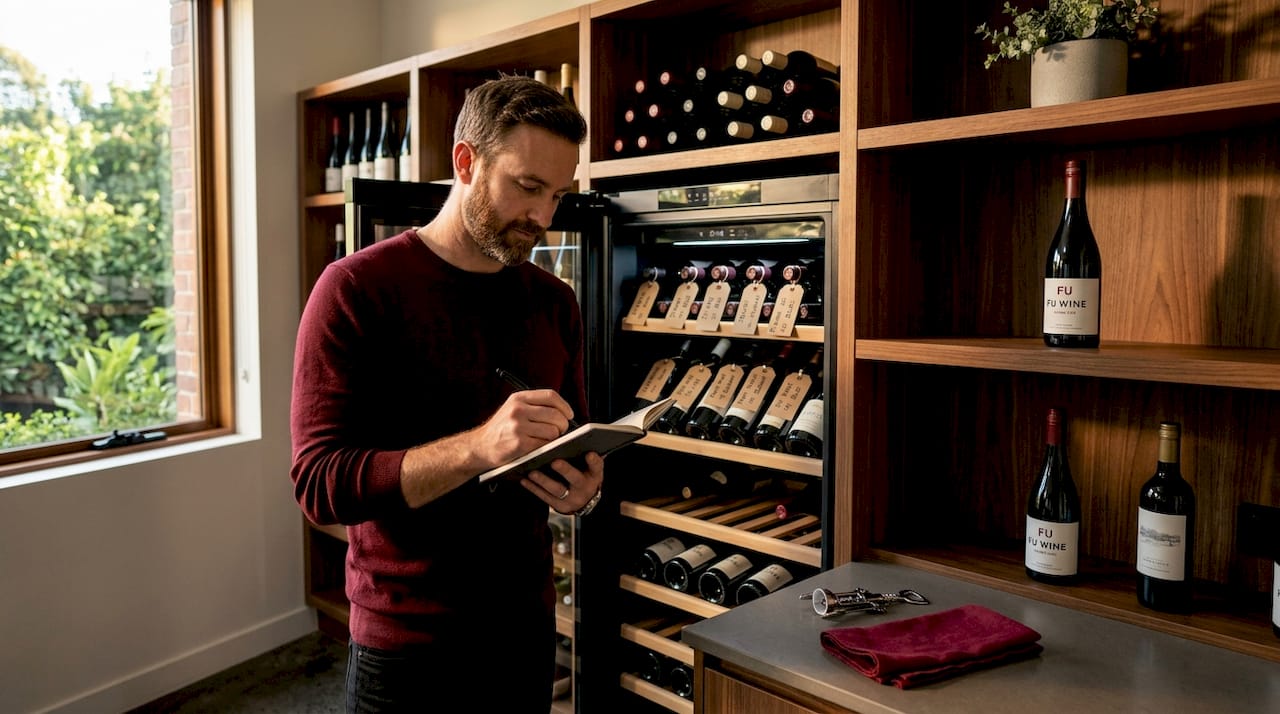
Landed costs including carriage, insurance, taxes, and bonded storage fees often exceed the advertised campaign price. That is not a small print problem. It is a planning problem. You need to budget for the full chain before you commit.
Here is a quick breakdown of what to account for:
| Cost component | What to expect |
|---|---|
| Carriage and freight | Varies by volume and distance; often $20–$60 per case |
| Import duty | Depends on origin and local tariff schedules |
| GST or VAT | Applied on arrival or release from bond |
| Bonded storage fees | Annual charge per case; typically $15–$40 per case per year |
| Insurance | Modest but worth confirming for high-value bottles |
On the storage side: optimal temperature for cellaring sits between 10 and 14°C with humidity at 60 to 80 percent, vibration-free and light-protected. Most home setups cannot reliably deliver that. And temperature extremes accelerate ageing or risk freezing, with humidity near 60 to 70 percent being critical for cork integrity.
Pro Tip: For investment-grade bottles, keep them in bonded storage until you are ready to sell or drink. You defer duty and VAT, preserve provenance, and protect resale value. Pulling bottles out early locks in costs you cannot recover.
5. Plan drinking windows with the same care as purchase timing
One of the most common and painful mistakes collectors make is buying a great limited release and then drinking it five years too early. Or worse, five years too late.
Using drink windows and critic reviews helps you plan when to consume or resell, avoiding the expensive mistake of missing peak maturity. Serious reds from elite producers can have windows of 8 to 25-plus years. Age-worthy whites from 5 to 20-plus years. These are not rough guesses. They are calculated windows based on structure, acid, tannin, and historical performance.
A few strategies that actually work:
- Schedule a tasting check-in at the early edge of the drinking window. Open one bottle before committing to the rest.
- Cross-reference producer notes with at least two independent critic reviews. Producers are sometimes optimistic about ageing potential.
- Mark your calendar. Sounds obvious, but plenty of collectors forget about bottles and open them a decade past their best.
- For understanding wine distribution and how release cycles influence timing, it pays to stay connected to your merchant’s communications.
6. Maintain proper resale strategy from day one
If you are buying with any investment intent, leaving wines in bonded storage until resale maintains provenance and avoids triggering VAT and duty. That matters more than most buyers realise. A bottle with an unbroken chain of custody in professional storage commands meaningfully more than an identical bottle that spent years in someone’s garage.
Your resale channels matter too. Specialist wine auction houses, peer-to-peer platforms with provenance requirements, and direct sales through merchant networks all offer different price outcomes. Know your options before you need them. The time to research your exit is before you buy, not after.
7. Apply pricing discipline to every purchase
Paying 15 percent above market price versus buying 10 percent below delivers fundamentally different five-year outcomes. That gap compounds over time. Pricing discipline is one of the most overlooked tips for investing in wine, especially when excitement around a hyped release creates artificial urgency.
Do not let scarcity panic override your numbers. If a bottle is trading at a premium purely because of social media buzz, that premium rarely sustains itself. Wait, or move on. Better value often appears in the second or third vintage after a winery’s breakout year, when supply catches up slightly but quality remains high.
8. Diversify across producers, regions, and vintages
Strategies for selecting exclusive wines should never concentrate all your capital in one producer or one year. Vintage variation is real. One poor growing season can significantly affect the quality and resale trajectory of an entire release. Spreading purchases across producers and regions reduces that risk.
Collectors who spread orders across vintages and producers consistently manage risk better than those who go all-in on a single name. That applies whether you are buying two cases or twenty. Think of it the same way you would approach any investment portfolio. Concentration creates upside potential. It also creates significant downside exposure.
9. Start modestly and scale with confidence
The best practice for wine collectors who are new to limited releases is simple: start with a single case. One case. Learn the allocation process. Understand the merchant relationship. Experience the landed cost reality firsthand. Then scale from that informed position.
This is not timidity. It is how serious collectors avoid costly mistakes in their first year. The futures process has quirks that are hard to anticipate until you have been through it once. Starting small means those quirks are a learning experience rather than a financial hit.
My honest take on buying limited release wines
By Damien
I’ve watched a lot of collectors chase the big names and end up disappointed. Not because the wine was bad. Because the purchase was driven by hype rather than homework.
In my experience, the single biggest factor separating collectors who build genuinely valuable cellars from those who just accumulate expensive bottles is this: they understand that allocation and logistics matter more than the label. A wine with an extraordinary reputation stored badly in a warm apartment is worth less, not more, than a mid-tier bottle in perfect bonded conditions with full documentation.
I’ve also seen the pricing discipline issue derail otherwise solid collections. People overpay during release excitement, then find themselves holding stock that cannot be resold profitably because they bought at peak hype. The wines I’ve seen perform best over five-plus years were almost always bought quietly, from producers with consistent track records, at prices that reflected reality rather than social media noise.
The questions to ask about rare wines before buying are not “will this impress someone at dinner?” They are “where has this been stored, what does delivery actually cost me, and what is my exit if I want to sell?” Those are the questions that separate collectors from consumers.
— Damien
Get ahead with FU Wine
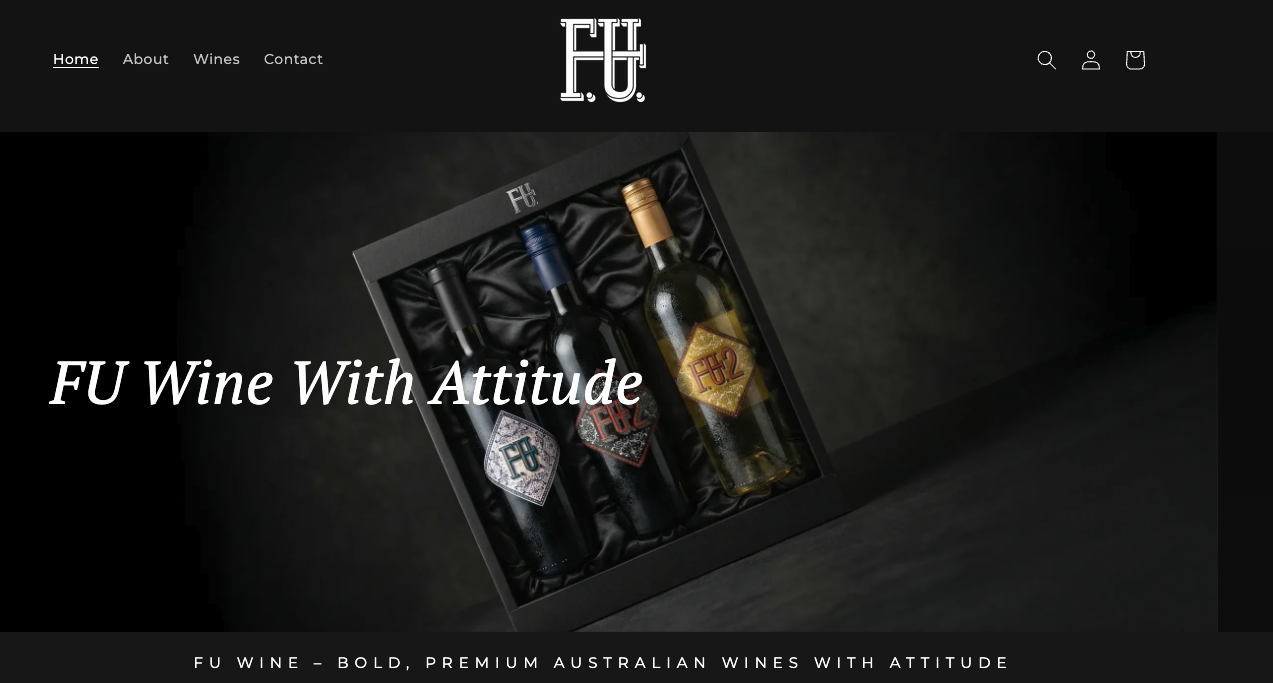
Tired of paying inflated prices just to access wines that should be available to anyone who appreciates them? That is exactly the problem FU Wine was built to solve. FU Wine gives you direct access to premium limited releases at prices that would make traditional wine merchants genuinely uncomfortable. No pretension. No inflated markups. No gatekeeping. Just rare, high-quality bottles sourced through direct producer relationships and opportunistic buying. Whether you are building a cellar for investment or simply want to drink extraordinary wine without paying extraordinary prices, FU Wine has the bottles and the knowledge to back you up.
FAQ
What is a wine allocation and how do you get one?
A wine allocation is a guaranteed quantity of a limited release offered to priority clients before the general public. You secure one by building a consistent purchasing relationship with a specialist merchant or directly with a winery.
How do you verify the provenance of a limited release wine?
Ask the seller for a documented chain of custody, check storage history and conditions, and be cautious of any pricing that sits significantly below the known market rate for that producer and vintage.
What are the main hidden costs in buying limited release wines?
Beyond the bottle price, budget for carriage, import duty, GST or VAT on arrival, annual bonded storage fees, and insurance. These costs can equal or exceed the original purchase price over a typical holding period.
When should you drink or sell a limited release wine?
Use producer-provided drinking windows alongside two or more independent critic reviews to identify peak maturity. Schedule a tasting at the start of the window rather than waiting for a single “perfect” moment.
Is bonded storage really necessary for investment wines?
Yes. Bonded storage preserves provenance, defers duty and VAT until the wine is released, and provides the documented chain of custody that buyers and auction houses require for premium resale pricing.