

Single vineyard wines: the collector's complete guide
TL;DR:
- Single vineyard wines come entirely from one defined vineyard, capturing the true essence of terroir. They show measurable differences based on soil, microclimate, and vintage, which serious collectors prize for authenticity. Authenticity is verified through specific labels, certifications, and strict production standards, emphasizing site and vintage importance.
A single vineyard wine is made entirely from grapes grown within one precisely defined vineyard site, capturing the unique character of that place without blending from other vineyards. The industry term for this concept is “single estate” or “single parcel” wine, and it sits at the serious end of the quality spectrum. These are terroir wines in the truest sense. Every bottle tells you exactly where it came from, what the soil tasted like, and what the season threw at the vines. No blending masks the story. No winemaker’s formula softens the edges. You get the place, raw and honest.
What are single vineyard wines and why do they matter?
Single vineyard wines are defined as wines produced 100% from grapes grown within one geographically delimited vineyard, marketed specifically for their ability to express terroir more clearly than blended wines. That definition matters because it draws a hard line. These are not “estate” wines in the loose sense. The fruit comes from one site, full stop.
The significance runs deeper than geography. When a winemaker commits to a single parcel, every variable in that parcel becomes part of the wine. Soil composition, drainage patterns, altitude, sun exposure, and seasonal weather all show up in the glass. There is nowhere to hide a bad vintage and no neighbouring block to borrow richness from. That transparency is exactly what serious collectors prize.
Formal recognition of the category exists in several major wine regions. Spain’s DOCa Rioja classification, for instance, created the “Viñedo Singular” designation to give legal weight to the concept. That kind of regulatory backing separates genuine single estate wines from marketing language dressed up to look like one.
How does terroir shape the flavour of these wines?
Terroir is the collective influence of a vineyard’s natural environment on the wine it produces. Soil type, climate, altitude, and micro-conditions all have measurable effects on flavour, complexity, and how much a wine changes from one vintage to the next. Understanding these factors helps you taste with purpose rather than just preference.
Soil composition
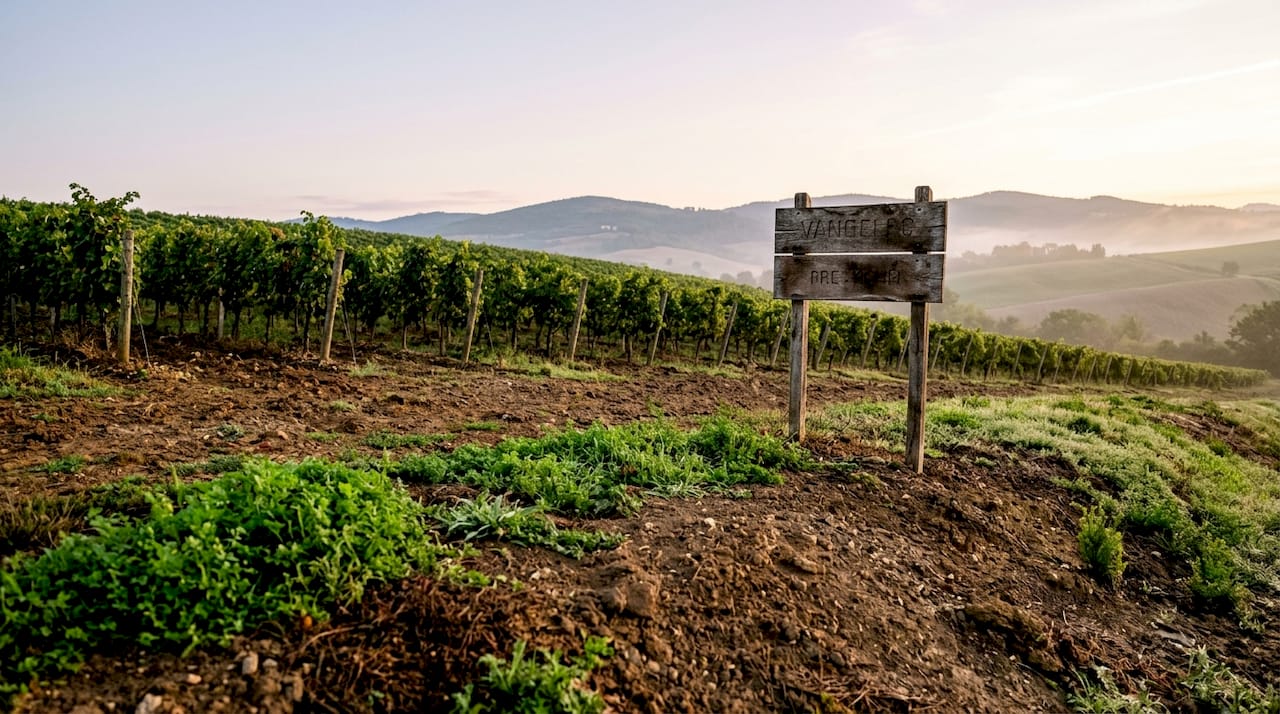
Different soils produce genuinely different wines from the same grape variety. Clay soils retain moisture and tend to produce wines with weight, richness, and a plush texture. Rocky or fractured shale soils drain quickly, stress the vine, and push the plant to concentrate flavour into fewer berries. Winemakers use detailed soil profiling and vineyard mapping to identify parcels with unique geological compositions, such as clay-limestone blends or fractured shale, that will produce wines with genuine complexity.
Microclimate and altitude
A vineyard sitting 50 metres higher than its neighbour can ripen grapes a week later, producing wines with more natural acidity and finer tannin structure. Coastal influence brings morning fog that slows ripening and preserves aromatics. Inland heat spikes push sugar accumulation faster. These are not abstract concepts. They show up as real differences in the glass between two bottles from the same region but different sites.
Vintage variation
Single vineyard wines reflect greater vintage variation than blended wines because there is no correction mechanism. A cool, wet season produces a leaner, more aromatic wine from the same parcel that delivered a rich, concentrated bottle the year before. Collectors value this variability as proof of authenticity. It means the wine is responding to nature, not a formula.
Key terroir factors to watch for when tasting:
- Soil: Look for textural weight (clay) or mineral sharpness (limestone, shale)
- Altitude: Higher sites often show brighter acidity and floral lift
- Aspect: North-facing slopes in the Southern Hemisphere receive more sun and produce riper fruit
- Drainage: Well-drained sites concentrate flavour; waterlogged soils dilute it
- Season: A warm vintage brings generosity; a cool one brings precision
Pro Tip: When tasting a select vineyard wine, try to identify one soil-driven characteristic before reading the label. Mineral salinity, chalky texture, or a gravelly dryness on the finish are all terroir signals you can train yourself to recognise.
What production standards define quality single vineyard wines?
The production requirements for genuine premium vineyard selections are strict, and they exist for good reason. Without controls on yield, vine age, and vinification location, the “single vineyard” label becomes meaningless.
-
Vine age. DOCa Rioja’s Viñedo Singular certification requires vines at least 35 years old. Older vines produce fewer grapes per plant, concentrating flavour and complexity into a smaller crop. This is not sentiment. It is viticulture.
-
Yield limits. Strict caps on how many kilograms of fruit a vine can produce per season are standard in certified designations. Lower yields mean more concentrated, characterful wine. High-yielding vines produce dilute fruit regardless of how good the soil is.
-
Manual harvest. Hand picking is required under most formal single vineyard standards. Machines cannot selectively pick only ripe bunches, and they damage fruit in ways that affect fermentation. Hand harvesting preserves berry integrity and allows sorting in the vineyard.
-
On-site vinification. Production must occur on the estate to maintain traceability. Trucking grapes to a remote facility introduces variables and breaks the chain of custody that gives the wine its story.
-
Balanced vine growth. Pruning, trellising, and thinning practices maintain equilibrium between foliage and fruit. Too much leaf canopy shades the grapes and delays ripening. Too little exposes them to sunburn. Getting this balance right is skilled, season-by-season work.
-
Minimal intervention winemaking. Winemakers producing single estate wines often use simple maceration, natural fermentation, and restrained ageing to let the vineyard speak rather than the winery. The goal is transparency, not transformation.
Pro Tip: Check the back label for the vineyard name, vintage year, and any certification logo. If a wine claims single vineyard status but lists only a regional appellation without a named parcel, treat that claim with scepticism.
How do single vineyard wines differ from blended wines?
The difference between a single estate wine and a blend is not simply about quality. It is about intent. Blending is a legitimate craft. A skilled winemaker assembles components from multiple vineyards, varieties, or vintages to build a consistent, balanced wine year after year. Single vineyard winemaking does the opposite. It commits to one place and lets the vintage decide.
| Feature | Single vineyard wines | Blended wines |
|---|---|---|
| Fruit source | One named, delimited vineyard | Multiple vineyards or regions |
| Vintage variation | High. Reflects seasonal conditions | Low. Blending corrects for variation |
| Production volume | Limited. Often as few as 120 cases per vintage | Large. Designed for consistent supply |
| Winemaker role | Terroir transparency and restraint | Artistry, balance, and consistency |
| Traceability | Full. Named site, certified origin | Partial. Regional or appellation level |
| Collector appeal | High. Rarity and site specificity | Moderate. Brand consistency valued |
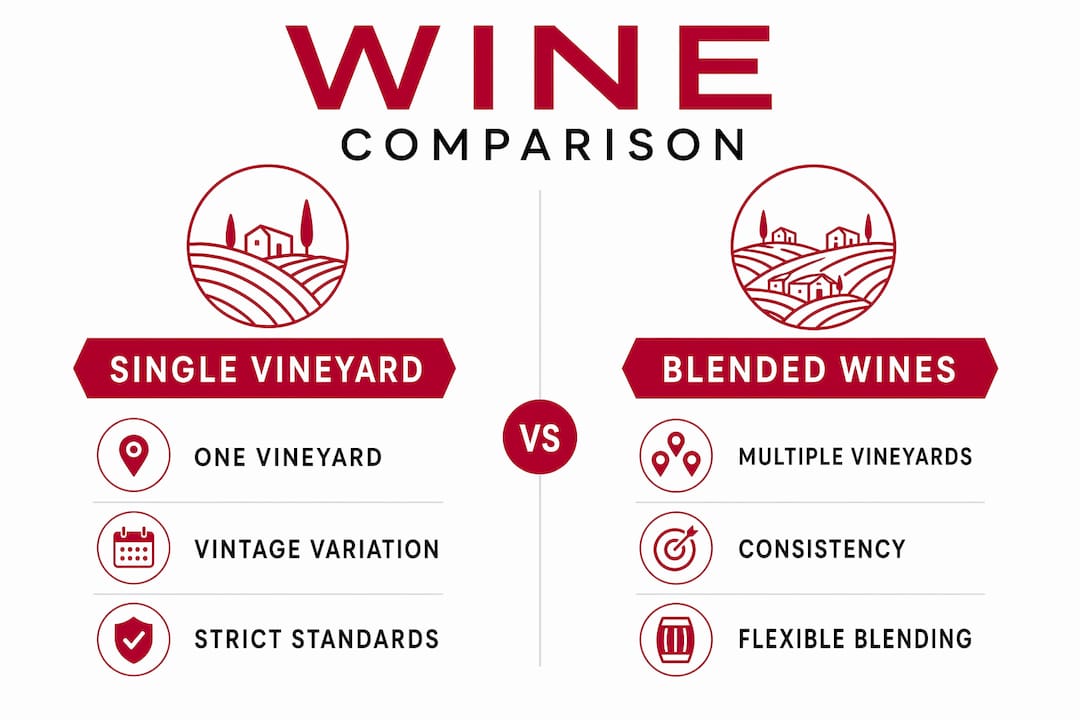
Single vineyard wines reflect greater vintage variation than blended wines, and that variability is valued by enthusiasts for its authenticity. A great blended wine is a reliable pleasure. A great single vineyard wine is a specific moment in time, from a specific place. Both have their role. But only one tells you the whole truth.
How to identify and source authentic premium vineyard selections
Reading a wine label well is the first skill any serious collector needs. Authentic single vineyard wines give you specific information. Vague labels are a warning sign.
Look for these signals on the label:
- Named vineyard. The parcel name should appear prominently, not buried in fine print. “Estate” alone is not enough.
- Vintage year. Every bottle should carry a vintage. Single vineyard wines without a vintage date are not expressing terroir. They are blending across years.
- Region and appellation. The more specific the geographic designation, the better. A named sub-region beats a broad regional claim every time.
- Certification logo. Designations like DOCa Rioja’s Viñedo Singular provide independent audit assurance that the wine meets formal standards. Without such designations, authenticity depends entirely on producer reputation.
- Unfined and unfiltered notation. True single vineyard wines often go unfined and unfiltered to retain character. Minor sediment or cloudiness in the bottle signals winemaker intent, not a flaw.
On pricing, entry-level single vineyard bottles start from around $29 AUD, while scarce releases with limited production of as few as 120 cases per vintage command significant premiums. That scarcity is real. Limited production and story-driven provenance justify higher prices because the wine cannot be scaled up without destroying what makes it special.
For sourcing, buying direct from the estate gives you the most reliable provenance. Trusted specialist retailers with direct producer relationships are the next best option. Understanding how luxury wine is sourced without inflated markups matters when you are chasing bottles that rarely reach general retail.
Pro Tip: When a single vineyard wine you want is sold out at the estate, look for allocation releases and cellar clearances through specialist sellers. That is often where the best bottles surface at prices that make sense.
Key takeaways
Single vineyard wines deliver the most honest expression of terroir available in the bottle, and that transparency is what separates them from every other category in the market.
| Point | Details |
|---|---|
| Definition is strict | Single vineyard wines use 100% fruit from one named, delimited site with no blending from other parcels. |
| Terroir drives flavour | Soil, altitude, microclimate, and drainage all produce measurable differences in aroma, texture, and structure. |
| Certification matters | Designations like DOCa Rioja’s Viñedo Singular provide independent audit assurance that generic labels cannot. |
| Vintage variation is a feature | Greater year-to-year variation signals authenticity, not inconsistency. |
| Sourcing requires skill | Named vineyard, vintage year, and certification logos are the three non-negotiable label checks before buying. |
Damien’s take: what single vineyard wines actually teach you
The thing most articles miss about single estate wines is that they are not just a product category. They are a discipline. Drinking them well requires you to pay attention in a way that most wine does not demand.
I have tasted wines from the same producer, same variety, same winemaking approach, but different parcels sitting 200 metres apart. The differences were not subtle. One was all dark fruit and grip. The other was floral, tighter, and finished with a mineral salinity that stayed for minutes. That experience taught me more about terroir than any textbook. The vineyard was doing the talking, and the winemaker had the sense to stay out of the way.
What I find underappreciated is the ageing potential of these wines. Because they are built on site character rather than winemaker correction, they tend to evolve in genuinely surprising ways. A single vineyard Shiraz from a cool, rocky site that tastes austere at release can open into something extraordinary after eight years in the cellar. Patience rewards the collector who understands what they bought.
My honest advice: do not chase scores on these wines. Chase the story. Find a producer whose vineyard you trust, buy across multiple vintages, and taste them side by side over time. That is how you actually learn what a place tastes like. And once you know that, you will never look at a blended wine the same way again.
— Damien
Where to find genuine single vineyard wines without the markup
Premium single vineyard wines are rare by nature. Finding them at fair prices is rarer still.
Com sources authentic, high-quality single estate wines directly through producer relationships, allocation releases, and cellar clearances. That means you get bottles with genuine provenance and certified terroir credentials, not inflated retail prices. The selection rotates, which keeps things interesting and the deals real. If you are serious about building a premium collection without paying the traditional gatekeeping tax, Com is where to look. Every bottle in the range is chosen for quality, scarcity, and character. Life is too short for ordinary wine, and the prices here prove it does not have to cost a fortune to drink the good stuff.
FAQ
What makes a wine officially “single vineyard”?
A single vineyard wine must use 100% grapes from one named, geographically delimited site. Formal certifications like DOCa Rioja’s Viñedo Singular add independent audit requirements covering vine age, yield, and on-site vinification.
Why do single vineyard wines cost more than blended wines?
Limited production, often as few as 120 cases per vintage, combined with strict viticultural requirements and hand harvesting, drives the price premium. Scarcity and provenance are priced into every bottle.
Is sediment in a single vineyard wine a defect?
No. Unfined and unfiltered wines often show minor sediment or cloudiness, which signals minimal intervention and the winemaker’s intent to preserve the vineyard’s character rather than a production flaw.
How does vintage variation affect single vineyard wines?
Because there is no blending to correct for seasonal conditions, vintage variation is higher in single vineyard wines than in blended wines. Collectors value this as proof that the wine is responding to nature, not a formula.
How do I learn to taste terroir in a wine?
Focus on texture and finish rather than fruit flavour alone. Soil-driven characteristics like mineral salinity, chalky dryness, or a gravelly grip on the finish are the clearest terroir signals. Tasting the same variety from different sites side by side accelerates the learning dramatically.