

What a single parcel wine actually is (and why it matters)
A single parcel wine is bottled from one discrete plot within a vineyard, not the whole vineyard and definitely not a blend across sites. Producers isolate that plot because its unique combination of soil, slope, and drainage produce a distinct flavour signature. A single vineyard wine can still stitch together several rows or blocks under one name. A single parcel goes narrower again, down to a specific patch a producer has decided is worth bottling alone.
That’s the whole appeal in one line: you’re drinking a fingerprint, not a portrait.
- Single parcel = one defined plot, often a small vineyard block
- Single vineyard = the whole named vineyard, potentially many parcels combined
- Blends = multiple vineyards or parcels combined for consistency, not site expression
Krug’s Clos du Mesnil comes from a walled small Château plot of Chardonnay, and the house only releases it in years its tasting committee judges worthy. That’s not marketing restraint. That’s the plot simply not always making the cut, which is exactly why collectors chase it.
TL;DR:
- Single parcel wines come from one specific, mapped plot, offering a more precise site expression than single vineyard or estate wines.
- Most parcel releases depend on the producer’s tasting committee and may be skipped in poor vintages, emphasizing authenticity over routine production.
- Limited production means these wines are primarily accessed through producer mailing lists, private allocations, or limited-drink guides rather than retail shelves.
- Vintage variation in parcel wines directly reflects the weather impact on that exact plot, with no blending to smooth out year-to-year differences.
- FU Wine provides direct access to vetted, limited parcel bottles through allocation-style deals, bypassing traditional retail and waiting times.
Table of Contents
- What makes single parcel wines: soil, selection, and small-lot craft
- Why collectors chase single parcel wines over everything else
- Three producers, three approaches to the single parcel idea
- How to actually find and buy single parcel wines
- How single parcel wines went from oddity to obsession
- The winemaking choices that protect parcel character
- Why vintage swings hit single parcel wines harder
- Single parcel vs single block vs single estate: what’s the real difference
- When a parcel bottle earns a spot in your cellar
- Get in on FU Wine’s current single-parcel drops before they’re gone
- Key Takeaways
- Sources
What makes single parcel wines: soil, selection, and small-lot craft
Getting from “interesting patch of dirt” to a wine worth bottling alone takes years, not a season. Producers walk the vineyard block by block, mapping soil composition, drainage, sun exposure, and vine age long before they touch a single grape with intent to isolate it.
Here’s the process most serious houses follow:
- Soil and topography mapping. Producers dig, test, and record differences in clay, limestone, or gravel across even small distances.
- Vine performance tracking. A block gets flagged when it consistently outperforms or diverges in ripeness, yield, or flavour across vintages.
- Separate harvest and fermentation. The parcel is picked and vinified alone, away from the main blend tanks, so nothing dilutes what makes it distinct.
- Barrel and vessel selection. Oak, concrete, or steel gets chosen specifically for that parcel’s character, not applied uniformly across the estate.
- Committee tasting and sign-off. A tasting panel decides, often blind, whether the result justifies a standalone release.
Don Melchor’s parcel series emerged from decades of vineyard subdivision and study, splitting one flagship estate into many micro-parcels before deciding which deserved their own bottle. Château de Chambert takes the same logic and puts it right on the label, naming specific parcellaires with their own soil and aspect notes.
Pro Tip: If a producer can’t tell you which specific block a wine came from and why that block earned its own bottling, it’s a marketing story dressed up as terroir, not the real thing.
Why collectors chase single parcel wines over everything else
Scarcity is the obvious draw, but it’s not the only one. A single parcel wine gives you the truest possible read on what a vintage did to one exact piece of ground. No blending softens the rough years or smooths the brilliant ones.
- Production runs are typically relatively small and many never reach general retail at all
- Because there’s no blending to buffer vintage swings, single parcel wines tend to show greater vintage-to-vintage variation than estate blends built for consistency
- Secondary-market demand is often highest for releases tied to a named plot with a documented history, especially when a house skips a vintage entirely
That intermittency is part of the value story. Don Melchor’s own framing treats each parcel release as a way to showcase estate diversity one block at a time, rather than a permanent annual fixture. Collectors who understand that rhythm know a “missed” vintage isn’t a failure. It’s the tasting committee doing its job.
Three producers, three approaches to the single parcel idea
Seeing how different houses handle the concept tells you more than any definition can. Three examples, three very different rationales.
- Krug Clos du Mesnil — a 1.84 hectare walled Chardonnay plot in Champagne, bottled alone only when the house’s tasting committee agrees the year produced its purest expression. Some vintages, the plot’s fruit simply goes back into the main blend instead.
- Viña Don Melchor DM/01 — Chile’s answer to the same logic, launched as a parcel series designed to complement the flagship Cabernet rather than replace it, with tightly limited bottle counts each release.
- Château de Chambert’s single-parcel Malbecs — Cahors bottlings sold under named parcellaire labels, each carrying its own soil and aspect description rather than a generic estate story.
The lesson across all three: a single parcel release isn’t a permanent product line. It’s a decision made fresh, plot by plot and year by year, about whether one small piece of ground earned the right to speak for itself.
What this teaches collectors is practical, not just romantic. Krug’s model tells you to expect gaps in the release calendar. Don Melchor’s tells you a parcel series can run alongside a flagship wine rather than cannibalise it. Chambert’s tells you that even outside Champagne and the Andes, plot-led labelling is becoming a serious signal of intent rather than a novelty.
How to actually find and buy single parcel wines
Most single parcel releases never touch a bottle shop shelf. If you’re relying on walking into a retailer, you’re already behind.
- Join producer mailing lists directly. Houses like Krug and Don Melchor announce parcel releases to their own lists before anyone else hears about them.
- Get on allocation lists with specialist merchants. Many parcel bottlings move through private allocations rather than open sale, so relationships matter more than timing.
- Track producer release calendars. Some houses announce annually whether a parcel wine will even exist that vintage, so knowing the pattern saves you chasing wines that were never bottled.
- Budget in tiers, not a single number. Set a ceiling for your top-priority parcel and a lower band for secondary picks, because allocations rarely let you buy everything you want.
- Verify provenance before you pay. Ask for original purchase documentation, especially on secondary-market or auction bottles, and be wary of any parcel wine priced well below known allocation rates.
Pro Tip: Cellar clubs and limited production wine guides are worth more than casual browsing. Producers reward known buyers with earlier access, and that history compounds over years.
How single parcel wines went from oddity to obsession
Naming a wine after one specific plot isn’t new. Burgundy’s monks were drawing lines around individual climats centuries before “single parcel” became a marketing term anyone used deliberately. What’s changed is the intent behind it.
For most of the twentieth century, blending across parcels was the default because consistency sold better than curiosity. A house wanted its flagship wine to taste the same, vintage after vintage, so buyers knew what they were getting. Isolating one plot and bottling it alone was the exception, usually reserved for a handful of Old World estates with the pedigree and patience to justify it.
That started shifting as collectors grew more curious about site expression over brand consistency, and as producers realised a compelling parcel story could command a premium rather than just satisfy a niche. Champagne houses like Krug had already proven the model worked. New World producers, Don Melchor among them, spent decades mapping their own estates before following the same path, subdividing flagship vineyards into micro-parcels worth bottling separately.
The result is a category that now spans nearly every serious wine region, from Cahors to the Andes. What single parcel wines signify today isn’t just rarity. It’s a producer willing to let one small, specific piece of ground stand or fall on its own merits, without the safety net of a blend to smooth things over.
The winemaking choices that protect parcel character
Once a parcel is picked, the entire point is to change as little as possible about what that specific site produced. That sounds simple. It isn’t.
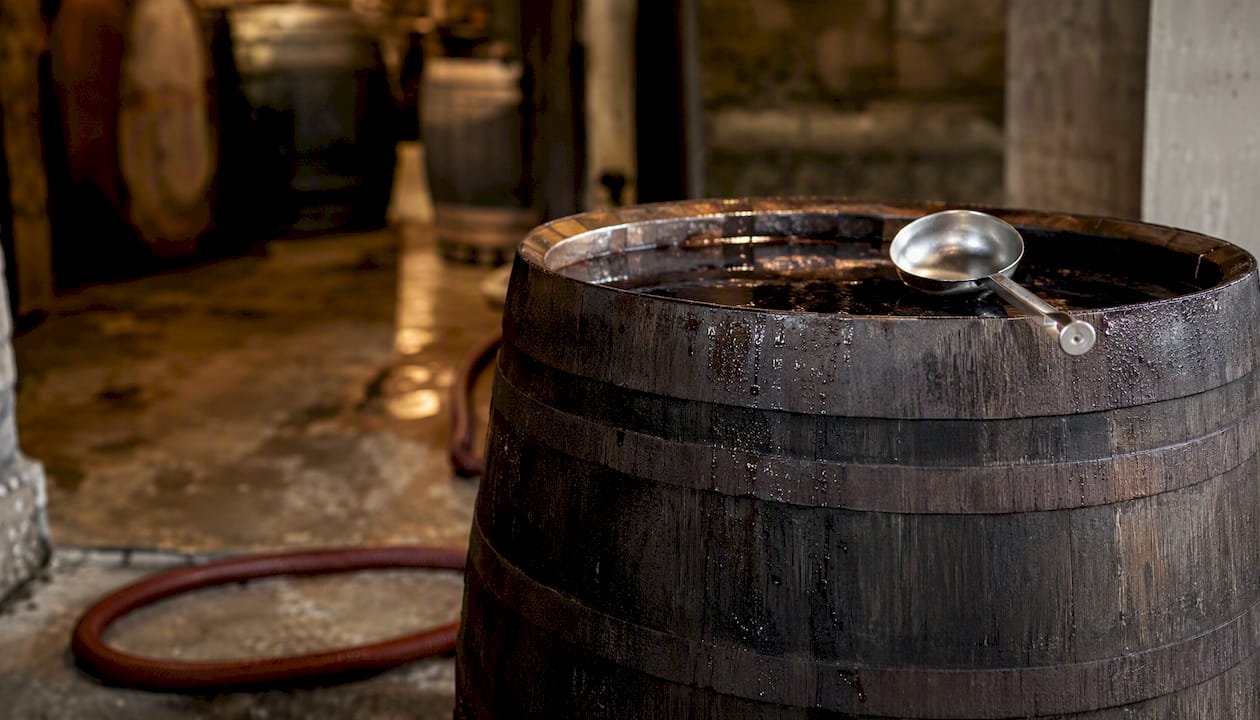
Fermentation happens separately from the main blend, usually in smaller vessels sized to the parcel’s yield rather than the estate’s total crop. Some producers use native yeast specifically on parcel lots to avoid a cultured strain flattening subtle site character. Extraction during fermentation gets handled with more restraint too, because a small parcel with concentrated fruit can tip into over-extraction fast if treated the same way as a larger blend tank.
Oak selection becomes a deliberate variable rather than a house default. A parcel with naturally high acidity might get a gentler, older barrel to avoid masking its structure, while a riper block might handle new oak without losing its identity. Château de Chambert’s parcellaire approach reflects exactly this, matching vessel choice to the specific soil and aspect of each named plot rather than running one barrel program across the whole estate.
The final decision, in most serious houses, comes down to a tasting committee rather than a single winemaker’s call. Krug’s process involves months of blind assessment before the house decides whether Clos du Mesnil gets bottled alone that year or folds back into the main blend. That structure matters because it removes ego from the equation. The parcel earns its bottle or it doesn’t.
Why vintage swings hit single parcel wines harder
Blends exist partly to smooth out a bad year. Single parcel wines don’t have that luxury, and that’s precisely why collectors value them.
A frost event, a heatwave, or an unusually wet harvest shows up unmistakably in a wine made from one small plot, because there’s no fruit from a warmer or cooler block elsewhere on the estate to balance it out. This is a big part of why houses like Krug don’t commit to releasing a parcel wine every year. Some vintages simply don’t give the plot the conditions it needs to justify a standalone bottling, and the fruit goes back into the broader blend instead, where its imperfections matter less.
For collectors, this means a single parcel wine’s vintage isn’t just a date on the label. It’s a direct record of how one specific piece of ground handled that year’s weather, unfiltered by winemaking decisions designed to paper over the gaps. A cooler vintage might produce a leaner, more mineral expression from the same plot that gave something richer and more generous two years earlier. That variation, rather than being a flaw, is close to the entire point of buying parcel wines in the first place. You’re not paying for consistency. You’re paying for the truth of what that year did to that ground.
Single parcel vs single block vs single estate: what’s the real difference
These terms get used loosely, and that looseness costs collectors money when they assume more precision than a label actually delivers.
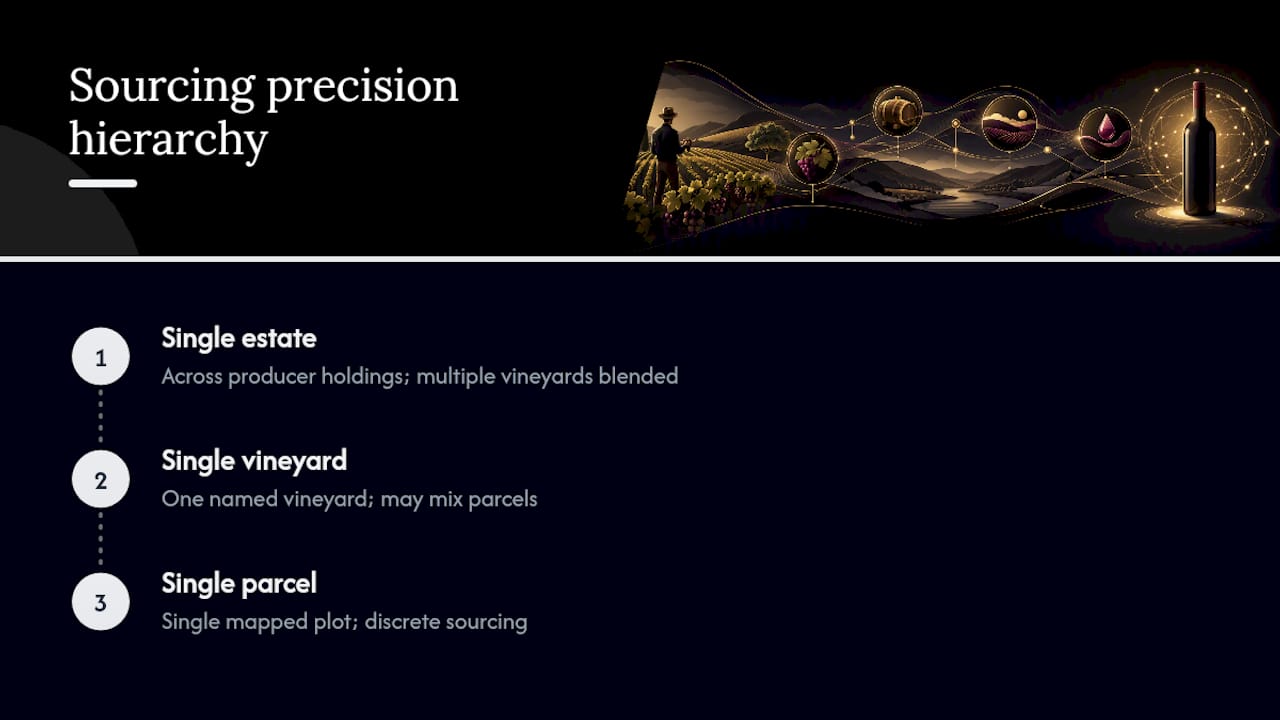
Single estate wines are the broadest category, sourced from anywhere across a producer’s landholdings, potentially multiple vineyards in different locations blended into one bottling. Single vineyard narrows that to one named vineyard site, though that vineyard might still contain several distinct parcels blended together within the bottle. Single block and single parcel are effectively the same concept in most usage, referring to one discrete, mapped plot within a vineyard, though “block” tends to appear more in New World labelling and “parcel” more in European and increasingly South American contexts.
Labelling rules complicate this further, and they’re not uniform. Vineyard-designated labelling in the United States requires at least 95% of the grapes to come from the named vineyard, but that threshold doesn’t guarantee single-parcel precision. A vineyard-designated label can still legally include fruit from multiple parcels within that vineyard. If plot-level specificity is what you’re actually after, the label needs to name the parcel directly, not just the vineyard.
This matters most when you’re comparing prices across a producer’s range. A single parcel bottling should command a premium over a single vineyard or single estate wine from the same house, precisely because the sourcing is narrower and the production smaller. If it doesn’t, either the pricing is off or the “single parcel” claim is doing more marketing work than viticultural work.
When a parcel bottle earns a spot in your cellar
Prioritise a parcel release when the producer has a documented history of skipping poor vintages rather than bottling one every year regardless. Consistency in restraint is the real trust signal.
Tasting tip: decant single parcel reds longer than you’d expect. Concentrated, site-specific fruit often needs more air to unwind than an estate blend of the same age.
— Damien
Get in on FU Wine’s current single-parcel drops before they’re gone
FU Wine runs the same treasure-hunt model for single parcel bottles as it does for every other rare pour on the site: hunt down the good stuff, cut the middlemen, and pass the saving straight to you. No inflated retail markup, no gatekeeping, just the actual bottle at a price that doesn’t insult your intelligence.
While Krug and Don Melchor run their own private allocation lists, FU Wine gives you a direct, no-nonsense way into limited and collectible parcel stock without needing an existing relationship with the producer. Every bottle gets checked for condition and provenance before it’s listed, and because stock moves through opportunistic buys and flash deals, quantities are genuinely first come, first served. If you’re serious about building a parcel-focused cellar without waiting years to get onto a producer’s list, join the mailing list and check the current offers page regularly. When a parcel bottle drops, it doesn’t sit around.
Key Takeaways
Single parcel wines earn their price and rarity by isolating one mapped plot’s soil, drainage, and micro-climate into a standalone bottling, with production runs and release schedules both deliberately limited.
| Point | Details |
|---|---|
| Definition matters | A single parcel wine comes from one discrete, mapped plot, narrower than a single vineyard or estate blend. |
| Release isn’t automatic | Houses like Krug only bottle their parcel wine in years a tasting committee judges the plot’s fruit worthy. |
| Buy through allocations | Most single-parcel stock moves through producer lists and private allocations, rarely general retail. |
| Vintage variation is the point | Without blending to smooth rough years, parcel wines show truer, sharper vintage character. |
| FU Wine offers direct access | FU Wine sources and vets limited single-parcel stock, offering allocation-style flash deals without needing a producer relationship. |
Sources
FU Wine hunts down premium, limited, and collectible bottles, single parcels included, and runs them through allocation-style drops rather than sitting them on a static shelf. Every bottle gets checked for condition, provenance, and fair pricing before it ever goes live.
- Our wines - Single parcel | Château de Chambert
- Krug Clos du Mesnil | Krug
- Viña Don Melchor launches single parcel series to ‘complement’ its iconic Chilean Cabernet | The Drinks Business
- The Parcel series: innovation in pursuit of excellence | Don Melchor