

Choosing the right wine to donate to a charity auction
Donate wine that matches the room, not your ego. A $40 shiraz that suits the crowd will outsell a $400 bottle nobody at a trivia night can afford to bid on. Selecting wine for charity auction donation success comes down to fit, not flex.
Before you wrap a single bottle, run through this:
- Pick a price band that matches the ticket price of the event
- Confirm provenance, especially on anything over five years old
- Choose the lot format: single bottle, vertical, case, or experience bundle
- Write a short lot card with a tasting note and a 90+ critic score if you’ve got one
- Decide who’s covering delivery before the bottle leaves your hands
Key Takeaways
Selecting wine for charity auction donation success means matching bottle price and format to your audience, not chasing the highest retail value you can find.
| Point | Details |
|---|---|
| Match price to audience | Choose entry, mid, premium, or high-end bottles based on what your bidders can actually afford. |
| Check condition first | Reject bottles with significant ullage, damaged labels, or no provenance for age claims. |
| Separate lot formats | Keep wine-pull stock apart from premium live auction lots to protect perceived value. |
| Plan bottle quantities | Use roughly 3 bottles per 5 participants to avoid running short or oversupplying. |
| Source smart | Com offers curated, donor-ready bottles with documentation, cutting sourcing time for organisers. |
Table of Contents
- Five quick checks before you donate wine to a charity auction
- Matching bottle price and quality to your event’s audience
- What wine styles and lot formats attract the most bids
- Condition and provenance checks that protect your donation’s value
- Building a lot card and presentation that lift final bids
- Choosing the right wines for wine-pulls, silent and live auctions
- Who covers delivery, insurance and other logistics costs
- How to source good donation wine without overspending
- Need donor-ready bottles fast? Here’s a shortcut worth considering
- Frequently asked questions
- Sources
Five quick checks before you donate wine to a charity auction
Run these five checks before a bottle leaves your cellar or shop shelf.
- Condition first. Check the cork, the fill level (ullage), and the label for stains or tears. Damaged bottles get rejected by good auction houses for a reason.
- Provenance second. If you can’t say where it’s been stored, don’t promise age or rarity claims on the lot card.
- Audience fit third. A $200 bottle at a school fete is dead stock. The same bottle at a specialist wine dinner is the star lot.
- Logistics fourth. Decide now who pays for delivery, insurance, and pre-event storage, so nobody’s chasing invoices after the gavel drops.
- Format fifth. Single bottle, vertical, case, or bundled experience. Each suits a different kind of bidder.
Pro Tip: Serve a small taste of the wine you’re donating at the event if you can swing it, following tips on how to plan a wine tasting event to maximise bidder engagement. Organiser forums consistently report that tastings lift bidder engagement and push wine lots higher than a silent shelf ever will.*
Matching bottle price and quality to your event’s audience
The single biggest mistake donors make is picking the most expensive bottle they own and assuming it’ll fetch the most money. It won’t, unless the room can afford it.
Think in four rough bands:
- Entry ($15 to $30): best for wine-pulls, raffle tables, and bulk lots where volume matters more than prestige.
- Mid-range ($30 to $80): the workhorse of most silent auctions. Recognisable regions, solid vintages, wines people will actually drink.
- Premium ($80 to $250): suited to live auction lots or paired experiences, where a story and a bit of ceremony justify the bid.
- High-end ($250+): only works with a specialist crowd, think a ticketed gala with known collectors in the room, or a wine-focused fundraiser where bidders understand what they’re looking at.
That last point matters more than most donors realise. Organisers who’ve run these events repeatedly stress matching bottle rarity to the bidders’ budget, not to what the wine is theoretically worth on the secondary market. A rare bottle at a general community event usually undersells its true value, sometimes badly, because nobody in the room has the context or the cash to chase it.
For reserve thinking, a simple rule works: set your opening bid low enough to get two or three people competing, rather than high enough to protect the bottle’s retail price. Competition, not caution, drives charity bidding.
What wine styles and lot formats attract the most bids
Approachable reds, crisp whites, and a well-known sparkling label sell reliably. Bidders recognise the region or the grape and feel confident bidding without needing to be a wine expert.
Formats matter just as much as the wine itself:
- A single standout bottle with a genuine story (a producer visit, a limited release) outperforms an anonymous bottle every time.
- Verticals of three to six bottles from the same producer across different vintages create a natural talking point and justify a higher combined bid.
- Themed cases built around a dinner party or a region give bidders a reason beyond “I like wine.”
- Experience bundles, a vineyard visit, a tasting session, a paired dinner, consistently pull higher bids because buyers are paying for the story as much as the wine.
Many bidders lean on high critic scores as a fast credibility shortcut. The specific critic matters less than the number itself, it’s shorthand that says “this is worth trusting,” even to someone who’s never tasted the wine.
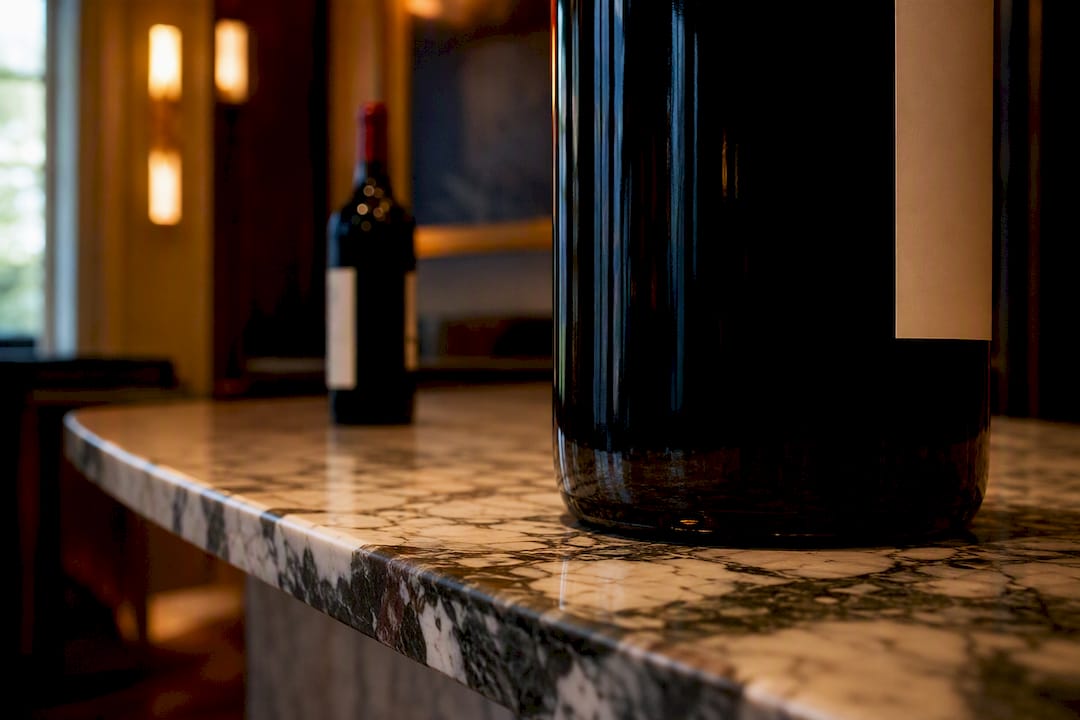
Pro Tip: A large-format bottle (magnum or bigger) reads as a bigger deal on a catalogue table than the wine inside it actually costs. It’s one of the cheapest ways to lift perceived value.
Condition and provenance checks that protect your donation’s value
Ullage, the air gap between wine and cork, is the first thing a seasoned auction buyer checks. Wines younger than 20 years shouldn’t show significant ullage, and excessive air space in an older bottle can signal spoilage rather than character.
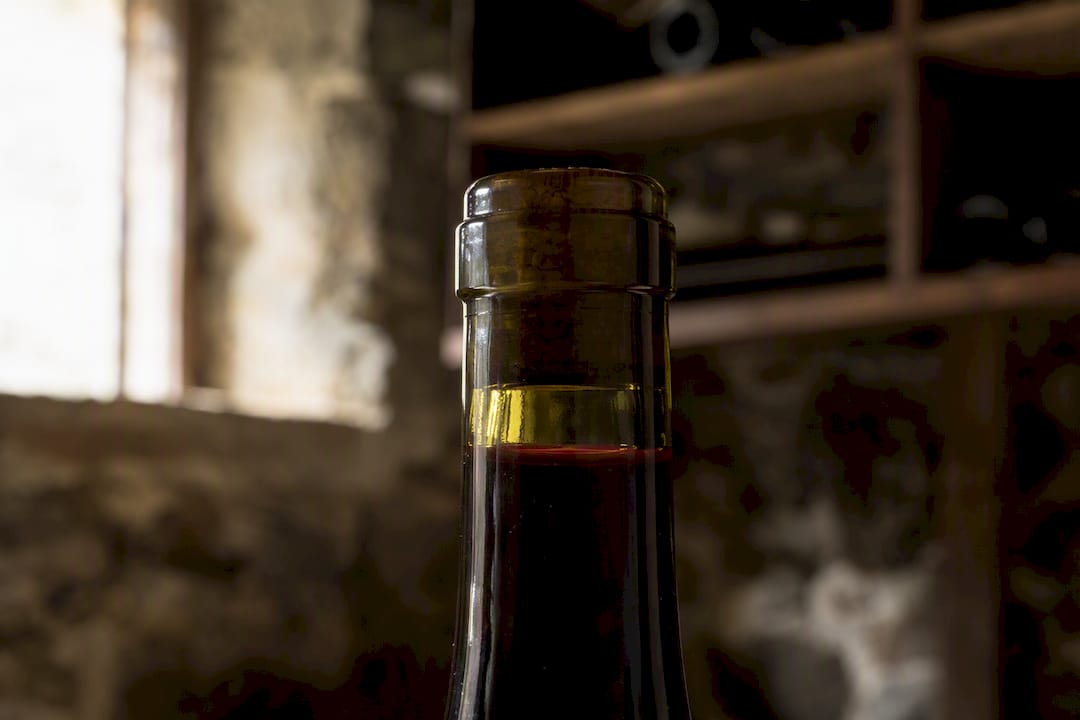
Look at the capsule for seepage, the label for staining or tears, and the cork for any sign it’s been disturbed.
For anything older or collectible, provenance is what separates a full price and a heavily discounted lot. A purchase receipt, a storage invoice, or a record of a prior auction sale all help. Auction houses generally prefer lots with clear documentation over an unverified bottle, no matter how good the label looks.
- Significant ullage on a bottle under 20 years old
- Mouldy or badly damaged labels
- No provenance at all on anything claiming real age or rarity
If a bottle hits any of those, don’t donate it. It’ll either get rejected at intake or drag down bidder confidence in the rest of your lot.
Pro Tip: Photograph the bottle, the label, and any paperwork before you hand it over. It saves an awkward conversation later if the charity questions the lot’s history.
Building a lot card and presentation that lift final bids
A bottle without context is just a bottle. A lot card with a short tasting note, a provenance line, a critic score if you’ve got one, and a serving suggestion gives bidders a reason to trust the price tag.
Presentation matters more than most donors expect:
- Box single bottles neatly, don’t just hand over a loose bottle in a bag.
- Use tissue or a gift bag for anything premium, and a proper stand or display case for large-format bottles.
- Take a decent photo for the online catalogue. A blurry phone shot undersells a $150 bottle badly.
- Small add-ons, a decanter, a tasting guide, a voucher for a pairing dinner, punch above their cost.
| Lot Type | What to Include |
|---|---|
| Single bottle | Tasting note, critic score, one clean product photo |
| Three-bottle vertical | Vintage comparison note, producer background |
| Themed case | Region or menu tie-in, suggested pairing dishes |
Choosing the right wines for wine-pulls, silent and live auctions
Each format needs a different kind of stock. A wine-pull or wine-wall works on mystery and volume, mostly entry to mid-range bottles priced so a $25 ticket feels like a fair punt. Silent auctions suit mid-range bottles with a clear story bidders can weigh up on their own. Live auctions are where your handful of premium or rare lots belong, sold with commentary and provenance in front of the room.
For planning stock levels, a workable rule of thumb is roughly 3 bottles for every 5 participants, enough variety without oversupplying the event and leaving unsold bottles at the end of the night.
- Wine-pull: many entry to mid bottles, minimal fuss on presentation
- Silent auction: mid-range bottles with a solid lot card
- Live auction: two to four premium lots, maximum documentation
Keep wine-pull stock physically and visually separate from your premium lots. Mixing a $20 bottle in with your live auction case dilutes how the whole lot reads to bidders, even if the $20 bottle is perfectly good wine.
Who covers delivery, insurance and other logistics costs
Delivery, duty, storage, and insurance can add up fast, and someone has to own them before donation day. Splitting these costs, or finding a benefactor to cover them outright, is common practice among producers and merchants who donate regularly.
Settle these before the bottle moves:
- Confirm who pays for transport and whether insurance is needed in transit.
- Submit donations at least two to three weeks before the event, giving the charity time to catalogue, photograph, and store properly.
- Check local rules on serving alcohol at the event; most jurisdictions have responsible service requirements.
- Get a donation receipt from the charity, and keep a simple record for your own accounts.
How to source good donation wine without overspending
You don’t need a cellar full of trophy bottles to put together a strong donation. Local wineries, distributors, and even generous private collectors are often willing to contribute if you ask early and specifically.
- Approach two or three local producers directly, wine businesses often have allocation or near-release stock they’re happy to move for a good cause.
- Ask a corporate sponsor or benefactor to cover delivery and duty, this alone makes larger donations far more likely.
- Look for merchants offering charity pricing or in-kind sponsorship in exchange for event recognition.
- Request photographic assets and provenance paperwork upfront, it saves scrambling before catalogue deadlines, a tactic experienced organisers use routinely.
A curator or specialist merchant can also shortcut a lot of this legwork if your committee is short on wine expertise.
An organiser’s take on rarity versus fit
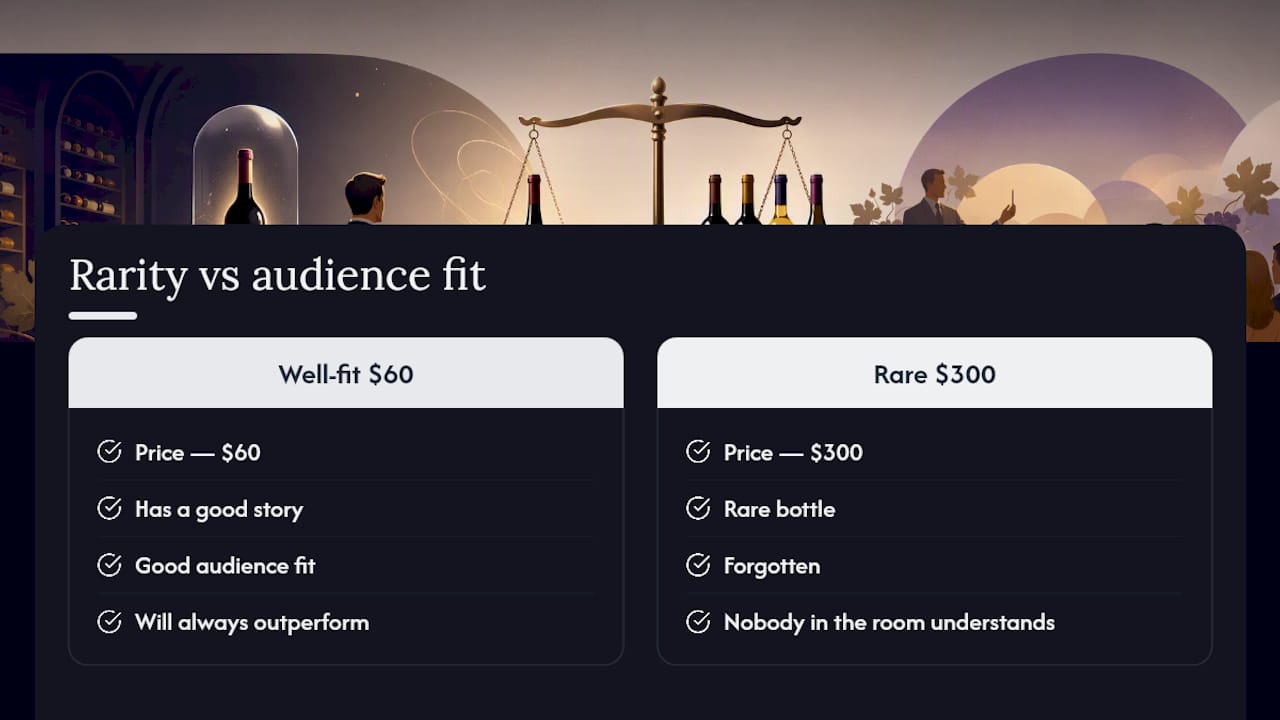
Most donors overvalue rarity and undervalue audience fit. A well-chosen $60 bottle with a good story will always outperform a forgotten $300 bottle nobody in the room understands. That’s the whole game.
Need donor-ready bottles fast? Here’s a shortcut worth considering
Sourcing donation-quality wine on a deadline is genuinely hard work, chasing wineries, negotiating charity rates, and hoping the bottles arrive with decent paperwork attached. Com has built its entire catalogue around solving exactly that problem for people who don’t have weeks to spare.
Com sources limited-run, cellar-aged, and high-scoring bottles at prices well below traditional retail, which means your committee can put together premium-looking lots without premium-sized budgets. Every bottle comes with the documentation and photography groundwork already covered, saving your team the scramble that usually happens the week before the gala. If your event needs a handful of standout lots or a full case for a wine-pull table, browse the current rotating catalogue and get in touch about charity-rate enquiries before your submission deadline closes.
Frequently asked questions
What’s the best price range for donated wine at a charity auction? Mid-range bottles between $30 and $80 tend to perform best across most events, they feel like a genuine treat without scaring off casual bidders.
Should I donate a rare, expensive bottle if I have one? Only if the event has a specialist audience of collectors or is a ticketed wine-focused gala. At a general fundraiser, a rare bottle usually undersells its true value.
How many bottles should I donate? There’s no fixed number, but organisers often plan around 3 bottles for every 5 expected participants across the whole event, not per donor.
Do I need a receipt for tax purposes when donating wine? Ask the charity for a donation receipt at the time of handover, and keep your own simple record. Specific tax treatment varies, so check with your accountant for your situation.
What should never be donated to a charity auction? Bottles with damaged labels, broken seals, significant ullage for their age, or no provenance for anything claiming real rarity or age.
Sources
- How to make your wine auction great – 11 tips
- Experiences running/organizing a charity wine auction? - WineBerserkers
- Auction tips — Jancis Robinson
- How to source wine for a UK charity event | Gavin Quinney
- Wine Auction Strategies: Buying and Selling at Auction | VinoFYI