

The role of wine curators: Access rare bottles without markups
Many collectors pay up to 30% more for rare bottles simply because of traditional markups and gatekeeping. The wine industry has long operated on layers of middlemen, inflated retail pricing, and insider-only access that keeps the best bottles out of reach for most people. But there’s a smarter way in. Wine curators source and select premium, hard-to-find wines using personal relationships with producers, market knowledge, and client objectives to provide access without traditional markups. Think of them as your insider contact at the cellar door, minus the pretension and the price gouging.
Table of Contents
- What is a wine curator?
- Sourcing premium and rare wines: Methodologies and strategies
- Building intentional wine portfolios: Drinking vs. investment
- Quality, provenance and storage: What sets top curators apart
- Explore curated premium wines without the markups
- Frequently asked questions
Key Takeaways
| Point | Details |
|---|---|
| Curators bypass markups | Wine curators use industry relationships and expertise to provide rare bottles without the traditional price hike. |
| Strategic sourcing matters | Professionals assess quality through blind tastings, vintner reports, and careful region selection. |
| Portfolio approach prevails | Curators help collectors clearly segment wines for enjoyable drinking and long-term investment, avoiding duplicates. |
| Quality and provenance safeguarded | Proper storage conditions and provenance checks protect the integrity and value of premium collections. |
What is a wine curator?
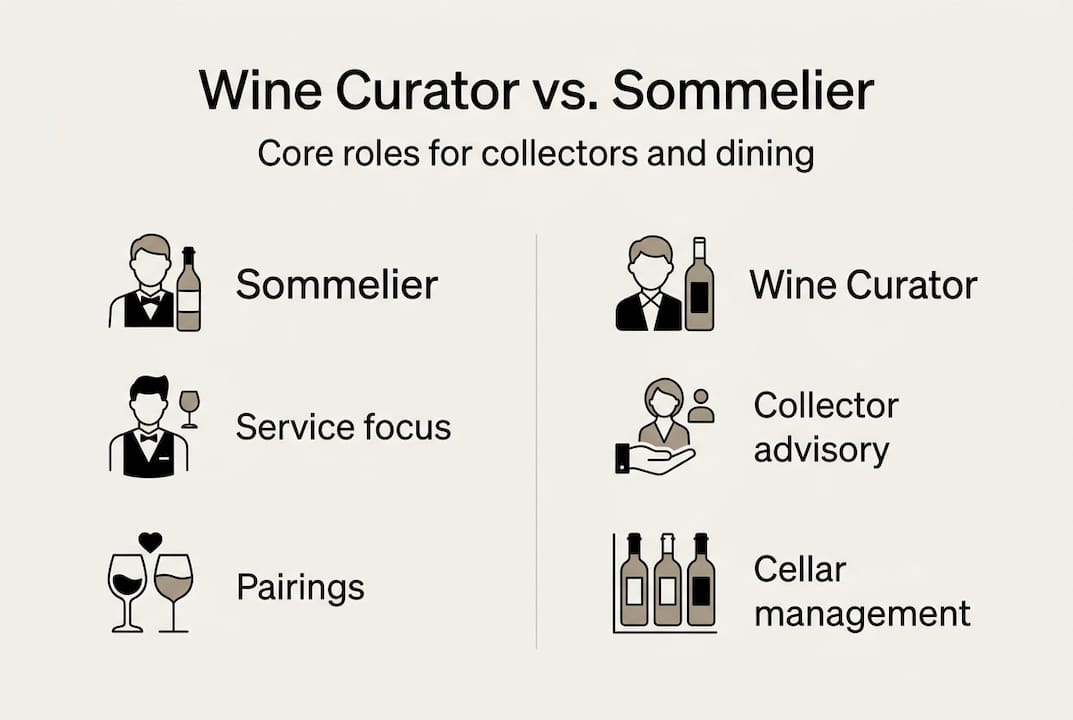
A wine curator is not your typical restaurant sommelier. They operate in a different world entirely. Where a sommelier is focused on the dining room, recommending bottles to pair with your steak and keeping the service flowing, a wine curator is focused on you and your collection.
Core responsibilities include curating wine lists or cellars, managing inventory, advising on pairings and maturity, and organising tastings and events. That’s a broad remit, and it’s one that requires deep market knowledge, strong producer relationships, and a genuine passion for the craft.
The distinction matters. Traditional sommeliers focus on restaurant service while private curators emphasise collector advisory and global sourcing. One is serving your table tonight. The other is building your cellar for the next decade.
Here’s a quick comparison to make it crystal clear:
| Feature | Sommelier | Wine curator |
|---|---|---|
| Primary focus | Restaurant service | Collector advisory |
| Client relationship | Transactional | Long-term partnership |
| Sourcing scope | Local/regional suppliers | Global producer networks |
| Collection management | Minimal | Core responsibility |
| Investment guidance | Rarely offered | Regularly provided |
A wine curator’s day-to-day work covers a lot of ground. They track what’s in your cellar, flag bottles approaching peak drinking windows, identify gaps in your collection, and source new acquisitions that align with your taste and budget. They also connect you to the hospitality wine selection process in ways that most collectors never get to experience firsthand.
In short, a great wine curator is part advisor, part hunter, and part strategist. Every bottle they recommend has a reason behind it.
Sourcing premium and rare wines: Methodologies and strategies
This is where the magic happens. Sourcing rare wine is not about luck. It’s a disciplined process built on relationships, data, and timing.
Wine curators source premium wines through personal relationships with producers, market knowledge, and a clear understanding of client objectives. That means they’re not browsing the same retail shelves you are. They’re getting calls from boutique producers with limited allocations, hearing about cellar clearances before they go public, and tasting through new vintages before scores are even published.
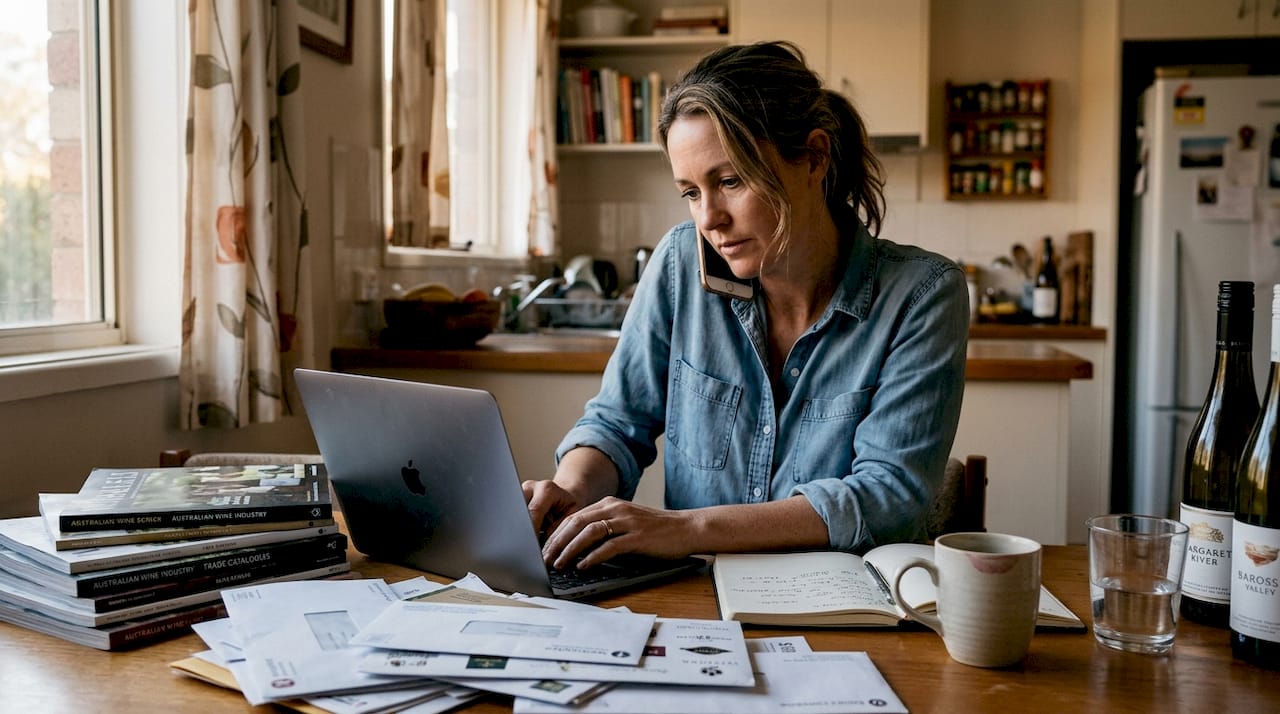
The methodology is rigorous. Blind tastings for quality assessment, weather and vintner report analysis, balancing regions, styles, and vintages for diversity, and digital inventory tools all form part of a curator’s standard toolkit. Nothing gets into a serious collection without earning its place.
Here’s how the sourcing process typically unfolds:
- Define client objectives. What are you building? A drinking cellar, an investment portfolio, or both? The answer shapes every decision that follows.
- Analyse vintage conditions. Weather reports, harvest data, and producer notes all feed into quality assessments before a single bottle is purchased.
- Conduct blind tastings. Removing labels removes bias. Quality speaks for itself when you can’t see the name on the bottle.
- Leverage producer relationships. Direct access to winemakers means first dibs on limited releases and allocation wines that never reach retail shelves.
- Verify provenance and pricing. Every bottle’s history matters. Where it was stored, how it was transported, and what it originally sold for all affect its current value.
- Use digital tools for inventory management. Modern curators use software to track cellars, flag drinking windows, and monitor market pricing in real time.
The data behind great sourcing is compelling. A well-curated collection built on global wine curation principles consistently outperforms random accumulation, both in drinking pleasure and investment returns.
Pro Tip: Balance your collection across diverse regions, styles, and vintages. A cellar heavy on one region or one producer is fragile. Spread the love, and you’ll always have something worth opening.
For collectors serious about the financial side, understanding wine investment benefits and premium wine distribution channels gives you a real edge. And if you want to understand how wine deals work at the sharp end of the market, that knowledge pays dividends fast.
Vintage quality is another lever curators pull hard. Knowing how wine vintages are rated separates the collectors who buy smart from those who overpay for mediocre years with impressive labels.
| Sourcing method | What it unlocks |
|---|---|
| Producer relationships | Allocation wines and limited releases |
| Blind tastings | Unbiased quality validation |
| Vintage analysis | Informed buying decisions |
| Digital inventory tools | Real-time tracking and provenance checks |
| Market knowledge | Pricing intelligence and deal identification |
Building intentional wine portfolios: Drinking vs. investment
Here’s a truth most collectors learn the hard way. Buying wine without a strategy is just hoarding. A great curator helps you shift from accumulation to intention.
Curators build intentional portfolios separating drinking wines from ageing wines, using professional storage and meticulous records to protect value and maximise enjoyment. That separation is more important than most people realise. Drinking a bottle that needed another ten years in the cellar is a costly mistake. So is holding onto something past its peak because you forgot it was there.
The shift from accumulation to portfolio thinking means balancing investment and enjoyment with diverse regions, producers, and vintages. It’s not about having the most bottles. It’s about having the right bottles at the right time.
A well-structured wine portfolio typically covers three zones:
- Drink now. Wines at or near their peak that are ready to open tonight. These keep the cellar active and enjoyable without waiting.
- Drink soon. Bottles approaching their drinking window over the next two to five years. These need monitoring and regular review.
- Hold and invest. Long-term ageing wines with strong provenance, high scores, and genuine scarcity. These are the ones that appreciate in value and reward patience.
Tracking and record-keeping are non-negotiable at this level. Duplications happen when collections grow without proper documentation. You end up with six bottles of the same vintage when you only needed two, and you’ve missed something far more interesting in the process.
Professional storage is equally critical. Temperature fluctuations, UV exposure, and poor humidity control can destroy a bottle’s value and flavour profile in months. This is not an area to cut corners.
Pro Tip: Use a dedicated cellar management app to log every bottle, track drinking windows, and set reminders for key dates. Pair that with a clear benchmark for what percentage of your cellar sits in each zone, and you’ll never open the wrong bottle at the wrong time.
For practical guidance on structuring your own collection, building a versatile wine portfolio is a great place to start. And if you want real-world inspiration, exploring cellar-aged wine examples shows exactly what patience and smart curation can produce.
Quality, provenance and storage: What sets top curators apart
Anyone can buy wine. The best curators protect it.
Sourcing rare and investment-grade wines requires provenance checks and proper storage, with temperature benchmarks sitting between 50 and 59 degrees Fahrenheit and humidity maintained between 60 and 75 percent. These are not arbitrary numbers. They’re the conditions that keep a bottle alive and ageing gracefully over decades.
Provenance is the paper trail behind a bottle. Where was it produced? How was it stored between the winery and your cellar? Has it changed hands multiple times? Every gap in that history is a risk. Top curators verify provenance before any acquisition, particularly for bottles that carry serious price tags.
Here’s what quality-focused curators check before committing to a purchase:
- Fill level. Low fill in an older bottle can indicate evaporation or a compromised cork, both of which affect quality.
- Label and capsule condition. Damage can signal poor storage history, even if the wine itself appears intact.
- Storage documentation. Professional storage receipts and temperature logs add credibility and protect resale value.
- Auction and transaction history. Multiple ownership changes increase the risk of improper handling somewhere along the chain.
One of the more surprising developments in the investment wine space is the performance of white Burgundy. White Burgundy outperformed red over the past five years, flipping the conventional wisdom that reds are always the safer investment bet. Top curators spotted this trend early and positioned their clients accordingly.
“Professional storage is not a luxury for serious collectors. It’s the difference between a bottle that appreciates and one that quietly deteriorates on a shelf.”
For collectors who want to make sharper decisions, understanding wine scoring insights and wine vintage value gives you the language and the framework to evaluate what curators are recommending and why. Knowledge is leverage. The more you understand, the harder it is for anyone to overcharge you.
The intentional collection strategies used by serious collectors all share one thing in common. They treat wine as both a pleasure and an asset, and they never let one compromise the other.
Explore curated premium wines without the markups
You now know how the best curators think, source, and protect premium wine. The question is, where do you actually find bottles worth buying at prices that don’t make you wince?
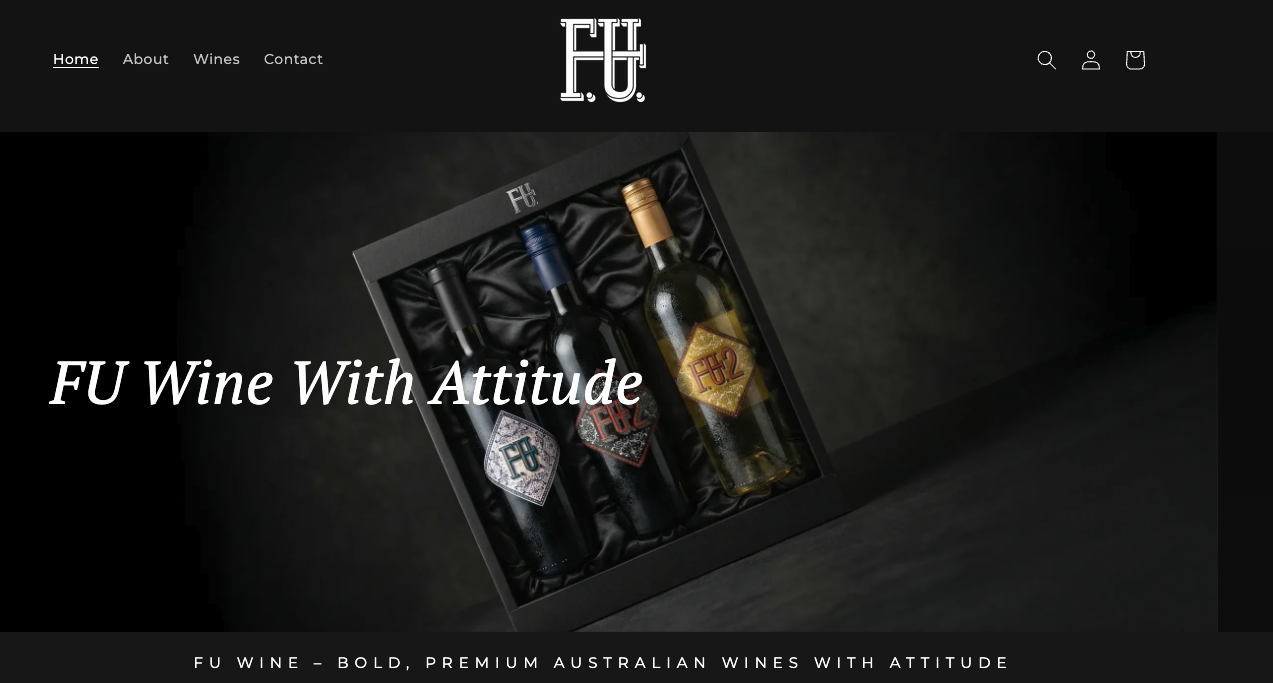
That’s exactly what FU Wine was built for. We cut through the layers of middlemen, inflated retail pricing, and insider gatekeeping to bring you rare, premium, and cellar-worthy bottles at prices that make sense. No pretension. No markup theatre. Just genuinely great wine sourced the smart way. Our curated wines collection rotates constantly, with flash deals on high-scoring vintages, limited releases, and boutique producer runs that you won’t find sitting on a supermarket shelf. Every bottle earns its place. Every price is the kind that makes you feel like you’ve got the inside word. Because with FU Wine, you do.
Frequently asked questions
How do wine curators find rare and premium wines at accessible prices?
They leverage personal relationships with producers, market expertise, and digital tools to bypass traditional markups and access bottles before they reach retail channels.
What is the difference between a wine curator and a sommelier?
Sommeliers focus on restaurant service and wine pairings in a dining context, while curators advise collectors, manage cellars long-term, and source wines globally on behalf of their clients.
How do curators safeguard the quality of investment-grade wines?
They verify provenance, use professional storage conditions of 50 to 59 degrees Fahrenheit and 60 to 75 percent humidity, and maintain detailed records to protect both quality and resale value.
Can a wine curator help build a collection for both enjoyment and investment?
Absolutely. Curators balance portfolios across regions and vintages, separating wines for current enjoyment from those earmarked for long-term ageing and appreciation.