

Role of urgency in wine selling: a retailer's guide
TL;DR:
- Urgency in wine marketing creates a real-deadline to inspire immediate purchase and boost conversion rates. Authentic scarcity and well-timed signals are essential, but overuse or fake claims damage trust and brand value. Effective tactics include countdown timers, stock counts, short flash sales, and timely abandoned cart emails.
Urgency is defined as a time-sensitive psychological trigger that moves buyers from passive consideration to active purchase. The role of urgency in wine selling is to create an authentic, real-deadline impetus that cuts through hesitation and closes the sale. Authentic urgency cues lift click-through rates by up to 50% and email open rates by up to 22%. That is not a soft lift. For premium wine retailers, where a single case sale can represent serious revenue, those numbers matter enormously. The industry term for this discipline is conversion rate optimisation, or CRO, and urgency is one of its most reliable levers.
How does urgency influence consumer buying decisions in the premium wine market?
Urgency works by shifting decision-making from a slow, deliberative mode to a fast, instinctive one. When a buyer sees a genuine deadline or a low-stock warning, the brain stops weighing options and starts acting. Time pressure significantly enhances purchase intention by creating urgency, though it can also increase post-purchase regret when product involvement is high. That nuance matters for premium wine, where buyers care deeply about what they choose.
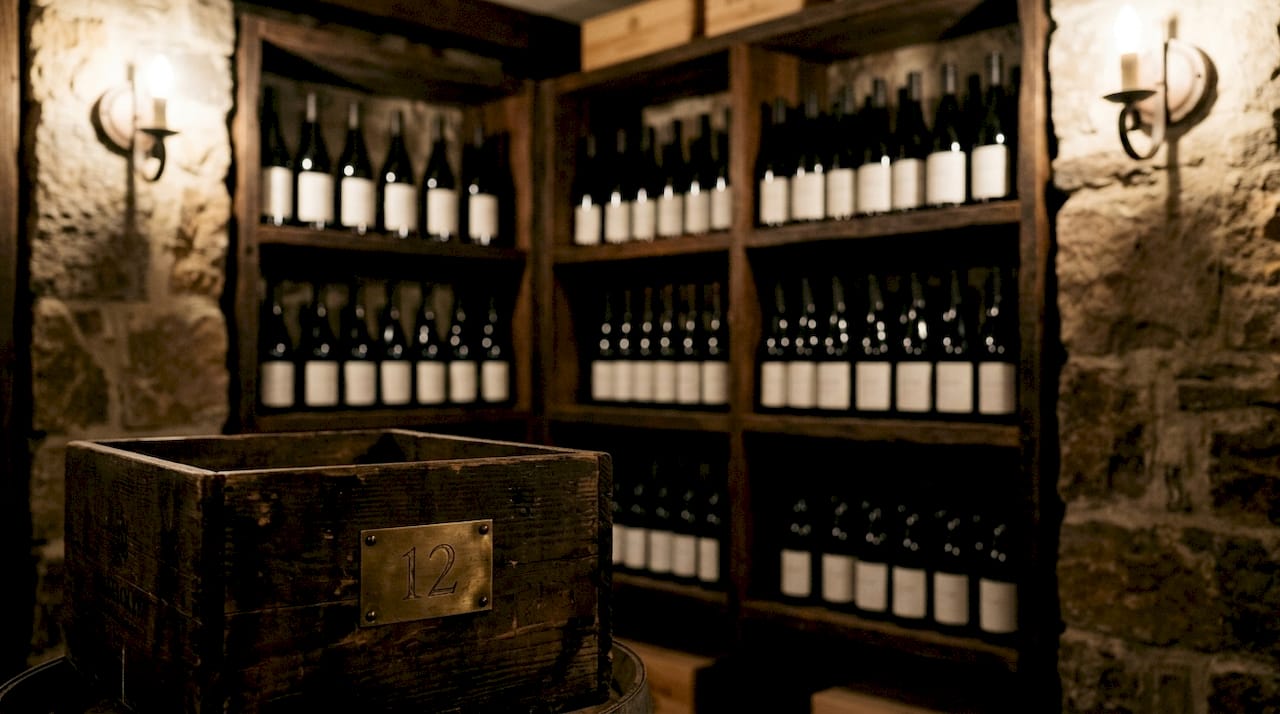
Scarcity amplifies this effect. A limited-release Barossa Shiraz with only twelve bottles left in stock carries a weight that a permanently available wine simply cannot. The perceived value rises because the opportunity to own it is finite. Urgency is a conversion lever that shifts consumers from passive browsing to active buying by creating a clear opportunity cost for delay.
The risk, though, is real. Buyers who feel rushed into a premium purchase and later regret it do not come back. This is why urgency in the premium wine market must be authentic, not manufactured. Fake “only 3 left” messages on a wine you have 300 cases of will destroy trust faster than any discount can rebuild it.
Here is what urgency actually does to the buying process:
- It reduces the time a buyer has to second-guess the purchase, which matters because global cart abandonment rates hover between 70–74%.
- It raises perceived value by signalling that others want the same bottle.
- It creates a clear “act now or miss out” frame that bypasses overthinking.
- It works best when the buyer already has purchase intent, not when they are still browsing cold.
Pro Tip: Never use urgency to create desire from scratch. Use it to accelerate desire that already exists. A buyer who is already interested in a wine needs a nudge, not a shove.
What are the most effective urgency tactics for wine marketers and retailers?
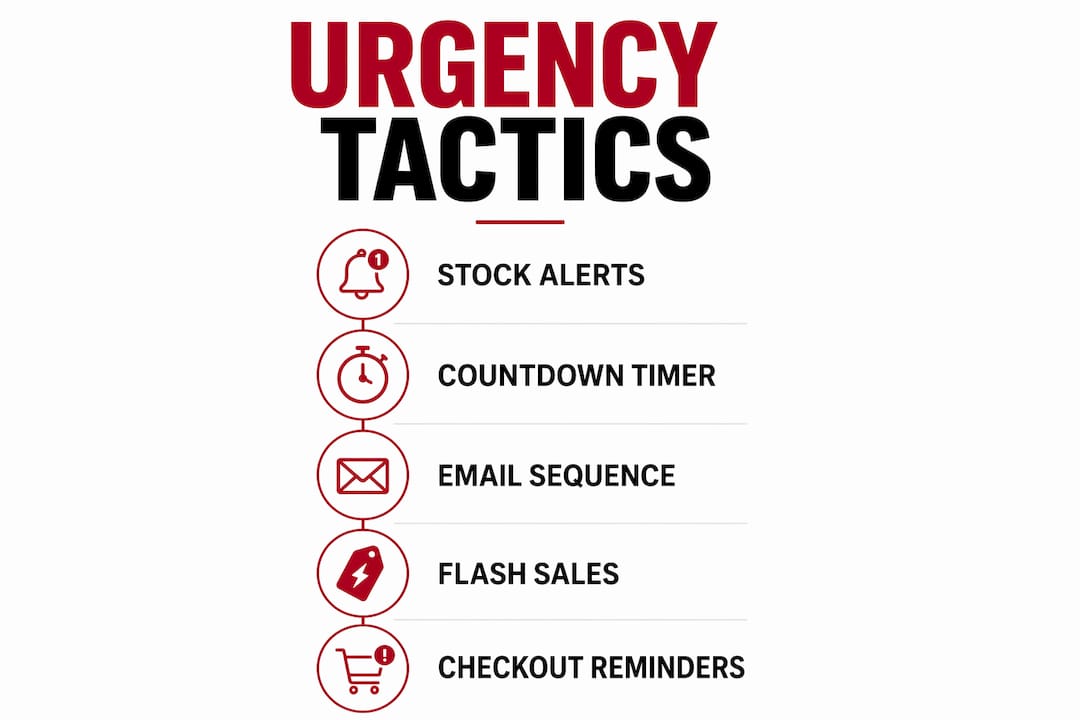
The tactics that actually move bottles are specific, time-bound, and tied to real conditions. Generic “sale on now” messaging does nothing. Here is what works.
-
Sitewide countdown timers tied to real deadlines. Sitewide promo countdown timers tied to real deadlines increased conversion rates by 8.3%, with late-funnel checkout countdowns yielding a 4.3% lift in order completion. The key word is “real.” If the timer resets every time someone visits, buyers notice, and trust evaporates.
-
Authentic scarcity messaging. “Last 6 bottles” means something when it is true. Display live stock counts on limited releases and allocation wines. For wines sourced through cellar clearances or boutique producer runs, the scarcity is genuine. Use it.
-
Flash promotion windows. Short, sharp windows of 24–48 hours on a specific wine create genuine excitement. They work because they are rare. If every week has a flash sale, none of them feel urgent.
-
Behaviour-triggered email sequences. Effective winery email campaigns use scarcity and timing, not just product description. Early-access emails for loyal customers, followed by last-chance reminders to the broader list, create a tiered urgency structure that rewards loyalty and drives conversion.
-
Abandoned cart recovery with tight timing. The first recovery email should go out within 1–4 hours. A second follows 20–24 hours later. After 72 hours, returns diminish sharply. Include a genuine reason to act, whether it is low stock or an expiring offer.
| Tactic | Best placement in funnel | Urgency type |
|---|---|---|
| Countdown timer | Checkout page | Time-based |
| Live stock count | Product page | Scarcity-based |
| Flash promotion | Homepage, email | Time-based |
| Early-access email | Pre-launch | Exclusivity-based |
| Abandoned cart email | Post-browse | Intent-based |
Pro Tip: Successful urgency tactics use intentional, short, behaviour-based windows rather than frequent or long promotions. Treat each urgency moment as a limited resource. Spend it wisely.
What common mistakes undermine urgency tactics in wine selling?
Most urgency failures come from one of two problems: overuse or inauthenticity. Both are fixable, but only if you recognise them first.
-
Constant discounting trains buyers to wait. Constant discounting erodes both profit margins and premium brand value. When buyers know a discount is always coming, the urgency signal becomes noise. They stop responding because they have learned that patience pays. This is especially damaging for premium wine, where price signals quality.
-
Applying urgency too early in the customer journey causes fatigue. A buyer who has just landed on your site for the first time does not need a countdown timer in their face. Applying urgency too early can cause brand fatigue and appear aggressive. Save the pressure for buyers who are already engaged and close to a decision.
-
Cart and minicart urgency often backfires. Popping up urgency messages the moment someone adds a bottle to their cart can feel pushy rather than helpful. Buyers at that stage are still deciding. Urgency works best when reinforcing existing intent near checkout, not interrupting the browsing process.
-
Fake scarcity destroys credibility. If you tell buyers there are only 4 bottles left and they see the same message a week later, you have lost them. Premium wine buyers are savvy. They talk to each other. Authenticity is non-negotiable.
-
Long-running “limited time” offers are a contradiction. A promotion that runs for six weeks is not urgent. It is just a discount with a banner. Keep urgency windows short and mean what you say.
The underlying principle is simple. Urgency must reflect reality. When it does, it is one of the most powerful tools in wine marketing. When it does not, it is just noise that trains buyers to ignore you.
How to measure and optimise the impact of urgency in premium wine sales?
Measuring urgency effectiveness requires tracking the right metrics at the right points in the funnel. Gut feel is not enough. You need data.
Key metrics to track
Conversion lift is the primary measure. Compare conversion rates during urgency-driven campaigns against baseline periods. Average order value tells you whether urgency is pushing buyers toward better bottles or just cheaper ones. Bounce rates on product pages with urgency signals reveal whether the messaging is landing or alienating. Cart abandonment rates show whether your checkout urgency is working.
A/B testing urgency signals
Test one variable at a time. Run a countdown timer on the checkout page for two weeks, then remove it for two weeks. Compare the results. Test scarcity copy (“Only 5 left”) against no scarcity copy on the same product page. Test subject lines in abandoned cart emails with and without urgency language. The data will tell you what your buyers respond to.
Funnel placement matters
Urgency signals are most effective at the bottom of the funnel, reinforcing existing intent rather than creating it early. Focus your urgency investment on product pages, checkout flows, and recovery emails. Do not waste it on homepage banners where buyers are still cold.
Abandoned cart email timing
| Send timing | Purpose | |
|---|---|---|
| First recovery email | Within 1–4 hours | Capture peak intent |
| Second recovery email | 20–24 hours later | Reinforce urgency |
| Final reminder | Before 72-hour mark | Last-chance signal |
After 72 hours, the conversion window closes sharply. If you have not reached the buyer by then, a discount alone will not bring them back. The urgency has passed.
Key takeaways
Urgency drives wine sales when it is authentic, well-timed, and placed at the bottom of the funnel where purchase intent already exists.
| Point | Details |
|---|---|
| Urgency placement | Apply urgency signals at checkout and product pages, not at the top of the funnel. |
| Authentic scarcity | Only use low-stock or deadline messaging when the conditions are genuinely true. |
| Avoid over-discounting | Constant discounting trains buyers to wait and erodes premium brand perception. |
| Email timing | Send the first abandoned cart email within 1–4 hours to capture peak buyer intent. |
| Test before scaling | A/B test countdown timers and scarcity copy before rolling them out site-wide. |
Urgency and brand integrity: where I draw the line
I have watched wine retailers burn through their brand equity chasing short-term conversion lifts. They run a flash sale, see a spike, and then run another one the following week. Within three months, their “premium” label means nothing. Buyers are waiting for the next discount instead of buying at full price.
The retailers who get urgency right treat it like a limited wine release. They use it sparingly, they mean it when they use it, and they protect the full-price experience the rest of the time. Promotions structured as part of a revenue architecture, rather than calendar filler, protect margin and reinforce long-term brand value. That is not a theory. That is what separates the wine businesses still standing in five years from the ones that trained their customers to never pay full price.
The other thing I have seen consistently is that urgency works best when it is tied to something real. A genuine cellar clearance, an actual allocation release, a true end-of-vintage window. When the story behind the urgency is real, buyers feel it. They respond. When it is manufactured, they sense that too, even if they cannot articulate why. Premium wine buyers have good instincts. Do not underestimate them.
If you are building urgency into your wine marketing, build it into the product selection first. Source wines that are genuinely scarce, genuinely time-sensitive, and genuinely worth acting on. The marketing then writes itself.
— Damien
FU Wine: premium bottles with built-in urgency
FU Wine was built for exactly this kind of market. Every bottle in the FU Wine collection is sourced for its scarcity, quality, and the kind of pricing that makes you wonder why you ever paid full retail. These are not wines that sit around waiting to be discovered.
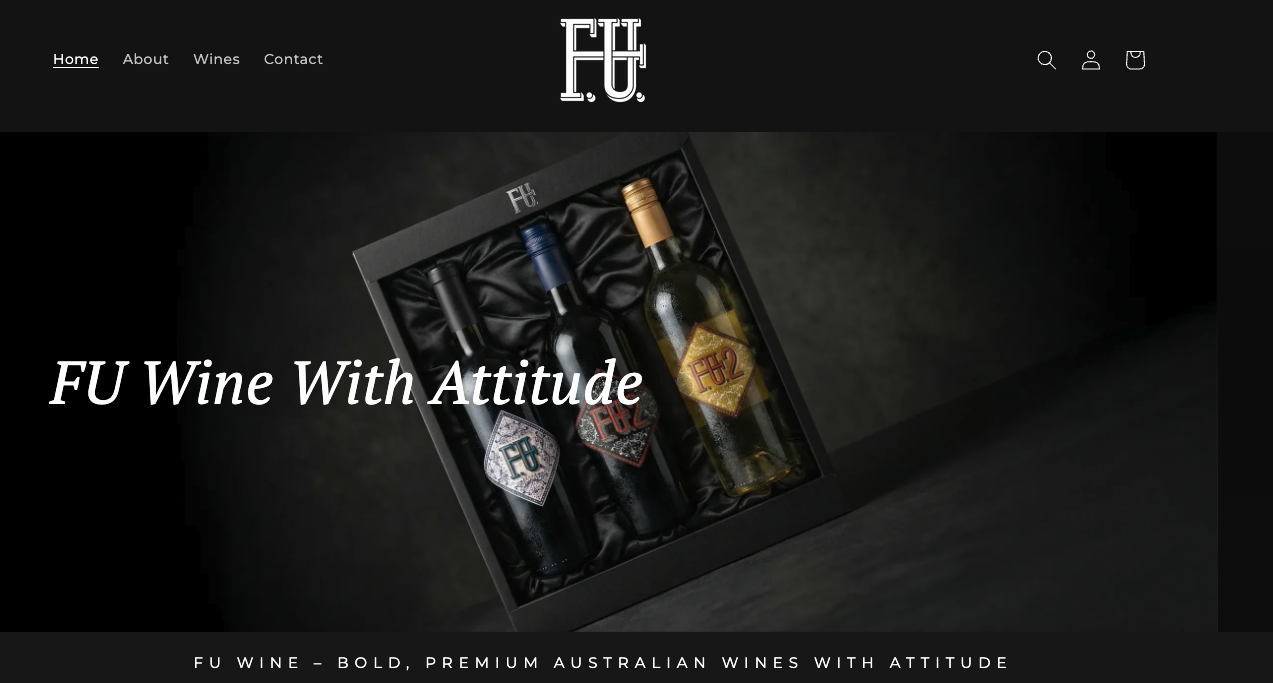
The model is simple. FU Wine sources limited releases, cellar clearances, and boutique producer runs at prices 30–70% below traditional retail. The deals rotate. The stock moves. When a wine is gone, it is gone. That is not a marketing line. It is just how limited wine releases work when you are buying from the right places. If you want to see what genuine scarcity looks like in practice, the collection is worth a look.
FAQ
What is the role of urgency in wine selling?
Urgency accelerates purchase decisions by creating a time-sensitive or scarcity-based reason to act now rather than later. It is most effective when tied to genuine stock limits or real deadlines.
Does urgency increase wine sales?
Authentic urgency signals lift conversion rates measurably. Sitewide countdown timers tied to real deadlines have increased conversion rates by 8.3%, with checkout countdowns adding a further 4.3% lift.
What urgency tactics work best for wine retailers?
Countdown timers at checkout, live stock counts on limited releases, behaviour-triggered email sequences, and short flash promotion windows are the most effective tactics for premium wine retailers.
How does over-discounting undermine urgency in wine marketing?
Constant discounting trains buyers to wait for the next sale, which removes the urgency signal entirely and erodes the perceived premium value of the wine.
When should the first abandoned cart email be sent?
Send the first abandoned cart recovery email within 1–4 hours of abandonment to capture peak buyer intent. A second email 20–24 hours later reinforces the message, with diminishing returns after 72 hours.