

Retail vs allocation wines: what collectors need to know
TL;DR:
- Allocation wines are sold directly from wineries to verified customers in limited quantities, offering better prices and true scarcity.
- Retail wines pass through multiple layers of margins, making them more expensive and widely available for casual buyers.
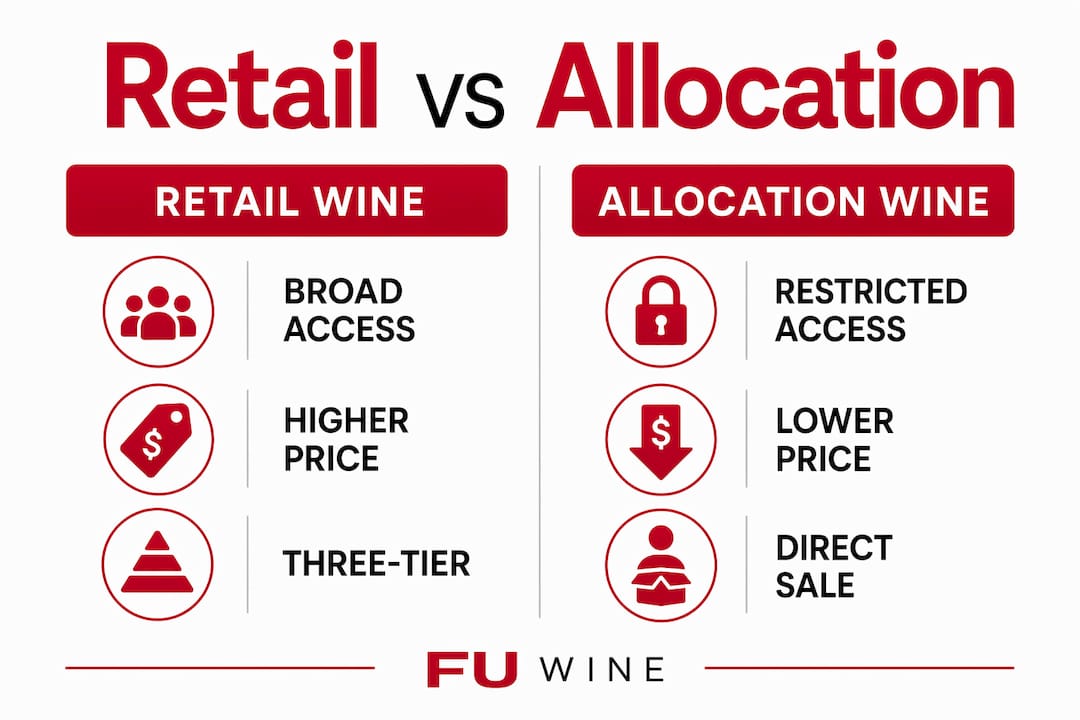
The difference between retail and allocation wines comes down to three things: how you buy them, what you pay, and how many exist. Retail wines move through a traditional distribution chain and sit on shelves for anyone to grab. Allocation wines are sold directly from wineries to verified customers in limited quantities, often before the general public ever hears about them. For collectors and enthusiasts, that gap matters enormously. Get it wrong and you overpay. Get it right and you drink better wine for less.
What is the difference between retail and allocation wines?
Retail wines reach you through the three-tier system: producer, distributor, retailer. Each tier adds its own margin, and by the time a bottle hits a shop shelf, retailer margins average 35–40% on top of the distributor’s cut. Restaurants push that further, marking up wine 200–300% over retail. You are not just paying for the wine. You are paying for rent, logistics, marketing, and every set of hands the bottle passed through.
Allocation wines skip that chain entirely. A winery sells direct to customers on its mailing list, at a price that reflects production cost and a fair margin, not a retail markup stack. Allocation prices typically sit 30–50% below what the same bottle fetches on the secondary market. That is a real, structural price advantage, not a sale or a clearance.

The other core difference is scarcity. Many allocation wines come from micro-lot production runs of 100 to 400 cases annually. A bottle that scarce will never appear on a bottle shop shelf. If you are not on the list, you simply miss out.
How is retail wine pricing structured?
Retail wine pricing reflects the cost of moving product through a distribution network. The three-tier system means a $20 bottle at the winery gate can easily become a $45 bottle at your local bottle shop. Every tier covers its own overheads and adds a margin to do so.
Here is a rough breakdown of how that stacks up:
| Stage | Typical margin added | Example price |
|---|---|---|
| Winery production cost | — | $12 |
| Distributor margin (25–30%) | +$3–$4 | $15–$16 |
| Retailer margin (35–40%) | +$6–$7 | $21–$23 |
| Restaurant markup (200–300%) | +$42–$69 | $63–$92 |
The type of store also shapes what you pay. A large chain bottle shop buys in volume and can negotiate lower wholesale prices. An independent specialist pays more per case and passes that cost on. Neither is wrong. They just serve different purposes.
Pro Tip: Independent wine shops often carry smaller producers and more interesting labels, but if you are buying a well-known commercial wine, a large retailer will almost always have it cheaper.
Retail wines suit casual buying. You walk in, browse, and leave with something good. The trade-off is that you pay for that convenience, and the most sought-after bottles rarely make it to shelves at all.
How do allocation wine purchasing windows and quantities work?
Allocation wines operate on a right of first refusal model. A winery contacts verified customers on its mailing list and offers a fixed quantity of wine during a set window. That window is typically 48–72 hours, though some producers extend offers up to several weeks. You confirm your purchase, pay, and the wine is yours. Miss the window and the offer disappears.
The process follows a clear set of rules:
- You join a winery’s mailing list, usually by visiting the cellar door or buying direct.
- The winery sends an offer with the available wines, quantities, and prices.
- You confirm your purchase within the stated window.
- Payment is processed and the wine is shipped or held for collection.
- Skipping offers too often, or not responding at all, can get you removed from the list.
Frequently declining or ignoring offers signals to the winery that you are not an active buyer. Most boutique producers review customer activity over a 3–5 year window. Miss too many releases and your spot goes to someone on the waitlist.
Quantities per customer are fixed, often 3–12 bottles per release. That limit protects the allocation system. It stops one buyer from cornering the market and keeps the wine accessible to the full list.
Pro Tip: Treat allocation offers like concert tickets. When the email lands, act on it. Sitting on it for a week is how you lose your spot on a list you waited two years to join.
How do pricing and exclusivity differ between retail and allocation wines?
Allocation wines carry a structural pricing advantage that retail simply cannot match. By bypassing distributors and retailers, wineries pass a meaningful portion of those saved margins back to the buyer. Allocation prices typically run 30–50% below secondary market value for the same bottle. That is not a discount. That is what the wine actually costs when no one is taking a cut in the middle.
Exclusivity adds another layer of value. Wineries use allocation systems to create perceived scarcity and manage brand positioning. A wine that is only available to 500 customers worldwide commands a different kind of prestige than one stacked on a pallet at a warehouse retailer. That scarcity is real, not manufactured. The wine genuinely does not exist in large enough quantities for mass retail.
Here is how the two models compare across the factors that matter most to collectors:
| Factor | Retail wine | Allocation wine |
|---|---|---|
| Availability | Broad, open to anyone | Restricted to mailing list members |
| Pricing | Retail markup of 35–50% | Direct from winery, 30–50% below secondary market |
| Production scale | Commercial to large-batch | Micro-lot, often 100–400 cases |
| Buying process | Walk in and buy | Invitation-based, time-limited window |
| Collector value | Moderate | High, especially for rare vintages |
Retail wines are not without value. They offer variety, accessibility, and the ability to try something new without commitment. But for collectors building a serious cellar, limited release access through allocation is where the real prizes live.
What should collectors consider when choosing between retail and allocation wines?
The right choice depends on what you want from wine. Retail suits spontaneous buying and everyday drinking. Allocation suits collectors who want rare, small-batch bottles and a direct relationship with the producer.
Allocation programmes help collectors avoid vintage variability and simplify the curation of high-end cellars. When you are on a list for a producer you trust, you get consistent access to their best work each year. That consistency is genuinely hard to replicate through retail.
A few practical points worth keeping in mind:
- Allocation commitments require discipline. You need to respond to offers promptly and buy regularly to stay active.
- Most cult producers permit skipping one release per year, but frequent skipping leads to removal.
- Allocation wines are best bought to drink and gift, not as a primary investment vehicle. They rarely generate significant financial returns compared to established wine investment markets.
- Many allocation programmes include perks like complimentary tastings, cellar tours, and early access to new releases. These add real value beyond the bottle itself.
Pro Tip: Keep a simple spreadsheet of your allocation lists, offer dates, and response deadlines. Missing a window because you forgot to check your inbox is entirely avoidable. Good cellar inventory management starts with knowing what you have committed to.
Balancing retail and allocation purchases gives you the best of both worlds. Retail fills the everyday rack. Allocation fills the serious cellar.
How do wine clubs compare to allocation lists?
Wine clubs and allocation lists are frequently confused, but they work very differently. Wine clubs are subscription models with automatic shipments on a set schedule. You sign up, pay a fee, and bottles arrive regularly without any action required on your part. Allocation lists require active participation. You receive an offer, decide whether to buy, and confirm your purchase within a limited window.
The key differences come down to control and commitment:
- Wine clubs ship automatically; allocations require a manual response.
- Clubs offer regular access to a curated range; allocations focus on specific limited releases.
- Non-response to allocation offers typically results in loss of allocation status over time.
- Some wineries offer both models; others run one exclusively.
- Clubs suit buyers who want convenience; allocations suit buyers who want exclusivity.
Allocation contracts function as ongoing dialogues between wineries and loyal customers. The relationship is social and operational, not legal. Stay engaged and you keep your spot. Go quiet and someone else takes it.
Wine clubs are a great entry point. They expose you to a producer’s range and build familiarity. But if you want the rarest bottles from a winery’s portfolio, the allocation list is where you need to be. Understanding how to access limited wines through both channels gives you a real edge as a collector.
Key takeaways
Allocation wines offer better pricing and exclusivity than retail because they bypass the traditional distribution chain entirely.
| Point | Details |
|---|---|
| Retail pricing adds up fast | Retailer margins of 35–50% mean you pay well above winery price for most bottles. |
| Allocation prices beat the market | Direct-from-winery pricing typically sits 30–50% below secondary market value. |
| Scarcity is real, not marketing | Many allocation wines come from micro-lot runs of 100–400 cases, making retail access impossible. |
| Allocation lists require active engagement | Missing too many offer windows leads to removal; treat every offer seriously. |
| Wine clubs and allocation lists are different | Clubs ship automatically; allocations require a manual purchase decision within a limited window. |
Damien’s take: the allocation game rewards the patient
Most collectors I speak with underestimate how much the allocation relationship is about trust. Wineries are not just selling wine. They are choosing who gets access to their best work. That changes how you should approach it.
The biggest mistake I see is treating allocation lists like a passive subscription. You join, you forget, and then you wonder why you got quietly dropped after two years of non-responses. The wineries that produce the most sought-after bottles review their lists regularly. They want buyers who show up, not names on a spreadsheet.
My honest view is that allocation wines are best approached as a drinking and gifting strategy, not an investment play. The secondary market for cult wines is real, but allocations rarely generate significant financial returns compared to established wine investment markets. Buy what you love. Drink it well. If it appreciates, that is a bonus.
The other thing worth saying: retail still has a place. Not every bottle needs to be rare. A well-chosen retail wine from a good independent shop can be just as satisfying as an allocation bottle. The skill is knowing which category each wine belongs in, and buying accordingly.
— Damien
Premium wine without the pretension
FU Wine was built for collectors and enthusiasts who are tired of paying inflated prices for bottles that should be accessible. The traditional retail markup stack is real, and it costs you money every time you buy through it.
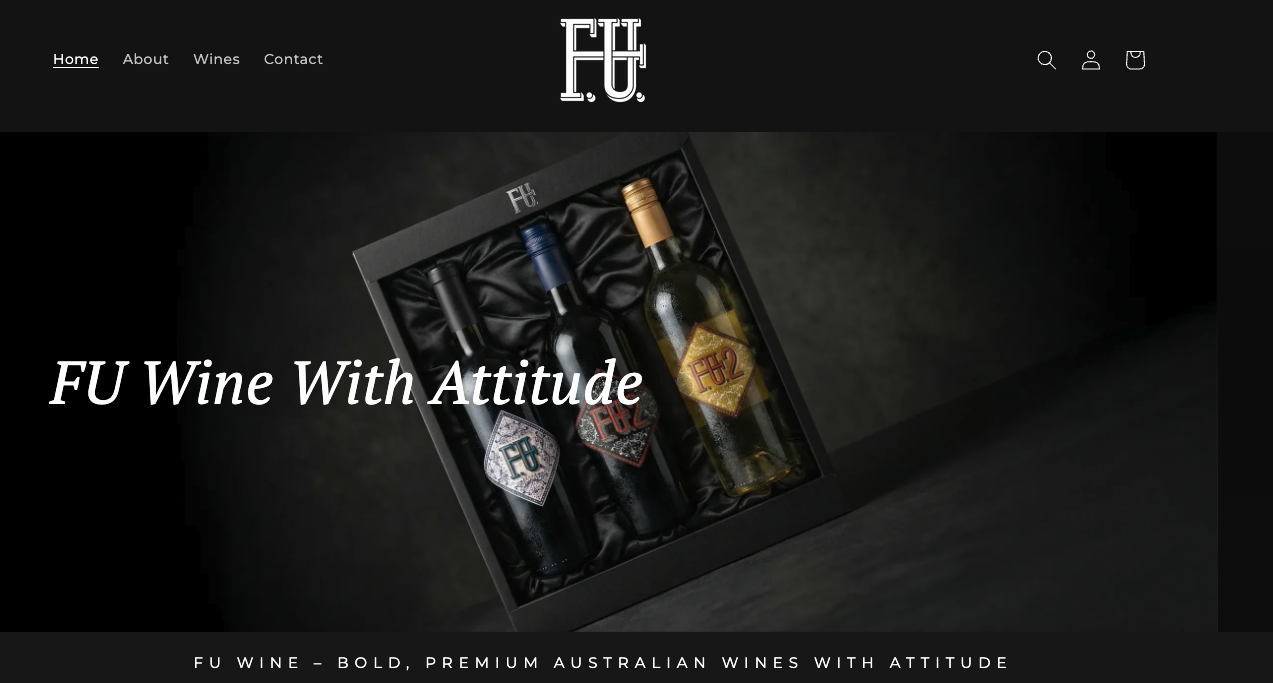
FU Wine sources premium and hard-to-find bottles, including limited releases, boutique producer runs, and high-scoring vintages, and makes them available at prices that cut through the noise. No middlemen. No inflated margins. Just quality wine at prices that make sense. Browse the FU Wine collection and see what is currently available, or read more about how allocation wine works to sharpen your buying strategy before your next purchase.
FAQ
What is the main difference between retail and allocation wines?
Retail wines are available through traditional distribution channels with retailer margins of 35–50% added to the price. Allocation wines are sold directly from wineries to verified customers in limited quantities, typically at 30–50% below secondary market value.
How do I get on a winery’s allocation list?
Most allocation lists require an existing relationship with the winery, usually established through a cellar door visit or direct purchase. From there, you join the mailing list and wait for an offer.
Can I lose my spot on an allocation list?
Yes. Frequently declining or ignoring offers leads to removal from the list. Most boutique producers review buyer activity over a 3–5 year window and drop inactive customers.
Are allocation wines a good investment?
Allocation wines are best bought for drinking and gifting rather than investment. They rarely generate significant financial returns compared to established wine investment markets, though some rare bottles do appreciate on the secondary market.
What is the difference between a wine club and an allocation list?
A wine club ships bottles automatically on a set schedule. An allocation list is a right of first refusal that requires you to actively confirm each purchase within a limited window, usually 48–72 hours.