

Red wine with high alcohol content: your full guide
TL;DR:
- High-alcohol red wines typically have 15% or more ABV and are known for their bold, full-bodied character. They mainly come from warm regions and thick-skinned grape varieties, such as Shiraz, Zinfandel, and Amarone, which develop high sugar levels. Proper balance with fruit, tannins, and acidity enhances their quality and pairing versatility.
Red wine with high alcohol content is defined as any red wine that reaches or exceeds 15% ABV, producing a bold, full-bodied character that sets it apart from lighter styles. The average red wine sits at 13.5% ABV, but the high-alcohol category stretches well beyond that, up to 16.5% for naturally fermented reds and even higher for fortified styles. These are the wines that fill your glass with dark fruit, spice, and a warmth that you feel right through to your chest. Warm-climate regions like Australia’s Barossa Valley and California lead the charge, producing grapes with the sugar levels needed to hit those big numbers. Fortified wines like Port push even further, reaching 19–22% ABV through the addition of spirit during fermentation.
1. What makes a red wine high in alcohol?
High alcohol in red wine comes directly from sugar. Yeast converts grape sugar into alcohol during fermentation, so the riper the grape, the higher the potential ABV. Warm climates drive sugar accumulation in grapes far beyond what cooler regions like Burgundy or Oregon typically achieve, where reds land between 12% and 14% ABV. Regions like the Barossa Valley in South Australia and California’s Central Valley produce grapes with naturally elevated sugar levels, which translates directly into stronger wines.
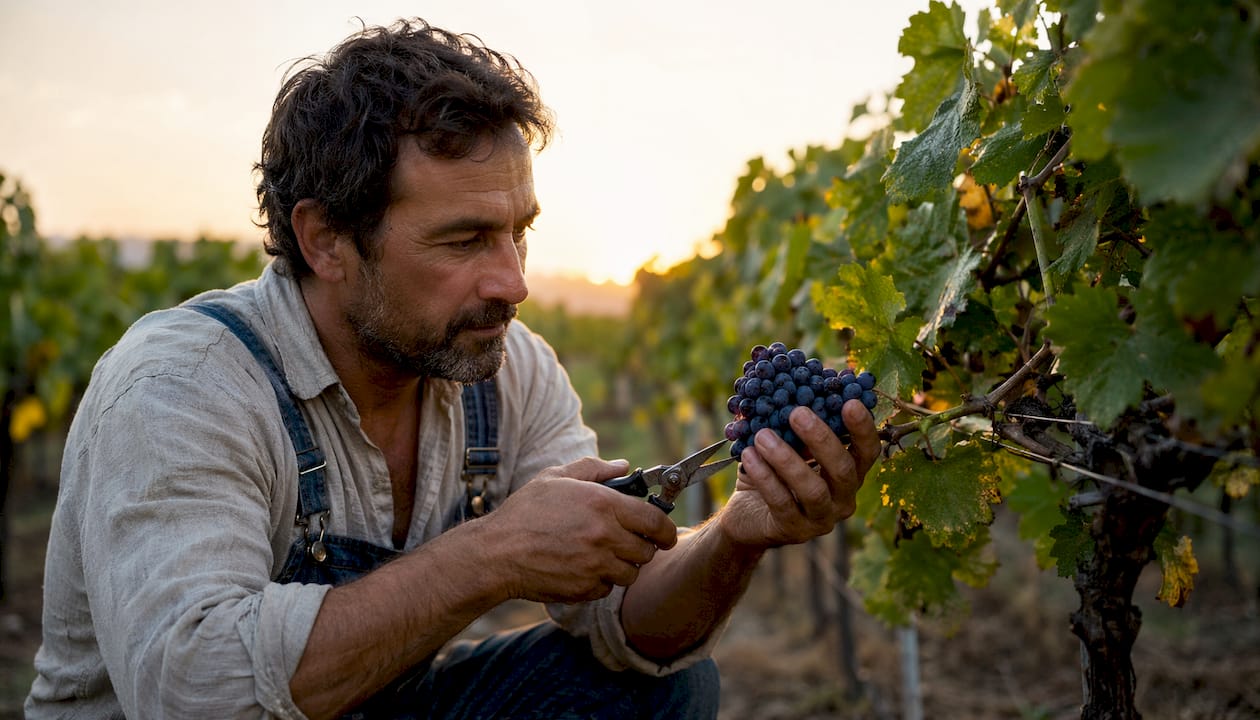
Grape variety also plays a major role. Shiraz, Cabernet Sauvignon, and Zinfandel all have thick skins and high sugar potential, especially when grown in hot, dry conditions. Malbec from Argentina and Petite Verdot from warmer appellations follow a similar pattern.
2. Top red wine varieties known for high alcohol content
These are the varieties that consistently deliver the boldest, strongest expressions in the glass.
Barossa Valley Shiraz
Barossa Shiraz is the benchmark for high alcohol red wines in Australia. It regularly lands between 14.5% and 16.5% ABV, producing a wine that is dense, inky, and loaded with blackberry, dark plum, and cracked pepper. The tannins are firm but ripe, and the finish is long and warming.
- ABV range: 14.5–16.5%
- Flavour profile: Blackberry, dark plum, cracked pepper, smoked meat
- Body: Full, with velvety tannins
Zinfandel (California)
California Zinfandel is one of the most recognisable high proof red wines in the world. It reaches up to 16% ABV and delivers a fruit-forward, almost jammy character with notes of raspberry, black cherry, and baking spice. The alcohol is present but usually well-integrated when the wine is well-made.
- ABV range: 14–16%
- Flavour profile: Raspberry jam, black cherry, vanilla, cinnamon
- Body: Full, with moderate tannins
Amarone della Valpolicella
Amarone is Italy’s answer to the big red. Made from partially dried Corvina, Rondinella, and Molinara grapes, it reaches 15–16% ABV through a process called appassimento, where grapes are dried to concentrate sugars before pressing. The result is a wine of extraordinary depth, with dried cherry, dark chocolate, tobacco, and leather.
- ABV range: 15–16%
- Flavour profile: Dried cherry, dark chocolate, tobacco, leather
- Body: Full, with grippy tannins and a long finish
Grenache-Syrah-Mourvèdre (GSM) blends
GSM blends from warm regions like the Southern Rhône in France or McLaren Vale in South Australia typically sit around 15.5% ABV. Grenache brings red fruit and sweetness, Syrah adds structure and pepper, and Mourvèdre contributes earthy, meaty depth. Together they produce a wine that is generous, spicy, and built for the table.
- ABV range: 14.5–15.5%
- Flavour profile: Red plum, black pepper, garrigue, dried herbs
- Body: Full, with silky tannins
Malbec and Petite Verdot
Argentine Malbec from Mendoza and Petite Verdot from warmer growing regions both produce high-alcohol expressions, particularly in hot vintages. Malbec delivers plum, violet, and cocoa at 14–15.5% ABV. Petite Verdot is less common as a single varietal but packs intense colour, dark fruit, and firm tannins when it appears.
Pro Tip: If you want to explore the full spectrum of high-alcohol reds without committing to a case, look for mixed packs that include Barossa Shiraz, Amarone, and a GSM blend side by side. The contrast is genuinely eye-opening.
3. What factors influence the alcohol content in red wine?
Several forces shape how strong a red wine becomes, from the vineyard to the winery.
| Factor | Effect on alcohol |
|---|---|
| Climate and sun exposure | Warmer climates produce riper grapes with higher sugar levels |
| Grape variety | Thick-skinned varieties like Shiraz and Zinfandel accumulate more sugar |
| Vintage conditions | Hot, dry years push sugar levels higher than cool, wet seasons |
| Winemaking technique | Extended maceration and oak ageing concentrate flavour and apparent warmth |
| Technical intervention | Reverse osmosis can concentrate wine and boost ABV beyond natural limits |
| Fortification | Adding grape spirit during fermentation halts yeast activity and locks in residual sugar |
Winemakers in warm regions sometimes use reverse osmosis or vacuum distillation to concentrate their wines further, pushing alcohol beyond what natural fermentation alone would achieve. This is common in regions chasing a particular style rather than a particular terroir expression.
Fortification is a separate category entirely. Port, for example, has spirit added mid-fermentation, which kills the yeast and leaves residual sugar intact. The result is a wine that is both sweet and strong, sitting at 19–22% ABV. You can read more about fortified wine styles if that end of the spectrum interests you.
Pro Tip: Check the back label before you buy. Australian wine labelling regulations require producers to list ABV within a 1.5% tolerance, so the number on the bottle is a reliable guide to what you are getting.
4. How to taste and understand high-alcohol reds
High-alcohol reds deliver a distinctive sensory experience. These wines showcase dark fruit, spice, vanilla, and chocolate, with tannins that are typically high but well-integrated, contributing to a velvety, full-bodied texture. The alcohol itself registers as warmth on the palate, particularly at the back of the throat and through the finish.
The key distinction between a great high-alcohol red and a clumsy one is balance. High alcohol alone does not indicate quality. A wine that lacks sufficient acidity or fruit concentration to match its alcohol will feel “hot,” harsh, and one-dimensional. A well-made Barossa Shiraz at 15.5% should feel rich and warming, not burning.
“The best high-alcohol reds carry their weight with grace. The alcohol is there, you can feel it, but it is woven into the fruit and structure so completely that it reads as richness rather than heat. When a wine burns, that is a winemaking problem, not a style choice.”
Serve these wines at 16–18°C. Too warm and the alcohol becomes more volatile and pronounced. Too cold and the tannins tighten up and the fruit retreats. That temperature window is where the wine shows its best self.
Look for wines where the fruit concentration matches the alcohol level. Dark fruit flavours should be generous and ripe, not jammy or cooked. Tannins should feel smooth rather than grippy. Acidity should be present enough to keep the wine lively through the finish.
5. Best food pairings for strong, full-bodied red wines
Bold, high-alcohol reds need food that can hold its own. Fat and protein are your best tools. They soften tannins, counterbalance the alcohol, and let the wine’s fruit and spice come forward rather than dominate.
The best matches for high-alcohol reds like Barossa Shiraz include:
- Lamb shanks slow-braised with rosemary and garlic. The richness of the meat and the herbal notes in the sauce mirror the wine’s savoury depth.
- Grilled black pepper steak. The char and fat from a well-cooked rib-eye amplify the pepper and dark fruit in a Shiraz or GSM blend.
- Smoky barbecue. Pulled pork, beef brisket, and smoked lamb ribs all work beautifully. For detailed guidance on getting this right, the wine and BBQ pairing rules from Fine Wine World are worth a read.
- Aged hard cheeses. Aged cheddar, Manchego, and Parmigiano-Reggiano all have the fat content and intensity to stand up to a big red.
- Rich pasta and slow-cooked sauces. Bolognese, osso buco, and braised oxtail ragù all pair well with Amarone or a full-bodied Malbec.
The complete guide to pairing wine with red meat covers this territory in depth if you want to go further. The core principle is simple: match the weight of the wine to the weight of the dish. A 15.5% GSM blend will overwhelm a delicate fish but sing alongside a slow-roasted shoulder of lamb.
Pro Tip: Serving temperatures matter at the table too. If your wine feels hot or harsh with food, try chilling it down by 2–3°C. A slightly cooler pour softens the alcohol perception and makes the pairing more comfortable.
Key takeaways
High-alcohol red wines deliver their best when the alcohol is balanced by strong fruit concentration, firm but integrated tannins, and enough acidity to keep the wine alive through the finish.
| Point | Details |
|---|---|
| ABV threshold | High-alcohol reds reach or exceed 15% ABV, with some varieties hitting 16.5%. |
| Top varieties | Barossa Shiraz, Zinfandel, Amarone, and GSM blends lead the high-alcohol category. |
| Key driver | Warm climates and thick-skinned grape varieties produce the highest sugar levels. |
| Balance over strength | Alcohol alone does not define quality; fruit, acid, and tannin must all be in proportion. |
| Food pairing | Pair with fatty, protein-rich dishes like lamb, steak, barbecue, and aged hard cheeses. |
Damien’s take on big reds: what the alcohol number actually tells you
The alcohol percentage on a bottle of red wine tells you one thing: how much sugar was in the grapes when they were picked. It tells you almost nothing about whether the wine is good. That distinction matters more than most people realise.
I have tasted 14% reds that felt heavier and more alcoholic than a well-made 15.5% Barossa Shiraz. The difference is winemaking. When a producer gets the balance right, the alcohol becomes part of the wine’s texture rather than a separate sensation. When they get it wrong, you know immediately. The wine burns on the way down and leaves you with a headache before you have finished the glass.
The trend toward bolder, fruit-forward, high-alcohol reds is real and it is driven by both consumer preference and climate-driven sugar increases in warm growing regions. That is not necessarily a bad thing. It just means you need to be a more deliberate drinker. Choose producers who are known for balance, not just power. Pair thoughtfully. Serve at the right temperature.
My honest advice: do not chase the highest ABV number on the shelf. Chase the best-made wine in the style you enjoy. A great Amarone at 15.5% will always beat a clumsy Shiraz at 16%. And given the alcohol levels involved, a smaller pour in a larger glass gives you the full aromatic experience without the next-morning regret.
— Damien
Premium high-alcohol reds, without the premium markup
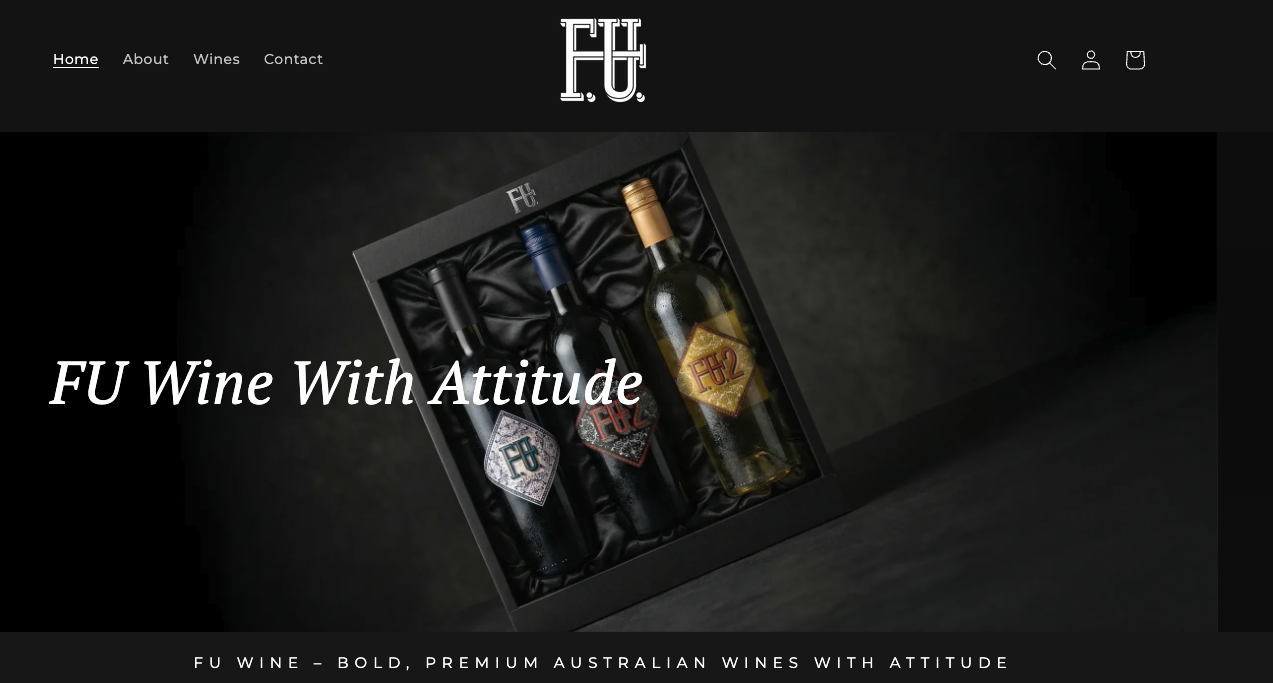
FU Wine sources the kind of full-bodied, high-alcohol reds that usually sit behind a velvet rope. Barossa Shiraz, Amarone, GSM blends, and more, all available at prices that make the traditional wine industry deeply uncomfortable. These are not clearance bottles or bulk leftovers. They are quality-driven, hard-to-find wines that FU Wine gets through direct relationships, cellar clearances, and allocation releases. If you are ready to drink seriously without paying seriously, browse the full collection and see what is available right now. Stock rotates fast and the best bottles do not hang around.
FAQ
What ABV is considered high for a red wine?
Red wines that reach or exceed 15% ABV are considered high-alcohol. Standard reds typically range between 12% and 15% ABV, while fortified styles like Port reach 19–22% ABV.
Which red wine has the highest alcohol content?
Among naturally fermented reds, Barossa Valley Shiraz and Zinfandel regularly reach 15.5–16.5% ABV. Fortified wines like Port and Rutherglen Muscat push higher through the addition of grape spirit.
Does high alcohol mean a red wine is better quality?
High alcohol alone does not indicate quality. A well-made high-alcohol red balances its ABV with strong fruit concentration, firm tannins, and enough acidity to avoid a harsh or burning finish.
What food goes best with high-alcohol red wines?
Hearty, protein-rich dishes work best. Lamb shanks, grilled steak, smoky barbecue, and aged hard cheeses all have the fat and flavour intensity to complement a bold, full-bodied red.
What temperature should I serve a high-alcohol red wine?
Serve high-alcohol reds at 16–18°C. This range softens the perception of alcohol and allows the fruit, tannin, and spice to show at their best.