

Premium wine trends 2026: affordable luxury uncovered
The fine wine world has quietly flipped on its head. After a bruising 2025 correction, the fine wine market is stabilising near five-year lows, and that spells opportunity for anyone who knows where to look. Collectors and enthusiasts who once felt priced out of the good stuff are suddenly finding themselves in the driver’s seat. This guide breaks down what premium really means in 2026, which trends are worth your attention, and how to score exceptional bottles without the eye-watering price tags that used to come with them.
Table of Contents
- What defines premium wine in 2026?
- Five standout premium wine trends for 2026
- Emerging regions and value hotspots
- Smart buying: How to find premium value in 2026
- Premium wine trends of 2026: Side-by-side comparison
- Explore premium wine deals and collections in Australia
- Frequently asked questions
Key Takeaways
| Point | Details |
|---|---|
| Unique buying window | 2026 offers a rare chance to purchase premium wines at accessible prices following market correction. |
| Emerging region value | Regions like Portugal, Greece, Georgia, and Hungary deliver top quality without the usual price premium. |
| Smart shopping strategy | Focusing on expert-rated bottles under $30 allows you to enjoy luxury experiences affordably. |
| Collector opportunity | Stabilised market conditions mean this is the ideal year for building or diversifying a collection. |
What defines premium wine in 2026?
Premium wine used to mean one thing: spend more, get more. That logic is getting a serious shake-up. In 2026, premium is about value, story, and substance, not just a number on a label.
So what actually qualifies? Here are the benchmarks worth knowing:
- Price range: Premium wines typically sit between $30 and $150 in Australia, though smart buys exist well below that ceiling.
- Expert scores: Bottles rated 90 points or above by respected critics carry real weight. Understanding wine scoring explained helps you cut through the noise.
- Provenance and pedigree: Region, producer reputation, and vintage history all feed into the premium equation.
- Scarcity and desirability: Limited releases and boutique runs often punch well above their price point.
- Story and authenticity: In 2026, buyers want to know who made the wine and why. That connection adds genuine value.
The luxury wine market is projected to grow from USD 133 billion in 2025 to USD 144 billion in 2026, an 8.53% CAGR, driven by premiumisation and affluent demand. That growth tells you the appetite is real. But it also means the definition of premium is widening, and that works in your favour.
Pro Tip: Check the wine vintage guide 2026 before buying. Some of the best-value bottles come from years that flew under the radar because they lacked the marketing hype of a celebrated vintage.
Five standout premium wine trends for 2026
With ‘premium’ clearly defined, let’s break down the trends guiding collector and enthusiast choices this year. These are not abstract forecasts. They are real shifts you can act on right now.
-
Market stability unlocks affordable entries. The fine wine market stabilising after the 2025 correction has created a rare entry point into Bordeaux, Burgundy, Italy, and Champagne. Prices that felt untouchable two years ago are suddenly within reach.
-
Premiumisation at every price point. Producers across the board are lifting quality. You no longer need to spend $100 to get a genuinely impressive bottle. The luxury wine market data confirms most value is concentrated in the $15 to $30 range, where competition is fierce and quality is climbing.
-
Non-traditional regions are earning serious respect. Portugal, Greece, Georgia, and Hungary are no longer novelties. They are producing wines that rival classic French and Italian bottles at a fraction of the cost.
-
Smart buys under $30 are having a moment. Savvy collectors are hunting bottles with elite ratings that sit well below the traditional premium threshold. Understanding how wine deals work is the skill that separates the smart buyer from the rest.
-
Back-vintages and aged wines offer extraordinary value. Cellar-aged bottles from overlooked years are hitting the market at prices that make no logical sense given their quality. This is where the real treasure is buried.
“This period offers the best chance in years to broaden your collection without overspending. The correction has reset the playing field, and the collectors who move now will look very clever in five years.”
The wine investment benefits of acting during a market dip are well documented. And if you want to build something lasting, a versatile wine portfolio that spans regions and styles is the smartest move you can make right now.
Emerging regions and value hotspots
Beyond familiar names, there is a wave of value pouring from regions you might have overlooked. And honestly, that is where the fun is.
Emerging regions like Portugal, Greece, Georgia, and Hungary are delivering high-quality value that puts traditional prestige labels on notice. Here is what each brings to the table:
- Portugal: Alentejo reds and Vinho Verde whites offer bold flavour and freshness at prices that feel almost unfair. Expect earthy complexity and genuine character.
- Greece: Assyrtiko from Santorini is the open secret of the wine world. Mineral-driven, age-worthy, and still underpriced relative to its quality.
- Georgia: The birthplace of wine is having a global moment. Amber wines made in traditional qvevri clay vessels are unlike anything else on the market.
- Hungary: Tokaji is the headline act, but dry Furmint is the smart buy. Crisp, textured, and built for ageing.
How do these compare to French and Italian classics? Honestly, at the $20 to $40 price point, many of these bottles outperform their European counterparts on pure drinking pleasure. The prestige gap is closing fast.

Pro Tip: Search your local listings for appellations from these regions. You will often find cellar-aged value wines from Portugal and Hungary sitting quietly on shelves, waiting for someone who knows what they are looking at. Check out alternatives for value wines if you want a broader starting point.
Smart buying: How to find premium value in 2026
Knowing where to look is only part of the equation. Here is how you turn trends into savvy purchases.
Smart buying in 2026 combines timing, regional knowledge, and a nose for undervalued markets. Wine Spectator highlights Rioja and other smart buys under $30 with high scores as standout value picks, proving that elite quality does not require an elite budget.
Here is a simple five-step process to follow:
- Research first. Know the region, the producer, and the vintage before you spend a cent.
- Verify the scores. Cross-reference ratings from at least two trusted critics. One opinion is a data point. Two is a pattern.
- Source locally. Australian distributors often have access to allocations that never make it to the big retailers.
- Check distribution deals. Flash sales and clearance events from specialist retailers are where the real bargains live. Understanding wine distribution explained gives you a real edge.
- Invest strategically. Not every bottle needs to be a keeper. Mix drinking wines with a few investment-grade bottles for a balanced approach to snagging premium bottles.
| Region | Typical price range | Score range | Best for |
|---|---|---|---|
| Bordeaux | $40 to $200+ | 88 to 100 | Investment and cellaring |
| Rioja | $15 to $60 | 88 to 96 | Everyday premium drinking |
| Portugal (Alentejo) | $15 to $40 | 87 to 94 | Value and versatility |
| Burgundy | $60 to $500+ | 90 to 100 | Serious collectors |
| Georgia (Qvevri) | $20 to $50 | 88 to 95 | Adventurous drinkers |
The data is clear. You do not need to spend big to drink well in 2026.
Premium wine trends of 2026: Side-by-side comparison
To wrap up, here is a direct comparison so you can see how each trend or region measures up for your needs.
After the market correction, emerging regions are offering dramatic value shifts against established ones. This table gives you the full picture at a glance.
| Category | French classics | Emerging regions | Best price vs. prestige pick |
|---|---|---|---|
| Typical bottle price | $50 to $300+ | $15 to $60 | Emerging regions |
| Score range | 88 to 100 | 85 to 96 | Comparable at mid-range |
| Investment outlook | Strong long-term | Growing fast | French for investment |
| Drinking pleasure now | Excellent | Excellent | Tie |
| Availability in Australia | Moderate | Increasing | Emerging regions |
Who suits which approach?
- Serious collectors will still find Bordeaux and Burgundy compelling, especially at post-correction prices.
- Everyday enthusiasts get the most bang for their buck from Rioja, Portuguese reds, and Greek whites.
- Adventurous drinkers should absolutely explore Georgian amber wines and Hungarian Furmint.
- Smart investors should look at a blended approach, anchoring with French classics and diversifying into emerging regions for growth potential.
Every bottle is a small rebellion against the idea that quality has to cost a fortune. And in 2026, the market is finally backing that up with hard data.
Explore premium wine deals and collections in Australia
Ready to take advantage of this year’s market? The trends are real, the value is there, and the only thing standing between you and a genuinely great bottle is knowing where to shop.
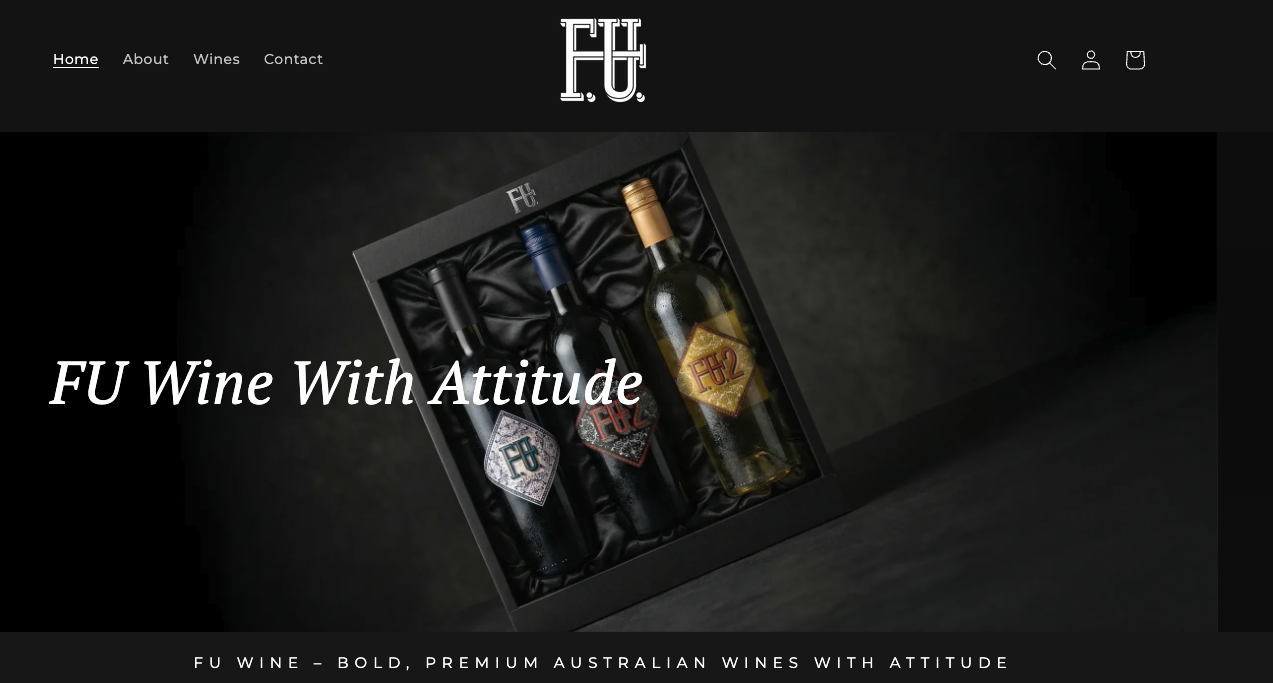
At FU Wine, we have built our entire model around exactly this moment. We source rare, high-scoring, and hard-to-find bottles and make them available at prices that would make a traditional wine merchant wince. No markups. No gatekeeping. No pretension. Just seriously good wine at prices that make sense. Browse our premium wine selection and you will find bottles from the regions and trends covered in this guide, curated by people who actually know their stuff. Flash deals, limited releases, and cellar finds updated regularly. Life is too short for ordinary wine.
Frequently asked questions
Why is 2026 considered a great year for finding premium wine deals?
The fine wine market stabilising after the 2025 correction means collectors can access luxury wines at prices not seen in years. It is a genuine buyer’s market right now.
Which emerging wine regions offer premium quality for less in 2026?
Portugal, Greece, Georgia, and Hungary are the standouts, with emerging regions delivering outstanding quality that rivals traditional prestige labels at a fraction of the cost.
How can I identify a premium wine at a smart price in 2026?
Look for expert-rated bottles under $30 from recognised or emerging regions. Wine Spectator’s top values are a solid starting point for cross-referencing scores and finding genuine bargains.
Is premium wine still a good investment after recent market changes?
Absolutely. The rare entry point created by market stabilisation makes regions like Bordeaux, Burgundy, and Champagne more accessible than they have been in years, which is exactly when smart investors move.