

Premium wine selection: unique bottles without the fuss
TL;DR:
- Genuine premium wine is characterized by complex taste, provenance, drinkability, and price-to-quality balance.
- Affordable, high-quality wines under $50 include regionally underrated options with strong scores and aging potential.
- Building a personal wine collection involves curiosity, patience, and focusing on what uniquely appeals to your taste.
Finding genuinely premium wine shouldn’t feel like cracking a secret code. Yet for most enthusiasts, the hunt involves wading through inflated prices, confusing labels, and a whole lot of snobbery that adds zero value to your glass. The real challenge isn’t finding expensive wine. It’s finding wine that’s exceptional, interesting, and honestly priced. Whether you’re after something to crack open on a Tuesday or a bottle worth saving for a decade, this guide cuts through the noise. We’ll walk you through what actually makes a wine premium, share standout picks under $50, and help you build a list that reflects your taste, not someone else’s status.
Table of Contents
- How to evaluate a premium wine pick: Criteria that matter
- Top premium wine selections under $50: Everyday excellence
- Collectible and cellar-worthy: Access premium without the snobbery
- Panel picks vs. crowd favourites: What the lists miss
- A fresh perspective: Don’t chase hype—curate for your own enjoyment
- Curate your own premium wine adventure
- Frequently asked questions
Key Takeaways
| Point | Details |
|---|---|
| Criteria matter most | Focusing on expert-backed criteria makes it easy to pick real premium wines without overpaying. |
| Affordable gems exist | Many unique, high-quality wines under $50 match the taste and interest of much pricier bottles. |
| Curate for yourself | Blending expert tips with your own palate creates a rewarding wine selection that reflects you. |
| Expert panels add value | Panel-tested wine lists highlight diverse and excellent bottles overlooked by crowd-sourced rankings. |
How to evaluate a premium wine pick: Criteria that matter
Not every expensive wine is premium. And not every affordable wine is a compromise. The difference comes down to a handful of criteria that actually matter when you’re choosing what to put in your glass or your cellar.
Genuine premium value shows up in a few key ways:
- Taste complexity: Does the wine have layers? Does it change as you drink it?
- Provenance: Where it’s from matters. Terroir-driven wines from specific regions carry a story and a character that bulk production simply can’t replicate.
- Critical score: A high score from a respected panel is a useful shortcut, not the whole story.
- Drinkability: A wine that’s technically impressive but joyless to drink isn’t premium. It’s just expensive.
- Cellaring potential: Can it evolve? Some bottles reward patience. Others are built for tonight.
- Price-to-quality balance: This is the real test. You’re looking for spotting genuine value in every bottle.
One thing worth knowing: not all ratings are created equal. Wine scoring explained reveals a real gap between how different organisations approach their lists. VinePair tastes with knowledge of producer and price, focusing on quality, value, and diversity, while the Wine Spectator Top 100 uses blind tastings for objectivity. Both approaches have merit, but understanding the difference helps you read a score with more confidence.
“The best value wines aren’t hiding behind big price tags. They’re hiding behind unfamiliar names and underrated regions.” This is the mindset that separates savvy drinkers from label chasers.
Terroir-driven picks from lesser-known regions consistently punch above their weight. Think Finger Lakes Cabernet Franc or a Willamette Valley Pinot Noir. These aren’t consolation prizes. They’re genuinely exciting bottles.
Pro Tip: A 92-point score from a blind tasting panel means far more than a 95-point score from a retailer who also sells the wine.
Top premium wine selections under $50: Everyday excellence
Theory is great. But you came here for bottles. Let’s get into it.
Affordable luxury wine trends show the under-$50 category is genuinely exciting right now. VinePair’s best red wines for 2026 features accessible premium options like the Forge Cellars Willow Cabernet Franc 2023 at $26 with 95 points, and the Dr. Konstantin Frank Cabernet Franc 2022 at $28 with 93 points. These aren’t budget wines dressed up. They’re genuinely high-scoring bottles at prices that make sense.
Sommeliers also back the under-$50 category hard. Sommelier-recommended picks include the Gruet Brut Sparkling Rosé under $20 and the Flowers Sonoma Coast Pinot Noir 2023 under $50, both delivering serious quality for the price.
Here’s a snapshot of standout picks worth knowing:
| Wine | Vintage | Region | Score | Price |
|---|---|---|---|---|
| Forge Cellars Willow Cabernet Franc | 2023 | Finger Lakes, NY | 95 pts | ~$26 |
| Dr. Konstantin Frank Cabernet Franc | 2022 | Finger Lakes, NY | 93 pts | ~$28 |
| Flowers Sonoma Coast Pinot Noir | 2023 | Sonoma Coast, CA | 92 pts | ~$45 |
| Gruet Brut Sparkling Rosé | NV | New Mexico | 91 pts | ~$18 |
| Haden Fig Willamette Valley Pinot Noir | 2023 | Willamette Valley, OR | 94 pts | ~$26 |
What makes these picks genuinely interesting:
- The Forge Cellars Cabernet Franc is silky and savoury with a freshness that makes it brilliant with roast chicken or charcuterie.
- The Flowers Pinot Noir is the kind of wine that makes you slow down. Earthy, elegant, and built for a long dinner.
- The Gruet Sparkling Rosé is your go-to for celebrations that don’t require a second mortgage.
- The Haden Fig Pinot Noir over-delivers at every level. Bright red fruit, fine tannins, and a finish that lingers.
Pro Tip: Emerging regions like Finger Lakes and New Mexico offer extraordinary value because they haven’t been discovered by the hype machine yet. Get in early.
Collectible and cellar-worthy: Access premium without the snobbery
You don’t need a temperature-controlled vault or a six-figure budget to start collecting. Some of the best cellar candidates are sitting quietly under $50, waiting for their moment.

VinePair’s best wines of 2025 highlights two standout value collectibles: the Von Winning ‘Winnings’ Riesling 2024 at $20 with 92 points, and the Haden Fig Willamette Valley Pinot Noir 2023 at $26 with 94 points. Both are bottles you can open now or tuck away for a few years and be rewarded either way.
Here’s a quick reference for cellar-worthy picks:
| Wine | Vintage | Region | Ageability | Score | Price |
|---|---|---|---|---|---|
| Von Winning ‘Winnings’ Riesling | 2024 | Pfalz, Germany | 8-12 years | 92 pts | ~$20 |
| Haden Fig Willamette Valley Pinot Noir | 2023 | Oregon, USA | 5-8 years | 94 pts | ~$26 |
| Chianti Riserva (various producers) | 2020 | Tuscany, Italy | 10-15+ years | 91-93 pts | ~$30-45 |
Want to start a small collection without the overwhelm? Here’s how:
- Start with six bottles. Pick two to drink now, two to open in two years, two to leave for five or more.
- Store them properly. A cool, dark spot away from vibration is enough. You don’t need a dedicated cellar.
- Track what you buy. A simple notes app works. Record the wine, vintage, price, and when you plan to open it.
- Resist the urge to open early. The reward is real. Patience genuinely pays off.
Explore cellar ageing examples and the ageing and vintages guide to go deeper on what to expect from different styles.
“Even a $20 Riesling, stored correctly, can develop extraordinary complexity over a decade. The price of entry is low. The reward is anything but.” This is the kind of insider knowledge that used to cost you a membership fee.
As VinePair notes, chillable low-ABV reds suit everyday drinking, while collectibles like Chianti Riserva can age 15 or more years with grace.
Panel picks vs. crowd favourites: What the lists miss
Both expert panels and crowd-sourced platforms have a role to play. But they’re telling you very different things, and knowing the difference changes how you shop.
Here’s what separates them:
- Expert panels use blind tastings, focus on value and diversity, and regularly surface wines from lesser-known regions that punch well above their price.
- Crowd-sourced platforms like Vivino reflect real drinker preferences but can skew heavily toward ultra-premium collectables and hype-driven bottles that most people can’t access or afford.
- Price bias is real on crowd platforms. Higher-priced wines attract more attention and often score higher simply because of expectation.
- Regional diversity is far stronger in panel lists. You’ll find Finger Lakes, Willamette Valley, and other unique regional values that crowd platforms often overlook in favour of Napa and Bordeaux.
For Australian drinkers, this matters. European and emerging US regions consistently offer better value than the big-name appellations that dominate social feeds. Understanding how premium scoring works gives you a real edge when building your list. And getting across wine desirability and value helps you separate genuine quality from manufactured buzz.
Pro Tip: Use expert panel lists to build your shortlist, then cross-check with crowd ratings to see how real drinkers respond. The overlap is where the magic lives.
Neither approach is perfect. But together, they give you a much sharper picture than either one alone.
A fresh perspective: Don’t chase hype—curate for your own enjoyment
Here’s the thing most wine guides won’t tell you. The best bottle you’ll ever open probably isn’t on any list. It’s the one you discovered yourself, from a producer nobody’s heard of yet, in a region that hasn’t been hyped to death.
Chasing scores and labels is a game designed to keep you spending more than you need to. The real joy of wine is in the discovery. A Riesling from an unexpected corner of Germany. A Pinot Noir from a tiny Oregon producer. A sparkling wine from New Mexico that makes your guests ask, “Wait, where is this from?”
Curating for your own palate and your own occasions always beats following trends. Build a list with stories behind it, not just scores. Include bottles that surprise you, bottles that pair perfectly with your go-to meals, and yes, a couple of cellar picks that reward your patience.
Give yourself the freedom to explore. Start building your own wine portfolio around what genuinely excites you, not what a magazine says you should drink. Every bottle is a small rebellion against the idea that great wine has to come with a story you didn’t write yourself.
Curate your own premium wine adventure
Ready to put all of this into practice? FU Wine exists precisely for moments like this. No gatekeeping. No inflated prices. No pretension.
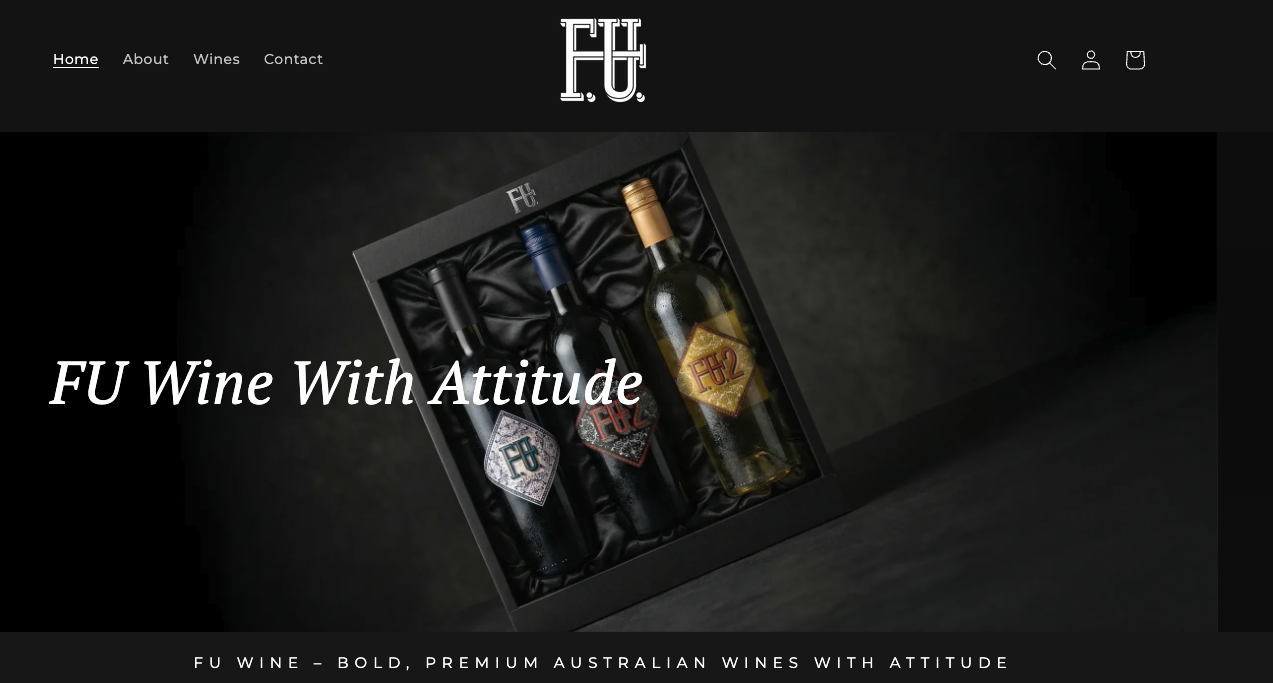
FU Wine sources rare, high-scoring, and genuinely exciting bottles and makes them available at prices that actually make sense, often 30 to 70% below what you’d pay elsewhere. The picks rotate, the deals move fast, and the quality is always the point. Whether you’re after an everyday drinker with real character or a cellar-worthy bottle that’ll reward your patience, our curated wine picks are the place to start. Use the criteria and selections from this guide to sharpen your instincts, then let FU Wine do the heavy lifting on sourcing. Life’s too short for ordinary wine.
Frequently asked questions
What makes a wine ‘premium’ if it’s under $50?
A premium wine under $50 delivers top scores for taste, uniqueness, and balance, often backed by expert tastings rather than a high price tag. VinePair’s best reds for 2026 regularly features accessible options scoring 92 to 95 points well under that threshold.
Can affordable wines really improve with age?
Absolutely. Many bottles under $50 develop complex, rewarding flavours over several years, especially Pinot Noirs, Rieslings, and Italian reds. The Von Winning Riesling and Haden Fig Pinot Noir are cited as standout value collectibles with real ageing potential.
How do I choose wines for my own premium list?
Start with expert panel recommendations for quality and diversity, then layer in your own taste preferences and the occasions you’re buying for. Expert panel lists highlight value and regional variety that crowd platforms often miss.
What’s the difference between expert and crowd-sourced wine lists?
Expert lists feature blind-tasted, value-focused bottles from diverse regions, while crowd-sourced lists can favour high-priced, hype-driven wines. Crowd platforms like Vivino tend to favour ultra-premium collectables, while panels prioritise accessibility and genuine quality.