

Niche wines: what they are and where to find them
What makes a wine “niche”?
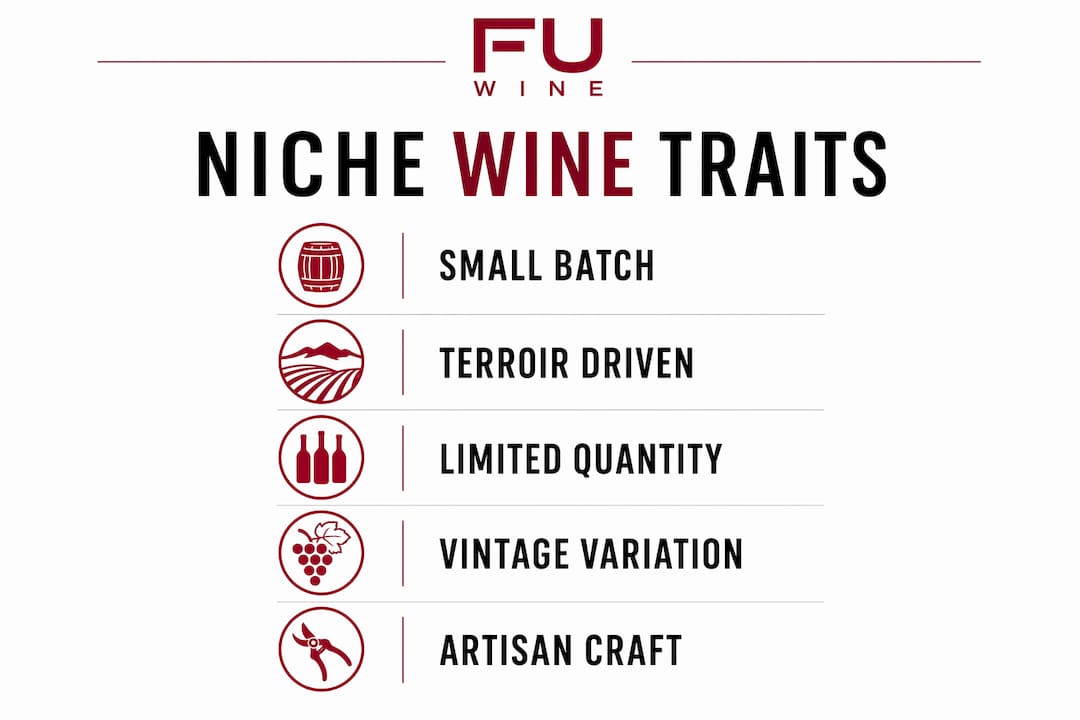
Niche wines are small-batch, artisan wines produced in limited quantities, typically fewer than 10,000 cases per year. That ceiling is not arbitrary. Below it, a winemaker can still hand-harvest, ferment in small tanks, and make decisions bottle by bottle rather than by spreadsheet.
The philosophy is the real separator. Mass-market production chases consistency and volume. Niche producers chase character. Every vintage is a conversation between the winemaker and the land, not a formula repeated at scale.
What actually defines a boutique or small-production wine:
- Production scale: under 10,000 cases annually, often far less
- Minimal intervention: manual harvesting and limited cellar additives prioritised over efficiency
- Terroir expression: single-vineyard or region-specific character front and centre
- Unique varietals: obscure or rare wine selections from indigenous or experimental grapes
- Producer type: boutique wineries, family-run operations, micro-wineries
- Regional revitalisation: projects like Japan’s “Muscat Shiragai,” a new grape variety developed through a multi-year collaboration between Okayama University of Science, Kurashiki City, and Funao Winery to create a uniquely regional wine
The Barossa Valley’s The Niche Wines is a local example: a small boutique producer sourcing fruit from premium Australian regions including McLaren Vale, Clare Valley, and Coonawarra. Across the Pacific, Niche Wine Co. in British Columbia’s Okanagan Valley produces award-winning small-lot wines that sell out vintage after vintage. Same ethos, different hemisphere.
Pro Tip: Look beyond volume on the label. Single-vineyard or appellation-specific labelling is often a stronger signal of genuine small-batch provenance than any marketing claim.
Sourcing niche wines is genuinely tricky
Most boutique producers distribute directly to customers, bypassing national retail entirely. That keeps quality control tight and markups low, but it also means you will not find these bottles at the supermarket. Ever.
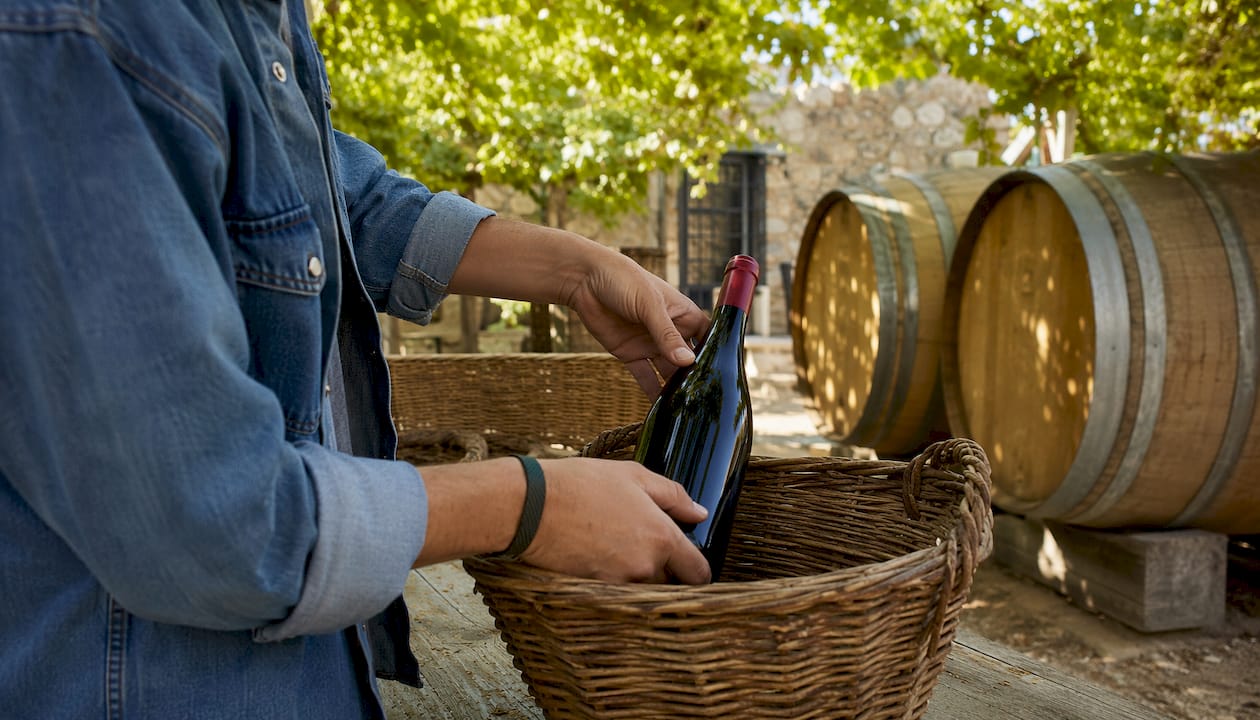
Availability is patchy by design. Runs sell out fast, allocations go to wine club members first, and limited distribution is the norm rather than the exception. Pricing reflects genuine production costs: artisanal methods are labour-intensive, and small wineries charge more to cover them. For Australian consumers, the practical options are winery tasting rooms, direct website purchases, wine clubs, and specialist boutique retailers. Joining a wine club or mailing list is often the only reliable way to secure bottles before they disappear.
Single vineyard wines, explored in depth over at Res Fortes, illustrate exactly why terroir-driven bottles command both loyalty and a premium price.
How to actually taste and appreciate these wines
Slow down. That is the whole game with small-production bottles. Pour a smaller measure than usual, let it breathe for ten minutes, and resist the urge to judge on the first sip.
Boutique wines often show vintage variation that mass-market wines deliberately engineer out. A Grenache from a cool, wet year will taste noticeably different from the same producer’s warm-vintage release. That is a feature, not a flaw. Pay attention to texture, acidity, and finish length rather than just fruit flavour. These are the dimensions where artisan wine producers separate themselves from the pack, using native yeasts, extended barrel ageing, and terroir-driven techniques that simply are not viable at industrial scale.
FU Wine: rare bottles, no pretension, serious discounts
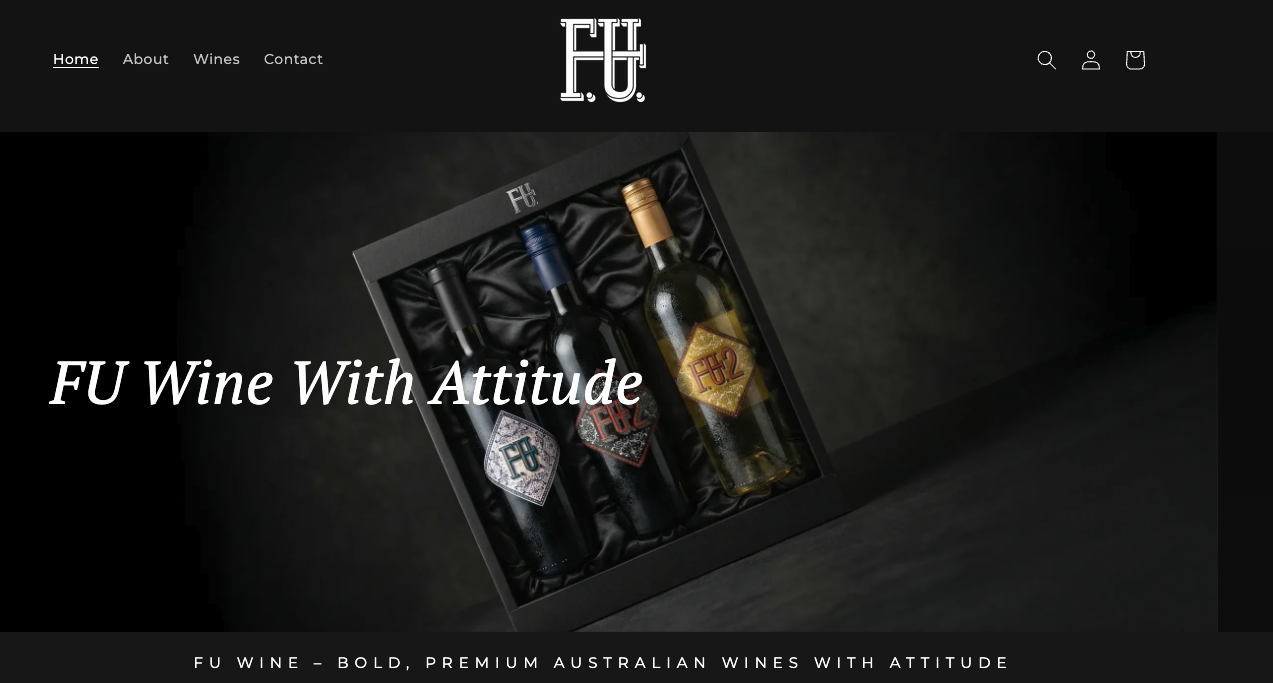
Tired of paying retail for wines that deserve better? FU Wine sources premium, hard-to-find boutique and rare wines and delivers them at 30–70% below traditional retail prices. No middlemen. No inflated markups. Just quality bottles at prices that make sense.
- Flash deals on collectible and boutique releases
- Rotating selection that keeps things genuinely exciting
- Direct sourcing from allocation releases and cellar clearances
- Quality and scarcity over clearance stock, always
Life’s too short for ordinary wine. Explore FU Wine and find your next obsession before someone else does.
Key takeaways
Niche wines are defined by small production scale, minimal intervention, and terroir-driven character that mass-market bottles cannot replicate.
| Point | Details |
|---|---|
| Production scale | Fewer than 10,000 cases annually is a common benchmark for genuine small-batch wines. |
| Sourcing challenge | Most boutique producers sell direct; wine clubs and specialist retailers are the most reliable access points. |
| Pricing reality | Artisanal methods cost more to execute, so boutique wines carry a premium over mass-produced alternatives. |
| Tasting approach | Slow down, allow breathing time, and focus on texture and vintage variation rather than just fruit flavour. |
| FU Wine access | FU Wine offers 30–70% discounts on rare and boutique wines, cutting out retail markups for Australian consumers. |