

Margaret River wine: the buyer's guide to Australia's best
Margaret River Australia wine is the country’s most consistent source of premium Cabernet Sauvignon and Chardonnay, shaped by a cool maritime climate that produces structured, cellar-worthy bottles year after year. If you’re serious about what goes in your glass, this region deserves your full attention.
Here’s what buyers need to know upfront:
- Quality level: Over 65 of the region’s 90+ cellar doors carry a Halliday 5-star rating, making it one of Australia’s most decorated wine regions by concentration.
- Cellaring potential: Cabernet Sauvignon from top producers can age 15–25 years; premium Chardonnay typically peaks at 5–12 years.
- Where to buy in Australia: Direct from cellar door, online specialist retailers, and through deal-driven platforms like FU Wine, which surfaces rare and limited-release Margaret River bottles at prices that don’t insult your intelligence.
- Trust signals to look for: Halliday star ratings, IWSC medals, and vintage notes on the label are your clearest quality markers.
Table of Contents
- What makes Margaret River wine country so special?
- What do Margaret River wines actually taste like?
- Why collectors and premium buyers prioritise this region
- What can you expect when you visit Margaret River cellar doors?
- How do you choose and buy Margaret River bottles in Australia?
- What the research says: climate, awards, and market data
- What food goes best with Margaret River wines?
- How should you store Margaret River wines after you buy them?
- Key takeaways
- Why the best Margaret River bottles are hiding in plain sight
- FU Wine: where rare Margaret River bottles meet real prices
- Selected sources and further reading
What makes Margaret River wine country so special?
Margaret River sits on a coastal peninsula in south-west Western Australia, located a few hours’ drive south of Perth. The isolation is part of the identity. Surrounded on three sides by ocean, the region draws consistent sea breezes from the Indian Ocean to the west and the Southern Ocean to the south, creating one of Australia’s most maritime-influenced wine climates.
That maritime influence keeps temperatures even. Low diurnal range means grapes ripen slowly and steadily, building flavour with balanced acidity. The result is wines with natural structure and balance, not the jammy overripeness that plagues hotter inland regions. Wine Australia notes the climate’s similarity to Bordeaux in dry vintages, and it shows in the Cabernet’s elegance.
The region’s scale is deliberately boutique. Roughly 5,700–5,840 hectares) are planted under vine, supporting several hundred wineries, most of them small family estates. That’s a modest footprint by national standards, but the quality density is extraordinary.
| Fact | Detail |
|---|---|
| Location | Coastal peninsula, south-west Western Australia |
| Distance from Perth | A few hours’ drive south |
| Hectares under vine | 5,700–5,840 ha |
| Cellar doors | 90+ (over 65 rated Halliday 5 star) |
| Climate type | Maritime, low diurnal range |
| Key soil types | Gravelly loam, laterite, sandy loam over clay |
The soils vary across the region but gravelly loam and laterite profiles dominate the best vineyard sites. These free-draining soils stress the vine just enough to concentrate flavour and build the firm, fine-grained tannin structure that defines the region’s Cabernet.
What do Margaret River wines actually taste like?
Cabernet Sauvignon and Chardonnay are the region’s twin calling cards, and they’re globally revered for good reason.
Cabernet Sauvignon
This is Margaret River’s flagship. Expect cassis, dark plum, cedar, and a gravelly mineral edge that sets it apart from warmer-climate Australian Cabernets. The tannins are firm but fine, and the natural acidity gives the wine a spine that supports long cellaring. Most top producers blend in small amounts of Merlot, Malbec, or Petit Verdot to add flesh and complexity. Cullen Wines’ Diana Madeline is a benchmark example of how Bordeaux-style blending works in this climate. Cellaring window: 10–25 years for premium examples.

Chardonnay
Margaret River Chardonnay is restrained and mineral-driven, a world away from the buttery, over-oaked styles that gave Australian Chardonnay a bad name. The Gingin clone dominates the region’s best vineyards and produces wines with stone fruit, white peach, and a saline, citrus-driven finish. Winemakers typically use partial barrel fermentation and lees ageing to build texture without weight. Hay Shed Hill’s Block 6 Chardonnay is a strong reference point for the style. Drink from 3 years; premium examples reward 8–12 years in the cellar.
Semillon–Sauvignon Blanc
The region’s signature white blend punches well above its price point. Semillon adds waxy texture and longevity; Sauvignon Blanc brings the lift, passionfruit, and cut grass aromatics. These blends are typically best enjoyed young and fresh, within 3–5 years of vintage, though top examples from Xanadu and others can develop beautifully for longer.
Emerging varieties
Beyond the top three, over 40 alternate varieties are planted in small volumes across the region. Chenin Blanc is the most exciting emerging white, producing wines with quince, honeysuckle, and a dry, textural finish that rewards attention. Shiraz/Syrah produces a cooler-climate style with pepper, olive, and dark cherry, more Rhône than Barossa. Small plots of Tempranillo, Malbec, and Grenache are worth seeking out from boutique producers.
- Cabernet Sauvignon: cassis, cedar, gravelly tannins; cellar 10–25 years
- Chardonnay: stone fruit, saline finish, restrained oak; cellar 3–12 years
- Semillon–Sauvignon Blanc: passionfruit, waxy texture; drink within 3–5 years
- Chenin Blanc: quince, honeysuckle, dry finish; watch this space
- Shiraz/Syrah: pepper, olive, dark cherry; cooler-climate elegance
Pro Tip: When pairing Margaret River whites with food, Semillon–Sauvignon Blanc is one of the most food-friendly wines in Australia. Check out FU Wine’s white wine pairing guide for specific match ideas.
Why collectors and premium buyers prioritise this region
The numbers tell the story bluntly. Margaret River produces roughly 2% of Australia’s national grape crush) yet accounts for over 20% of the country’s premium wine market. That’s a staggering ratio, and it explains why serious collectors treat this region differently from almost anywhere else in the country.
The maritime climate is the engine behind that consistency. Because vintage variation is generally less extreme than inland regions, buyers can plan their cellar with more confidence. A good producer in Margaret River is a reliable producer, year in, year out.
Award pedigree backs that up. The 2023 Xanadu Cabernet Sauvignon earned major competition results that put it alongside the world’s best, illustrating what the region’s top estates can do in a strong vintage. IWSC medals and national show results appear regularly across the region’s producers, not just the headline names.
What to look for on a label or listing:
- Halliday star rating: 5-star wineries are the benchmark; 4.5-star estates often offer exceptional value
- Award stickers: IWSC, Royal Melbourne Wine Show, and Sydney Royal results are reliable quality signals
- Vine age: older vines (20+ years) typically produce more concentrated, complex fruit
- Vineyard designation: single-vineyard or block-specific releases usually indicate the producer’s best fruit
Boutique producer structure dominates the region. Many small estates produce limited runs with high standards, and the best value often sits outside the headline names. If you’re only buying the famous labels, you’re leaving serious quality on the table.
What can you expect when you visit Margaret River cellar doors?
The cellar-door experience here is genuinely world-class. Most cellar doors offer tutored tastings, barrel-room access, and the chance to try pre-release or museum wines that never make it to retail shelves. That’s where the real discovery happens.

Wine-trail logistics are easy. The main cellar-door corridor runs along Caves Road and Harmans Road, with most estates within 20–30 minutes of each other. You can comfortably visit three or four cellar doors in a day without rushing.
Best seasons to visit:
- Autumn (March–May): Harvest season. Winemakers are on-site, barrels are being filled, and the energy is electric. Some estates offer harvest experiences.
- Winter (June–August): Quieter, more intimate tastings. Easier to get time with the winemaker.
- Spring (September–November): Wildflowers are out, the region is stunning, and cellar doors are gearing up for the summer season.
- Summer (December–February): Busy and festive. Book ahead for popular cellar doors.
Wine events worth timing a trip around include the annual Margaret River Gourmet Escape (typically held in November), which brings together winemakers, chefs, and food producers for a long weekend of serious eating and drinking.
Pro Tip: Join the mailing list of your favourite estates before you visit. Many boutique producers release limited-run and single-vineyard wines exclusively to their mailing-list subscribers, weeks before they appear anywhere else. If you miss the email, you miss the wine.
How do you choose and buy Margaret River bottles in Australia?
Here’s a practical buying sequence that works whether you’re shopping online or standing at a cellar door.
- Decide on variety and style first. Are you after a cellar-worthy Cabernet or a drink-now Semillon–Sauvignon Blanc? Your answer determines the price point and the producer tier you’re shopping in.
- Check the vintage. Margaret River’s maritime climate means most vintages are reliable, but years with above-average rainfall at harvest can affect structure. Recent standout vintages include 2021 and 2022 for Cabernet.
- Look at vine age and vineyard designation. Single-vineyard and old-vine releases signal the producer’s best fruit. Block-specific Chardonnays and Cabernets from estates like Hay Shed Hill are worth the premium.
- Read the oak regime. For Chardonnay, look for partial barrel fermentation and lees ageing rather than heavy new-oak treatment. For Cabernet, French oak is the regional standard; heavy American oak is a style flag.
- Match the price point to your intent. Everyday Margaret River wines sit in the $25–$45 range and deliver strong value. Premium bottles run $50–$120 and reward cellaring. Collectible releases from top estates can exceed $150 and are worth tracking through specialist channels.
- Choose your buying channel. Direct from cellar door gives you access to library and museum wines. Online specialist retailers offer convenience and range. Deal-driven platforms like FU Wine can surface rare or discounted premium stock at prices well below traditional retail.
Margaret River accounts for over 20% of Australia’s premium wine market) despite its small production footprint, so scarcity is real. When you find a bottle you love, buy more than one.
What the research says: climate, awards, and market data
The evidence for Margaret River’s premium status is well-documented. Wine Australia’s regional analysis confirms the region’s maritime climate produces even heat accumulation and consistent ripening, with a climate profile that most closely resembles Bordeaux in dry vintages. That Bordeaux comparison isn’t marketing copy; it’s a genuine climatic parallel that explains why the region’s Cabernet ages so predictably.
The market-share figure is the one that stops people in their tracks. Roughly 2% of national crush, over 20% of premium market value. That ratio reflects decades of deliberate quality focus from producers who chose boutique scale over volume.
Award results reinforce the picture. The 2023 Xanadu Cabernet Sauvignon’s major competition wins are one data point in a long pattern of international recognition for the region’s top estates. IWSC results, national show medals, and Halliday scores consistently cluster at the top end for Margaret River producers.
“Margaret River’s maritime climate produces even ripening and moderated vintage variation, making it one of Australia’s most consistent premium wine regions — a genuine parallel to Bordeaux in dry years.” — Wine Australia regional analysis
What a Halliday 5-star cellar door rating actually means for buyers: it signals that the winery consistently produces wines of exceptional quality, with the infrastructure and expertise to back it up. With over 65 of the region’s 90+ cellar doors holding that rating, the concentration of quality here is unlike anywhere else in Australia.
What food goes best with Margaret River wines?
Margaret River Cabernet Sauvignon is built for red meat. The firm tannins and natural acidity cut through fat beautifully, making it a natural partner for lamb rack, aged beef, and slow-braised short ribs. For a deeper look at matching Cabernet with specific cuts, FU Wine’s red meat pairing guide covers the detail.
Chardonnay from the region pairs brilliantly with seafood, particularly WA rock lobster, pan-fried barramundi, and scallops with butter sauce. The mineral, citrus-driven style has enough weight to stand up to richer preparations without overwhelming delicate flavours.
Semillon–Sauvignon Blanc is the region’s most versatile food wine. It works with grilled prawns, fresh oysters, goat’s cheese, and herb-driven chicken dishes. The waxy texture of Semillon adds body that pure Sauvignon Blanc can’t match.
Chenin Blanc, when you find it, is exceptional with pork. The wine’s natural acidity and quince notes complement roasted pork belly and charcuterie in a way that few other whites can manage.
Serving temperatures matter more than most people realise. Cabernet Sauvignon is best at 16–18°C, not room temperature in an Australian summer. Chardonnay and the white blends are best at 10–12°C, cold enough to show freshness but not so cold that the aromatics shut down.
How should you store Margaret River wines after you buy them?
Premium Margaret River Cabernet and Chardonnay are built to age, but only if you store them properly. Get this wrong and a $120 bottle becomes a $120 disappointment.
The fundamentals are non-negotiable. Temperature consistency is more important than the exact temperature. Aim for 12–15°C and keep it stable. Fluctuations cause the wine to expand and contract, which pushes air past the cork and accelerates oxidation.
Humidity should sit between 60–70%. Too dry and corks shrink; too wet and mould becomes a problem. Lay bottles on their side to keep the cork moist and the seal intact.
Keep wines away from light, particularly UV. Even brief exposure to direct sunlight can cause premature ageing and off-flavours. A dedicated wine fridge, a temperature-controlled cellar, or a dark cupboard away from heat sources all work.
Vibration is the underrated enemy of long-term cellaring. Don’t store premium bottles near appliances that hum or vibrate. The constant movement disrupts the slow chemical reactions that build complexity over time.
For bottles you plan to hold for 10+ years, a professional wine storage facility is worth considering. Many Australian cities have temperature-controlled storage options that cost less than you’d expect and protect your investment properly.
Key takeaways
Margaret River produces a small percentage of Australia’s national grape crush yet accounts for a disproportionately large share of the premium wine market, making it one of the country’s most important fine-wine regions by value.
| Point | Details |
|---|---|
| Premium market dominance | Roughly 2% of national crush, over 20% of Australia’s premium wine market value. |
| Cellar-door quality | Over 65 of 90+ cellar doors hold a Halliday 5-star rating — visit to access museum and limited-release wines. |
| Signature varieties | Cabernet Sauvignon (cellar 10–25 years), Chardonnay (3–12 years), and Semillon–Sauvignon Blanc (drink within 3–5 years). |
| Storage essentials | Store at 12–15°C, 60–70% humidity, on their side, away from light and vibration. |
| FU Wine advantage | FU Wine surfaces rare and discounted Margaret River bottles — watch for flash deals on limited-release and cellar-aged stock. |
Why the best Margaret River bottles are hiding in plain sight
Here’s the thing most wine guides won’t tell you: the headline estates get all the press, but the region’s real value sits in the boutique producers who never make the mainstream lists. Margaret River’s boutique structure means dozens of small estates are producing wines of extraordinary quality in tiny volumes, and most buyers walk straight past them because they don’t recognise the label.
The maritime climate argument cuts both ways. Yes, it produces consistent, cellar-worthy wines. But it also means buyers can afford to be less precious about vintage selection than they would be in, say, the Hunter Valley or Coonawarra. Most years in Margaret River are good years. That predictability is an asset for cellar planning, but it also means the vintage obsession that drives prices up in other regions is less justified here.
The Halliday 5-star concentration is genuinely remarkable. When more than two-thirds of a region’s cellar doors hold the top rating, the floor for quality is already high. The ceiling, for those willing to look beyond the famous names, is extraordinary.
FU Wine: where rare Margaret River bottles meet real prices
Most premium Margaret River wine sits behind cellar-door allocation lists, specialist retailer markups, or auction premiums that price out anyone who isn’t already in the know. FU Wine cuts through all of that.
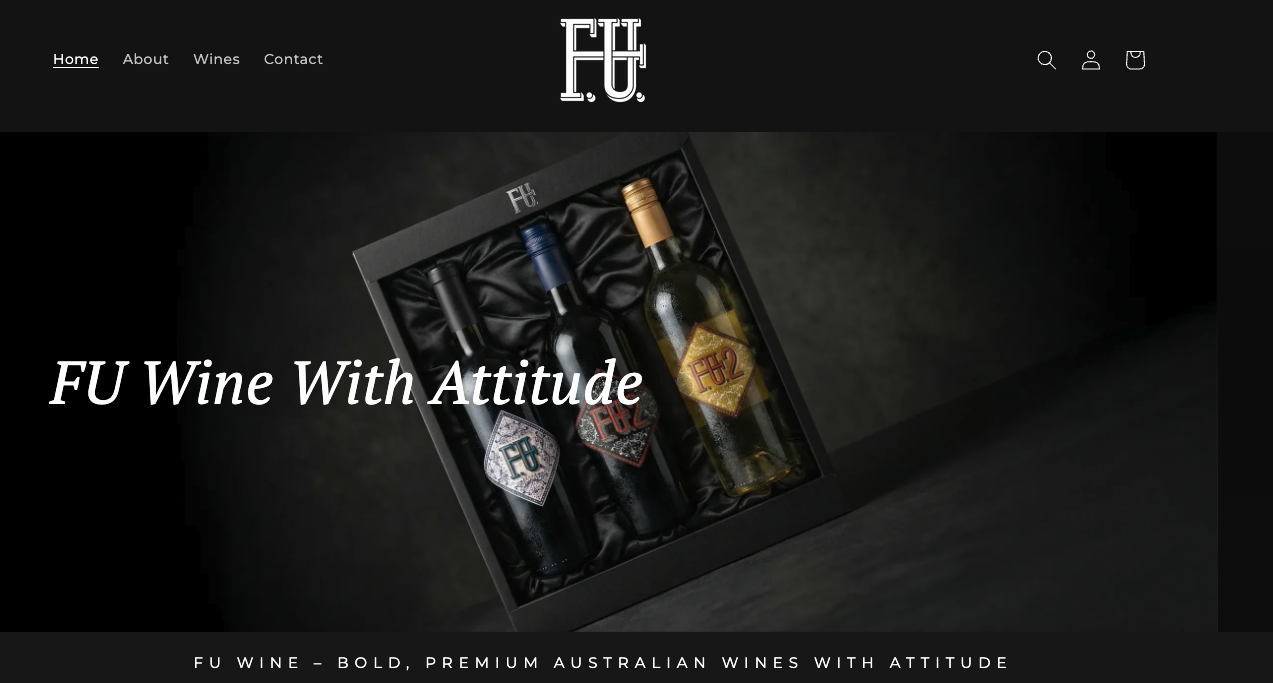
FU Wine sources directly from boutique producers, cellar clearances, and allocation releases, then passes the savings straight to you. We’re talking 30–70% below what you’d pay at traditional retail for the same bottles. Limited-release Cabernets, cellar-aged Chardonnays, small-batch Semillon–Sauvignon Blanc from estates that don’t advertise. The kind of stock that disappears fast when word gets out.
The model is simple: we find the gems, you drink them without paying the premium-label tax. Flash deals drop regularly, and the best ones go quickly. Browse FU Wine’s current Margaret River offers and sign up for deal alerts so you’re first in line when a rare bottle lands.
Selected sources and further reading
These are the primary sources used in this guide, and the best places to go for official region data, winery listings, and variety detail.
- Wine Australia — Margaret River regional guide: The official industry body’s regional overview, covering climate data, GI boundaries, and market statistics. Start here for authoritative figures.
- Margaret River Wine — key varieties guide: The region’s own variety-by-variety breakdown, including clone detail for Chardonnay and Cabernet, and notes on emerging varieties. Useful for buyers who want to understand what’s in the bottle.
- The Margaret River Region — wineries listing: The official tourism page for cellar doors, with Halliday ratings and visitor information. Use this to plan a tasting itinerary.
- Margaret River wine region — Wikipedia): A well-sourced overview of the region’s history, plantings, and market statistics, including the premium-market share figures cited in this guide.
- Xanadu Wines — 2023 Cabernet Sauvignon: Producer page for one of the region’s most awarded recent releases, useful for understanding what top-tier Margaret River Cabernet looks like in a strong vintage.