

List of red wine names: your no-BS grape guide
TL;DR:
- Red wine names mainly come from the grape variety, which helps decode bottles quickly.
- Knowing prominent varieties and body styles enables confident wine selection and pairing.
Red wine names are defined almost exclusively by grape variety. That single fact cuts through more wine-label confusion than any sommelier ever could. Once you know grape variety names rather than regional terms, you can decode any bottle on a shelf in seconds. This guide covers the most important red wine varieties by name, body style, and flavour profile. Whether you are building your palate from scratch or hunting for your next great bottle, knowing these names puts you firmly in the driver’s seat.
1. The list of red wine names starts with the big four
The four red grapes that dominate global wine shelves are Cabernet Sauvignon, Merlot, Pinot Noir, and Syrah (also called Shiraz). These varieties appear on more labels than any others worldwide. They also introduce the structural concepts every drinker needs: body, tannin, and fruit character.
Here is what you need to know about each one:
- Cabernet Sauvignon is full-bodied, tannic, and built for ageing. Expect blackcurrant, cedar, and dark plum. It thrives in Bordeaux, Napa Valley, Coonawarra, and Margaret River.
- Merlot is softer and rounder than Cabernet. It delivers plum, chocolate, and a velvety finish. Bordeaux’s right bank and Tuscany are its spiritual homes.
- Pinot Noir is light to medium-bodied with bright cherry, raspberry, and earthy notes. Burgundy, the Yarra Valley, and Central Otago produce standout expressions.
- Shiraz (Syrah) swings from bold and peppery in Australia to savoury and herbal in France’s Rhône Valley. It is one of the most versatile grapes on the planet.
Pro Tip: If you are new to red wine, start with Merlot. Its low tannin and approachable fruit make it the most forgiving variety for beginners.
2. Red wine body styles explained with grape examples
Red wines fall into three body categories: light-bodied, medium-bodied, and full-bodied. Body refers to the weight and texture you feel in your mouth. Think of it like milk: skim milk is light, full-cream milk is heavy. Wine body works the same way.
Body is a more reliable guide for beginners than memorising complex flavour notes. It tells you instantly whether a wine will feel delicate or powerful on the palate.
| Body style | Tannin level | Alcohol | Example varieties |
|---|---|---|---|
| Light-bodied | Low | Lower | Pinot Noir, Gamay |
| Medium-bodied | Medium | Moderate | Merlot, Sangiovese |
| Full-bodied | High | Higher | Cabernet Sauvignon, Syrah, Malbec |
Light-bodied reds like Pinot Noir and Gamay (the grape behind Beaujolais) feel silky and fresh. They suit lighter meals and warm-weather drinking.
Medium-bodied reds like Merlot and Sangiovese sit in the sweet spot. They are food-friendly, approachable, and widely available at every price point.
Full-bodied reds like Cabernet Sauvignon and Syrah are bold, structured, and built to stand up to rich food. They pair brilliantly with red meat, aged cheeses, and slow-cooked dishes. Check out the complete red meat pairing guide for specific recommendations.
Pro Tip: Use body style as your first filter when choosing a wine. Ask yourself: do I want something light and fresh, or bold and warming? That one question narrows the field immediately.
3. Popular red wine varieties beyond the big four
The 20 most widely planted red grape varieties worldwide extend well beyond the big four. These grapes appear regularly on Australian bottle shop shelves and restaurant lists. Knowing their names opens up a much wider world of flavour and value.
- Malbec is full-bodied and plummy, with velvety tannins. Argentina’s Mendoza region produces the world’s most celebrated expressions. It is a crowd-pleaser at almost every price point.
- Sangiovese is the backbone of Chianti and Brunello di Montalcino. It delivers sour cherry, tomato leaf, and earthy notes with firm acidity. It is Italy’s most planted red grape.
- Tempranillo is Spain’s flagship variety. Rioja and Ribera del Duero are its heartland. Expect leather, dried fruit, and vanilla from oak ageing.
- Grenache is a medium to full-bodied grape with red berry fruit, spice, and warmth. It thrives in Spain, southern France, and South Australia’s Barossa Valley.
- Nebbiolo produces Barolo and Barbaresco in Piedmont, Italy. It is high in tannin and acidity, with rose petal, tar, and cherry flavours. It rewards patience and ageing.
- Barbera is an Italian workhorse grape with bright acidity and low tannin. It delivers juicy cherry and plum flavours without the price tag of Nebbiolo.
- Carmenère is Chile’s signature red. It was long mistaken for Merlot and produces a medium to full-bodied wine with green pepper, dark fruit, and spice.
- Zinfandel is bold and jammy, with high alcohol and ripe berry fruit. California’s Sonoma and Lodi regions are its stronghold.
- Mourvèdre is a dark, tannic grape used in blends across southern France and Spain. It adds structure, dark fruit, and a meaty character to blended wines.
- Petit Verdot is rarely bottled alone but adds colour, tannin, and violet aromas to Bordeaux-style blends. Australian producers in the Barossa and McLaren Vale use it with great effect.
4. How the same grape name can taste completely different
The same grape variety produces vastly different wines depending on where it is grown and how it is made. This is the concept of terroir: climate, soil, and geography all shape the final wine in the glass.
Here is how regional differences play out across three key varieties:
-
Shiraz vs Syrah. Australian Shiraz from the Barossa Valley is bold, ripe, and loaded with black fruit, chocolate, and pepper. French Syrah from the northern Rhône is leaner, more savoury, and marked by olive, smoked meat, and herbal notes. Same grape, completely different personality.
-
Pinot Noir from Burgundy vs Yarra Valley. Burgundy Pinot Noir is earthy, complex, and restrained, with red cherry and forest floor aromas. Yarra Valley Pinot Noir tends to be brighter and more fruit-forward, with strawberry and spice. Both are excellent. Neither tastes like the other.
-
Malbec from Argentina vs France. Argentine Malbec from Mendoza is plush, dark, and fruit-driven. French Malbec from Cahors (where it is called Côt) is more tannic, rustic, and earthy. The altitude of Mendoza’s vineyards produces a riper, more approachable style.
Regional variations are critical to understand. Buying a familiar grape name from a different country can surprise you, for better or worse. Reading the region on the label alongside the grape name gives you a much clearer picture of what is in the bottle.
5. How to explore red wines beyond the well-known names
Lesser-known varieties like Barbera and Carmenère deliver real complexity and value, often at a fraction of the price of the big four. The marketing premium on Cabernet Sauvignon and Pinot Noir is real. Stepping outside those names is one of the smartest moves a wine drinker can make.
Here is how to do it well:
- Use grape variety as your compass. Once you know you enjoy medium-bodied reds with good acidity, look for Sangiovese, Barbera, or Carmenère on the label. These grapes share structural similarities with Merlot but bring their own character.
- Explore value-driven regions. Malbec from Argentina, Tempranillo from lesser-known Spanish regions like Toro or Jumilla, and Grenache from South Australia all punch well above their price point.
- Look at the back label. Many Australian producers now list tasting notes and body style on the back label. Use that information to match the wine to your preferences before you buy.
- Pair smarter. Lighter reds like Gamay and Barbera work brilliantly with pizza, pasta, and charcuterie. Full-bodied reds like Shiraz and Cabernet Sauvignon are built for grilled meats and hearty stews. Knowing the grape tells you the pairing before you even open the bottle.
- Try rare wine varieties that impress without the price tag. There are genuinely outstanding bottles hiding behind unfamiliar names.
Pro Tip: Ask your bottle shop for a “value alternative” to your usual Cabernet or Pinot. A good retailer will point you straight to a Carmenère, Barbera, or Grenache that costs less and surprises more.
Key takeaways
The grape variety is the most decisive factor for navigating any wine list or bottle shop shelf. Start with the grape name, then layer in region and body style to build a reliable mental map of what you enjoy.
| Point | Details |
|---|---|
| Grape variety defines the name | Most red wine names refer to the primary grape, not the region or producer. |
| Body style is your best guide | Use light, medium, or full-bodied as your first filter when choosing a red wine. |
| The big four are your foundation | Cabernet Sauvignon, Merlot, Pinot Noir, and Shiraz cover most of what you will encounter. |
| Region changes the wine’s character | The same grape tastes different in Australia versus France or Argentina. |
| Value lives in lesser-known grapes | Barbera, Carmenère, and Grenache deliver quality without the marketing markup. |
Damien’s take: why the grape name is your best friend in a bottle shop
I have spent years watching people freeze in front of a wine wall, staring at labels like they are written in code. The fix is always the same: find the grape name and start there.
My honest advice is to spend a month drinking only the big four. One bottle of Cabernet, one Merlot, one Pinot Noir, one Shiraz. Take notes. Notice the weight, the tannin, the fruit. That exercise builds a reference point that no wine course can replicate.
After that, the real fun starts. I once picked up a Barbera d’Asti for under $20 that outperformed a $60 Pinot Noir I had the same week. It was brighter, more alive, and went better with the pasta on the table. That is the reward for knowing your grapes beyond the famous names.
The wine world wants you to feel intimidated. Do not let it. The no-BS guide to drinking well exists for exactly this reason. Every bottle is a small rebellion against the idea that good wine is complicated.
— Damien
Red wines by name, sorted and ready at FU Wine
FU Wine is built for people who are done paying inflated prices for bottles with fancy labels.
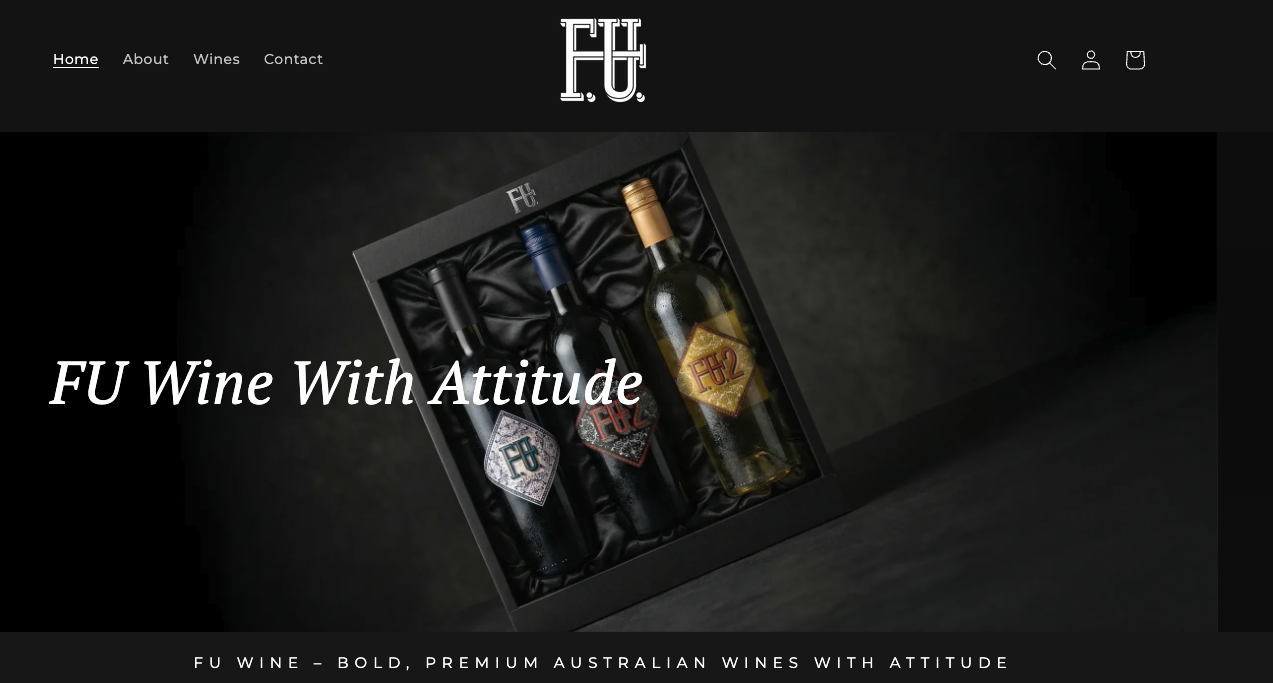
At FU Wine, you can browse premium red wines sorted by grape variety and body style, from bold Barossa Shiraz to rare Nebbiolo and everything in between. The deals rotate fast, and the quality is real. These are not clearance bottles. They are premium and hard-to-find wines at prices that make the traditional wine industry very uncomfortable. Head to FU Wine’s red wine range and find your next favourite bottle without the usual markup. Life is genuinely too short for ordinary wine at inflated prices.
FAQ
What is a list of red wine names based on?
Red wine names are almost exclusively based on the primary grape variety used to make the wine. Knowing the grape name tells you the flavour profile, body, and typical regions before you even open the bottle.
What are the best red wines for beginners?
Merlot and Pinot Noir are the best starting points for beginners. Both are lower in tannin, approachable in flavour, and widely available at accessible price points.
What does “body” mean in a red wine types chart?
Body refers to the weight and texture of wine in your mouth. Light-bodied reds feel delicate, medium-bodied reds feel balanced, and full-bodied reds feel rich and weighty, similar to the difference between skim and full-cream milk.
How many popular red wine varieties are there?
The 20 most widely planted red grape varieties worldwide include Cabernet Sauvignon, Merlot, Pinot Noir, Syrah, Malbec, Sangiovese, Tempranillo, Grenache, and Nebbiolo among others.
Why does the same grape name taste different from different countries?
Climate, soil, and winemaking style all shape the final wine. Australian Shiraz is bold and fruit-driven, while French Syrah from the same grape is leaner and more savoury. Reading the region alongside the grape name gives you the full picture.