

How to select collectible wines: value hunter's guide
TL;DR:
- Finding genuinely collectible wines requires understanding their age-worthiness, rarity, and market recognition rather than price alone.
- Verifying condition and provenance ensures authenticity and preserves value before purchasing.
- Building a balanced collection with fair benchmarking helps avoid overpaying and prepares for both enjoyment and future resale.
Chasing collectible wine shouldn’t feel like paying a cover charge at a club you didn’t want to join. Yet too many wine lovers get burned, either overpaying for bottles riding a wave of hype, or picking up “rarities” that turn out to have questionable storage history and zero resale appeal. The good news? Finding genuinely collectible bottles at prices that don’t make you wince is absolutely achievable. You just need a sharper toolkit. This guide lays out the practical, no-fluff strategies that separate savvy collectors from those who just got lucky.
Table of Contents
- Understand what makes a wine collectible
- Assess condition and provenance before you buy
- Benchmark pricing and avoid overpaying
- Build a balanced, future-proof collection
- The uncomfortable truths about building a wine collection
- Find and buy collectible wines with confidence
- Frequently asked questions
Key Takeaways
| Point | Details |
|---|---|
| Define collectability | Focus on age-worthiness, provenance, and value—not just reputation or high scores. |
| Check condition and records | Inspect bottles closely and demand clear documentation to preserve long-term value. |
| Use real market benchmarks | Reference recent transaction data—including Liv-ex and auction results—to determine fair prices. |
| Diversify and document | Balance your collection by style, region, and peak drinking years while meticulously keeping records. |
Understand what makes a wine collectible
Once you know the common pitfalls, it’s vital to clarify what actually qualifies a wine as collectable. And here’s the thing: “collectible” is not just a fancy word slapped on a bottle with a nice label or a big name behind it. Real collectability is built on a handful of non-negotiable qualities.
Age-worthiness comes first. A wine needs the structural components, tannins, acidity, and concentration, to actually improve over years in the cellar. Not every premium bottle qualifies. Plenty of expensive wines are made to drink young and will only decline if you hold them. Recognising the difference saves you both money and disappointment.
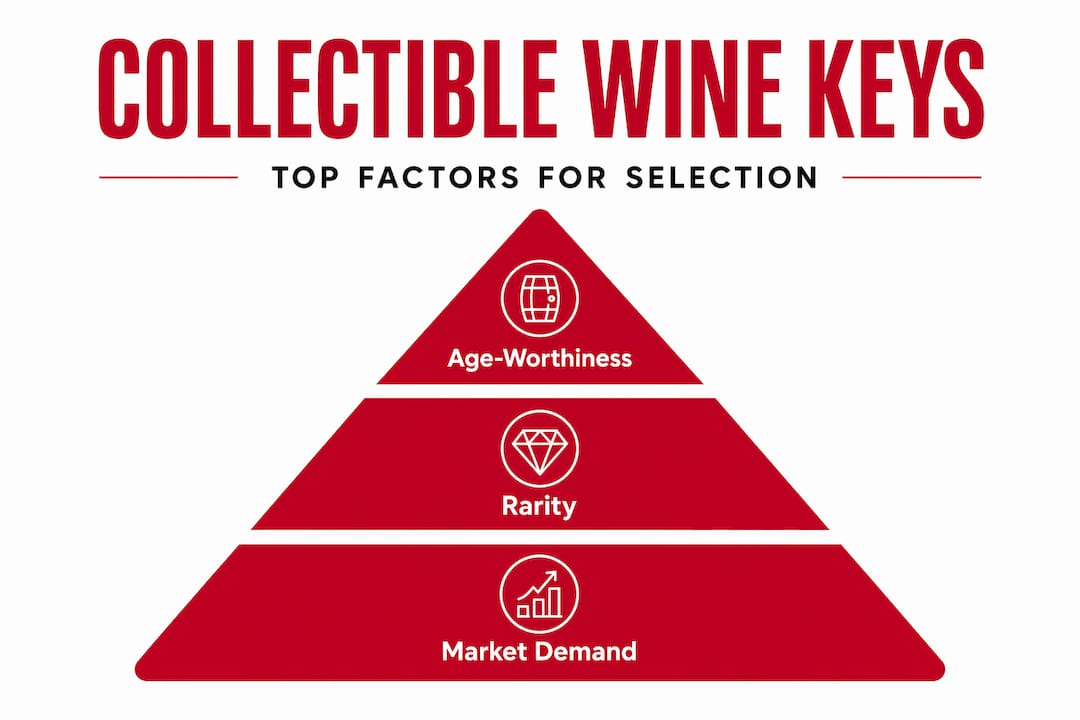
Rarity is the second pillar. Low production volumes, single-vineyard releases, limited allocation runs, and discontinued producer lines all contribute to genuine scarcity. But scarcity alone doesn’t make something worth collecting. It needs to combine with demand, which brings us to market recognition.
The third element is whether the broader market actually cares about the bottle. This is where editorial frameworks earn their keep. Wine Spectator’s Special Designations include categories like Collectibles, which are wines that improve with age, and Smart Buys, which offer fine character at genuinely affordable prices. These distinctions are enormously useful for identifying bottles that sit in the sweet spot between quality and value, without chasing pure score inflation or marketing spin.
To find wines that genuinely deliver on value and rarity, you need to apply these filters rather than defaulting to price as a proxy for quality. Expensive does not automatically equal collectible. Meanwhile, understanding vintage wine and what separates a truly notable vintage from a merely decent one will sharpen your selections enormously.
| Factor | What to look for | Red flag |
|---|---|---|
| Age-worthiness | Strong structure, high acidity or tannin | Made for immediate drinking |
| Rarity | Limited production, hard to source | Widely available, heavy promotion |
| Market recognition | Editorial designations, auction presence | Score-driven hype only |
| Value potential | Secondary market trades, price benchmarks | Retail-only pricing, no trade data |
The practical takeaway here is to build a mental checklist before you buy. Ask yourself: can this wine age? Is it genuinely scarce? Does the market beyond the retailer actually recognise it? If you can tick all three boxes at a fair price, you’re onto something real.
Assess condition and provenance before you buy
With clarity on what to collect, your next priority is verifying authenticity and care, which is vital to investment and enjoyment alike. This is where a lot of collectors, especially newer ones, get stung. The bottle might be the right wine. But if it’s been stored badly or its history is murky, it’s worth far less than you’re being asked to pay.
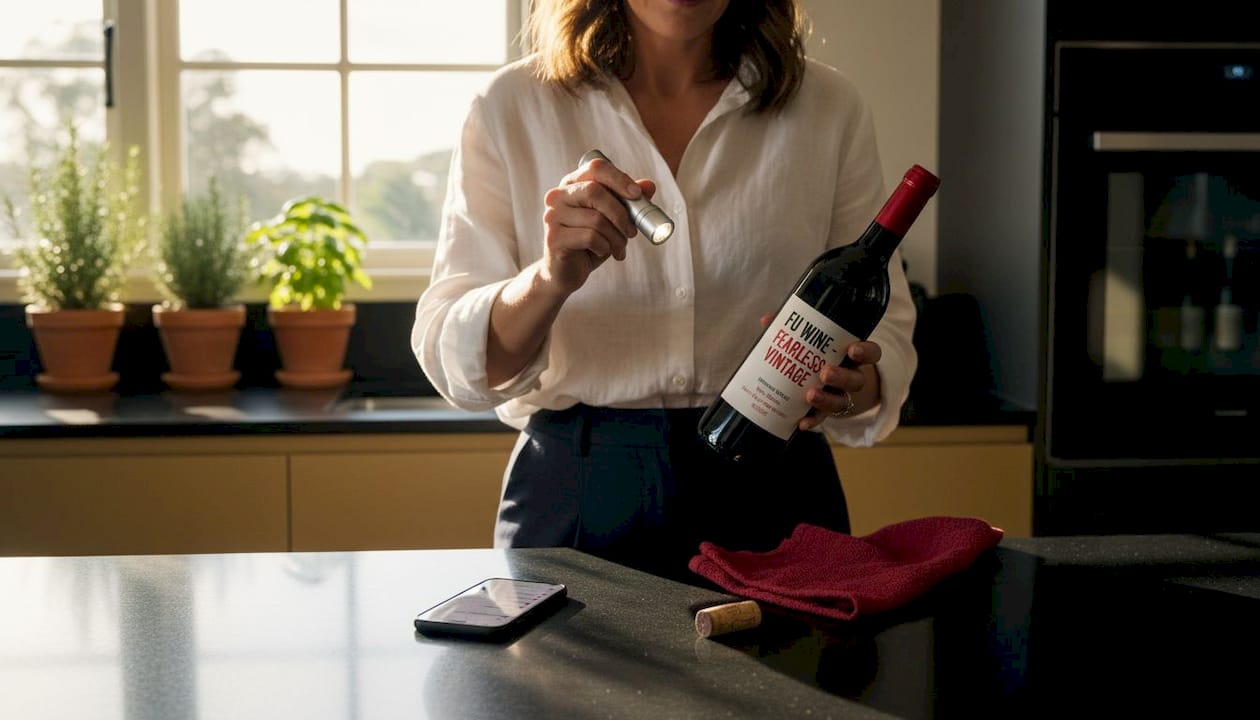
Start with the physical bottle itself. Ullage, the space between the cork and the surface of the wine, is one of the most telling indicators of storage quality. Auction-buying guidance highlights checking ullage and the physical condition of the label and capsule, and recommends consulting specialists when buying higher value lots. A high fill level in an older bottle suggests good storage. Excessive air space, especially in wines under ten years old, is a warning sign.
Look at the label and capsule too. Staining, peeling, fading, or mould on the label can point to humidity issues or temperature swings during storage. A damaged capsule might suggest the bottle has been opened and recorked, which is a significant concern for anything you’re planning to resell or lay down.
Provenance is the paper trail behind the bottle. It is, essentially, the chain of custody from producer to your hands. Provenance guidance emphasises that the key documents include purchase receipts or invoices, auction catalogue or lot references, storage facility certificates, and transfer records across any intermediaries. If a seller can’t produce at least some of this, you need to ask why.
For expert rare wine selection, provenance documentation isn’t optional, it’s the difference between a bottle that holds its value and one that you’ll struggle to sell on later.
Key red flags to watch for when assessing condition:
- Ullage higher than expected for the wine’s age
- Label damage consistent with damp or heat exposure
- No receipts or purchase history available
- Storage claimed as “home cellar” with no temperature records
- Capsule showing signs of tampering or oxidation around the foil
Pro Tip: Always ask the seller directly for storage history, even if it feels awkward. A reputable seller will have the answers ready. Hesitation or vagueness is data too.
Benchmark pricing and avoid overpaying
Knowing a bottle’s story still isn’t enough. Understanding when you’re getting good value is just as critical. The fine wine market has real pricing infrastructure, and using it properly is one of the biggest advantages you can have as a collector who isn’t swimming in cash to burn.
The gold standard for secondary market price data is Liv-ex, which tracks fine wine prices using transaction-based data. Their Liv-ex Mid Price reflects actual trades rather than asking prices, and their indices, including the Liv-ex Fine Wine 100, benchmark the most heavily traded premium bottles globally. This matters because retail pricing and secondary market pricing can diverge significantly. A bottle might retail for $200 but trade on the secondary market for $120. Or the reverse: a wine with genuine demand might be available at retail well below its secondary value.
Here’s a simple process for benchmarking before you buy:
- Look up the specific wine and vintage on a secondary market platform or index to see recent trade prices.
- Compare the asking price against at least two recent comparable sales, not just one data point.
- Factor in any fees. Auction buyer’s premiums can add 18 to 25 per cent on top of the hammer price.
- Check whether the wine appears regularly in trades or only infrequently. Liquidity matters if you ever want to sell.
- If the asking price is more than 20 per cent above recent secondary market trades without an explanation (exceptional provenance, pristine condition), walk away.
Understanding how wine value is determined is the foundation of every smart purchase. And once you understand that, knowing the factors that affect wine prices gives you the context to interpret movements in the market rather than being surprised by them.
| Pricing source | Type of data | Best used for |
|---|---|---|
| Liv-ex indices | Transaction-based, secondary market | Benchmarking premium traded wines |
| Auction results | Actual sale prices with fees | Verifying demand and liquidity |
| Retail price | Recommended or listed retail | Starting reference only |
| Cellar tracker | Community valuations, tasting notes | Cross-checking, not primary source |
Pro Tip: Never use a single retailer’s price as your benchmark. Use transaction data. The retailer’s margin is already baked in, and that cost comes straight out of your pocket.
Build a balanced, future-proof collection
With pricing checked, you can begin shaping a collection that serves both your taste and investment goals. A collection built entirely around one region, one style, or one drinking window is a collection that will eventually let you down, either because everything is ready at once, or because a region falls out of favour and you’re holding illiquid bottles.
The practical solution is diversification, and it doesn’t require a massive budget. Collection-building guidance recommends balancing a cellar across regions, grape varieties, drinking windows, and price points. This approach reduces the risk of missing drinking peaks and keeps your collection genuinely useful, whether you’re cracking something open tonight or planning a decade ahead.
A simple tactic that experienced collectors swear by: buy in pairs. Drink one now, lay one down. This way you’re not purely speculating on future value. You get the immediate pleasure of the wine while also building a mature stock for later. It also teaches you the wine. You’ll know exactly what you’re holding when the second bottle reaches its window.
What a balanced collection looks like in practice:
- Ready-to-drink bottles for the next six to eighteen months
- Mid-term bottles, three to eight years, in their development phase
- Long-term holdings, eight years or more, for peak enjoyment or potential resale
- A mix of Old World and New World producers to hedge against regional market shifts
- At least some bottles with established secondary market presence for liquidity
For practical guidance on shaping a versatile wine portfolio that serves both pleasure and purpose, the key is treating the cellar as a living thing, adding to it thoughtfully and revisiting your holdings regularly rather than just letting bottles accumulate.
The uncomfortable truths about building a wine collection
These steps complete your practical toolkit. Now let’s talk about what most collectors wish they’d known sooner, because the reality of building a collection is messier and more nuanced than any step-by-step guide will tell you.
Here’s the first truth nobody leads with: enjoyment and investment are not in conflict, but they both have non-negotiable requirements. Provenance, proper storage, and a realistic grasp of liquidity aren’t optional extras you tackle if you get serious later. They’re the foundation from day one. Wine Enthusiast’s analysis of contrasting investment approaches makes this clear: regardless of whether you’re primarily collecting for pleasure or profit, provenance, storage, and fees are unavoidable realities that reputable guidance consistently emphasises.
The second truth is about liquidity. A lot of collectors get excited about acquiring rare bottles but don’t think about whether they’ll ever be able to sell them. Highly speculative, niche, or poorly documented wines can sit unsold for years, or sell at a loss because buyers can’t verify their quality or origin. A smarter approach, backed by Decanter’s 2026 wine investment guidance, is to focus on wines that are “consumption-supported,” meaning they’re actually wanted by drinkers, not just speculators, and that have enough trade data to benchmark pricing confidently. This reduces the very real risk of getting stuck with bottles that no one wants to buy.
The third truth is about cost. Ownership comes with fees, insurance if you use a professional facility, paperwork, and the ongoing responsibility of monitoring your collection. These aren’t reasons to avoid collecting. But ignoring them is how enthusiasts end up with expensive bottles in questionable condition and no idea of their current market value.
Finally, and this is the most human truth of all: sometimes you need to let the bottles go. Whether that’s drinking them at their peak, selling into a strong market, or simply accepting that a particular wine wasn’t the keeper you hoped it would be. The best collectors we’ve seen build long-term wine investing perspectives rooted in realism, not romance. Every bottle is a small rebellion against overpriced mediocrity. But it also needs to earn its place in your cellar.
Find and buy collectible wines with confidence
Ready to take the next step with confidence and clarity? You’ve now got the frameworks to identify genuinely collectible bottles, verify their condition and provenance, benchmark price fairly, and build a collection that actually works for you over time.
The next move is finding wines that tick all those boxes without the usual gatekeeping. At FU Wine, we source rare, high-scoring, and limited-release bottles that meet these standards, and we make them available at prices that don’t insult your intelligence. Browse our collectible wine range for rotating deals on premium stock. These aren’t clearance bottles. These are the real thing, priced the way they should be. Flash deals move fast, so when you see something that fits your collection strategy, act on it.
Frequently asked questions
How do I tell if a wine will increase in value?
A collectible wine’s value usually increases if it’s rare, acclaimed, from a reputable producer, and stored with proof of provenance and optimal conditions. Editorial special designations help identify bottles likely to age well and appreciate over time.
What paperwork should I keep for my wine collection?
Keep original purchase receipts, auction catalogues or lot details, storage facility certificates, and any transfer records to prove provenance. Provenance documentation is the chain of custody that protects your bottle’s value and authenticity.
How can I check if a collectible wine is priced fairly?
Compare price histories and recent secondary-market trades using indices like Liv-ex, and avoid relying solely on retail quotes or marketing. Liv-ex transaction-based indices give you real trade data rather than aspirational asking prices.
What are common mistakes when collecting wine for the first time?
Common mistakes include ignoring provenance, overpaying for hype labels, neglecting storage, and failing to diversify across style, region, and drinking window. Collection-building guidance consistently recommends balancing a cellar across regions, grape varieties, and drinking windows from the very start.