

How to choose wines for entertaining that impress
TL;DR:
- Choose wines based on the occasion and guest preferences for a relaxed, enjoyable experience.
- Use versatile wine varieties and accurate quantity estimations to ensure ample supply without overbuying.
- Source quality wines directly or through curators to avoid retail markups and get better value.
Choosing wine for a gathering shouldn’t feel like sitting an exam. Yet somehow, standing in a bottle shop with twenty guests coming over and a budget that isn’t bottomless, it’s easy to freeze up. The fear of picking something that tastes like regret, or worse, spending a fortune on a bottle nobody appreciates, is real. Here’s the good news: impressing your crowd with wine is far less about price tags and pedigree than most people think. This guide cuts through the noise, skips the snobbery, and gives you a practical, no-fuss roadmap to picking, buying, and serving wines that genuinely delight.
Table of Contents
- Understand your guests and the occasion
- Choosing the right varieties and quantities
- Smart ways to source quality wines without the markup
- Serving and presenting wine to delight any crowd
- Why wine for entertaining should be fun, not intimidating
- Find accessible, premium wines for your next event
- Frequently asked questions
Key Takeaways
| Point | Details |
|---|---|
| Know your crowd | Matching wine to your guests’ preferences creates a more relaxed and enjoyable event. |
| Choose versatile wines | Stick to classic varietals that pair easily with most foods and appeal to broader tastes. |
| Shop smart for value | Use curators and direct deals to access premium wines without paying retail markups. |
| Serve with confidence | Simple temperature and glassware tips can elevate any bottle without fuss. |
Understand your guests and the occasion
Before you touch a single bottle, think about who’s coming and what the vibe is. That context shapes everything. Knowing who you’re hosting can tailor your wine selection for maximum enjoyment, and it’s the single smartest move you can make before spending a cent.
Different occasions call for very different approaches. A relaxed Sunday BBQ with mates calls for easy-drinking, crowd-friendly bottles. A milestone birthday or anniversary dinner deserves something with a bit more presence. A corporate dinner needs wines that are polished but not polarising. Getting this right means your wine choices feel intentional, not accidental.
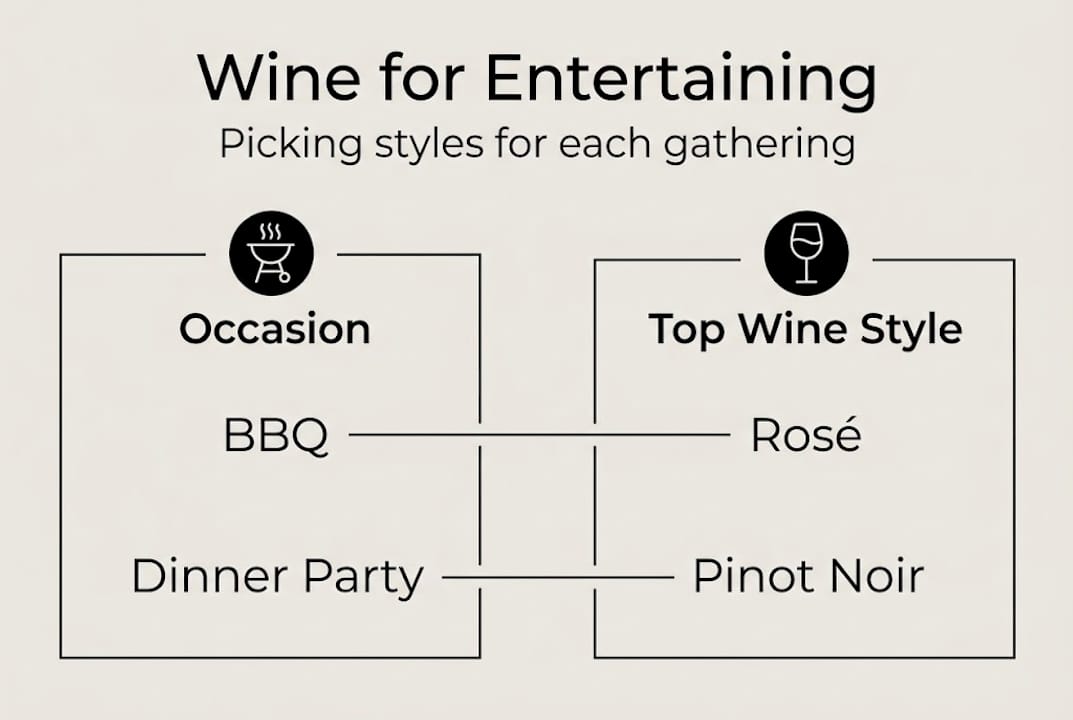
Here’s a quick breakdown of common scenarios and what works best:
| Occasion | Guest profile | Wine style to consider |
|---|---|---|
| Casual BBQ | Mixed ages, relaxed crowd | Crisp rosé, easy-drinking Shiraz |
| Dinner party | Food-focused, adventurous | Pinot Noir, aged Riesling |
| Milestone celebration | All ages, celebratory mood | Quality sparkling, Champagne |
| Corporate event | Professional, varied tastes | Sauvignon Blanc, Cabernet |
| Outdoor afternoon | Warm weather, light bites | Sparkling, Pinot Gris |
When you’re dealing with a mixed crowd or unknown tastes, play it safe with versatility. Sparkling wine is almost universally welcomed. A fruit-forward, medium-bodied red rarely offends. A zesty, unoaked white is a solid default. The goal isn’t to show off your wine knowledge. It’s to make everyone feel comfortable and well-looked-after.
Reading the room also means thinking about who won’t drink wine. Always have a quality non-alcoholic option ready. It’s a small touch that guests genuinely appreciate.
For those who want to go deeper on building a versatile wine portfolio, it’s worth thinking beyond single events and curating a go-to selection you can draw from anytime.
Pro Tip: Always have one crowd-pleaser bottle in the mix, something approachable, well-known, and hard to dislike. It takes the pressure off everything else on the table.
Choosing the right varieties and quantities
Now that you know your audience, let’s move to nailing the actual bottles and how much to buy. This is where hosts often overcomplicate things. Keep it simple and strategic.
A few versatile varietals can cover most entertaining bases without overbuying or overwhelming your guests with too many options. Here’s a cheat sheet:
| Variety | Best food pairing | Guest appeal |
|---|---|---|
| Sauvignon Blanc | Seafood, salads, soft cheese | Very broad, refreshing |
| Pinot Noir | Salmon, mushroom dishes, charcuterie | Wide appeal, elegant |
| Sparkling (Prosecco/Champagne) | Canapes, oysters, celebrations | Near universal |
| Shiraz | Red meat, hearty mains | Bold crowd, BBQ lovers |
| Pinot Gris | Asian cuisine, light pasta | Adventurous white drinkers |
| Rosé | Antipasto, summer salads | Crowd-pleasing, versatile |
Once you’ve chosen your styles, the next challenge is quantity. Underbuying is the cardinal sin of hosting. Running dry mid-event is not the vibe.
Here’s a simple step-by-step guide to calculating your order:
- Count your wine-drinking guests. Be realistic about who actually drinks.
- Estimate half a bottle per person for a two-hour event as your base.
- Add one bottle per hour of additional event time beyond two hours.
- Factor in the meal. Dinner events typically see higher consumption than cocktail-style gatherings.
- Add a 15% buffer. Unexpected toasts, spills, and generous pours happen.
- Round up, not down. Leftover wine is never a problem.
For a dinner party of ten lasting three hours, that’s roughly seven to eight bottles as a baseline. Bump it to nine or ten with the buffer. You’ll thank yourself later.
For more detailed hospitality wine selection steps, a structured approach makes the whole process faster and less stressful every time.
Pro Tip: Always plan for a little extra. Unexpected toasts are the best kind of problem to have, and you’ll never regret having a spare bottle on standby.
Smart ways to source quality wines without the markup
Having settled on styles and quantity, sourcing your selection can be where most hosts waste their budget. Here’s how to be smart about it.
Let’s bust a myth first. Premium wine does not mean expensive wine. The traditional retail model stacks on layer after layer of margin, from importer to distributor to retailer, before the bottle even hits the shelf. You’re often paying for that chain, not the wine itself.
Premium does not mean overpriced. You can pour quality without the fuss, and without the four-figure price tag.
Wine curators and direct deals can unlock premium bottles at fair prices, bypassing most retail markups. This is the insider move most casual buyers don’t know about. Direct-to-consumer platforms, online wine specialists, and curated deal sites source bottles through different channels, often at 30 to 70 percent below what you’d pay at a traditional retailer.
Here are your best cost-effective sourcing options:
- Online wine curators who buy direct from producers or through allocation releases
- Flash deal platforms offering limited-time access to premium and rare bottles
- Direct-to-consumer wineries that sell without the retail middleman
- Wine subscription services that negotiate bulk pricing and pass savings on
- Cellar clearance sales where high-quality aged stock moves at genuine discounts
For those who want to get serious about snagging smart wine deals, the key is knowing where to look and moving fast when something good comes up.
Now, a word on red flags. Supermarket ‘specials’ are often not what they seem. Many bottles are produced specifically for supermarket shelves at a certain price point, not discounted from a higher tier. The label might look impressive, but the juice inside rarely matches the promise. Stick to sources with genuine provenance and transparent pricing.
Also avoid buying on impulse at a bottle shop the day of your event. You’ll pay full retail, feel rushed, and likely second-guess every choice. Plan ahead, source smart, and you’ll spend less while pouring better.
Serving and presenting wine to delight any crowd
With your wine chosen and sourced, a few easy service tricks can make your event memorable and relaxed. The right temperature and a clean glass genuinely change how a wine tastes. It’s not fussy. It’s just practical.
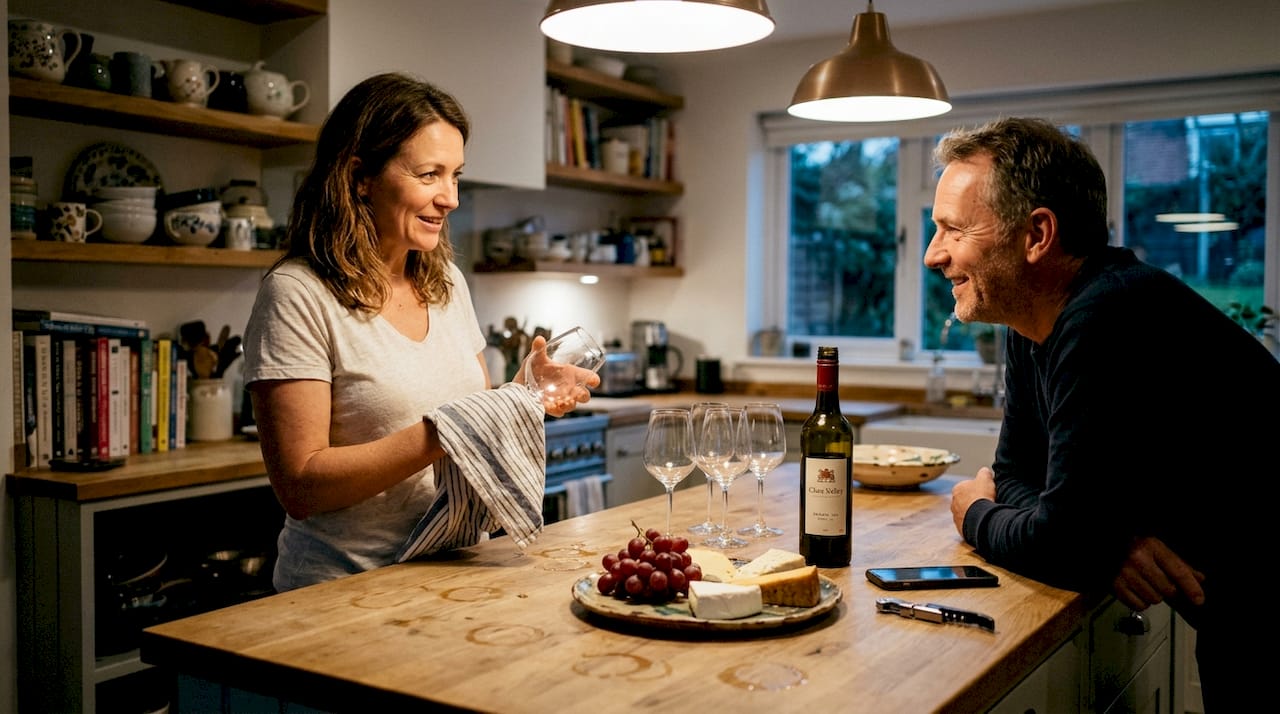
Properly serving wines enhances flavour and makes any bottle feel special, regardless of what you paid for it. Here’s what to know:
Serving temperatures at a glance:
- Sparkling wines: 6 to 8 degrees Celsius. Keep them in an ice bucket.
- White and rosé wines: 8 to 12 degrees. Fridge-cold is usually right.
- Light reds (Pinot Noir): 12 to 14 degrees. Slightly cool, not room temperature.
- Full-bodied reds (Shiraz, Cabernet): 16 to 18 degrees. Room temp in most Australian homes is too warm in summer.
For glassware, you don’t need a different glass for every variety. A good-sized, clean, clear glass works for most wines. Larger bowls for reds, narrower for whites and sparkling. That’s genuinely all you need to know.
Quick service tips for busy hosts:
- Open reds 20 to 30 minutes before serving to let them breathe
- Keep whites and sparkling in the fridge until 15 minutes before pouring
- Pour modest amounts, around 150ml, so guests can appreciate the wine before it warms up
- Have a bottle opener and a spare ready. Murphy’s Law applies to corkscrews.
For ideas on presenting wine elegantly without making it feel like a performance, a simple label-forward presentation and a one-line description of the wine goes a long way. Something like, “This is a Barossa Shiraz, it’s bold and pairs really well with the lamb,” is all you need. No jargon. No performance. Just confidence.
Pro Tip: Introduce wines casually and conversationally. Nobody wants a lecture. A quick, enthusiastic sentence about what makes the bottle interesting is far more inviting than a tasting note recitation.
Why wine for entertaining should be fun, not intimidating
Here’s a perspective you won’t often hear from traditional wine experts: the best gatherings we’ve seen have almost nothing to do with what was in the glass. They have everything to do with the energy in the room.
We’ve worked with hosts who spent a fortune on prestige labels and watched guests barely notice. We’ve also seen a $25 bottle of Pinot Noir become the talking point of the whole evening because the host chose it with genuine enthusiasm and a good story behind it.
The wine industry has spent decades convincing people that enjoyment requires expertise. That’s not true, and frankly, it’s a bit of a racket. When you relax about perfection, your guests relax too. When you take risks on interesting bottles rather than defaulting to safe and expensive, you create moments.
For those who want access to insider wine deals that make those interesting choices affordable, the tools are out there. You just need to know where to look.
Wine should amplify the fun. It should never replace it or become the source of stress. Pick with curiosity, serve with confidence, and let the conversation do the rest.
Find accessible, premium wines for your next event
If you want to confidently select wines for your next gathering, here’s where to start.
FU Wine exists precisely for moments like this. No gatekeeping, no inflated markups, no pretence. Just quality bottles at prices that make sense, sourced through genuine relationships with producers and curators who know their stuff.
Browse the premium wine collection and you’ll find crowd-pleasers, rare finds, and everything in between, all at prices that skip the retail rigmarole. Whether you’re hosting ten people or a hundred, discover FU Wine and make your next event the one people actually talk about. Life’s too short for ordinary wine and overpriced bottles.
Frequently asked questions
How many bottles of wine should I serve per guest at a party?
Plan for roughly half a bottle per guest for a standard two-hour event, adjusting upwards for longer gatherings or if wine is the primary beverage. A simple calculation helps hosts buy the right amount every time.
What types of wines please most crowds?
Fresh whites, a balanced sparkling, and a juicy, medium-bodied red suit most palates and pair with a wide range of foods. Versatile styles work across a variety of occasions without leaving anyone out.
How can I avoid spending too much on quality wines?
Look for reputable online wine curators offering direct deals to avoid the typical retail markups on premium bottles. Wine curators can source premium bottles without the extra costs stacked on by traditional retail chains.
Do I need special glassware to serve wine when entertaining?
Basic quality glassware is enough to enjoy most wines; focus on having clean, appropriately sized glasses over expensive brands. Practical service tips enhance the wine experience effortlessly without requiring a full sommelier kit.