

How sommeliers source top bottles without the markup
TL;DR:
- Many sommeliers use strategic sourcing and negotiation techniques to make extraordinary wines accessible to enthusiasts. They build relationships with distributors, producers, and auction houses to find rare and aged bottles at better prices, often bypassing standard retail channels. Engaging with knowledgeable sommeliers and understanding their curation process can significantly enhance your wine collection and drinking experience.
Most wine lovers assume the really good stuff is locked behind velvet ropes, reserved for the ultra-wealthy or those with industry connections. That assumption is costing you some seriously spectacular pours. Sommeliers have quietly built a whole toolkit of sourcing techniques, producer relationships, and negotiation tactics that bring extraordinary wines within reach of collectors and enthusiasts who know where to look. This guide pulls back the curtain on exactly how they do it and what you can do to drink better without paying for someone else’s ego.
Table of Contents
- What does a sommelier actually do in wine sourcing?
- The sourcing channels: Distributors, direct producers, and beyond
- From wine list to table: Selection, pricing, and value
- Insider moves: How sommeliers unlock rare finds and real value
- Why the standard approach misses the real value of the sommelier
- Unlock premium bottles with expert guidance
- Frequently asked questions
Key Takeaways
| Point | Details |
|---|---|
| Sommeliers open rare access | Sommelier expertise provides access to unique and premium wines that are often unavailable through standard channels. |
| Sourcing shapes your value | The methods sommeliers use—like direct imports and allocation negotiation—directly affect quality and savings for collectors. |
| Markups differ for premiums | High-end bottles typically have lower markups, offering better relative value when sourced with sommelier guidance. |
| Relationship unlocks deals | Building rapport with sommeliers or wine curators can help you bypass retail markups and secure special allocations. |
What does a sommelier actually do in wine sourcing?
Most people think a sommelier’s job is to stand tableside and look knowledgeable. That is only the front-of-house performance. Behind the scenes, these professionals operate as curators, connectors, and hard-nosed negotiators working to build wine lists that are both exciting and financially viable.
The process is more structured than you might expect. The wine list development process follows a clear progression: concept audit and guest profile analysis, budget and scope definition, distributor portfolio review, selection and pricing application, and finally margin modelling and adjustments. That last step is where the magic and the maths collide.
A sommelier’s curation instinct shapes every decision. They are not just picking wines they personally love. They are balancing the guest profile of their venue, the margins required to keep the lights on, and the desire to offer something genuinely worth drinking. That tension between commercial reality and genuine passion is where great lists are born.
“A great sommelier does not build a list for themselves. They build a list for the room they are serving, and then they sneak in something brilliant that the room did not know it wanted.”
What makes this role so interesting for collectors is the regulatory reality sitting underneath it all. In many markets, sommeliers source wines primarily through licensed distributors because of tiered distribution systems that restrict direct producer access unless special licences are secured. That constraint shapes everything about what ends up on a list and at what price.
Here is a quick breakdown of what that hands-on curation process actually involves:
- Analysing customer demographics and spending patterns before selecting a single label
- Reviewing distributor portfolios across multiple suppliers to find competitive pricing and unique offers
- Negotiating volume commitments or exclusivity arrangements in exchange for better terms
- Applying tiered pricing strategies that reward guests who venture beyond the house pour
- Building in margin buffers on accessible wines to allow flexibility on premium selections
This is why the wine curators’ unique sourcing approach matters so much to anyone trying to drink well without overpaying. The expertise is real, and when it is working in your favour, the savings are too.
The sourcing channels: Distributors, direct producers, and beyond
Once you understand what a sommelier is trying to achieve, the sourcing channels they use start to make a lot more sense. Each channel has its own flavour of access, pricing power, and legal complexity.
| Sourcing channel | Access level | Typical pricing advantage | Legal complexity |
|---|---|---|---|
| Licensed distributors | Broad but filtered | Moderate | Low |
| Direct producer import | High for rare wines | Strong | High |
| Auction houses | Exceptional for aged stock | Variable | Moderate |
| Cellar and estate clearances | Unique and often scarce | Very strong | Moderate |
| Allocation networks | Elite releases only | Strong for premium | Low to moderate |
Distributors are the workhorse of the system. They provide volume, consistency, and legal simplicity. But they also add a cost layer and limit what is available to whoever holds the distribution rights in a given territory. That is why the best sommeliers do not stop there.
Expert sommeliers who build direct producer relationships gain access to things distributors simply cannot offer. Think older vintages, small-run experimental batches, and wines from biodynamic producers who choose their importers very carefully. Carlton McCoy sourcing aged Chablis directly or Claire Thevenot importing biodynamic wines are real examples of this. These relationships take years to build and require genuine reciprocity, not just purchasing power.
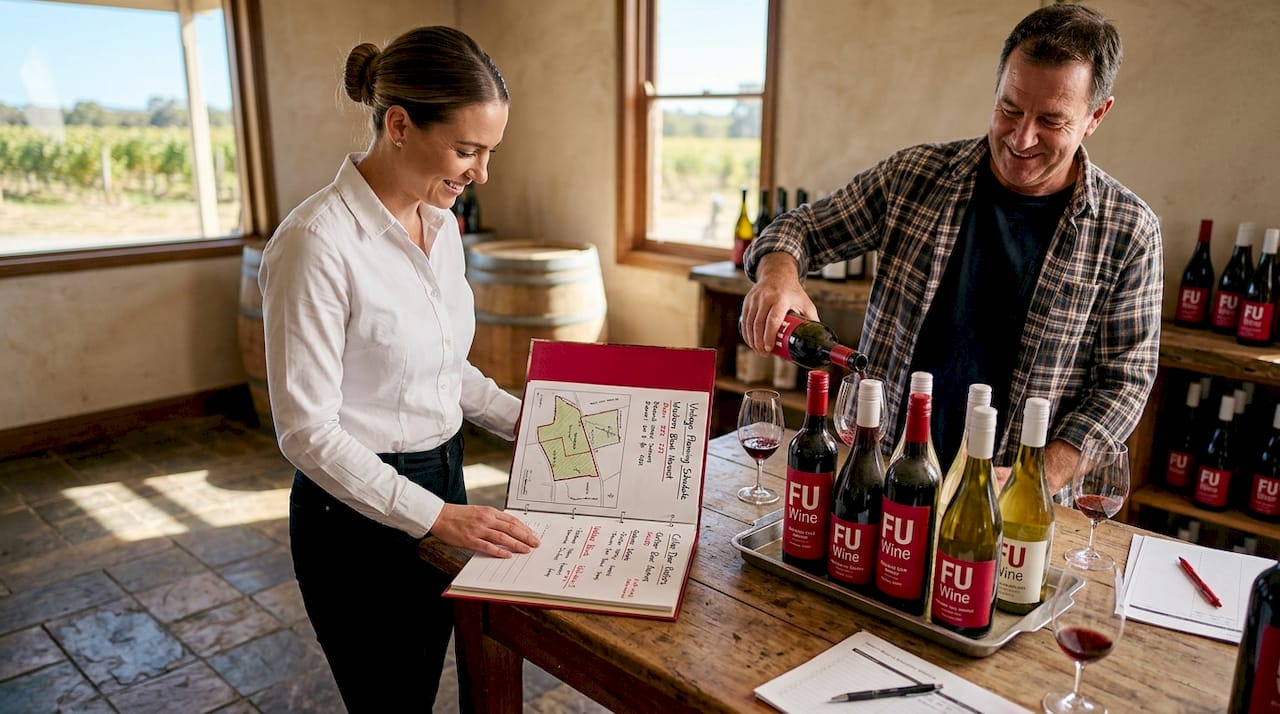
Auctions are another channel that rewards the patient and the informed. Aged bottles with strong provenance can surface at auction prices well below what a retailer would charge for the same wine, assuming you can verify storage history and authenticity. The risk is real, but so is the reward.
Pro Tip: Building a genuine relationship with a sommelier at a restaurant you frequent regularly can open surprising doors. Ask thoughtful questions about the list, show up curious rather than just thirsty, and you will often find they are happy to share leads on upcoming releases or unlocking premium wine allocations that never reach the general public.
For collectors wanting to go further, expert wine selection strategies and a clear understanding of accessing limited wines are the real differentiators between drinking well and drinking extraordinarily.
From wine list to table: Selection, pricing, and value
Here is where most wine drinkers feel the pinch. Understanding how markups work does not just satisfy curiosity. It helps you spot genuine value and avoid paying a premium for nothing more than a nice font on a menu.
Pour cost targets for wine in full-service restaurants typically sit at 25 to 33 percent of the sale price. That means a bottle a restaurant buys for $30 wholesale is often on the list for $90 to $120. The flat multiplier approach applies a factor of 2.5 to 4 times the wholesale cost across the board. A sliding scale approach, used by more sophisticated operations, applies lower multipliers to premium bottles and higher ones to entry-level wines.
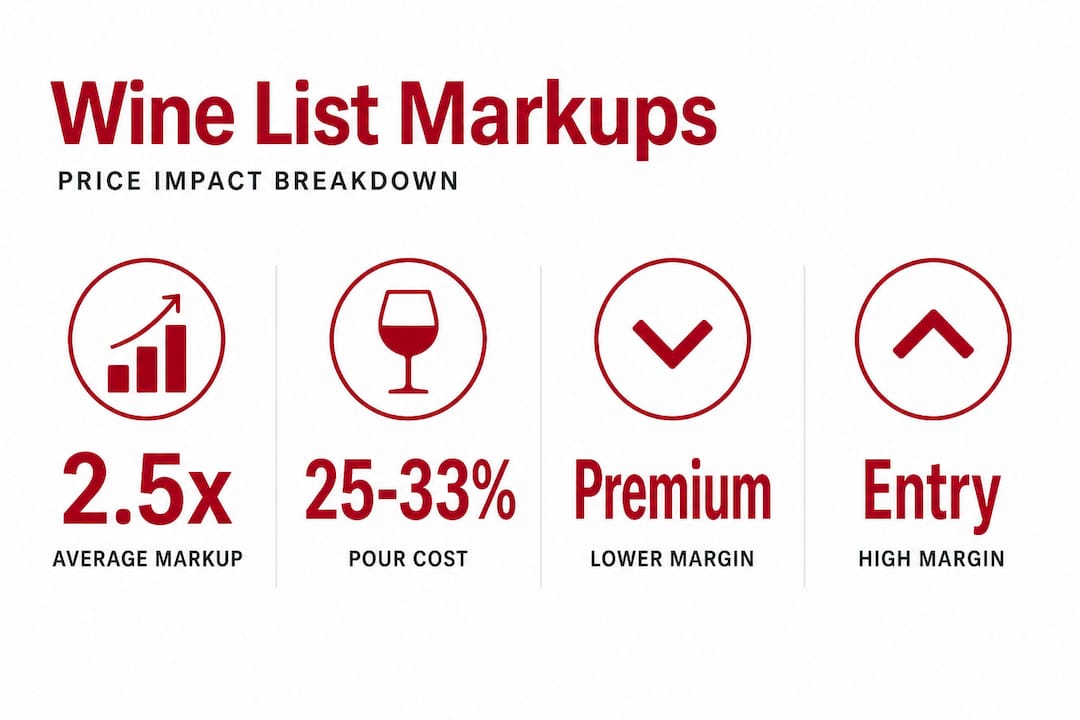
That sliding scale is your friend as a collector or enthusiast dining out. The $300 bottle on a smart list might actually represent better value than the $80 bottle two rows above it, simply because the premium label was marked up less aggressively.
Wine list sizing also tells you a lot about a venue’s ambitions. List size benchmarks break down roughly like this:
- Casual bistro: 40 to 80 labels
- Upscale restaurant: 80 to 150 labels
- Fine dining: 150 to 500-plus labels
- High-end wine destinations: 500 to 1,200-plus labels
Price tier distribution on a well-structured list looks something like 30 percent accessible wines under $60, 50 percent mid-range from $60 to $150, and 20 percent premium bottles above that. The premium tier is where sommelier expertise pays off most visibly. These are the bottles requiring real knowledge of producers, vintages, and storage to source well.
Understanding current wine trend insights can also sharpen your instincts when scanning a list. Trends influence what distributors push and what sommeliers are excited to list, which creates cycles of both opportunity and overpricing that a savvy drinker can navigate.
The hospitality wine selection process is more deliberate than most guests realise. Wines at the bottom of a list are rarely the best value. Wines in the mid-to-upper tier, chosen by a genuinely skilled sommelier, often punch well above their price in terms of quality and story.
Insider moves: How sommeliers unlock rare finds and real value
Now we are getting to the good stuff. The tactics sommeliers use at the top of their game are genuinely transferable to collectors and enthusiasts willing to do a bit of groundwork.
Here is how the best operators go beyond the standard playbook:
-
Negotiate allocations early. Producers of highly sought-after wines often release allocations before the vintage is even bottled. Sommeliers with standing relationships get first access. Building a similar relationship with an importer or specialist retailer puts you in the same queue.
-
Use ex-sommeliers as a resource. Many skilled sommeliers transition into importing, distribution, or independent consulting. These individuals often carry producer relationships into their new roles and can offer access to wines that never formally hit retail shelves.
-
Understand special licensing. Direct importing from producers requires licences that most consumers do not hold but many specialist retailers or boutique importers do. Sourcing through these channels can bypass multiple cost layers while still staying entirely above board.
-
Prioritise heat-protected logistics. Regulatory hurdles are only part of the challenge. For valuable wines, especially in warmer climates, heat-protected shipping is non-negotiable. Any serious sourcing channel should be able to demonstrate how they handle temperature-controlled transport.
-
Target cellar clearances and estate releases. When a restaurant closes, a collection is liquidated, or an estate releases older stock, those moments create genuine pricing opportunities. Staying connected to the right networks puts you in the room when these deals happen.
Pro Tip: Do not underestimate the value of a sommelier’s second opinion when you are evaluating a bottle from an unfamiliar region or producer. A quick, genuine conversation with someone who has tasted widely can save you from expensive mistakes and point you toward exclusive wine access tips that are not advertised anywhere.
For collectors building a serious cellar, a proper guide to accessing premium bottles and a clear understanding of wine distribution for collectors will change the game entirely. The system is navigable once you know its shape.
Why the standard approach misses the real value of the sommelier
Most articles about sommeliers focus on the size of their wine list or how intimidating they are when you mispronounce something. Both miss the point entirely.
The real value of a skilled sommelier is not the catalogue. It is the curation. Fifty precisely chosen labels from a sommelier with genuine passion and deep producer knowledge will outperform a list of two hundred wines assembled by someone ticking boxes every time. That is not an opinion. That is the practical reality of how curation shapes quality and value.
Here is what almost no one talks about: high-margin entry wines on a list are not there to rip you off. They are there to subsidise the prestige selections that a venue could not otherwise afford to stock. When a sommelier places a $60 crowd-pleaser that costs them $15 wholesale, the margin from that bottle helps justify keeping a $400 aged Burgundy on the list at a more reasonable markup. That cross-subsidisation model is what makes rare wine selections accessible at all in a commercial setting.
The uncomfortable truth is that distributor loyalty, which is often criticised as limiting, can actually work in your favour. Sommeliers who maintain strong relationships with specific distributors often negotiate preferential pricing, first access to allocations, and terms that get passed on to guests through better value at the premium end of the list.
What we believe, having watched this industry up close, is that the collectors and enthusiasts who drink best are the ones who see the sommelier as a collaborator rather than a gatekeeper. Ask better questions. Show genuine curiosity. Engage with the process rather than just demanding the outcome. The system rewards those who understand how it actually works, not just those with the fattest wallet.
Unlock premium bottles with expert guidance
You have just had a proper look at how the best sommeliers source, curate, and price the wines that end up in your glass. The knowledge is genuinely useful, whether you are building a cellar, hunting for a special occasion bottle, or just trying to drink brilliantly without getting burned on markup.
At FU Wine, we operate with the same insider approach, building direct relationships with producers, chasing down cellar clearances, allocation releases, and boutique runs, and passing the real savings straight to you. We are talking 30 to 70 percent below traditional retail on wines that are genuinely worth drinking. No fluff, no filler, no pretension. Just excellent bottles at prices that make sense. Explore what is available now and treat yourself to the kind of access that used to require knowing the right people. Visit FU Wine and see what is waiting for you.
Frequently asked questions
Can sommeliers help regular wine buyers access rare bottles, or is this just for restaurants?
Sommeliers can absolutely help collectors and enthusiasts gain access to rare allocations or limited direct-import bottles, especially when you build a direct relationship or work with independent curators who develop direct producer access beyond the standard retail system.
Why can’t sommeliers always source wines directly from producers?
Most markets require restaurants and retailers to purchase through licensed distributors unless a special import or producer-direct licence has been secured, which adds both cost and complexity to direct sourcing arrangements.
What are typical restaurant wine markups and how do they impact value for collectors?
Wine is typically marked up 2.5 to 4 times the wholesale price in full-service restaurants, but premium bottles often attract a lower multiplier under a sliding scale approach, which means savvier buyers can find disproportionate value at the top end of a well-curated list.
How do sommeliers ensure rare or old bottles are kept in good condition during sourcing?
Sommeliers and importers rely on temperature-controlled, heat-protected shipping and strict handling protocols to protect valuable bottles, particularly in warmer climates where uncontrolled transport can ruin a premium wine before it ever reaches a glass.
Is it better to seek a smaller specialised wine list or one with hundreds of labels?
A focused, well-curated list consistently delivers more value and quality than a vast but indifferent selection, because curation over breadth reflects genuine expertise rather than just purchasing volume.
Recommended
- How to shop boutique wines without high markups – FU Wine
- How to access premium wines without paying too much – FU Wine
- How wine deals work: Snagging premium bottles smart – FU Wine
- Unlock wine discounts: Top strategies for premium bottles – FU Wine
- Wine sourcing explained: secure rare bottles with confidence