

Demystifying wine gatekeeping for fair access in 2026
TL;DR:
- Wine gatekeeping relies on exclusive mailing lists and allocation tiers that favor wealth and connections.
- Cultural barriers like jargon and social rituals make wine feel inaccessible to many potential enthusiasts.
- Building relationships early with emerging producers and curators offers a practical path around traditional access restrictions.
Most wine lovers assume that access to great bottles comes down to taste, knowledge, or passion. Wrong. The real barrier is a set of invisible systems, and they’ve been running the show for decades. From exclusive mailing lists to allocation tiers that reward spending history over genuine enthusiasm, the wine world has engineered scarcity in ways most drinkers never see coming. If you’ve ever felt locked out of a wine you desperately wanted, it wasn’t bad luck. It was by design. This guide pulls back the curtain on how wine gatekeeping works, who benefits, and what you can actually do about it.
Table of Contents
- What is gatekeeping in the wine industry?
- How allocation and access tiers shape the wine market
- Cultural gatekeeping: Snobbery, jargon, and social barriers
- The impact: Who wins, who loses, and why it matters
- Navigating and overcoming wine gatekeeping
- Why wine’s exclusivity dilemma is a threat—and an opportunity
- Find premium wines without the elitist barriers
- Frequently asked questions
Key Takeaways
| Point | Details |
|---|---|
| Wine access is controlled | Mailing lists, allocations, and relationships decide who gets premium bottles. |
| Snobbery creates barriers | Jargon and social dynamics exclude newcomers and reinforce elitism. |
| Diversity remains low | A small group of winemakers and buyers dominate the premium segment. |
| Practical strategies exist | Building direct ties, joining clubs, and using curators can bypass barriers. |
What is gatekeeping in the wine industry?
Gatekeeping in wine isn’t a conspiracy theory. It’s a business model. At its core, wine industry gatekeeping operates through exclusive mailing lists and allocation systems that control who gets access to premium and cult wines. Producers limit their output, then decide precisely who gets to buy it. If you’re not already on the list, good luck.
The mechanics are straightforward but ruthless. Wineries maintain closed subscriber lists. Buyers on those lists get first dibs, sometimes the only dibs, on new releases. If demand outstrips supply (and for the good stuff, it always does), the winery simply doesn’t need to open the door wider.
Social factors make it worse. Cultural gatekeeping through snobbery, jargon, and hierarchies positions premium wines as status symbols, not beverages. Walk into the wrong tasting room sounding too casual, and you’ll feel it.
Here’s a snapshot of how access varies across different regions and styles:
| Region / Style | Access method | How open is it? |
|---|---|---|
| Napa cult wines | Closed mailing lists | Very restricted |
| Burgundy Grand Cru | Négociant relationships | Highly restricted |
| Aussie boutique producers | Direct cellar door | Moderately open |
| New World emerging regions | Wine clubs, retail | More accessible |
The barriers aren’t purely logistical. Even well-informed collectors get shut out because they lack the right connections, the right accent, or the right chequebook history. Understanding wine distribution explained gives you a sharper picture of why this structure persists.
“The wine world isn’t just gatekeeping bottles. It’s gatekeeping who gets to belong.”
How allocation and access tiers shape the wine market
With terms defined, let’s get into how allocations actually function. They’re not random. Tiered priority in allocation systems is based on purchase history, portfolio commitment, and personal relationships with the producer. Passion for the wine? Nice to have. Big spend history? Essential.
Here’s what typical requirements look like when climbing an allocation tier:
- Start with an entry-level purchase from the producer’s secondary label.
- Respond immediately to release emails (often within hours).
- Accept bundle offers that include less desirable bottles alongside the trophy wine.
- Increase your annual spend to move up to a higher priority tier.
- Attend producer events or tastings to build personal rapport.
For comparison, here’s how major systems stack up:
| System | Key requirement | Wait time | Flexibility |
|---|---|---|---|
| Napa cult wines | Spend history and loyalty | Up to 20 years | Very low |
| Burgundy | Négociant relationships | Years to decades | Low |
| Australian boutique | Cellar door visits, clubs | Months to years | Moderate |
The numbers are sobering. Annual production for cult wines often sits below 1,000 cases, with waitlists stretching anywhere from 5 to 20 years. Twenty years. That’s not a waitlist. That’s a life sentence.
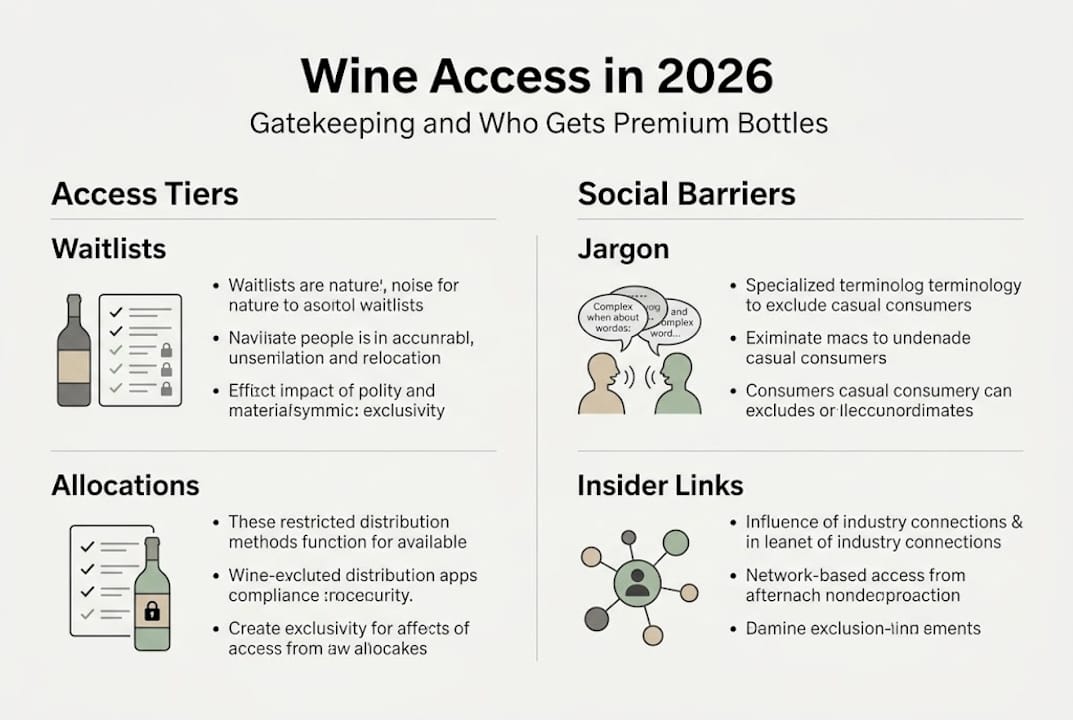
The proven access steps that actually move the needle involve building genuine relationships early, before a wine becomes famous, not after.
Cultural gatekeeping: Snobbery, jargon, and social barriers
Beyond official systems, cultural forces play a powerful role in shaping who feels welcome in wine. And these forces are just as effective at keeping people out as any mailing list.
Wine culture has developed its own language, rituals, and social codes that work like a members-only handshake. If you don’t know them, you don’t belong. Here are some classic markers:
- Describing wines with obscure flavour references (gravel, pencil shavings, wet dog).
- Using French or Latin terminology without explanation.
- Dismissing entire regions or grape varieties as beneath serious consideration.
- Casual references to rare verticals or private cellar collections to signal status.
- Treating anyone who asks basic questions as if they’ve committed a social crime.
The 62% literacy wall created by jargon and tradition means a huge portion of the population feels excluded from wine conversations, and this exclusion strongly aligns with wealth, age, and male-dominated spaces.
Sommeliers and trade insiders often control access through personal relationships rather than formal credentials. A familiar face gets the allocation. A newcomer, no matter how knowledgeable, gets a shrug.
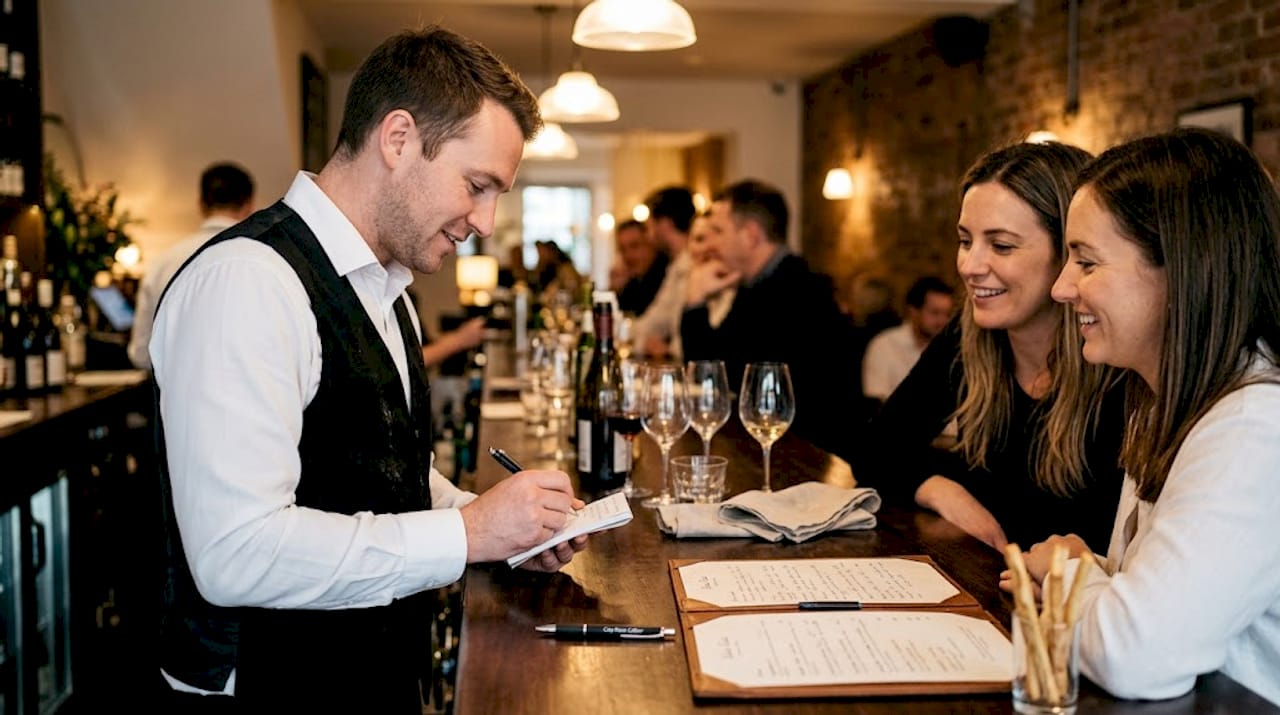
Pro Tip: Don’t try to out-jargon the gatekeepers. Lead with genuine curiosity instead. Ask winemakers about their philosophy, their challenges, their favourite lesser-known bottles. Authenticity opens more doors than pretending to detect crushed limestone on the mid-palate.
You don’t need to decode insider speak to find exceptional wine. Platforms focused on unique bottle selection and understanding wine deals cut through the noise entirely.
The impact: Who wins, who loses, and why it matters
Understanding the social and practical barriers brings us to the heart of why gatekeeping is such a fraught issue. The effects ripple far beyond individual frustration.
The numbers reveal a highly concentrated industry. Empirical data shows that 20% of wines generate 80% of sales, and diversity remains critically low, with fewer than 1% of winemakers identifying as Black and only 14% of lead winemakers being women. A very small group controls what gets made, what gets celebrated, and who gets access to it.
| Metric | Statistic |
|---|---|
| Sales concentration | Top 20% of wines = 80% of revenue |
| Black winemakers | Less than 1% of industry |
| Female lead winemakers | Around 14% |
| Cult wine waitlists | Up to 20 years |
The groups most consistently left out of the system include:
- First-generation wine drinkers with no prior industry connections.
- Buyers from lower to middle income brackets.
- Women, especially those outside major urban centres.
- People of colour navigating majority-white tasting spaces.
- Younger collectors who haven’t yet built spend history.
Here’s the uncomfortable reality. As younger drinkers migrate toward craft beer, spirits, and non-alcoholic alternatives, the wine world risks becoming a museum. A beautiful one, sure. But a museum all the same.
If you’re thinking about how to build a wine portfolio without playing by these rigged rules, the strategies are simpler than you’d expect.
Navigating and overcoming wine gatekeeping
While wine gatekeeping can seem daunting, there are actionable ways to improve your odds and access. You don’t need a trust fund or a decade on a waitlist.
Building relationships through mid-tier purchases, regional wine clubs, and value-driven emerging regions is one of the most effective strategies for enthusiasts over 30 looking to access serious wine without the elitism.
Here’s a practical roadmap:
- Start with smaller producers in emerging regions such as Sonoma, Grampians, or Mornington Peninsula where relationships are easier to build.
- Join a regional wine club and attend cellar door events to meet winemakers directly.
- Purchase consistently from producers you admire, even entry-level bottles, to establish your buying record.
- Avoid secondary markets where prices are inflated and provenance is questionable.
- Connect with independent curators and importers who have pre-existing relationships with hard-to-find producers.
Pro Tip: Independent wine curators are one of the most underutilised tools in a collector’s kit. They often have direct access to allocations that never see a retail shelf, and they work for you, not the producer.
For those ready to take the next step, unlocking exclusive access through the right channels makes an enormous difference. And if you want quality without the markup theatrics, there are options for accessible quality wines that don’t require years of kowtowing to a mailing list.
Why wine’s exclusivity dilemma is a threat—and an opportunity
Let’s be honest about something the traditional wine industry doesn’t want to say out loud. Gatekeeping is wine’s biggest structural weakness disguised as a strength.
Exclusivity creates scarcity value, and scarcity drives prestige pricing. That part works beautifully for producers and established collectors. But it also turns off an entire generation of potential lifelong enthusiasts who simply don’t see the point in fighting for access to something that doesn’t want them.
Modern wine platforms promise to democratise discovery and access, but the reality is that apps and algorithms still can’t replace the power of personal relationships when it comes to top-tier bottles. The old networks haven’t collapsed. They’ve just got better at looking friendly on the surface.
The real opportunity for serious collectors is in blending the old and the new. Build genuine relationships with producers and wine curators who care about the craft, not just the price tag. Use modern platforms to discover emerging talent early, before the waiting lists form. And remember this: the real value in wine is in the story behind the bottle, not just the scarcity of it.
Every bottle is a small rebellion against the idea that great things should only belong to a privileged few.
Find premium wines without the elitist barriers
You’ve seen how the system is built, who it serves, and where the cracks are. Now here’s the good news. You don’t have to play by those rules.
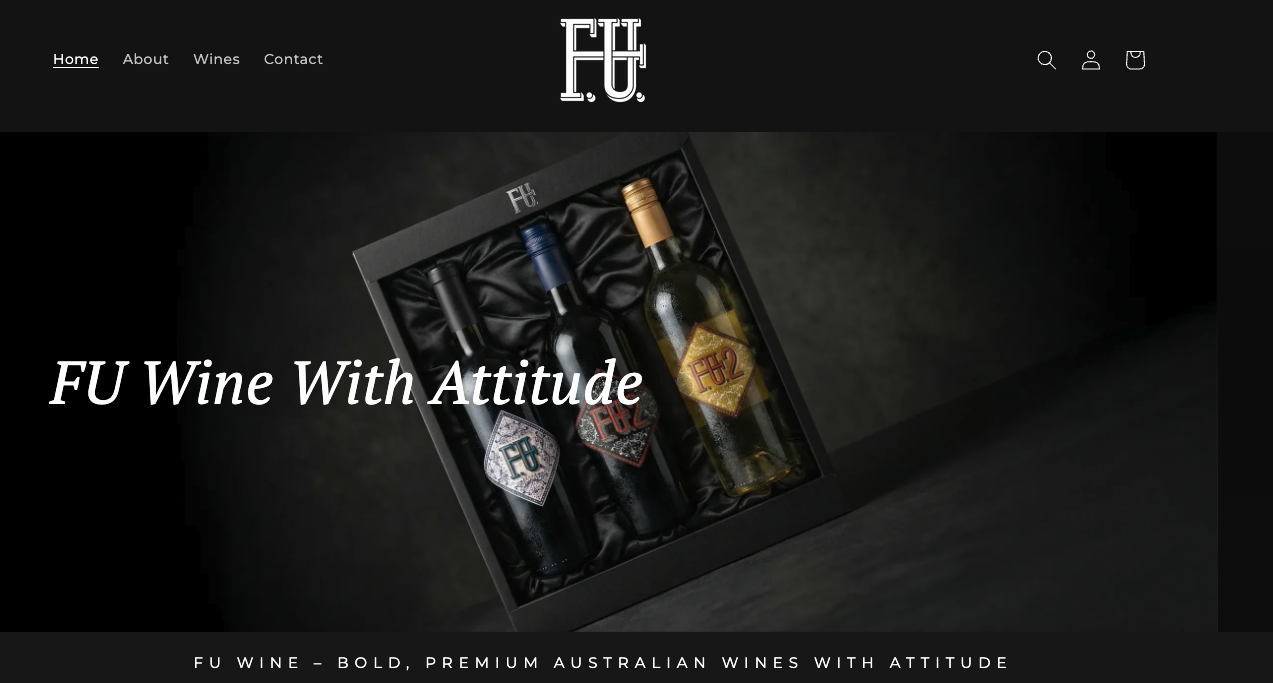
FU Wine exists precisely because premium wine shouldn’t require a 20-year waitlist, an insider handshake, or a willingness to overpay for a label. We source rare, high-quality bottles through direct relationships and opportunistic buying, then make them available at prices that would make the gatekeepers wince. If you want to shop boutique wines from small producers without the high markups, or explore a rotating range of limited releases, premium wines made accessible is exactly what we’re about. No velvet ropes. No membership fees. Just great wine.
Frequently asked questions
Why are some wine mailing lists so hard to join?
Demand for cult wines far outstrips supply, with waitlists stretching from 5 to 20 years and preference given to buyers with a strong purchase history. These producers simply don’t need to recruit new customers.
Is it possible to access premium wines without joining clubs or allocations?
Absolutely. By building direct relationships with smaller producers, working with independent curators, or using platforms focused on access, you can bypass many of the traditional barriers without spending years on a list.
Why does the wine industry have a snobbery problem?
A 62% literacy barrier built from jargon and tradition makes fine wine feel deeply intimidating, and that’s not accidental. Exclusivity has long been used to justify premium pricing and maintain social hierarchies.
How do allocation systems in Australia differ from those overseas?
Australian allocations are generally more accessible than those in Napa or Burgundy, with boutique producers more open to direct relationships. That said, top Australian bottlings still carry significant exclusivity, particularly for celebrated producers in regions like the Barossa and Yarra Valley.