

Defining anti-establishment wine brands: a bold guide
TL;DR:
- Anti-establishment wine brands reject traditional luxury signals, focusing on accessibility, innovation, and social purpose. They challenge norms through production choices like hybrid grapes, natural winemaking, and limited releases, emphasizing story and community over appellation prestige. Regulations restrict label claims, but authenticity is found in their philosophy, pricing, and direct consumer engagement.
Anti-establishment wine brands are producers that deliberately reject conventional luxury wine norms in favour of alternative credibility signals like accessibility, innovation, and distinctive identity. This is the craft wine revolution playing out in real time, and it’s reshaping how collectors and enthusiasts think about value, quality, and what a bottle of wine actually means. Brands like The Vice and Rebellium have made defining anti-establishment wine brands a genuinely interesting exercise, because they prove that rebellion in wine isn’t just attitude. It’s a production philosophy, a pricing decision, and sometimes a legal tightrope walk. If you’re tired of paying for prestige theatre, read on.
What defines anti-establishment wine brands?
Anti-establishment wine branding is the practice of building credibility through values that sit outside the traditional luxury wine playbook. No grand château. No appellation snobbery. No $400 bottles justified by a famous postcode. Instead, these brands anchor their identity in accessibility, artisanal production, social purpose, or sheer irreverence toward the gatekeepers who’ve long controlled what counts as “good” wine.
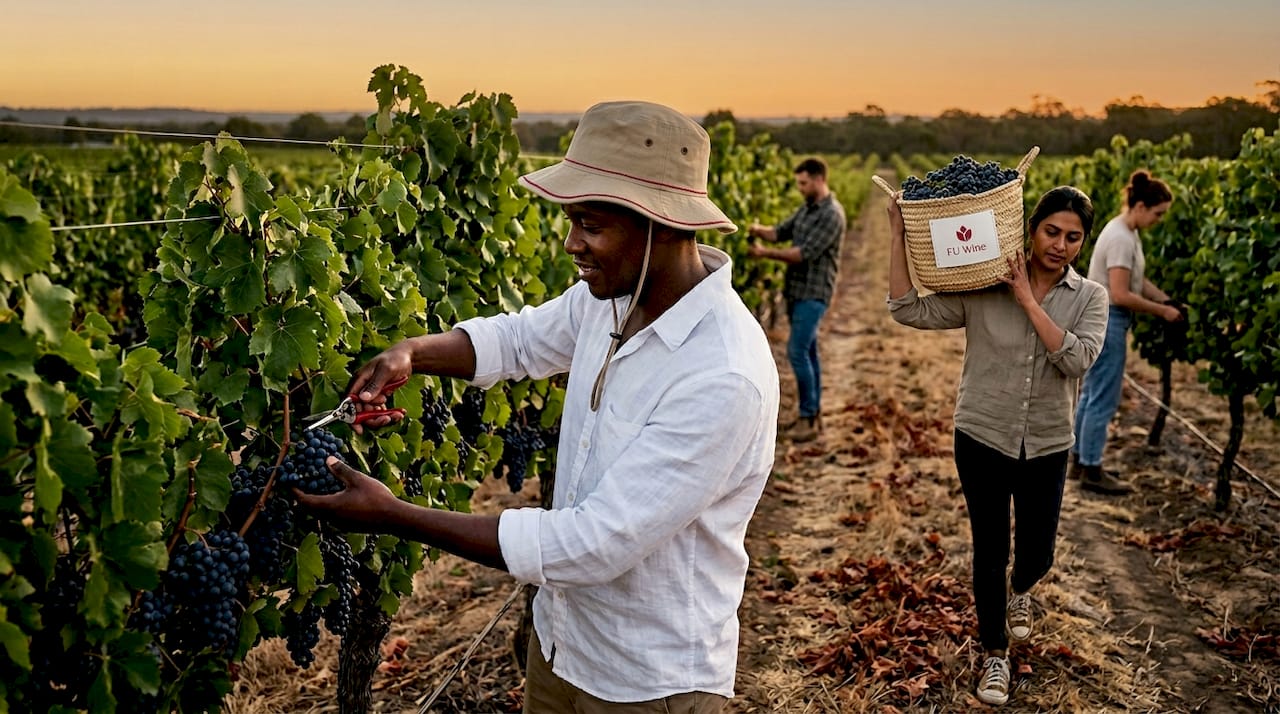
The industry term most commonly used alongside this concept is “disruptive wine branding,” though “rebellious wine labels” and “alternative wine movements” are also used interchangeably in trade conversations. What unites them is a shared rejection of the idea that price equals quality. Anti-establishment branding reframes credibility around innovation and accessibility rather than simple defiance for its own sake.
The Vice, a Napa Valley producer, is a textbook example. Its founder describes the mission as literally “breaking down Napa Valley,” making the region’s wines warm, approachable, and relevant to younger drinkers who’ve been priced out or put off by the formality of the category. Rebellium takes a different path entirely. It sells magnums on an allocated waitlist at $2,000 to $7,000, merging fine art and social purpose to challenge mainstream prestige conventions from the inside. Two very different price points. One shared philosophy: the old rules don’t apply here.
How do these brands challenge traditional wine conventions?
Traditional luxury wine signals are well established: prestigious appellations, estate ownership, century-old family names, and scores from influential critics. Anti-establishment brands don’t just ignore these signals. They actively build alternative ones.
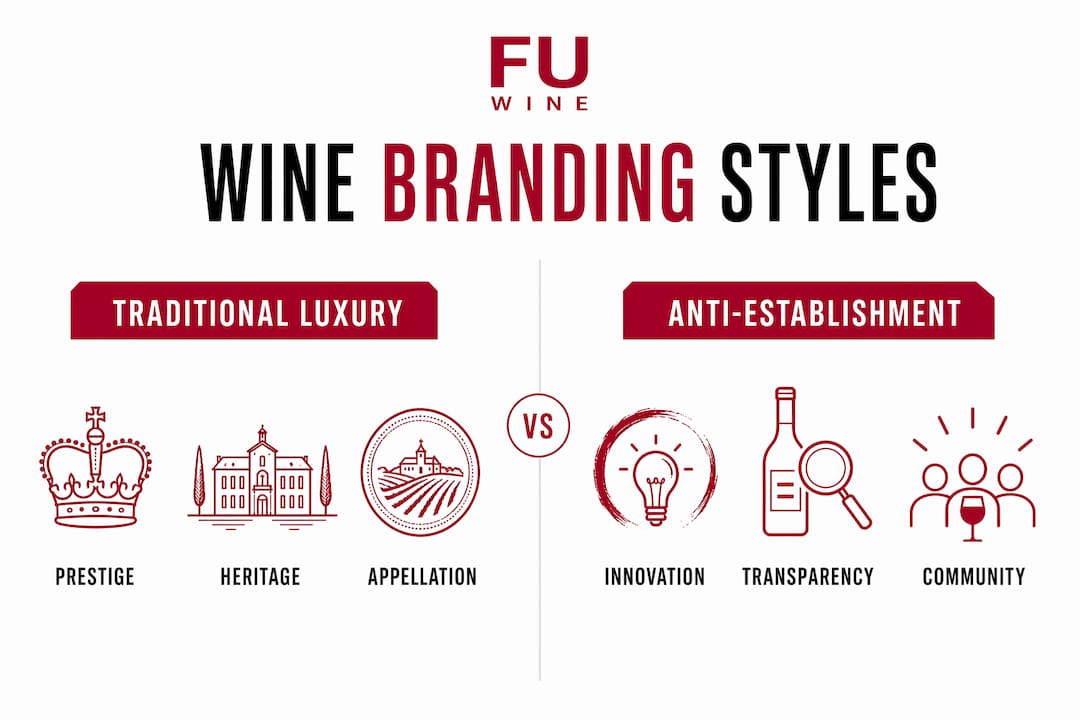
The Vice uses skin-contact whites and off-dry styles to make Napa wine feel accessible and relevant to younger drinkers, while keeping Cabernet Sauvignon as its core offering. That’s a clever move. It says “we belong here” while simultaneously saying “but we’re not like them.” Rebellium goes further, using scarcity via allocation and limited formats to create cultural capital without any of the traditional luxury signage. The result is a brand that feels exclusive without being exclusionary.
Here’s what separates genuinely disruptive wine brands from those just wearing a rebellious costume:
- Storytelling over status: The brand narrative centres on people, purpose, or process rather than estate history or critic scores.
- Price as a statement: Either aggressively affordable (Pierre & Antonin at $15 to $20 a bottle) or deliberately scarce and art-driven (Rebellium at $2,000 to $7,000), with nothing in the bloated middle.
- Direct communication: These brands speak plainly to their audience, often through social media, podcasts, and community events rather than traditional wine media.
- Social or environmental mission: Philanthropy, sustainability, and community are woven into the brand identity, not bolted on as an afterthought.
Pro Tip: When evaluating whether a wine brand is genuinely anti-establishment or just performing rebellion, look at its pricing model and production choices. A brand that talks about accessibility but charges $150 a bottle without scarcity justification is selling attitude, not values.
Younger consumers care more about taste, price, sustainability, and story than traditional varietal pedigree or appellation purity. This shift in consumer values is precisely why independent wine producers like Pierre & Antonin have built 400,000-bottle brands on hybrid grapes and honest pricing. The audience has changed. The smartest brands changed with it.
What production choices underpin the anti-establishment ethos?
The identity of a rebellious wine label isn’t just built in the marketing department. It starts in the vineyard. Production decisions are where the philosophy becomes real, and where the cost structures that enable accessible pricing are actually created.
Pierre & Antonin’s approach is instructive. They use hybrid “resistant” grape varieties that require fewer chemical inputs and less labour-intensive management, which directly reduces production costs and enables their $15 to $20 price point. This isn’t a compromise on quality. It’s a deliberate choice that aligns environmental values with commercial reality. The hybrid grape approach also sidesteps the appellation purity rules that govern traditional varietals, giving these producers more creative freedom.
The production hallmarks of anti-establishment wines typically follow a recognisable pattern:
- Hybrid or alternative grape varieties that reduce input costs and environmental impact, enabling lower retail prices without sacrificing quality.
- Natural or low-intervention winemaking that prioritises terroir expression over technical manipulation, appealing to consumers who want authenticity in the glass.
- Small-batch or limited-format releases such as magnums or artist series bottles, which create scarcity and cultural value without relying on appellation prestige.
- Direct-to-consumer distribution that cuts out middlemen, keeps margins honest, and allows the brand to control its own story.
- Sustainable vineyard practices that reduce costs over time and align with the values of younger, environmentally conscious drinkers.
Contrast this with the traditional luxury model, where Cabernet Sauvignon from a famous Napa sub-appellation commands a premium simply because of its postcode. Anti-establishment producers reject that logic. They argue that what’s in the glass matters more than where the grapes grew, and their production choices back that argument up with real numbers.
How do regulations shape anti-establishment wine labelling?
Here’s where things get genuinely interesting for collectors and enthusiasts. Anti-establishment wine brands can say whatever they like in their brand story, on their website, or in their social media presence. But the label on the bottle is a different matter entirely.
TTB regulations require at least 85% of grapes to originate from a named American Viticultural Area (AVA) before that AVA name can appear on the label. The establishment of an AVA is not an endorsement of the wine’s quality. It’s a geographic designation, nothing more. Similarly, varietal labelling thresholds require 75% of the named grape variety in the bottle before it can be listed on the label.
| Labelling rule | Requirement | Implication for anti-establishment brands |
|---|---|---|
| AVA geographic claim | 85% of grapes from named AVA | Limits sourcing flexibility for brands using geographic identity |
| Varietal claim | 75% of named grape variety | Restricts blending freedom if varietal name is commercially important |
| Vintage claim | 95% of wine from stated vintage | Affects how brands manage allocation and limited releases |
| Mandatory label elements | Producer name, address, alcohol content | Non-negotiable regardless of brand philosophy |
This matters practically. A brand that sources opportunistically, buying from multiple regions to keep costs down, may find it difficult to use a prestigious AVA name on the label. Federal regulations constrain anti-establishment claims to product story and philosophy rather than label content. The rebellion lives in the brand narrative, not the mandatory information panel.
Pro Tip: If you’re a collector sourcing wines from anti-establishment producers, check whether the label’s geographic claim aligns with the brand’s stated sourcing philosophy. A mismatch between the two can signal either creative blending or a brand that hasn’t fully thought through its production model.
What market strategies do these brands use to connect with collectors?
Anti-establishment brands are often more sophisticated in their go-to-market thinking than their casual, irreverent tone suggests. The strategies they use to build community and drive demand are deliberate and, in some cases, genuinely clever.
Rebellium’s model is worth studying closely. It sells exclusively in magnum format on an allocated waitlist, with bottles priced between $2,000 and $7,000. Each release is tied to a fine art collaboration and a philanthropic cause. Scarcity and limited-edition formats create exclusivity that differs from traditional winery prestige, blending art and philanthropy to craft cultural capital for collectors. This is anti-establishment luxury: it rejects the old prestige signals while creating entirely new ones.
Pierre & Antonin takes the opposite approach. Their community building via social media and podcast appearances has built a 400,000-bottle brand on transparency, hybrid grapes, and honest pricing. The Vice targets entry-level consumers who want Napa quality without the Napa attitude, using skin-contact whites and off-dry styles as a gateway into the category.
What these strategies share is a rejection of traditional wine media as the primary credibility channel. No reliance on a 95-point score from a single influential critic. Instead, these brands build credibility through wine gatekeeping alternatives: community, story, art, and direct relationships with their audience. For collectors, this means the discovery process feels more like being let in on a secret than being sold to.
Key takeaways
Anti-establishment wine brands build lasting credibility through production choices, pricing honesty, and community connection rather than appellation prestige or critic scores.
| Point | Details |
|---|---|
| Credibility through innovation | Brands like The Vice and Rebellium replace traditional luxury signals with accessibility, art, and social purpose. |
| Production drives philosophy | Hybrid grapes and natural winemaking enable the price points and values that define the anti-establishment identity. |
| Regulations set real limits | TTB rules mean rebellion lives in brand story and philosophy, not on the mandatory label content. |
| Scarcity can be anti-establishment | Rebellium proves that limited formats and waitlists can challenge prestige conventions rather than reinforce them. |
| Younger consumers are the audience | Taste, price, sustainability, and story matter more to this cohort than appellation purity or varietal tradition. |
Why anti-establishment wine brands matter more than ever
I’ve spent enough time around wine to know that the industry’s gatekeeping problem is real. The traditional model rewards producers who play by rules written decades ago for a consumer who no longer exists in the same numbers. The 30-something who wants a great bottle on a Tuesday night doesn’t care about the château’s history. They care about what’s in the glass and whether the price is honest.
What strikes me about brands like Rebellium and Pierre & Antonin is that they’ve found completely different paths to the same destination: making wine feel worth your attention again. Rebellium does it through art and scarcity. Pierre & Antonin do it through transparency and hybrid grapes. Neither approach is wrong. Both are responses to the same underlying truth: the old credibility signals have lost their grip on a significant and growing segment of wine drinkers.
The challenge for collectors exploring this space is learning to read the difference between genuine anti-establishment values and brands that have simply borrowed the aesthetic. Look at the production choices. Look at the pricing model. Look at who the brand is actually talking to and whether the conversation feels real. The best of these producers are doing something genuinely interesting. The rest are just wearing a leather jacket over a suit.
My practical advice: treat wine scarcity and access as a lens, not a barrier. The most interesting bottles in this category are often the ones that require a bit of digging to find. That’s not a bug. It’s the point.
— Damien
Find your next rebellious bottle with FU Wine
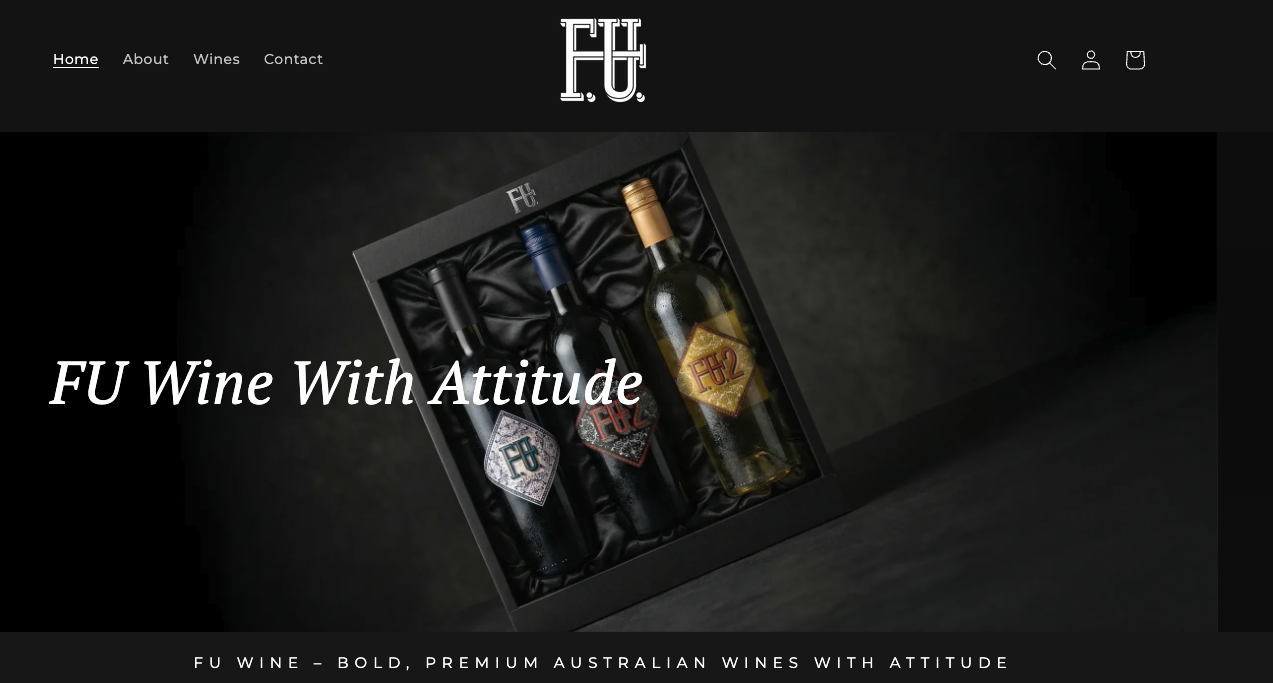
FU Wine exists precisely because premium wine shouldn’t require a trust fund or a sommelier’s approval. The platform sources rare, high-scoring, and hard-to-find bottles from independent and disruptive producers, then makes them available at prices that would make a traditional wine merchant uncomfortable. Think 30 to 70% below standard retail on bottles that actually deserve your attention. If the brands in this article have you curious about what else is out there beyond the mainstream, FU Wine is where you start looking. Flash deals, limited releases, and aspirational wine at honest prices are what this is all about. Every bottle is a small rebellion. Explore the range and find yours.
FAQ
What is an anti-establishment wine brand?
An anti-establishment wine brand is a producer that rejects conventional luxury wine norms, building credibility through accessibility, innovation, social purpose, or artisanal identity rather than appellation prestige or critic scores.
How do anti-establishment wines differ from mainstream wines?
Anti-establishment wines prioritise alternative values like transparent pricing, hybrid grape varieties, natural winemaking, and direct community engagement over traditional markers like famous appellations or estate heritage.
Can anti-establishment brands still use AVA names on their labels?
Yes, but only if at least 85% of the grapes originate from that AVA, as required by TTB regulations. This limits how much sourcing flexibility these brands have if geographic identity is part of their story.
Are anti-establishment wines good value for collectors?
Many are. Brands like Pierre & Antonin offer quality at $15 to $20 per bottle through hybrid grape production, while Rebellium creates genuine collector value through art-driven scarcity and philanthropy at the premium end.
How do I find anti-establishment wine brands in Australia?
Look for producers who communicate directly with their audience, use transparent pricing, and build identity around story or production philosophy rather than appellation status. Platforms that source hard-to-find wines outside traditional retail channels are a good starting point.