

Themed wine tastings that sell allocations, not just glasses
The fastest way to generate repeatable DTC revenue from themed wine tastings is to sell a tightly curated allocation or bundle tied to an educational, narrative-led tasting, then follow it with a planned post-event allocation flow. It works because it creates scarcity, justifies premium pricing, and hands you first-party data you can use for the next event. Start today with three moves:
- Choose the theme. Pick a story (vertical, library vintage, producer access) that flatters collectors, not a generic regional overview.
- Build the allocation bundle. Tier it entry, premium, collector, with real bottle counts and a clear reason to upgrade.
- Open the allocation or booking window. Frame it as reserved access, not a straightforward cart.
Before you lock a date, confirm your session length (60 to 90 minutes works for most virtual sommelier formats), your kit lead time, and your shipping compliance notes.
Key Takeaways
Themed DTC wine tasting revenue comes from pairing a narrative-led theme with a tiered allocation bundle, then converting interest through a timed post-event follow-up sequence.
| Point | Details |
|---|---|
| Pick a story, not a region | Vertical tastings, producer access and library flights outsell generic regional themes with collectors. |
| Sell allocations, not carts | A request-allocation flow justifies premium pricing and improves long-term retention over open stock. |
| Lock lead time early | Book shipped kits three to four weeks out to cover picking, packing and shipping windows. |
| Follow up on a fixed clock | Send a thank-you within hours, a replay reminder at 48 to 72 hours, and a retention offer at two to four weeks. |
| Use FU Wine as your sourcing partner | FU Wine supplies the limited releases and allocation-style access this model depends on for hosts who’d rather run events than chase inventory. |
Table of Contents
- Choose a sellable theme and event format for creating themed wine tasting event revenue
- Curate the offer: bundles, allocations, pricing and margin math
- Logistics and fulfilment: lead times, kit contents and compliance
- Promote the event and convert sign-ups into purchases
- Run the tasting experience so it sells
- Measure, iterate and retain: KPIs and follow-up plans
- How FU Wine applies this model in practice
- Scaling and replication strategies for multiple or ongoing themed events
- Budgeting and detailed cost breakdown for creating and hosting themed wine tasting events
- Customer experience optimisation during the event
- Technology platforms and tools for virtual and hybrid tastings
- Sources
Choose a sellable theme and event format for creating themed wine tasting event revenue
Collectors don’t pay premium prices for “a nice red and a nice white.” They pay for access, story, and scarcity. A theme becomes sellable when it has a narrative arc: a vertical tasting across five vintages of the same wine, a “meet the producer” session with a winemaker on video, or a cellar-aged flight that teaches guests how a wine actually evolves. Narrative-led themes outperform simple regional tastings because they educate as much as they sell, and educated buyers convert faster and pay more.
Format matters as much as theme. A virtual sommelier session suits collectors spread across states or corporate groups who want convenience. A hybrid tasting (shipped kit plus live stream) works when you want scale without sacrificing intimacy. A private corporate session sells best to hospitality and business buyers who want a branded, exclusive experience they can offer clients or staff as a perk.
Weigh three things before committing: does the audience actually want this bottle story, does the bottle cost justify the perceived value you’re promising, and how much inventory risk are you carrying if allocation requests fall short.
Pro Tip: Never advertise a themed tasting as “open to all.” Frame it as “limited to 40 allocations” or “first access for club members” even when supply is genuinely flexible. Scarcity language is the single biggest lever on conversion once the wine itself is good.
Curate the offer: bundles, allocations, pricing and margin math
Structure three tiers. Entry gets two bottles, a printed tasting sheet, and access to the live session. Premium gets four to six bottles, producer notes, and a pairing guide. Collector gets the full vertical or library set, a signed or numbered element if available, and priority on the next release. This tiering mirrors what established virtual tasting kit providers already do, and it gives every buyer a reason to trade up.
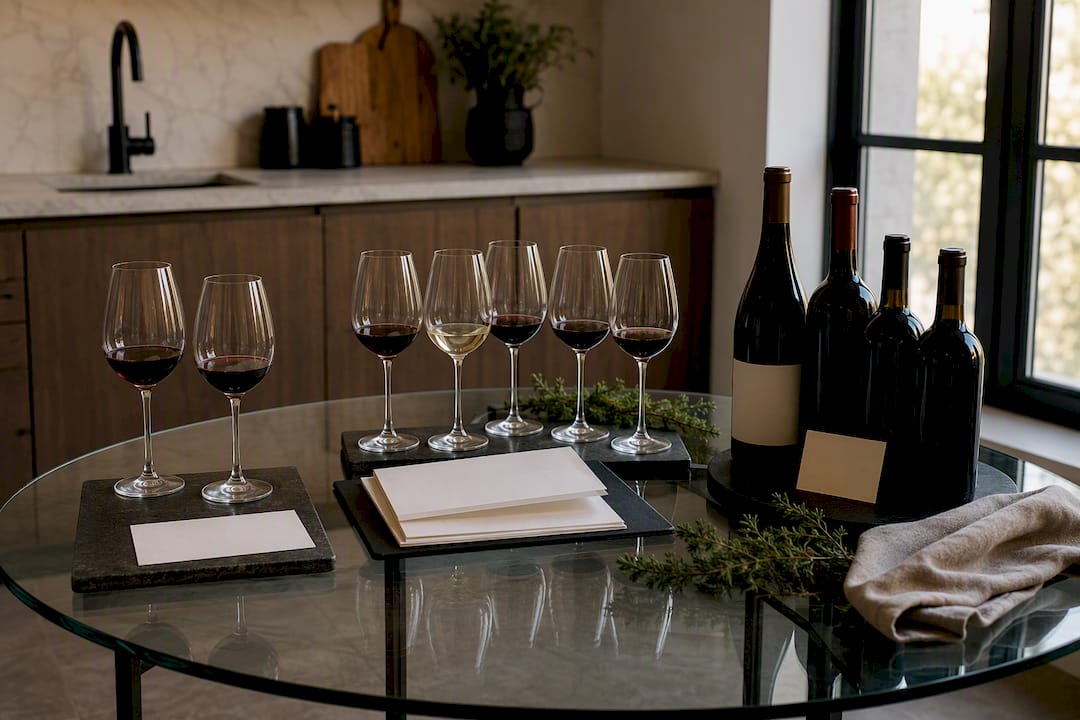
Allocation flow decides your pricing power. Open stock invites price comparison; a request-allocation model (vetted access, limited quantities, confirmed by email) removes that friction entirely, because the buyer is applying for access, not shopping a menu. Framing the purchase as an allocation experience turns a transaction into participation, which is what justifies the premium.
Your margin math needs a floor before you announce anything:
- Set a minimum average order value that covers kit cost, packaging, and freight before margin starts.
- Offset shipping by bundling instead of pricing bottles individually.
- Add host or sommelier fees into the premium and collector tiers only, so entry stays accessible.
- Build in one guaranteed upsell moment, typically a mixed case offered at close of the tasting.
Logistics and fulfilment: lead times, kit contents and compliance
Book shipped-kit events at least several weeks in advance. That window covers inventory picking, packing, carrier transit, and the inevitable delay when a courier misses a delivery window on a Tuesday and you’ve got a Friday session. Industry providers treat this lead time as the operational floor, not a suggestion, and cutting it close is how you end up apologising to forty guests instead of selling to them.
A kit that converts includes the bottles, a tasting sheet with drinking windows and food pairings, branded collateral that reinforces the story, and clear age-verification instructions the recipient has to acknowledge before delivery. Keep your compliance notes short and visible: age checks at checkout and on delivery, shipping restrictions that vary by state, clear labelling, and a plain-language returns policy for damaged bottles.
Pro Tip: Put your lead-time deadline on the operations calendar, not just the marketing one. The moment marketing announces a date, ops needs the allocation numbers locked so procurement isn’t guessing bottle counts three days before shipping.
Promote the event and convert sign-ups into purchases
Segmented email beats broad discounting for this audience every time. Pair it with targeted social using collector-specific creative (bottle shots, vintage charts, producer footage), and a direct message to your highest-value existing customers before you open the list publicly.
Run the sequence on a fixed timeline:
- Announcement three to four weeks out, timed to your fulfilment lead time.
- Reminder at the two-week mark with tier details and a clear allocation deadline.
- Last call 48 hours before allocations close.
- Post-event offer within 72 hours, while the tasting is still fresh.
Using first-party data to personalise invites lets you recommend the collector tier to buyers who’ve bought verticals before, instead of blasting everyone the same entry-level pitch. Layer in reviews and user-generated content from past tastings as social proof, since buyers who read critic reviews and tasting notes convert faster.
Your checkout needs one obvious action: Request Allocation, not a crowded menu of options, plus scarcity language that’s true (“32 of 40 allocations claimed”) rather than invented.
Run the tasting experience so it sells
A 60 to 90 minute sommelier-led session has a rhythm: ten minutes of intro and story, fifty to sixty minutes of guided tasting, and a close that turns interest into orders. Groups can range from an intimate five to well over 500 for corporate bookings, so pace the story to match the room.
Weave selling moments into the script naturally. Mention why this vintage is rare while pouring it, not as a separate pitch. Tell guests when the post-event allocation window opens and how long it stays open. Ask guided questions (“what’s the tannin structure doing on the finish?”) to keep engagement high, and consider a short raffle or live Q&A near the close to hold attention through the final pour.
For corporate or hybrid sessions, swap generic collateral for branded materials and a CTA specific to that group, whether that’s a staff gift program or a client entertainment package leveraging insights from the Group Cocktail Experience: Book Without Surprise Fees guide.
Pro Tip: Save your best story, not your best wine, for last. Guests remember and buy based on the pour they were most emotionally engaged with, which is rarely the most expensive bottle in the flight.
Measure, iterate and retain: KPIs and follow-up plans
Track five numbers after every event: conversion rate from registration to paid order, average order value, allocation fulfilment rate, post-event reorder rate, and new wine-club signups. These tell you whether the theme sold wine or just entertained people.
Your follow-up sequence should run on autopilot:
- Thank-you email with direct purchase links, sent within hours.
- Replay and allocation reminder at the 48 to 72 hour mark.
- A retention offer, typically a modest discount or early access, at two to four weeks.
Test relentlessly. Try two subject lines on the announcement email, two price points on the collector tier, and two bundle structures across similar events, then keep what wins. Feed everything back into your customer data so next quarter’s invite list is smarter than this quarter’s.
How FU Wine applies this model in practice
FU Wine’s own catalogue runs on the same logic this guide describes: limited releases and cellar-aged bottles sourced opportunistically, then sold through flash offers and allocation-style access rather than standing inventory. That’s the exact mechanic behind a sellable themed tasting.
What’s worth copying:
- Frame exclusivity honestly. If a release is genuinely limited, say so; don’t manufacture scarcity you can’t back.
- Build tiers around real bottle differences, not just price.
- Time the offer to when interest peaks, immediately after the story lands, not days later.
For collectors chasing specific releases, FU Wine’s guide to securing limited wines shows the request-and-vet flow in action.
Scaling and replication strategies for multiple or ongoing themed events
One successful tasting proves the concept. A calendar of them builds a revenue line. Scaling starts with a repeatable template: lock your session structure (intro, story, tasting, close), your kit tiering, and your email sequence once, then swap the theme and wine list each time rather than rebuilding the whole event from scratch.
Stagger events so fulfilment teams aren’t juggling two three-to-four-week lead windows simultaneously. A monthly cadence tends to work better than weekly for premium tastings, since it gives your marketing list time to recover and your allocation inventory time to replenish.
Segment your list by past behaviour. Buyers who upgraded to the collector tier last time should see the collector tier first next time, not a generic entry-level announcement. This is where first-party data pays off: the more events you run, the sharper your targeting gets, because you’re learning who actually pays for verticals versus who just likes a Tuesday night pour.
Consider a rotating theme calendar planned a quarter ahead: one vertical, one producer-access session, one library or cellar-aged flight, one corporate-focused event. This spreads risk across formats and stops your list going stale on a single narrative.
Replication also means documenting what worked. Keep a simple record of theme, price points, conversion rate, and AOV for every event, and treat that record as your planning tool for the next one rather than starting the pricing conversation from scratch each time.
Budgeting and detailed cost breakdown for creating and hosting themed wine tasting events
Four cost buckets drive every themed tasting: inventory, kit and packaging, shipping, and host or sommelier fees. Inventory is usually your largest single line, particularly for collector-tier bundles where four to six bottles per guest adds up fast against a limited-release cost base.
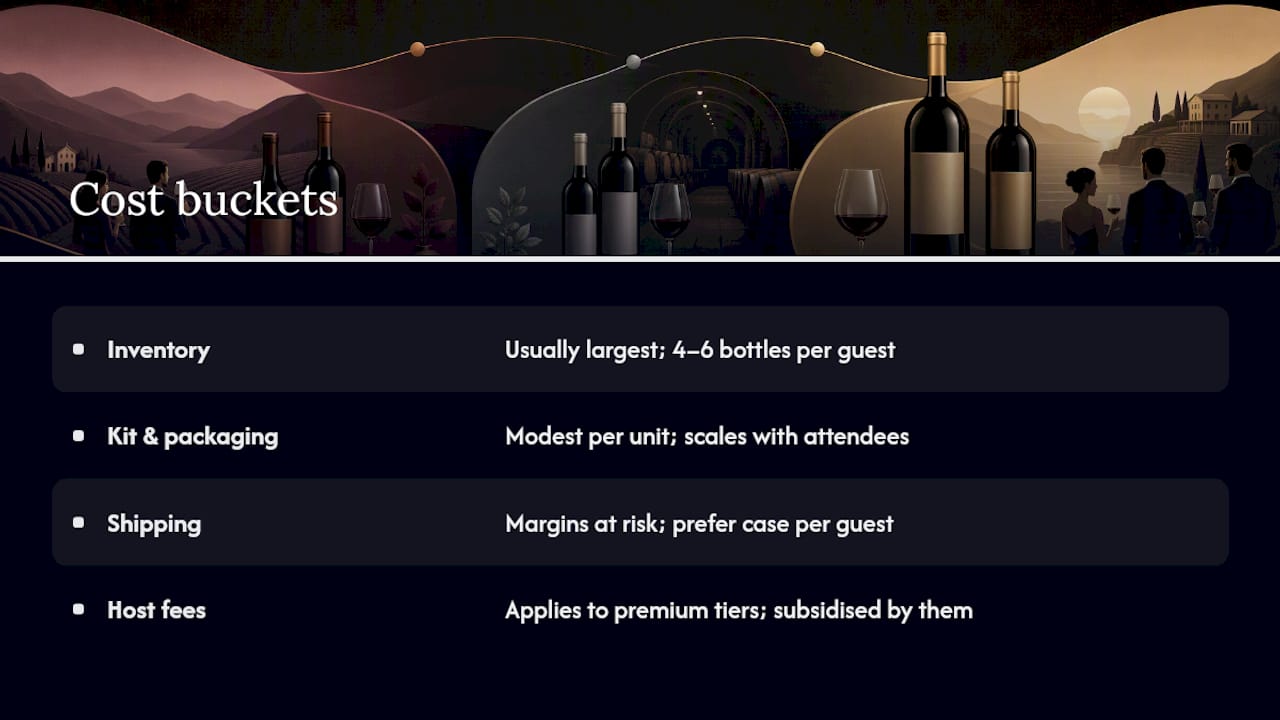
Kit and packaging costs include the tasting sheet, branded collateral, and any presentation extras like a numbered card or producer note. These are modest per unit but scale linearly with attendee count, so a 500-person corporate session multiplies fast.
Shipping is where margins get eaten if you don’t plan for it. Bundling bottles into a single case per guest, rather than shipping individual bottles, keeps freight costs proportional to bottle count instead of blowing out per shipment. Build your minimum order value around covering this cost before margin starts, not after.
Host or sommelier fees apply mainly to premium and collector tiers, where the live guided experience is part of what’s being sold. Entry-tier guests often join the same live session without that fee baked into their price, which keeps the tier accessible while premium buyers subsidise the experience cost.
A rough working model: price your entry tier to break even on kit and shipping alone, price premium to cover host fees and a modest margin, and let the collector tier carry your actual profit. That structure protects you even if entry-tier uptake is soft, because it was never meant to be your margin driver.
Customer experience optimisation during the event
The tasting itself is where interest either converts or evaporates. Sensory guidance matters more than most hosts realise: tell guests specifically what to look for (“notice how the tannins soften after five minutes in the glass”) rather than asking open questions guests don’t have the vocabulary to answer.
Interactive elements keep attention through a 60 to 90 minute session. A short live poll on preferred style, a guided “guess the vintage” moment, or a brief raffle for a bonus bottle all work because they break the monologue rhythm without derailing the story. For hybrid and larger groups, a moderated chat or Q&A queue stops the session collapsing into noise once you’re past fifty attendees.
Pacing decides whether guests stay engaged or start checking their phones. Structure each pour around a fixed rhythm: story, pour, guided tasting note, brief pause for questions, next wine. Skipping the pause is the most common mistake hosts make when they’re rushing to fit six wines into ninety minutes.
For corporate and hospitality groups specifically, build in a moment that’s clearly theirs, a branded toast, a custom pairing note referencing their industry, or a closing message tailored to the group. It costs little to prepare and makes the session feel designed for that audience rather than a stock format run for everyone.
Close every session the same way regardless of format: recap the story in one sentence, state the allocation window clearly, and give one unmistakable next step. Guests who leave unsure of what happens next rarely follow up on their own.
Technology platforms and tools for virtual and hybrid tastings
You don’t need enterprise software to run a good virtual tasting, but you do need three things working together: a video platform that handles your group size, an ecommerce system that tracks allocations in real time, and an email platform that can segment by purchase history.
For video, standard conferencing tools handle groups up to a few hundred comfortably; anything approaching the 500-plus end of the group-size range typically needs a webinar-style platform with moderated Q&A rather than a standard meeting room, simply to keep the chat usable.
On the commerce side, platforms that unify online sales and inventory make allocation limits and stock visibility far easier to manage than running a spreadsheet alongside your storefront. This matters most once you’re running events monthly rather than as one-offs, because manual allocation tracking breaks down fast under repeat volume.
Email segmentation tools that let you tag customers by tier, past purchase, and event attendance are what actually make personalised invites possible. Without that layer, every announcement email goes to the whole list, and you lose the targeting advantage that makes allocation-based selling work in the first place.
A brief word from Damien
The allocation-first model works because it respects what collectors actually want: access, not just alcohol. For live case studies or a bespoke event brief, FU Wine’s resources are the place to start.
A discreet closing option: FU Wine as a ready path
Building this whole system from scratch, sourcing, kit fulfilment, allocation tracking, compliance, takes real time most hospitality and corporate buyers don’t have spare. That’s the gap FU Wine sits in.
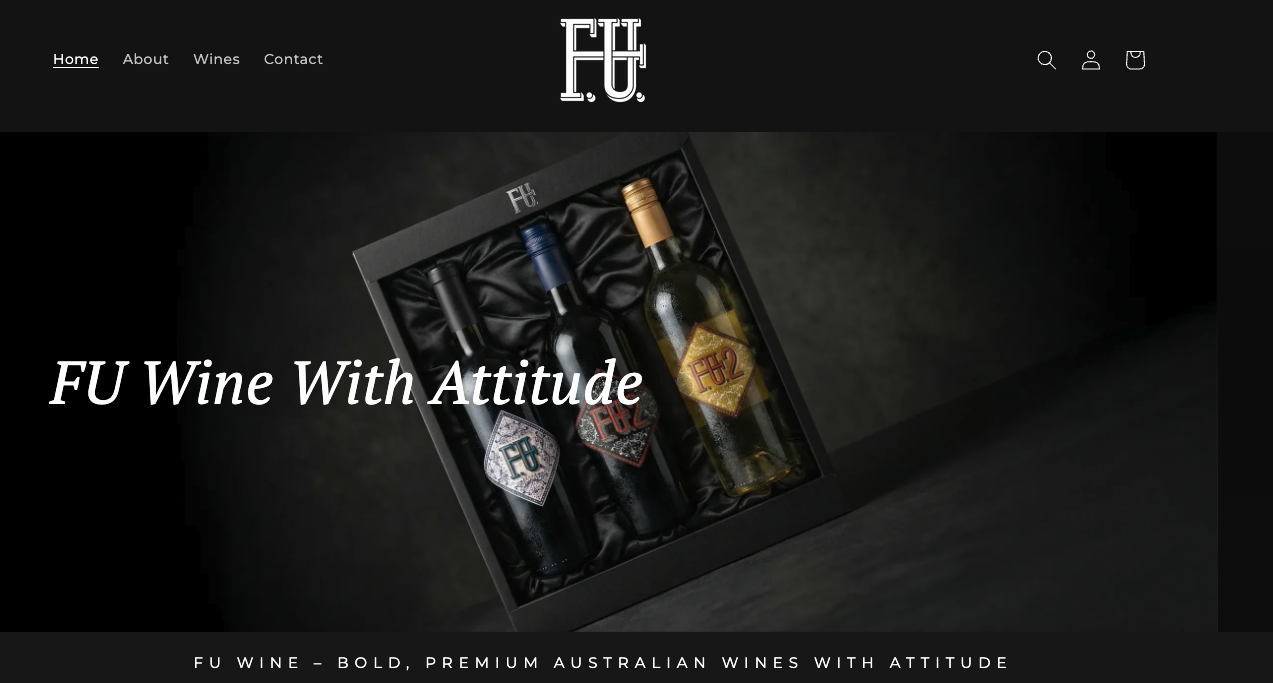
FU Wine already sources the limited releases, cellar-aged bottles, and boutique producer runs this playbook depends on, and handles the sourcing risk so you’re not chasing allocations cold. When you’re ready to run a themed tasting instead of just planning one, browse current allocations at FU Wine and see what’s available for your next event.
Sources
- More Australians purchase still wine online than in store
- Australia wine market (IMARC Group)
- Direct to Consumer Wine: Ecommerce Guide (2025) - Shopify
- Wine eCommerce (Wine Owners)
FU Wine proof points and event examples sit throughout the FU Wine blog.