

Collectors: 3 Traits That Make Rosé Worth Cellaring
Yes, collectible rosé is a real thing, not a marketing stretch. The wines that earn a spot in a cellar share three traits: real structure from grapes like Mourvèdre or Pinot Noir, meaningful élevage, and genuine scarcity. Your fastest route in is Bandol or a prestige rosé Champagne with age on its lees. Everything else in this guide shows you how to spot the real deal, buy smart, and store it properly.
TL;DR:
- The best collectible rosés come from regions like Bandol, premium single-vineyard Provence, and prestige Champagne, which focus on aging potential and scarcity.
- Look for bottles with vineyard-specific labels, lees aging, or barrel fermentation, indicating they are designed for cellaring rather than quick consumption.
- Provenance, storage conditions, and actual production limits are critical factors in evaluating a bottle’s future value and aging ability.
- Gaining access to rare bottles typically requires relationships with specialists or participation in auctions and cellar releases, not standard retail channels.
Table of Contents
- What makes a collectible rose wine actually collectible
- Which regions and styles are worth collecting?
- How do you evaluate a bottle before buying?
- Where do collectors actually source these bottles?
- How long can collectible rosé actually age?
- Collecting rosé in practice
- Find rare rosé before everyone else does
- Sources
What makes a collectible rose wine actually collectible
Colour tells you almost nothing. A pale, delicate rosé and a deeper, structured one can come from the same region, and only one of them belongs in a cellar. The difference sits in the grape, the winemaking, and the intent behind the bottle.
Mourvèdre gives rosé backbone. So does Pinot Noir handled with care. Combine that with real tannin and bright acidity, and you get a wine that can hold its shape for years rather than fading after twelve months. Add élevage, extended lees ageing, barrel fermentation, or both, and you’re looking at something built to last rather than rushed to shelf.
Terroir matters just as much as technique. Appellations like Bandol, Palette AOP, select single-vineyard Provence bottlings, and prestige Champagne rosé cuvées consistently produce wines with the structure and age-worthiness collectors actually chase. These aren’t accidents of geography. They’re the result of producers deliberately farming and vinifying for longevity.
Scarcity closes the loop. Look for:
- Single-vineyard designations rather than blended regional cuvées
- Library or vinothèque releases held back by the producer for years before sale
- Allocation language (“limited to X cases”) rather than open, unlimited availability
- Small-appellation origins where total production is capped by geography itself
Most Provence-style pale rosé is made to drink within the year. That’s not a flaw, it’s the intent. The exceptions worth cellaring are the barrel-aged or single-vineyard bottlings that break from that template on purpose.
Pro Tip: Flip the bottle over before you buy. If the back label mentions lees ageing, barrel fermentation, or a specific vineyard parcel, you’re looking at a wine built for the cellar, not the beach.
Which regions and styles are worth collecting?
Four categories consistently deliver rosé worth holding onto, and each behaves differently in the cellar.
- Bandol. Often called the Grand Cru of Provence rosé, Bandol’s Mourvèdre backbone gives it the stability to develop for several years. Expect savoury, almost meaty notes to emerge as the fruit recedes.
- Premium single-vineyard or barrel-aged Provence. Most Provence rosé is drink-now. The exceptions, usually labelled with a specific vineyard or noted barrel treatment, show real structure and reward two or three years of patience.
- Rosé Champagne, particularly vinothèque releases. Houses like Louis Roederer hold back select rosé cuvées, ageing Cristal Rosé Vinothèque on lees for roughly a decade before disgorgement, then a further decade on cork in the cellar. That’s twenty years of deliberate development before the bottle even reaches a collector.
- Palette AOP and other small-appellation outliers. A handful of Italian and Spanish co-ferments also produce structured, terroir-driven pinks worth watching, though they demand more homework since they rarely appear on mainstream lists.
Price range varies enormously across these styles. Some sit comfortably in the affordable-but-serious bracket, while rare luxury examples like Clos du Temple have retailed at premium prices, a reminder that collectible rosé spans a genuinely wide price spectrum.
How do you evaluate a bottle before buying?
Before you commit to a purchase, run through this sequence:
- Read the technical notes properly. Blend composition, élevage method, alcohol level, and for Champagne, the disgorgement date, all tell you whether the wine was built to age or built to sell quickly.
- Check the scarcity claims. Allocation language sounds good on a shelf talker, but see if you can verify actual production numbers through the producer or a specialist retailer.
- Match the vintage to the region. Some years give Bandol and Champagne rosé the acid and structure to age gracefully; others don’t. A great producer in a weak year still makes a wine that’s better drunk sooner.
- Verify provenance. Ask for the purchase history, storage conditions, and seller reputation. A bottle with a clean paper trail is worth more, and drinks better, than one with gaps in its story.
Pro Tip: A well-stored mid-range Bandol will often outlast a poorly stored prestige Champagne rosé. Provenance and consistent cellar conditions can matter more to future value than the price tag on day one.
Where do collectors actually source these bottles?
Finding genuinely collectible rosé takes more effort than browsing a bottle shop shelf. A few channels consistently work:
- Specialist retailers and allocation lists. Building a relationship with a merchant who deals in small-production wine gets you first access when limited releases drop, rather than fighting for scraps after the fact.
- Auction houses. These offer access to older vintages and vinothèque releases, but always request condition reports and storage history before bidding.
- Cellar and library release announcements. Producers periodically release back-vintage stock direct from their own cellars. These drops are often the cleanest provenance you’ll find.
- Rotating deal platforms. Flash sales on limited stock can surface genuinely scarce bottles at prices well below traditional retail, if you’re watching closely enough to move fast.
Avoid any seller who can’t answer basic questions about storage conditions or where the bottle has been for the past five years. Unclear provenance is the single biggest risk to both drinking quality and resale value.
How long can collectible rosé actually age?
Most commercial rosé is built for one to three years on the shelf, full stop. The exceptions are the ones this guide has been pointing you toward: Bandol’s Mourvèdre-driven wines and top-tier Champagne rosé, both of which can reward five to ten years or more of careful cellaring.
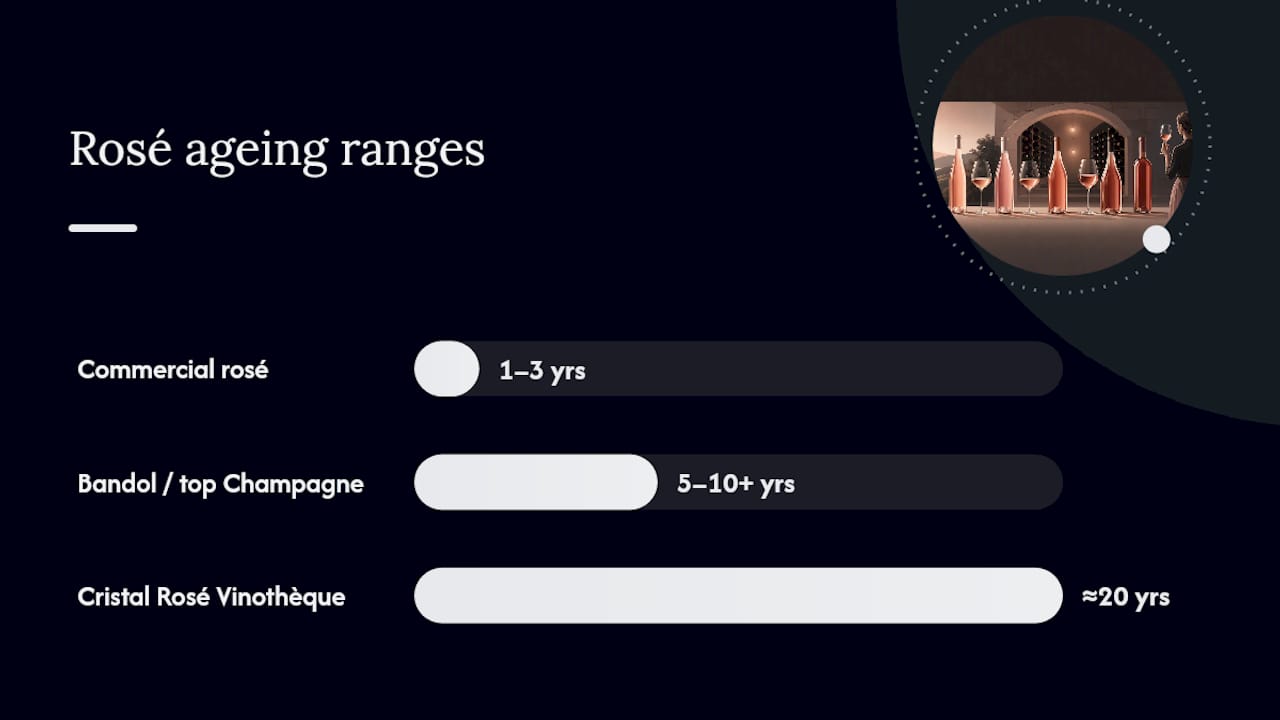
Cristal Rosé Vinothèque is the extreme case worth knowing about. Roederer ages it on lees for around ten years, then a further decade on cork before release, meaning the wine spends roughly two decades in deliberate development before it ever reaches a collector’s rack.
Get the storage basics right and you protect that investment:
- Hold bottles at a steady 12 to 14°C, with minimal temperature swings
- Keep humidity around 70% to protect the cork
- Store bottles horizontally, away from direct light and vibration
- Track provenance and consider insurance once your collection reaches serious value
A dedicated storage setup pays for itself the first time you avoid ruining an expensive bottle through careless heat exposure.
Collecting rosé in practice
Most collectors get rosé wrong before they even open the bottle. They chase colour and label aesthetics instead of asking what’s actually in the glass, then wonder why a pale, pretty bottle they’ve held for four years tastes tired instead of interesting.
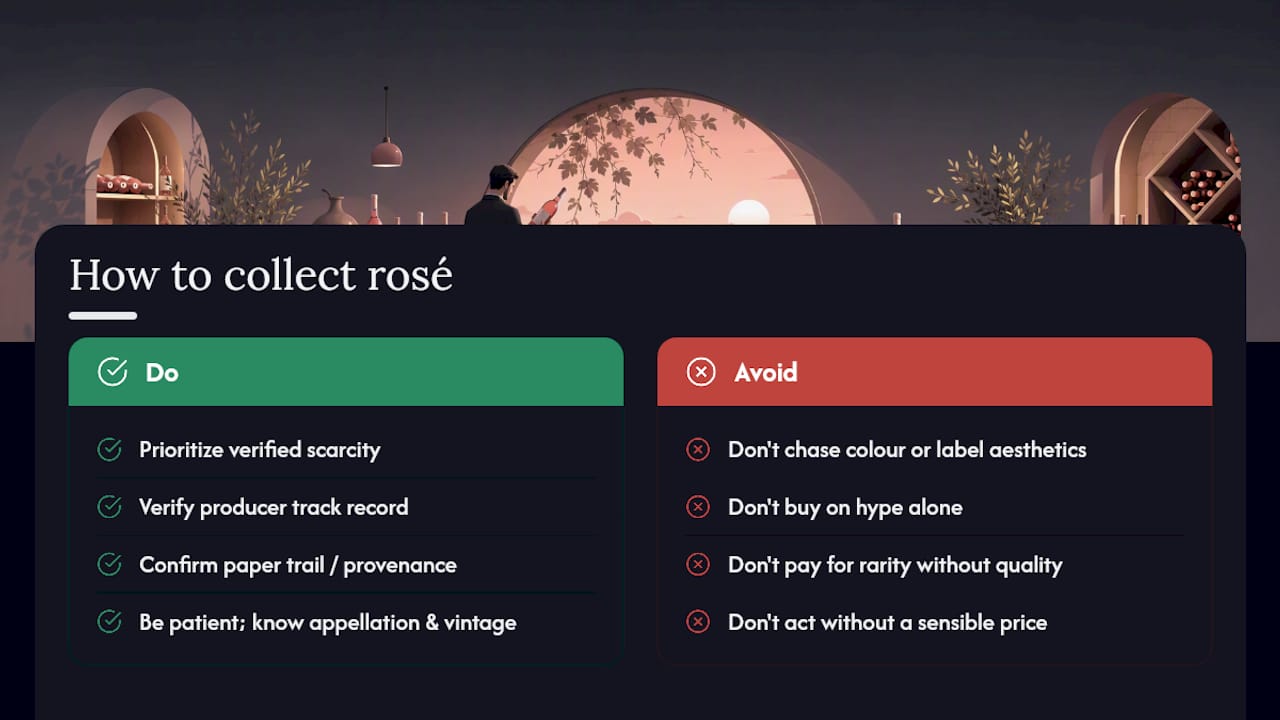
Rarity without quality is just an expensive gamble. The bottles worth chasing combine genuine scarcity with a producer track record and, ideally, a paper trail you can verify. A rotating, deal-driven sourcing model works because it rewards exactly this kind of attention: you watch closely, you know what you’re looking at, and you move when a genuinely scarce bottle surfaces at a price that makes sense.
The best hunting tip going is patience paired with specificity. Know the appellation, know the vintage character, and don’t buy on hype alone.
— Damien
Find rare rosé before everyone else does
This business model focuses on providing access to bottles that traditional retail often overprices or doesn’t stock at all. That’s the gap we exist to close for rosé collectors specifically: limited releases, cellar-aged Bandol, and prestige rosé lots that would normally sit behind an allocation list you’re not on.
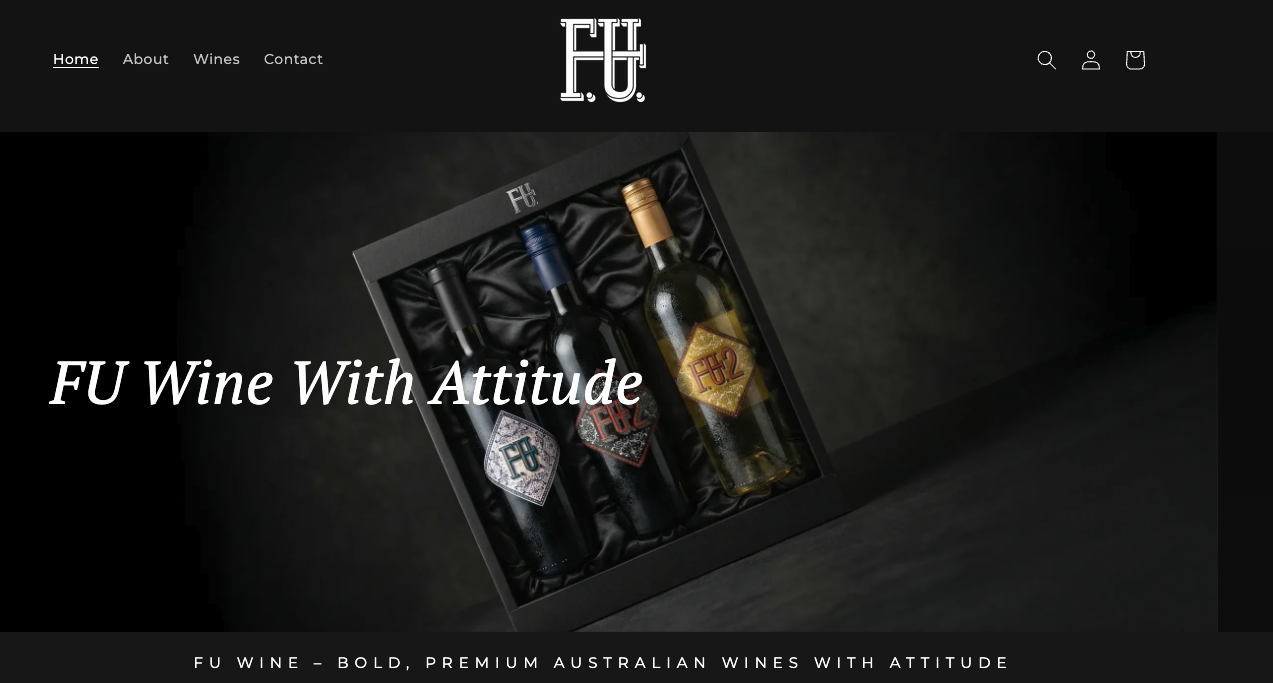
The rotating catalogue moves quickly due to genuinely scarce stock, sourced through cellar clearances and allocation releases rather than bulk buying. Subscribers to the mailing list can see flash deals as they become available, often on bottles that might not otherwise reach the open market at such prices. If you want a head start on your next serious rosé, browse FU Wine’s current collector picks or check what’s rotating through the latest wine deals right now. For readers keen to see terroir in person, Aussie Loop’s Bruny Island wine tour is worth a look too. Head to Fuwine and get on the list before the next drop.
Sources
- Cristal Rosé Vinothèque | Champagne Louis Roederer
- Best rosé wines 2026, taste-tested by a wine expert | The Independent
- Provence rosé: a complete guide to the world’s best rosé wine