

Building a wine gifting program that runs year round
A year‑round wine gifting programme turns holiday‑only orders into recurring revenue you can actually forecast. Get the mix right and gifting stops being a December scramble and becomes a client retention engine that runs on autopilot.
The core elements are simple, even if most wineries and corporate buyers never build them properly:
- Curated packages at fixed price points, not custom quotes every time
- Pricing tiers that match different budgets and relationships
- A fast intake and quoting process so sales can say yes on the spot
- Fulfilment that hits deadlines even during peak season
- A calendar that follows client milestones, not just Christmas
Do this well and you get repeat orders, warm referrals from partner businesses, and a client retention story you can actually take to your board.
Key Takeaways
A year‑round wine gifting program converts seasonal, one‑off orders into predictable revenue by pairing simple pricing tiers with reliable fulfilment systems.
| Point | Details |
|---|---|
| Run gifting year round | Align gifts to client milestones and financial year triggers, not just holidays. |
| Keep tiers to three | Entry, mid and premium tiers let sales quote fast and protect margin. |
| Build intake first | A standard intake form and pricing sheet prevent seasonal bottlenecks. |
| Confirm compliance early | Age verification and regional shipping rules must be locked in before scaling volume. |
| Source premium bottles smartly | FU Wine supplies rare and high‑scoring wines at below‑retail prices for premium gifting tiers. |
This article is general information, not a substitute for advice from a qualified lawyer. Consult a qualified legal professional about your own circumstances before acting on anything here.
Table of Contents
- Why a year‑round wine gifting program matters for your bottom line
- What does a 12‑month wine gifting calendar look like?
- How do you budget and price a corporate wine gifting program?
- How do you choose wines and packaging that match the gift?
- What should your fulfilment and compliance checklist include?
- How do you sell the program internally and measure results?
- What separates a reliable gifting program from seasonal chaos?
- Sources
- FAQ
Why a year‑round wine gifting program matters for your bottom line
A structured, year‑round program beats a seasonal one on every metric that matters. Wineries that treat corporate gifting as a permanent channel, rather than a December favour, build repeat business and local partnerships with far more predictable fulfilment.
The KPIs worth tracking:
- Repeat purchase rate among corporate accounts
- Revenue directly attributed to the gifting programme
- Referral orders generated by past recipients
- Average order value (AOV) shift once tiers are introduced
| Outcome | Why it matters |
|---|---|
| Repeat revenue | Predictable orders replace one-off holiday spikes |
| Client retention | Recipients associate your brand with the relationship, not just the bottle |
| Referral generation | Satisfied partners recommend you to other firms |
| Higher AOV | Tiered pricing nudges buyers toward premium add-ons |
What does a 12‑month wine gifting calendar look like?

Spread your effort across the year and you stop competing with every other vendor for December warehouse space. The strongest programs mirror clients’ own business cycles instead of the retail calendar, timing gifts around closings, onboarding and deal milestones rather than waiting for a public holiday to roll around.
| Month/trigger | Audience | Gift type |
|---|---|---|
| January (new year kickoff) | New accounts | Welcome pack, entry tier |
| Client anniversary | VIP clients | Premium single bottle with note |
| Mid‑year (June/July) | Referral partners | Mixed case, mid tier |
| Product launch | Employees | Branded box, entry tier |
| Financial year end | Partners and finance clients | Premium tier, curated selection |
| November/December | All segments | Holiday flagship gift |
VIP clients deserve a higher cadence than new accounts. Referral partners respond best to mid‑tier gifts tied to deal closings rather than the calendar. Employees are usually happiest with consistent, simpler gifts a few times a year rather than one lavish one.
Pro Tip: Lock in packaging and stock orders eight to ten weeks before any major cadence spike. Holiday bottlenecks are almost always a supply problem dressed up as a logistics one.
How do you budget and price a corporate wine gifting program?
Start with the outcome you want, not the bottle you like. Acquisition goals justify a lower‑cost entry tier used at volume; retention goals justify spending more per recipient on fewer, higher‑value clients; referral goals justify a mid‑tier gift specifically earmarked for partner introductions.
Build three tiers and stop there. Simple packages, clear pricing ranges and a small number of add‑ons are what let sales quote fast and protect margin, according to guidance on running a successful wine gifting program. Over‑customising every order is the single fastest way to blow your margin and your fulfilment deadlines at the same time.
| Tier | Per‑recipient cost | Packaging | Typical use |
|---|---|---|---|
| Entry | Budget bracket A | Branded cardboard | New accounts, employees |
| Mid | Budget bracket B | Wrapped gift box | Referral partners, repeat clients |
| Premium | Budget bracket C | Engraved wooden box | Top clients, milestone gifts |
A short launch checklist before you go live:
- Confirm goals (acquisition, retention or referral) and assign each a tier
- Set per‑tier pricing including packaging, handling and margin
- Draft the intake form and pricing sheet sales will actually use
- Decide who owns budget sign‑off internally
- Check expense and tax treatment for gifts above your local threshold with your accountant
How do you choose wines and packaging that match the gift?
Match the bottle to the relationship, not the other way around. Entry tiers work best with reliable crowd‑pleasers, while premium tiers earn their price tag through scarcity, age or a high‑scoring vintage that a recipient can’t easily buy themselves. A rare or limited-release bottle does more relationship work in a premium gift than a well-known label ever will.
Packaging is a marketing touchpoint, not an afterthought. Bespoke branding and a consistent unboxing experience shape how the recipient rates the gift’s quality before they’ve even opened the bottle. That means:
- Branded cardboard for entry-tier volume runs
- Wrapped or ribboned boxes for mid-tier gifts
- Engraved wooden boxes for premium, milestone-tier gifts
- Sustainable packaging where the brand story calls for it
Personalisation should follow a template, not a blank page. A short handwritten-style note, a printed label with the recipient’s name, and a small insert card explaining the wine’s story cover most needs without slowing down fulfilment. If you’re building this system from scratch, a branded wine gift experience is worth studying before you lock in your own templates.
Pro Tip: Standardise your three or four note templates now. Sales teams who improvise a new message every time are the reason fulfilment queues back up in November.
What should your fulfilment and compliance checklist include?
Every order needs the same intake fields captured up front: recipient details, budget bracket, shipping window, and any personalisation text. Skip one field and you’ll be chasing details by phone while a deadline slips.
Standard inclusions worth locking into your workflow, drawn from how established corporate gift programs structure their offer:
- Handwritten-style note included as standard, not an upsell
- Protective packaging rated for transit, with photo evidence taken before dispatch
- Stated lead times communicated at checkout, not discovered later
- A clear return and replacement path for damaged bottles
| Service level | Typical lead time | Best for |
|---|---|---|
| Standard | 5 to 7 business days | Routine milestone gifts |
| Expedited | 1 to 3 business days | Late-notice client wins |
| Holiday peak | 10+ business days | November and December orders |
Compliance callout: age verification at delivery is non‑negotiable, and shipping rules vary by state and territory. Confirm your carrier’s alcohol shipping terms and your own age‑verification process before you scale volume, not after your first compliance complaint.
How do you sell the program internally and measure results?
Pitch the program around the recipient’s business cycle, not your calendar. Real estate firms respond to closing‑linked gifts, finance clients respond to financial year‑end timing, and law firms respond to deal‑milestone triggers. All three want reliability over surprise.
- Enquiry — client or internal buyer submits budget bracket and occasion via intake form.
- Quote — sales pulls a pre‑built tier and pricing sheet, no custom quoting required.
- Approval — budget owner signs off within an agreed SLA (aim for under 24 hours).
- Fulfilment — operations packs and dispatches per the service‑level table above.
- Follow‑up — a short check‑in message confirms delivery and opens the next order.
| Report metric | What it proves |
|---|---|
| Orders per quarter | Program is running year round, not just in December |
| Referral orders | New business is arriving through past recipients |
| Revenue attributed to gifting | Justifies the budget spent on the program |
For collateral, a page like why corporate buyers choose premium wine gives sales teams a ready‑made argument for why the gift is worth the spend.

What separates a reliable gifting program from seasonal chaos?
The programs that don’t fall apart every November share the same habits: a dedicated intake process, fixed pricing tiers nobody negotiates around, one centralised fulfilment workflow, and someone whose job it is to follow up after delivery. None of that is glamorous. All of it is what actually holds under volume.
Small, boring improvements compound fast:
- Pre‑built quote templates for each tier, ready before the busy season starts
- Standardised packaging SKUs instead of one‑off design requests
- A referral partner playbook so partner firms know exactly how to send you business
Pro Tip: Build the system before you build the relationship list. Wineries that customise every order by hand hit a wall around 30 to 40 clients; systemised programs don’t.
The one sequencing call that actually matters
Build the intake and quoting system first. Packaging standards and fulfilment capacity come second, and both depend on tiers being simple enough that sales can sell them without a phone call to operations. Keep your tiers to three. Everything else scales from that one decision.
Where FU Wine fits into your gifting program
You don’t need to build a premium wine sourcing operation from scratch to run a serious corporate gifting program. FU Wine already does the hard part: sourcing rare, cellar‑aged and high‑scoring bottles at prices well below traditional retail, so your premium tier actually delivers scarcity without blowing your per‑recipient budget.
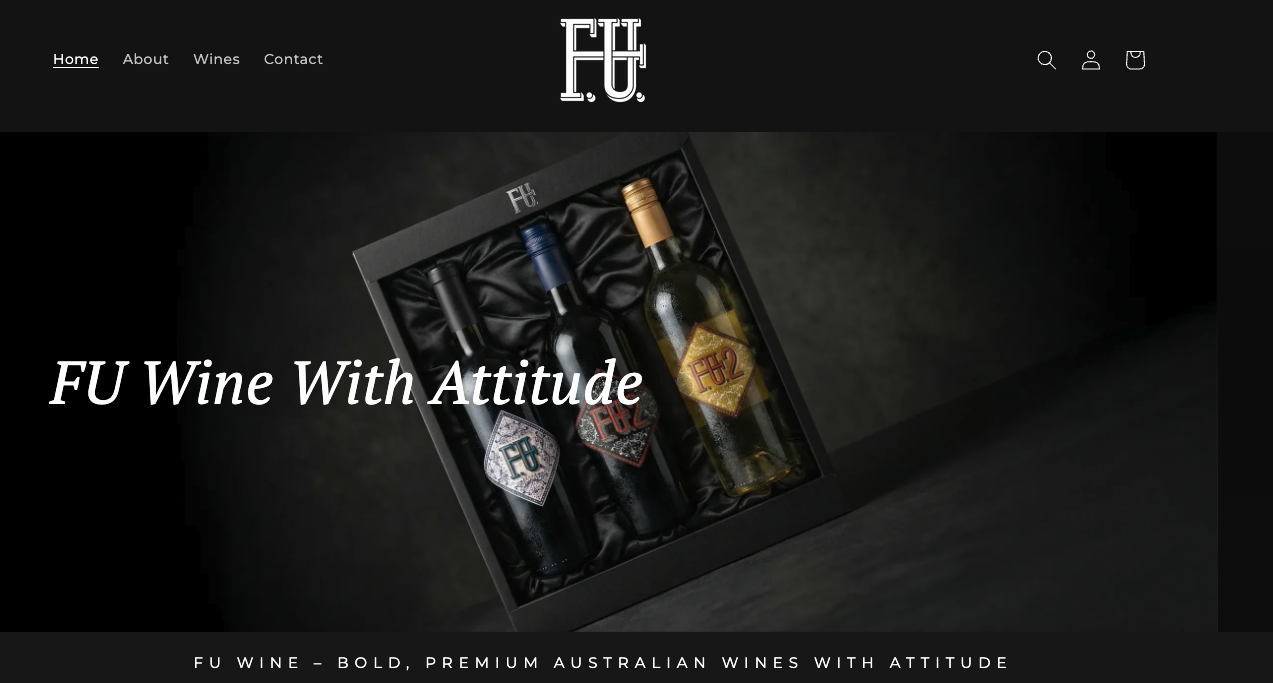
That means your top-tier clients get a bottle they can’t just walk into a bottle shop and buy, without you paying insider prices to source it. Whether you’re stocking an entry tier for volume or hunting a standout bottle for a milestone client, FU Wine’s rotating catalogue gives you real options for curated corporate gift ideas across every price point. Check the current catalogue at Fuwine and build your first tiered order before your next client milestone hits.
Sources
- Corporate Gifting Isn’t Just for the Holidays: How Wineries Can Build a Year‑Round Revenue Channel
- How to run a successful wine gifting program
- Our Gift Program — Allago Wines
FAQ
How much should a corporate wine gift cost per recipient? Costs vary by tier, but most programs set an entry price for volume gifting, a mid‑range price for regular clients, and a premium price reserved for milestone or VIP recipients. Fix these three brackets rather than quoting each order individually.
How far in advance should we order for holiday gifting? Lock in stock and packaging eight to ten weeks before peak periods. Standard shipping typically needs five to seven business days; holiday peak windows often stretch past ten.
Can a wine gifting program run outside the holiday season? Yes. The strongest programs are built around client anniversaries, onboarding, deal closings and financial year milestones so orders spread across the calendar instead of clustering in December.
What’s the difference between a wine gift and a wine gift membership? A one‑off gift is a single package tied to an occasion. A gift membership provides recurring shipments over a set period, making it a strong premium‑tier option for top clients you want to stay top‑of‑mind with all year.
Do we need age verification for corporate wine shipments? Yes. Age verification at delivery is required, and shipping rules differ by state and territory, so confirm your carrier’s terms before scaling order volume.