

Building a weekend wine ritual for premium collectors
TL;DR:
- Creating a weekend wine ritual involves using sensory cues, a chosen bottle, and simple food to signal your brain to relax. It enhances enjoyment and rest by turning slow tasting into a deliberate and mindful experience. Consistent framing, mood-specific wine choices, and dedicated storage make the ritual sustainable and meaningful.
A weekend wine ritual is a short, repeatable sequence that signals your brain to stop working and start living. Tonight’s version takes four things: a sensory cue, one chosen bottle, a simple food pairing, and a proper glass. That’s it.
Start tonight in four steps:
- Dim the lights or light a candle (your sensory anchor)
- Pull one bottle you’ve been meaning to open
- Put together something simple to eat alongside it
- Use the same glass every time to build the habit
You don’t need a sommelier certificate. You need intention and a few repeatable cues — and the willingness to actually stop and pour.
Table of Contents
- Why does a weekend wine ritual improve rest and enjoyment?
- What are the core elements every weekend wine ritual needs?
- How do you pair wine for different weekend moods?
- How do you set up the ritual this weekend, step by step?
- How do you keep premium bottles always ready in Australia?
- Three ready-made weekend rituals you can copy
- How do you personalise the ritual so it stays meaningful?
- Key takeaways
- Why rituals matter more than most wine advice admits
- FU Wine: premium bottles built for your ritual rotation
Why does a weekend wine ritual improve rest and enjoyment?
Your nervous system doesn’t switch off automatically when Friday arrives. It needs a signal. A deliberate transition from work to rest — something short and sensory — materially helps recovery. A walk, a candle, a device pause. Wine, done intentionally, fits that role perfectly.
A restorative weekend depends on a deliberate transition from work to rest. Short transition acts — a walk, a candle, a device pause — help the nervous system downshift and begin genuine recovery.
When you slow down to smell, swirl, and actually taste a glass, you’re not just drinking. You’re practising presence. That’s where the enjoyment compounds: slower tasting builds greater appreciation, and greater appreciation makes the bottle worth every cent you spent on it.
What are the core elements every weekend wine ritual needs?
Sensory cues speed the mental transition from work to weekend and make rituals repeatable. Here’s what to set up:
- Lighting: Dim or warm. Overhead fluorescents kill the mood faster than a corked bottle.
- Playlist: Something consistent. The same playlist each week becomes a Pavlovian trigger.
- Glassware: One dedicated glass, used every time. Your brain learns the association.
- Scent: A candle or fresh air. Scent is the fastest route to a shifted headspace.
For the bottle itself, keep a small rotation of three to five wines you’re genuinely excited about. One goes on the table each weekend. For food, the rule is simple: one curated bottle, one simple pairing, one tidy space — that three-part formula is what makes the ritual sustainable rather than a project.
On serving: decant reds for at least 20–30 minutes. Whites and sparkling go straight to the fridge an hour before. Use a proper wine tasting process — look, swirl, smell, then taste. It takes 90 seconds and transforms the experience.
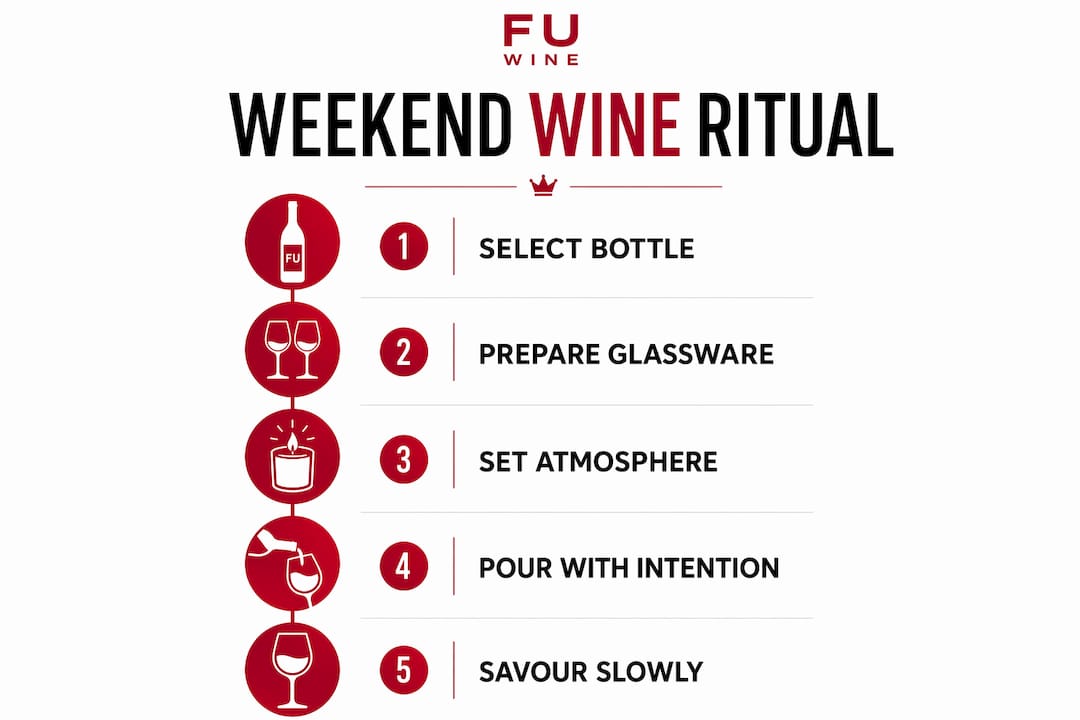
Pro Tip: Name your ritual. “Saturday Slow Sip” or “Friday Pour” sounds silly until it becomes the thing you actually look forward to all week. A named ritual commits to memory faster than an unnamed one.
How do you pair wine for different weekend moods?
Two modes cover most weekend moments. Casual is snackable and social — you’re grazing, chatting, or watching something. Slow-paced is dinner, contemplation, or a long afternoon on the deck. The wine style follows the mood, not the other way around.
For casual moments, lean lighter: a Tasmanian sparkling, a cool-climate pinot gris, or a crisp rosé. These wines reward sipping without demanding your full attention. For slow-paced moments, reach for something with more presence — a Hunter Valley semillon with age on it, a Barossa shiraz, or a Margaret River cabernet that’s had time to open up.
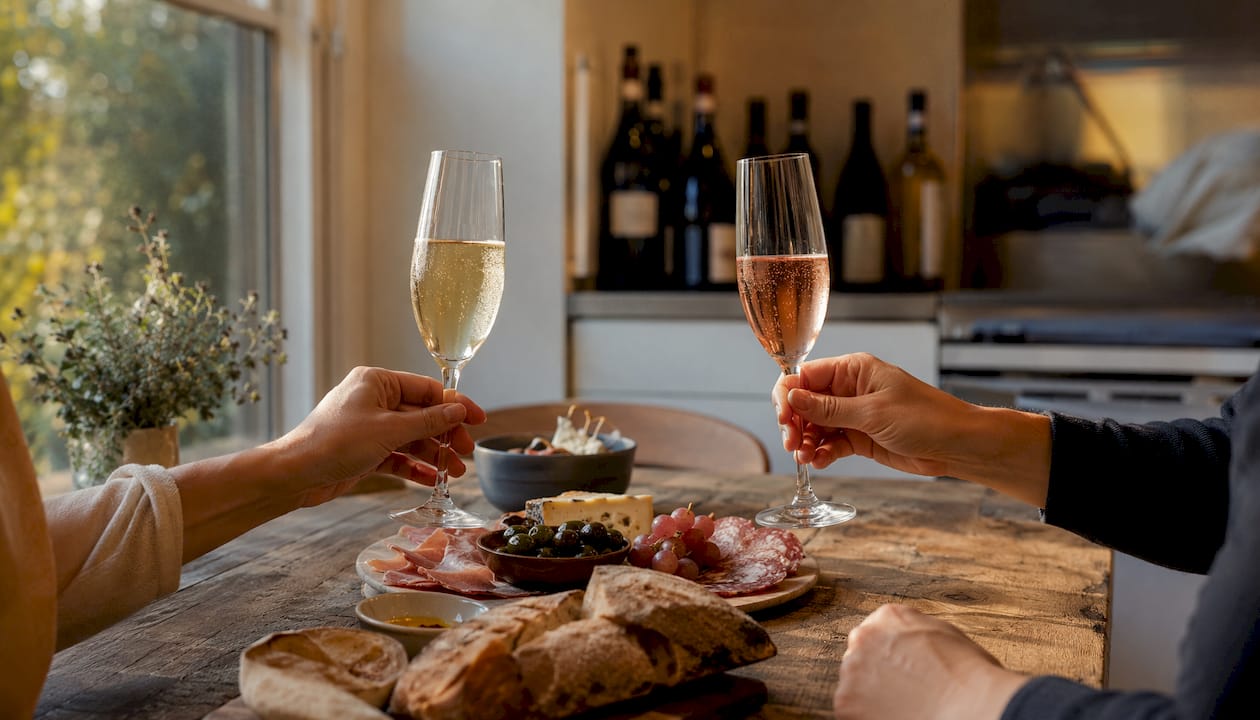
Wines with a clear sense of place deepen the ritual. Traditional winemaking practices and minimal-intervention styles carry a story you can actually taste, which suits the reflective pace of a weekend pour.
| Weekend moment | Wine style | Example pairing |
|---|---|---|
| Casual / social | Tasmanian sparkling or rosé | Charcuterie, soft cheese, olives |
| Slow afternoon | Cool-climate pinot noir | Mushroom risotto, roasted chicken |
| Long dinner | Barossa shiraz or Margaret River cab | Slow-cooked lamb, aged cheddar |
| Contemplative Sunday | Aged Hunter Valley semillon | Oysters, grilled fish, or solo |
For white wine pairings in more detail, the white wine pairing guide covers Australian styles specifically.
How do you set up the ritual this weekend, step by step?
Friday evening (15–30 minutes):
- Choose your bottle and move it to the right temperature zone — fridge for whites, bench for reds.
- Set your sensory anchors: playlist on, lighting adjusted, glass out.
- Prep one simple thing to eat. This is not a cooking project.
- Pour. Sit. Don’t check your phone for 20 minutes.
Saturday or Sunday (30–90 minutes):
- Pull the bottle you’ve been saving for a slower moment.
- Decant reds 20–30 minutes before you plan to drink. Whites: 45 minutes in the fridge.
- Set the table or the tray — wherever you’re sitting, make it deliberate.
- Taste slowly. Refill once. Let the bottle breathe between pours.
Cost in AUD, roughly: An everyday-splurge bottle sits around $30–$60. A premium bottle for a special Saturday runs $80–$150. A collectible or cellar-aged pour for a slow-sip Sunday can go $150 and well beyond, though FU Wine’s flash deals regularly bring those prices down by 30–70%.
Serving temperatures matter more than most people realise. Light whites are best served cool. Fuller whites and rosé slightly warmer. Light reds at a moderate coolness. Full reds warmer still. Sparkling wines are best served chilled.
How do you keep premium bottles always ready in Australia?
A wine fridge makes premium bottles always ready without touching your main cellar. Keep a small rotation of several bottles in a temperature-controlled unit — these are your “ready” bottles, separate from investment stock you’re not opening yet.
Consistent moderate temperatures and stable humidity protect premium and cellar-aged bottles. Fluctuations are the enemy. A small countertop wine fridge is an affordable solution that can prevent spoilage of expensive bottles.
For opened bottles over a weekend: use a vacuum pump or inert gas preserver, keep the bottle upright in the fridge, and aim to finish it within a few days. Bold reds last longer than delicate whites or sparklings, which are best consumed quickly.
For identifying quality wine before you open it, check the fill level, inspect the cork condition, and note the vintage against known drinking windows.
Pro Tip: When buying online, pick one bottle for immediate enjoyment and one for cellaring. It keeps the ritual fed without burning through your investment stock.
Three ready-made weekend rituals you can copy
Summer ritual
- Setting: Outdoors, late afternoon, golden hour
- Bottle: Tasmanian sparkling or cool-climate rosé, served at 6–8°C
- Food: Antipasto plate — nothing that needs cooking
- Timing: 45 minutes, no agenda
- Serving tip: Keep the bottle in an ice bucket. Refill freely.
Winter ritual
- Setting: Indoors, candlelit, slow pace
- Bottle: Barossa shiraz or a structured Margaret River cab, decanted 30 minutes
- Food: A small warm plate — braised lentils, a cheese board with quince paste
- Timing: 60–90 minutes, unhurried
- Serving tip: Warm the glass briefly in your hands before the first pour.
Slow-sip Sunday
- Setting: Wherever you feel most yourself — armchair, kitchen table, garden
- Bottle: Something from your cellar rotation worth exploring: an aged semillon, a niche or minimal-intervention wine, or a high-scoring vintage you’ve been sitting on
- Food: Whatever’s easy. The wine is the point.
- Timing: Open-ended. Take notes. Sit with it.
- Serving tip: Pour a small amount first, let it open, then pour properly after 10 minutes.
How do you personalise the ritual so it stays meaningful?
The ritual sticks when it feels like yours. Start by naming it — even something private. Then rotate one anchor each season: swap the playlist in autumn, move outdoors in spring, change the candle scent in winter. Small shifts keep it fresh without rebuilding from scratch.
Keep a simple one-page log: bottle name, vintage, what you ate, how it tasted, and one word for how you felt. Over six months, patterns emerge. You’ll know which styles suit your Friday mood versus your Sunday pace. That’s how personal wine preferences actually develop — not from reading tasting notes, but from paying attention to your own.
Inviting others works well when you give them a role. Ask someone to choose the music or bring the food. Keep the bottle selection yours — that’s the one decision that preserves the ritual’s character. For a more structured social version, the guide to hosting wine tastings at home covers the format without overcomplicating it.
Key takeaways
Building a weekend wine ritual works because it combines a deliberate sensory transition with one curated bottle and one simple pairing, repeated consistently until the habit holds.
| Point | Details |
|---|---|
| Start with four anchors | Lighting, playlist, glassware, and scent signal the shift from work to rest. |
| Use the three-part formula | One bottle, one pairing, one tidy space — sustainability beats complexity every time. |
| Match wine to mood | Light sparkling or rosé for casual moments; shiraz or aged semillon for slow Sundays. |
| Keep a ready rotation | Four to six bottles in a wine fridge means you’re always one decision away from a great pour. |
| FU Wine makes it easy | Flash deals on cellar-aged and limited-release bottles mean your ritual rotation stays premium without the retail markup. |
Pick one bottle tonight and pour it with intention. That’s the whole ritual, right there.
Why rituals matter more than most wine advice admits
The wine industry loves to make things complicated. Scores, appellations, vintage charts, decanting windows measured to the minute. Most of it is noise. What actually changes the experience is the context you create around the glass, not the glass itself.
The ritual psychology here is straightforward: repeated sensory cues teach your brain to shift modes on command. The same glass, the same playlist, the same Friday light — over time, these become a psychological transition your nervous system recognises and responds to. You don’t need a $300 bottle for that. You need consistency.
What collectors often miss is that their best bottles deserve better context, not just better storage. A cellar-aged shiraz opened on a Tuesday in front of a laptop is a waste. The same bottle on a slow Saturday, with 30 minutes of decanting and something warm on the table, is an event. The ritual is what makes the bottle worth what you paid for it.
FU Wine: premium bottles built for your ritual rotation
FU Wine sources cellar-aged, limited-release, and high-scoring vintages through direct relationships and opportunistic buying, then passes the savings straight to you — often 30–70% below traditional retail. That’s not a clearance model. It’s insider access without the insider price tag.
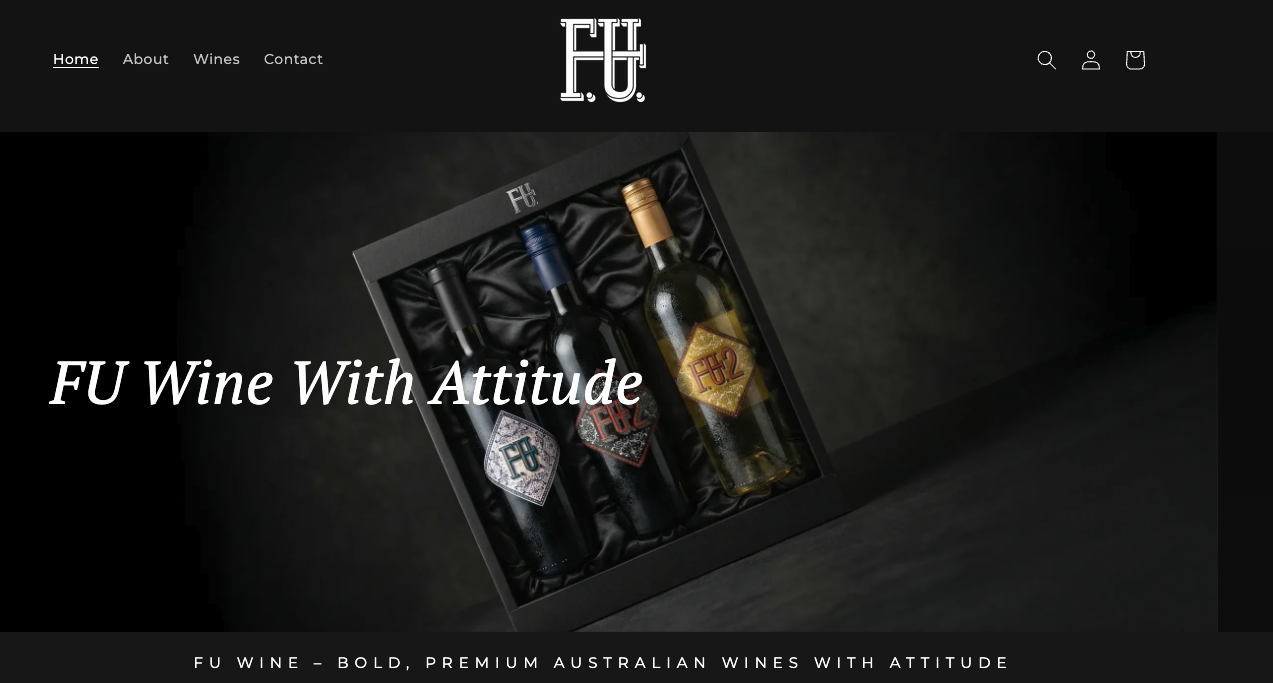
The rotating flash deals mean your ritual rotation stays genuinely premium without locking you into a subscription or paying full retail for every bottle. Browse by style, region, or occasion and you’ll find bottles suited to every weekend mode — from a crisp Tasmanian sparkling for a summer Friday to a structured Barossa red for a slow-sip Sunday.
Head to the FU Wine wines collection and pick one bottle for tonight and one for the cellar. That’s the ritual, started.