

Building a wine pairing tasting menu experience
TL;DR:
- Building a wine pairing tasting menu relies on the 60-40 flavor rule and requires three months of planning. Testing with internal teams and trusted guests helps refine pairings before the public launch, ensuring consistency and satisfaction. Effective staff training using five-word descriptions and short scripts enhances guest experience and boosts sales.
A wine pairing tasting menu experience is defined as a structured sequence of dishes, each matched to a specific wine, designed to create a cumulative flavour story across a meal. The industry term for this format is a “degustation with matched wines,” and it sits at the heart of gourmet wine pairings dining worldwide. Building one well takes planning, palate, and a genuine understanding of how flavour works. Get it right and your guests remember every course. Get it wrong and they remember the awkward silence when the Shiraz fought the seafood.
What does building a wine pairing tasting menu experience actually require?
The foundation of any great wine pairing tasting menu is the 60-40 flavour rule. Wine contributes 60% of the flavour impact; food contributes 40%. That ratio keeps the wine leading the experience without the food disappearing into the background. It sounds simple, but most amateur menus get this backwards, drowning the wine with heavy sauces or bold spices.
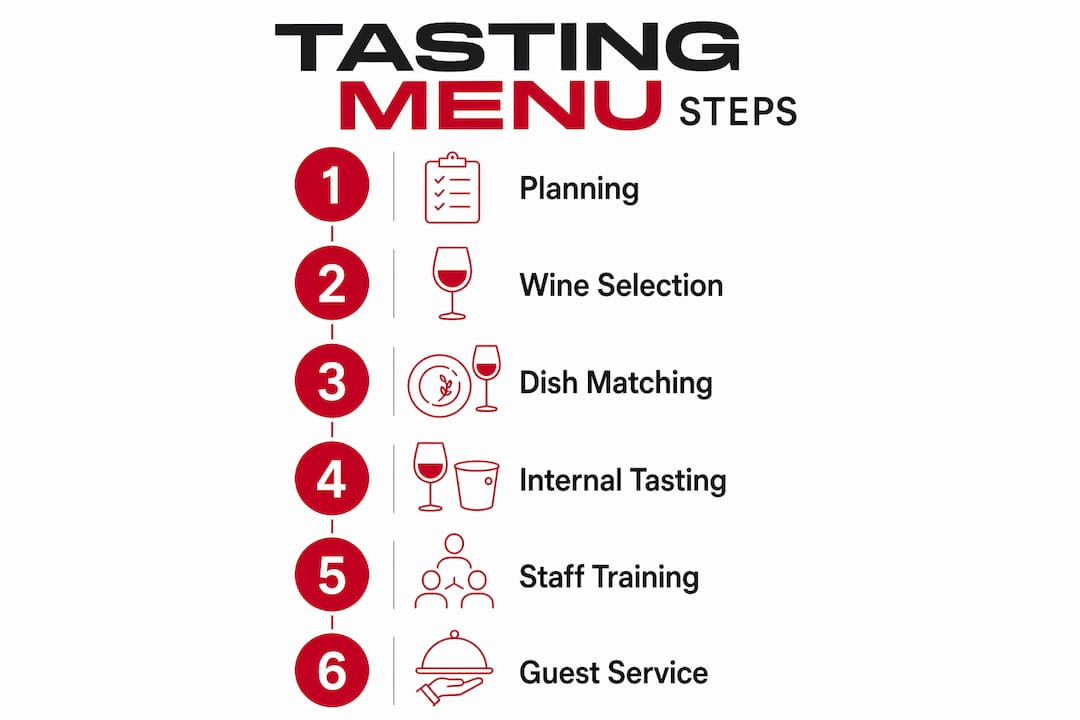
Before you touch a single bottle, you need a timeline. Start planning 3 months ahead of your peak season, whether that is a summer dinner party, a restaurant launch, or a corporate event. Three months gives you room to source wines, run tastings, adjust pairings, and train anyone helping you serve. Rushing this process is the single most common reason a pairing menu falls flat.
The tools you need are straightforward:
- A dedicated tasting space with neutral lighting and no competing aromas
- Scorecards for each pairing (rate aroma, flavour harmony, finish, and overall impression)
- A seasonal ingredient calendar so your dishes and wines reflect what is fresh and available
- A shortlist of wine styles grouped by weight, acidity, and tannin structure
Pro Tip: Schedule your tasting sessions in the late morning when palates are fresh and energy is high. Afternoon tastings after lunch lead to palate fatigue, which produces flawed pairing decisions that guests will notice even if they cannot name why.
How do you select and test wines and dishes for a cohesive menu?
Selecting wines for a tasting menu works best when you group wines by style first, then match to dish weight. Light, high-acid whites like Riesling or Vermentino suit delicate starters. Medium-bodied reds like Pinot Noir carry through to earthy mains. Full-bodied reds and fortified wines anchor dessert courses. This category approach stops you from getting lost in the thousands of individual labels available and keeps your menu coherent from first pour to last.
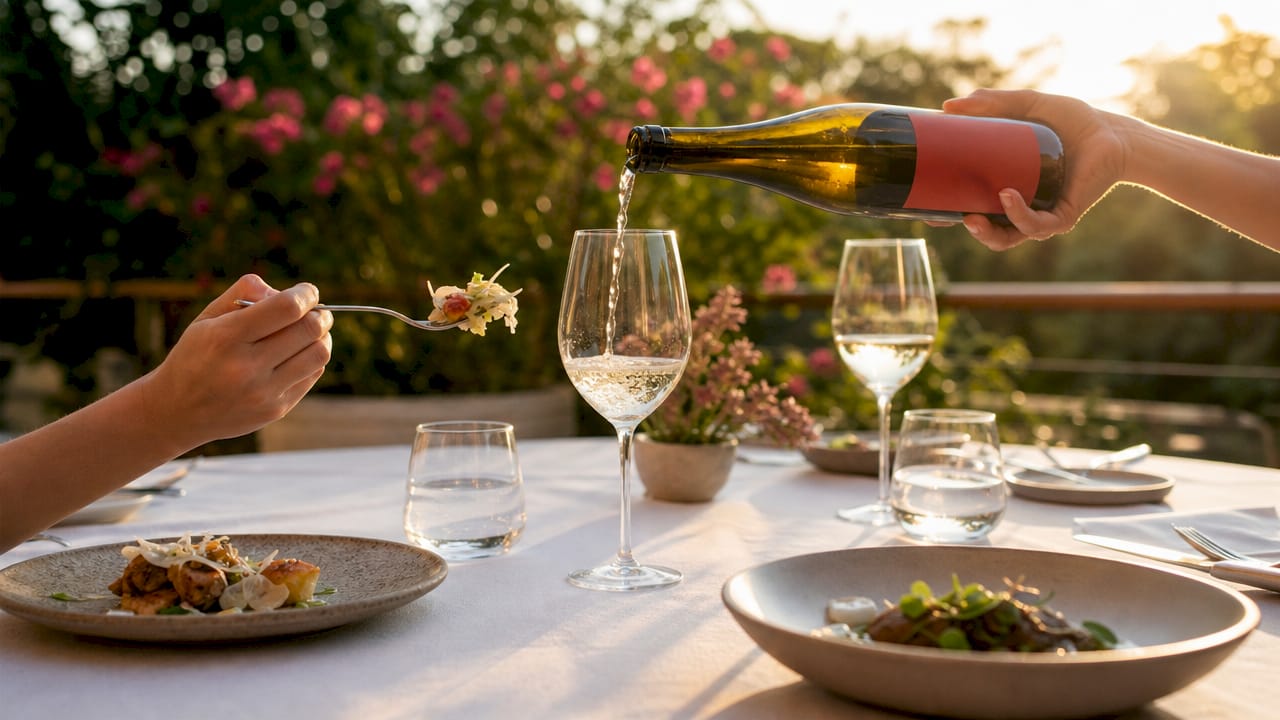
Once you have a working shortlist, run an internal tasting with your kitchen and front-of-house teams. This step is non-negotiable. Your kitchen team will catch flavour conflicts you miss at the desk, and your service team will flag wines that are difficult to describe or pour confidently. Document every pairing with tasting notes that capture aroma, texture, and the specific moment the wine and food interact on the palate.
The next step is a pilot session. Run a test with 12–15 trusted guests before any public launch. These guests give you reliable attach-rate data, meaning you learn which pairings guests actually order versus which ones they skip. That data is worth more than any expert opinion.
A simple feedback structure for your pilot session:
- Ask guests to rate each pairing from 1–5 on flavour harmony
- Record which wines guests finish versus leave in the glass
- Note any pairing where guests ask questions or look confused
- Track which courses generate the most conversation
- Adjust any pairing that scores below 3.5 on average harmony before your public launch
Seasonal variation matters too. A Chardonnay that sings alongside a spring asparagus dish may feel heavy against the same dish in summer when the asparagus is more bitter. Revisit your pairings at each seasonal change and treat the menu as a living document, not a fixed product.
| Pairing stage | Key action | What to measure |
|---|---|---|
| Internal tasting | Kitchen and service team review | Flavour conflicts, pour confidence |
| Pilot session | 12–15 trusted guests | Attach rate, harmony scores |
| Seasonal review | Adjust for ingredient changes | Guest feedback, finish rates |
| Public launch | Full service with trained staff | Sales data, return bookings |
What strategies make wine menu design and pricing work harder?
Menu design is where most people leave money on the table. Simple one-line pairing suggestions drive higher wine sales than jargon-heavy descriptions. A line like “bright citrus, lifts the crab” tells a guest everything they need to know in under two seconds. A paragraph about malolactic fermentation tells them nothing useful and slows the ordering process.
Pricing strategy is equally direct. Anchor pricing works by positioning your highest-margin bottle as the second-most-expensive option on the list. Guests instinctively avoid the cheapest and most expensive options, landing on the second tier. Place your best-margin wine there and your revenue per cover rises without any hard selling. For a deeper look at how wine pricing actually works, the wine markups explainer from FU Wine breaks down exactly what you are paying for at each price point.
For creating wine pairing events with a premium feel, consider these design principles:
- Use flight progressions: move from light to bold, dry to sweet, young to aged
- Offer a paired and unpaired price so guests can choose their level of engagement
- Update digital menus seasonally without reprinting; printed menus carry authority but cost flexibility
- Add a one-sentence winemaker story beside each bottle to create a human connection
Pro Tip: Hosting a visiting winemaker or sommelier at your event drives guest loyalty and return visits far more effectively than any printed description. One conversation with the person who made the wine is worth ten paragraphs of tasting notes.
Exclusive wine pairing events typically range from $95 to over $395 per person depending on the number of courses and exclusivity of the wines. Reservations are standard at this price point. Knowing this range helps you price your own events with confidence rather than guessing.
How do you train staff to deliver a great wine pairing service?
Staff confidence is the difference between a pairing menu that sells and one that sits ignored on the back page. The 5-word method trains your team to describe each wine using five simple sensory words. For a Barossa Shiraz, that might be: dark, spicy, full, warm, long. Five words. Every server can remember five words, and those five words give guests a vivid picture without a single piece of jargon.
Pair the 5-word method with a short pairing script. 10–12 second server scripts improve upselling and guest comfort without making the service feel rehearsed. A script like “The Grenache here is bright and earthy. It lifts the lamb beautifully” takes about eight seconds and closes the sale. Anything longer and you lose the guest mid-sentence.
Key principles for staff training sessions:
- Hold tastings in the late morning when palates are fresh
- Rotate wines so staff build familiarity across the full list, not just their favourites
- Practise pairing scripts in pairs so staff hear how the language sounds out loud
- Teach staff to answer “I’m not sure, but I’ll find out” rather than bluffing
Handling guest questions well is a skill on its own. Guests at a tasting menu event are curious and engaged. Encourage your team to treat questions as an invitation to share enthusiasm, not a test to pass. Genuine excitement about a wine is more persuasive than technical accuracy. For a broader look at wine selection for hospitality, FU Wine’s five-step guide covers the full process from sourcing to service.
Key takeaways
Building a great wine pairing tasting menu requires the 60-40 flavour rule, a three-month planning window, pilot testing with real guests, and staff trained to describe wines in five words.
| Point | Details |
|---|---|
| Start with the 60-40 rule | Wine leads flavour at 60%; food supports at 40% to keep the experience balanced. |
| Plan three months out | Begin development well before peak season to allow time for tasting, feedback, and adjustment. |
| Run a pilot with 12–15 guests | Collect attach-rate data and harmony scores before any public launch to catch weak pairings. |
| Use anchor pricing | Place your highest-margin bottle second on the list to lift revenue without hard selling. |
| Train staff with five words | Give each server five sensory descriptors per wine and a 10–12 second pairing script. |
What I have learned from building tasting menus the hard way
The biggest mistake I see people make is treating the menu as the finished product. It is not. The menu is a hypothesis. Every service is a test. The guests who push their glass aside after one sip are giving you data, and that data is worth more than any scorecard.
The second thing I have learned is that palate fatigue ruins more tasting sessions than bad wine does. I have sat through afternoon tastings where the team approved pairings that tasted completely different the next morning. Schedule your sessions in the late morning and protect that time fiercely. A tired palate makes expensive mistakes.
Storytelling matters more than most people admit. A Yarra Valley Pinot Noir becomes a completely different experience when the server mentions the winemaker hand-sorted every bunch after a frost. The wine does not change. The guest’s perception of it does. That is the real power of a well-built tasting menu. It is not just about flavour. It is about memory.
Start small. Four courses. Four wines. Nail the balance, the notes, and the service before you add complexity. I have seen elaborate ten-course menus collapse under their own weight because the team was not ready. A tight four-course menu delivered with confidence beats a sprawling ten-course menu delivered with hesitation every single time.
— Damien
Premium wines worth building your next pairing menu around
FU Wine exists precisely for moments like this. You have done the planning, you know your pairings, and now you need bottles that actually deliver without the usual retail markup eating your budget.
FU Wine sources premium and hard-to-find wines, including limited releases, boutique producer runs, and high-scoring vintages, at prices typically 30–70% below traditional retail. Whether you are building a four-course dinner for friends or designing a full tasting programme for a venue, the FU Wine collection gives you access to bottles that punch well above their price point. Every bottle is a small rebellion against the idea that quality has to cost a fortune. Browse the range and find your next pairing.
FAQ
What is a wine pairing tasting menu?
A wine pairing tasting menu is a structured sequence of dishes, each matched to a specific wine, designed to build a cumulative flavour experience across multiple courses. The industry term for this format is a degustation with matched wines.
How far in advance should I plan a wine pairing menu?
Start planning 3 months ahead of your target date to allow time for sourcing wines, running tastings, gathering feedback, and training staff.
How many guests do I need for a pilot tasting session?
12–15 trusted guests is the recommended number for a pilot session. That group is large enough to generate reliable attach-rate and harmony data without becoming unmanageable.
What is the 60-40 rule in wine pairing?
The 60-40 rule means wine contributes 60% of the flavour experience and food contributes 40%, keeping the wine as the lead element without overpowering the dish.
How should staff describe wines to guests?
The 5-word method gives each server five simple sensory descriptors per wine. Pair that with a 10–12 second pairing script and your team can recommend confidently without relying on jargon.