

Aspirational wine: quality, value, and discovery in 2026
TL;DR:
- Modern aspirational wine drinking emphasizes experience, quality, and personal enjoyment over prestige labels.
- Effective value wines typically cost between $40 and $80, balancing quality and affordability.
- Personal connection and discovery are central, with the focus on finding your own “North Star” wines.
Aspirational wine drinking has a reputation problem. For too long, it’s been tangled up with prestige labels, eye-watering price tags, and the quiet anxiety of ordering ‘wrong’ at a restaurant. But something’s shifting. Today’s wine lovers, the ones who actually know their stuff, are redefining what it means to drink aspirationally. It’s less about impressing someone across the table and more about the thrill of cracking open a bottle that genuinely moves you. Quality. Discovery. Repeatable pleasure. That’s the new currency. And honestly? It’s a much better way to drink.
Table of Contents
- What does aspirational wine drinking mean today?
- Balancing price, quality, and value in aspirational drinking
- North Star wines: repeatable pleasure versus prestige
- How to pursue aspirational wine drinking: practical tips
- Why the real aspiration is personal connection, not prestige
- Find your next aspirational wine with FU Wine
- Frequently asked questions
Key Takeaways
| Point | Details |
|---|---|
| Aspirational redefined | Modern aspirational wine drinking is about quality, discovery and personal meaning over prestige. |
| Value over price | Enjoyment comes from wines offering true value, not just high price tags. |
| Discover your North Star | Focus on repeatable pleasure and curiosity by seeking wines that inspire you personally. |
| Practical pursuit | Applying practical tools and tips helps you find exceptional wines at all price points. |
What does aspirational wine drinking mean today?
The word ‘aspirational’ used to do a lot of heavy lifting in wine circles. It meant Barolo. It meant Burgundy Grand Cru. It meant a price point that made your eyes water and a label that whispered old money. But that version of aspiration? It’s getting a quiet retirement.
Modern wine enthusiasts are less interested in buying status and far more interested in buying experience. The question has shifted from “what’s prestigious?” to “what’s genuinely excellent and worth my time and money?” That’s a meaningful distinction.
“Traditional benchmarks like Barolo are admired but increasingly inaccessible. There’s a shift to ‘living wines’ with real presence and approachability, wines that fit into a modern, curious drinking life.”
This shift tracks with broader premium wine trends that show consumers prioritising authentic discovery over brand cachet. People want to feel something when they drink a bottle, not just feel like they’ve ticked a box.
So what does aspirational actually look like now? A few things:
- A wine that stops you mid-sip because it’s just that good
- A bottle from a region you’d never considered before that rewrites your expectations
- A discovery that becomes your go-to, the one you recommend to everyone
- A special-occasion pour that feels genuinely earned, not just expensive
The magic is that aspirational wines don’t have to cost a fortune. Understanding what makes wine desirable has more to do with provenance, craft, and character than retail price. The label on the bottle doesn’t pour the wine. The winemaker does.
Aspiration, done right, is about the experience you walk away with. The story you tell. The pleasure that lingers. That’s worth chasing.
Balancing price, quality, and value in aspirational drinking
Here’s a truth the wine industry doesn’t always advertise: a hefty price tag doesn’t guarantee a better wine. What it often guarantees is a better marketing budget. Smart drinkers know this, and they’re hunting the sweet spot where genuine quality meets real value.
Research consistently shows that wines in the mid-to-upper price tier deliver better economics, putting more of your spend into the actual wine rather than packaging and brand overhead. Regions like Portugal and Spain regularly punch well above their weight, offering complexity and depth at prices that feel almost unfair.
Here’s a quick look at how different price bands stack up for aspirational drinking:
| Price range (AUD) | What you’re typically getting | Aspirational value |
|---|---|---|
| Under $20 | Entry-level, everyday drinking | Low |
| $20 to $40 | Good regional character, solid quality | Moderate to High |
| $40 to $80 | Genuine complexity, standout producers | High |
| $80 to $150 | Collector territory, limited releases | Very High (if curated) |
| $150+ | Prestige, speculation, bragging rights | Variable |
The sweet spot for most enthusiasts sits firmly in that $40 to $80 band. Enough skin in the game to signal quality, but not so much that you’re paying for mythology.
How do you actually identify a true value wine? Try this:
- Start with the producer, not the label. Small, independent producers often make extraordinary wines without the marketing overhead.
- Look at lesser-known appellations within famous regions. Think a Langhe Nebbiolo instead of Barolo.
- Check critical scores against price. A 92-point wine at $45 beats a 94-point wine at $120 for value every time.
- Trust your palate in blind tastings. Remove the label and see what you actually enjoy.
- Learn to spot a wine value buy by comparing similar varietals across regions.
Pro Tip: When understanding wine scores, don’t just chase the number. A 91-point wine from an under-the-radar region often delivers more excitement per dollar than a 95-point icon wine. Explore determining wine value across different styles to sharpen your instincts.
Value and aspiration aren’t opposites. They’re partners. The best wine moments often come from bottles that cost less than you’d expect.
North Star wines: repeatable pleasure versus prestige
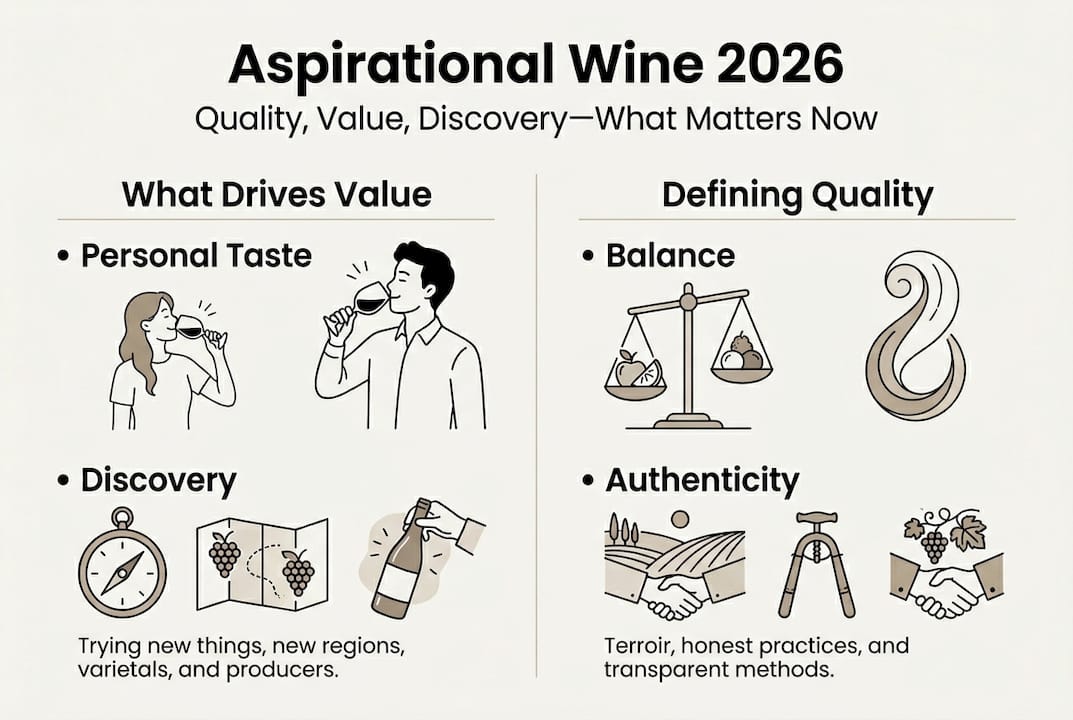
Here’s a concept worth stealing: the ‘North Star’ wine. It’s not the most expensive bottle you’ve ever had. It’s the one you keep coming back to. The one that consistently delivers and quietly raises your standard for everything else.
A North Star wine is personal. It’s the bottle that genuinely reflects your taste, not someone else’s idea of what good wine should be. It might be a Grenache from McLaren Vale, a textured white from Burgundy, or a bold Tempranillo from Rioja. What matters is that it excites you every time.

As repeatable ‘North Star’ wines build fluency and genuine curiosity, wellness and moderation trends are also pushing people toward fewer but more meaningful drinking occasions. You’re buying less, but you’re buying better. That’s a smart trade.
Here’s how old prestige benchmarks compare to the modern North Star approach:
| Old prestige benchmark | Modern North Star wine |
|---|---|
| Status-driven | Enjoyment-driven |
| Rarely affordable | Regularly accessible |
| Defined by critics | Defined by your palate |
| Static and reverent | Dynamic and curious |
| Bought to impress | Bought to savour |
Pro Tip: Rotate between cellar-aged wines for special occasions and approachable quality bottles for regular discovery. This balance builds genuine wine knowledge faster than any book.
The beauty of North Star wines is that they evolve as you do. What lights you up at 35 might be totally different at 45. And that’s the point. A wine journey isn’t a destination, it’s an ongoing, delicious conversation. Finding accessible quality wines that you genuinely love is the real flex, not owning a bottle everyone’s heard of.
How to pursue aspirational wine drinking: practical tips
Knowing what aspirational wine drinking means is one thing. Actually building that experience is another. Here’s how to make it real.
Research shows that luxury Napa wines costing $50 to $100 are purchased by 56 to 68 percent of enthusiasts just once or twice a year. That’s intentional. The rest of the time, savvy drinkers focus on accessible North Star bottles that deliver consistent pleasure and keep the adventure alive.
Here’s a practical framework to build your own aspirational wine life:
- Set a monthly wine budget and split it: 70 percent on quality everyday discoveries, 30 percent on one genuinely special bottle.
- Keep a simple tasting note on your phone. Just a few words per bottle. Over time, patterns emerge and your palate sharpens.
- Explore one new region per quarter. Commit to a short run of bottles from somewhere unfamiliar.
- Buy in small parcels. Three to six bottles of a wine you love beats one trophy bottle gathering dust.
- Understanding wine vintages helps you pick up exceptional years at fair prices before the market catches on.
A few things worth keeping on your radar:
- Follow small, independent importers. They often have access to wines big retailers never stock.
- Don’t sleep on Australian boutique producers. Some of the country’s most exciting wines come from tiny operations with zero marketing budget.
- Join a wine group or tasting circle. Shared bottles mean shared costs and dramatically expanded exposure.
- Flash deal sites and disruptive retailers often surface genuinely rare bottles at prices that make no sense. In the best possible way.
The goal isn’t to accumulate a cellar of trophies. It’s to keep the experience alive. Every new bottle is a small adventure. Every great find is a quiet victory. That energy is what makes aspirational wine drinking genuinely fun.
Why the real aspiration is personal connection, not prestige
Let’s be honest about something. Prestige is borrowed. A famous label gives you someone else’s story to tell. But a wine that genuinely moved you? That’s yours.
The most meaningful wine moments don’t happen at formal tastings with a Michelin-starred backdrop. They happen when you open something unexpected and it just clicks. When a friend takes one sip and immediately asks what it is. When a region you’d written off suddenly reveals something extraordinary.
Chasing shifting wine aspirations built around personal connection and authentic discovery delivers a kind of satisfaction that no trophy bottle can replicate. Status wines are fine. We’re not going to pretend they’re not. But building your palate, finding your North Star wines, and sharing those discoveries with people you actually like? That’s the real aspiration.
Don’t collect labels. Collect moments. Drink what thrills you. And be unapologetically curious about what’s next.
Find your next aspirational wine with FU Wine
If this has you itching to find your next great bottle, you’re in the right place. FU Wine exists precisely for this kind of drinker: someone who wants genuine quality, not inflated price tags and stuffy gatekeeping.
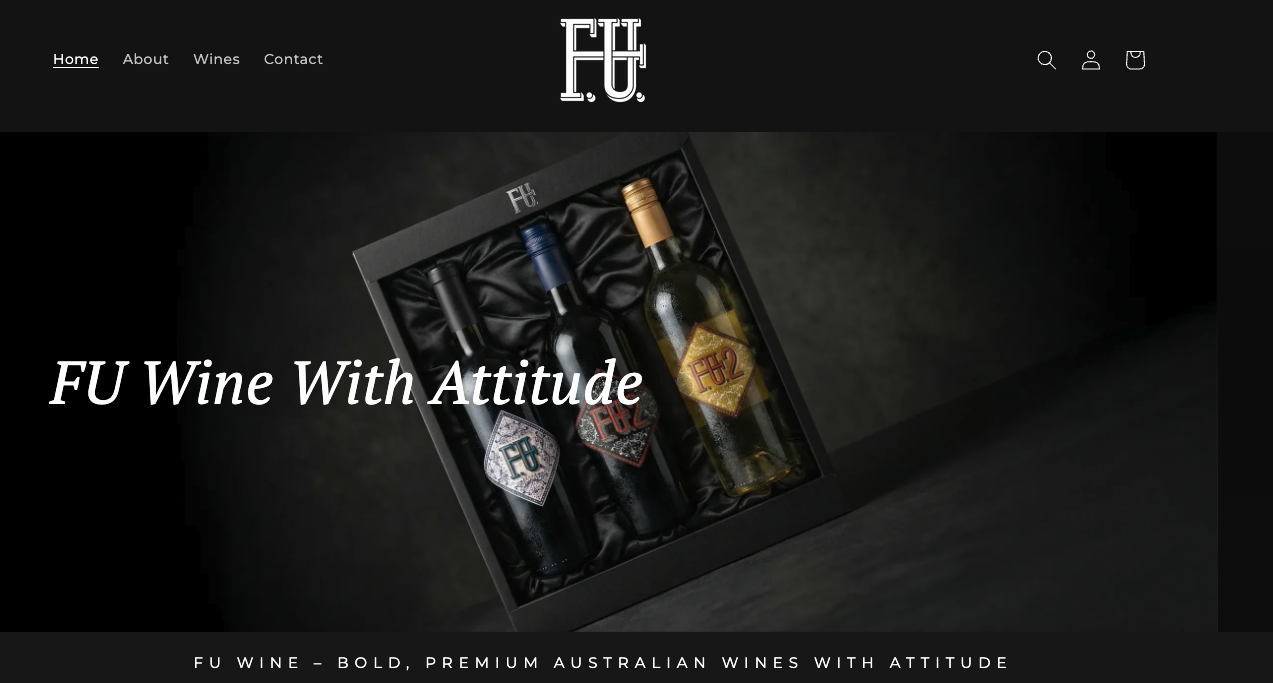
Every bottle in the FU Wine range is sourced for exactly the reasons that matter: real quality, scarcity, and value that makes you feel like an insider. Limited releases. Cellar clearances. Boutique producers who’d otherwise fly under your radar. This is the treasure hunt version of wine shopping, and it’s genuinely fun. Discover FU Wine and start building a collection that actually reflects who you are as a drinker, not who someone else thinks you should be.
Frequently asked questions
What makes a wine ‘aspirational’?
An aspirational wine delivers standout quality, genuine personal enjoyment, and a sense of discovery. It’s not defined by price or a famous label, but by the experience it creates and how it makes you feel.
How much should I spend on an aspirational bottle?
Many enthusiasts find real value between $40 and $80 AUD, where wines at higher price points put more of your spend into the actual wine rather than branding and packaging.
Are lesser-known regions good sources of aspirational wines?
Absolutely. Places like Portugal and Spain offer excellent quality at accessible prices, regularly outperforming much more expensive bottles from famous appellations.
How often do enthusiasts buy luxury wines?
Most buy special-occasion wines in the $50 to $100 range just once or twice yearly, focusing on rare, meaningful moments rather than frequent indulgence.