

Alcohol content of Merlot: your no-BS guide for 2026
Merlot’s alcohol content typically falls within a moderate range, making it one of the more approachable reds on the shelf. Australian Merlots tend to be stronger due to warmer growing seasons and riper fruit, contributing to fuller-bodied wines. Warm-climate bottles can occasionally reach higher alcohol levels beyond typical ranges. Here’s the quick breakdown:
- Cool-climate Merlot (Bordeaux, parts of New Zealand): moderate alcohol range
- Moderate-climate Merlot (Margaret River, Coonawarra): slightly higher alcohol range
- Warm-climate Merlot (Barossa, McLaren Vale, California): higher alcohol range
- Extreme warm-climate examples: can reach even higher alcohol levels
The driver behind these differences is simple. More sun equals more sugar in the grape, and yeast converts that sugar into alcohol during fermentation. Pick later, get riper fruit, get a bigger wine.
Table of Contents
- What makes Merlot’s alcohol levels vary so much?
- Why Merlot tastes smooth even at higher alcohol levels
- How to serve Merlot and what to eat with it
- How does Merlot’s strength compare to other red wines?
- What Australian wine experts say about Merlot’s ABV and character
- Key takeaways
- Premium Merlot without the premium markup
What makes Merlot’s alcohol levels vary so much?
Climate is the single biggest lever. Warmer regions like Australia, California, and Chile produce Merlot grapes with higher sugar concentrations, which ferment into wines with noticeably more alcohol. Understanding how climate shapes wine helps explain why the same grape can taste so different depending on where it was grown.
Australian winemakers in warm regions often delay harvest deliberately. The goal is full physiological ripeness, where grape skins soften, seeds turn woody, and flavour complexity peaks. That late-pick approach pushes natural alcohol levels toward or above 15% ABV without any residual sugar left in the finished wine.
A few other factors shape the final number:
- Yeast strain: different yeasts convert sugar at different efficiencies, giving winemakers some control over the final ABV
- Fermentation temperature: cooler ferments preserve aromatics but can slow conversion; warmer ferments push alcohol higher
- Chaptalisaton: adding sugar before fermentation (legal in some regions, not in Australia) artificially lifts ABV
- Harvest timing: the most direct variable a grower controls
Australian wine labels can legally vary from the declared ABV by a small margin, so the number on the bottle is a close guide rather than an exact figure. Consumers monitoring their intake closely should factor this in.
Wine Australia’s labelling standards govern how producers declare alcohol content, and the rules apply across all major export markets too. It’s worth knowing when you’re comparing bottles side by side.
Why Merlot tastes smooth even at higher alcohol levels
Merlot is a medium-bodied red with alcohol usually sitting between 13% and 14.5%, and that ABV range contributes directly to its signature softness. The grape’s thin skins and lower seed count produce smaller, less astringent tannins compared to thicker-skinned varieties like Cabernet Sauvignon. Less grip on the palate means the wine feels plush and easy.
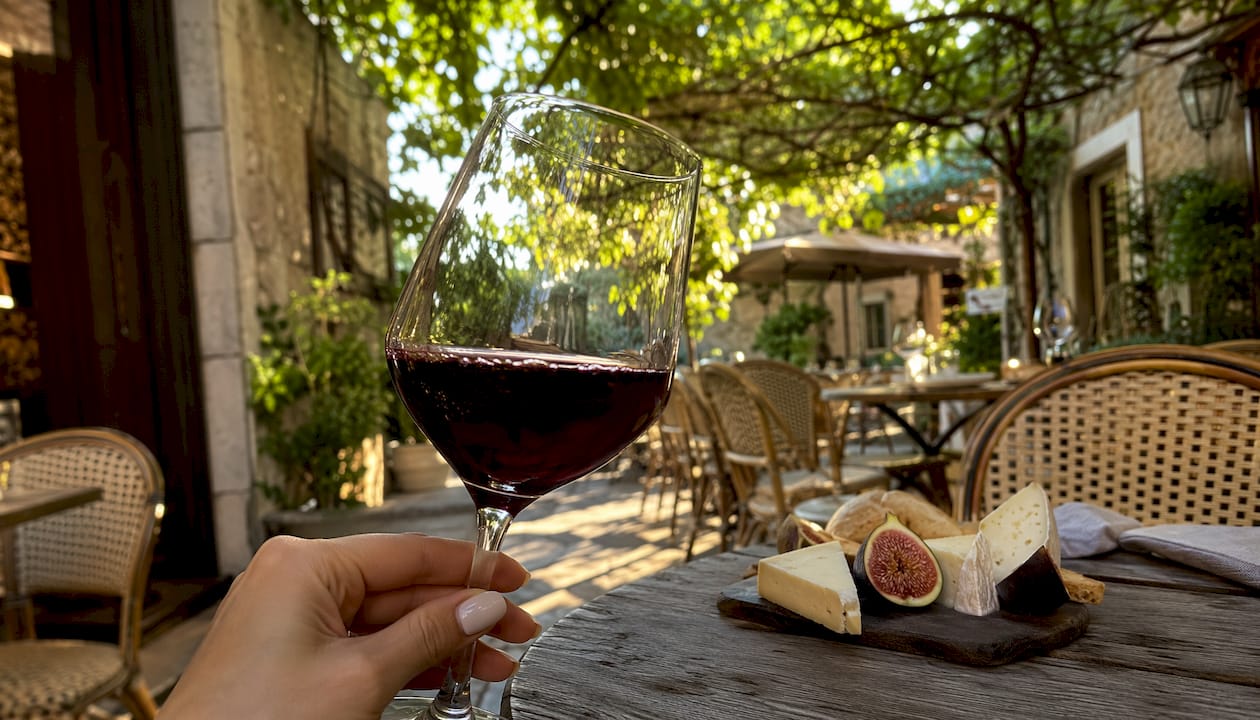
A common misconception is that Merlot tastes sweet. It doesn’t. Merlot is predominantly dry, and what people often read as sweetness is actually the warmth and fruit intensity that higher alcohol amplifies. Ripe plum, dark cherry, and mocha flavours register as generous and round, not sugary.
Here’s how alcohol shapes the tasting experience:
- Warmth: higher ABV creates a gentle heat at the back of the throat, adding to the sense of fullness
- Body: more alcohol means more viscosity, giving the wine a weightier mouthfeel
- Fruit intensity: alcohol carries aromatic compounds, so riper, higher-ABV Merlots often smell and taste more expressive
- Tannin perception: alcohol softens the perception of tannins, making even moderately tannic Merlots feel smooth
Excessive alcohol can tip the balance, masking the delicate fruit and floral notes that make a great Merlot sing. Skilled winemakers in regions like Margaret River and the Yarra Valley work hard to keep that balance intact.
How to serve Merlot and what to eat with it
Serving temperature makes a real difference with Merlot. Aim for 16°C–18°C. Too warm and the alcohol becomes the dominant sensation; too cold and the fruit shuts down. Pull the bottle from a cool spot about 20 minutes before pouring.
Glassware matters more than most people think. A large-bowled Bordeaux glass gives Merlot room to open up, letting the aromatics build before the wine hits your palate. Narrower glasses concentrate the alcohol vapour at the rim, which can make a 14.5% bottle feel hotter than it is.
Food pairings that work brilliantly with Merlot:
- Roasted lamb or beef: the wine’s fruit and moderate tannins cut through fat without overwhelming the meat
- Duck and game birds: Merlot’s plummy character is a classic match with richer poultry
- Aged cheddar or gruyère: the salt in hard cheese softens tannins further and amplifies the fruit
- Mushroom-based dishes: earthy umami notes in mushrooms mirror Merlot’s savoury undertones
- Tomato-based pasta: the wine’s acidity holds its own against tomato without clashing
Higher-alcohol Merlots (above 14.5%) pair better with richer, fattier dishes. A leaner 13% bottle is more versatile at the table.
Pro Tip: If you’re opening a warm-climate Australian Merlot above 14.5% ABV, decant it for 30 minutes. The extra oxygen softens any residual heat and lets the fruit come forward.
The WHO notes that no level of alcohol consumption is without risk, so savouring Merlot mindfully, with food and good company, is always the better call.
How does Merlot’s strength compare to other red wines?
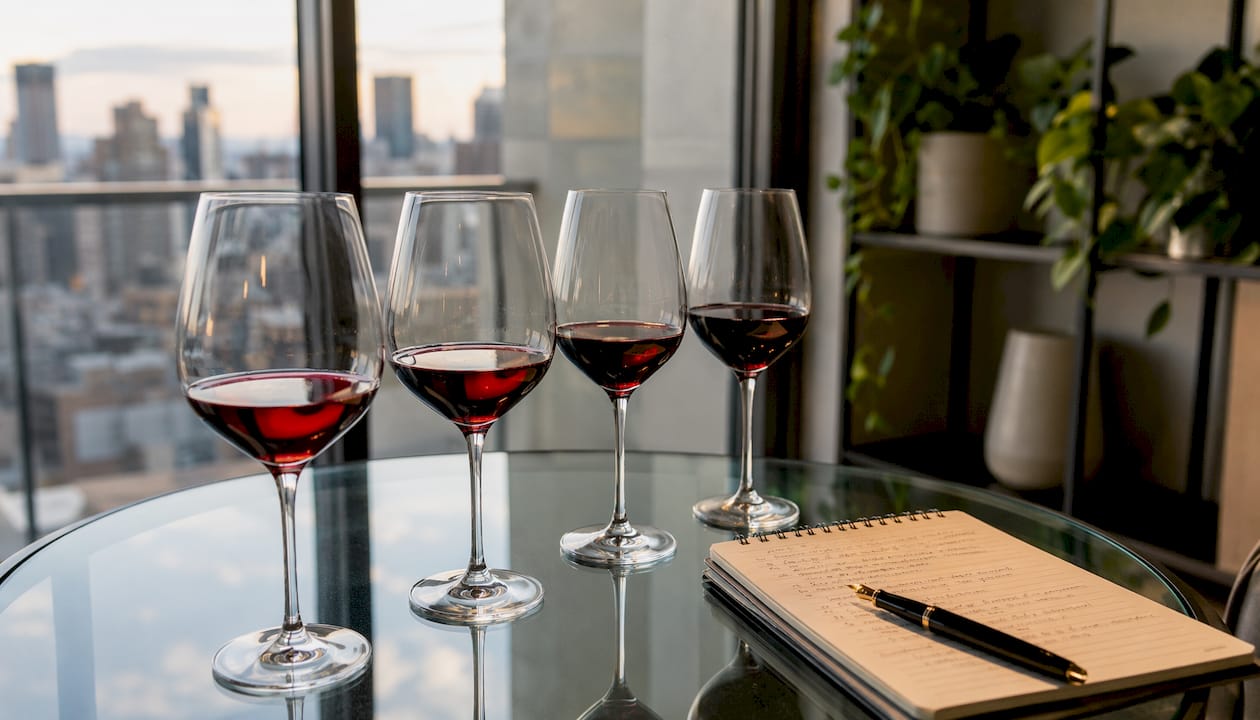
Merlot sits comfortably in the middle of the red wine alcohol spectrum. It’s stronger than Pinot Noir but generally on par with or slightly below Cabernet Sauvignon and Shiraz. Fortified wines like Port and Sherry are in a different league entirely.
| Wine variety | Typical alcohol strength |
|---|---|
| Pinot Noir | Lower range among reds |
| Merlot | Moderate alcohol range |
| Cabernet Sauvignon | Similar to strong reds |
| Shiraz / Syrah | Strong red wines |
| Malbec | Strong red wines |
| Zinfandel | Among stronger red wines |
| Port | Much higher alcohol content as a fortified wine |
| Sherry | High alcohol content as a fortified wine |
Merlot and Cabernet Sauvignon overlap heavily in ABV, but Cabernet’s thicker skins and higher tannin load make it feel more structured and grippy at the same alcohol level. Shiraz from warm Australian regions like the Barossa can match or exceed Merlot’s ABV while delivering a spicier, fuller-bodied profile. For a deeper look at where Merlot sits among the highest-ABV red wines, the contrast with fortified styles is striking.
Zinfandel is the outlier. At 14%–16% ABV, it regularly outpaces Merlot and can feel noticeably heavier on the palate. If you find a 15% Merlot warming, a big Zinfandel will remind you there’s always another gear.
What Australian wine experts say about Merlot’s ABV and character
Australian Merlot has earned a reputation for being genuinely drinkable without being dumbed down. The typical Australian Merlot ABV of 14%–15.5% reflects warmer growing seasons, but the best producers balance that ripeness with freshness, so the wine doesn’t feel heavy or hot.
That balance is exactly what separates a well-made Australian Merlot from a generic warm-climate red. Regions like Margaret River produce Merlots with genuine structure alongside their fruit weight, while the cooler Yarra Valley delivers more restrained, Bordeaux-leaning styles closer to 13.5% ABV.
Consumer trends in 2026 reflect a growing interest in understanding what’s actually in the glass. Tools like Coravin, which let you pour wine without pulling the cork, have made it easier to explore different Merlot styles across regions without committing to a full bottle. That kind of access changes how people think about ABV: not as a warning label, but as a flavour signal.
Pro Tip: When buying Australian Merlot, check the back label for the region. A Margaret River or Yarra Valley origin usually signals a more restrained style around 13.5%–14%. A Barossa or McLaren Vale label often means a fuller, riper wine pushing 14.5%–15%.
FU Wine’s approach to sourcing Merlot reflects exactly this kind of regional thinking. The selection spans styles from structured cool-climate bottles to bold warm-climate expressions, all chosen for quality and drinkability rather than label prestige. For more on how high-alcohol reds fit into the broader red wine picture, the regional nuance is worth understanding before you buy.
Key takeaways
Australian Merlot typically sits between 14% and 15.5% ABV, higher than the global average, driven by warm growing seasons and deliberate late-harvest winemaking.
| Point | Details |
|---|---|
| Core ABV range | Merlot typically runs 13%–15% ABV globally, with Australian examples often reaching 14%–15.5%. |
| Climate drives alcohol | Warmer regions produce riper grapes with more sugar, which ferments into higher alcohol. |
| Smooth but dry | Merlot’s softness comes from thin-skinned tannins, not sweetness; the wine is predominantly dry. |
| Serving sweet spot | Serve at 16°C–18°C in a large Bordeaux glass to keep alcohol warmth in check. |
| FU Wine’s selection | FU Wine sources Merlots across Australian regions, reflecting the full spectrum from restrained cool-climate to bold warm-climate styles. |
Premium Merlot without the premium markup
Life’s too short for ordinary wine, and it’s definitely too short to overpay for a good one. FU Wine exists to fix exactly that. The selection includes premium Australian Merlots from boutique producers and limited releases, sourced directly through cellar clearances, allocation drops, and distressed inventory deals. You get the wine insiders drink, at prices that don’t require a second mortgage.
Whether you’re after a restrained Margaret River Merlot sitting around 13.5% ABV or a bold McLaren Vale expression pushing 15%, FU Wine’s rotating deals surface the good stuff before it disappears. No gatekeeping. No inflated retail margins. Just genuinely great Merlot at prices that make sense. Head to FU Wine and see what’s available now before the next batch sells out.